DbcultAccessing Vault...
6.8/10
Senior Film Conservator
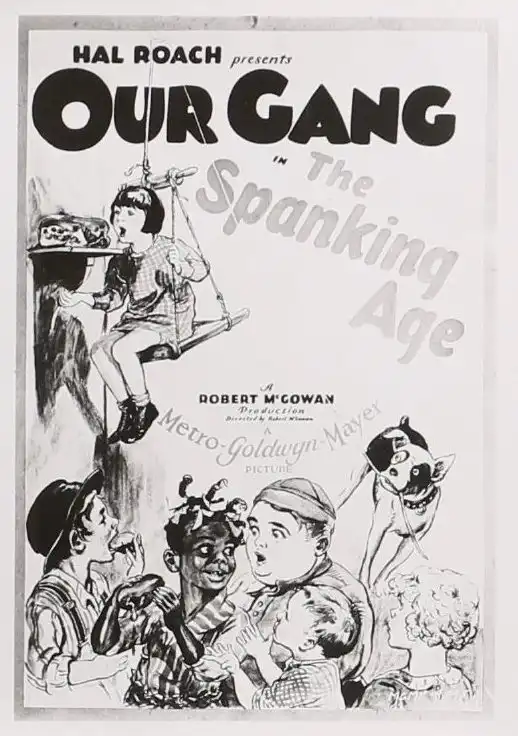
A definitive 6.8/10 rating for a film that redefined the boundaries of cult cinema. The Spanking Age remains a cornerstone of transgressive art.
If you have about twenty minutes and you want to see what a 1920s house looks like right before it gets absolutely demolished by a group of unsupervised toddlers, The Spanking Age is worth the time. It’s not the best Our Gang short—it’s a bit too repetitive for that—but if you enjoy watching the mechanics of a silent comedy mess, it’s a solid pick. People who hate child actors or find 1920s domestic discipline jokes uncomfortable should probably skip it, though.
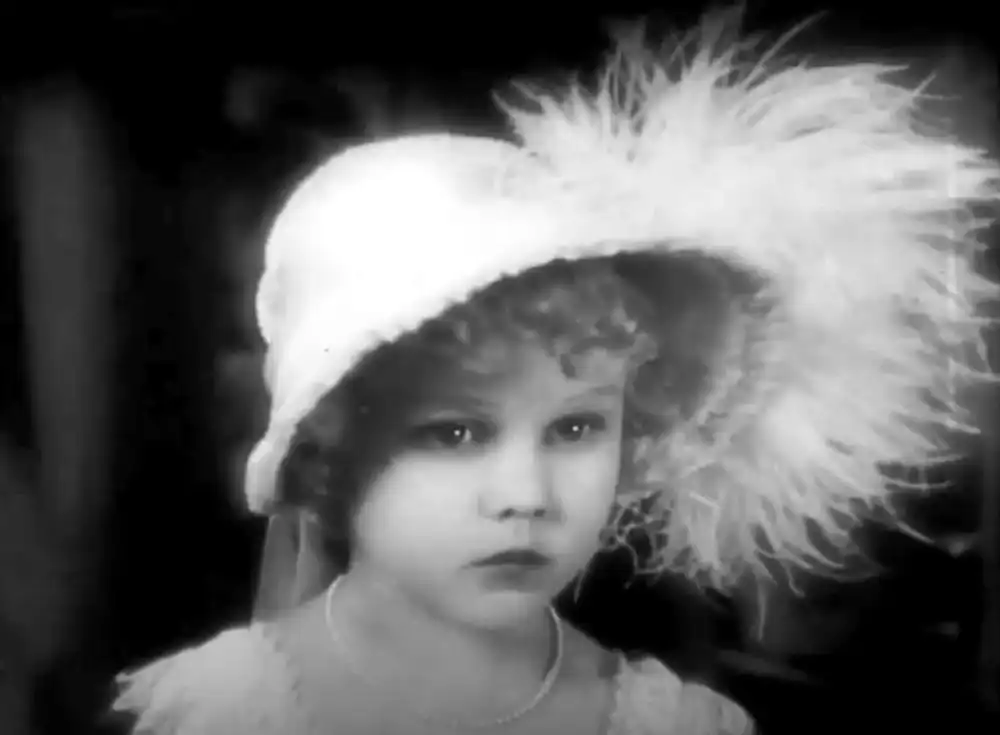
The whole thing is built on this really specific, sharp tension between the kids and their stepmother, played by Lyle Tayo. She’s not just a 'movie mean' parent; she has this cold, pinched way of moving that makes you actually feel bad for Mary Ann and Wheezer. There’s a moment early on where she’s getting ready to leave, and the way she looks at the kids—it’s genuinely hostile. It makes the eventual 'party' they throw feel less like a prank and more like a desperate act of rebellion.
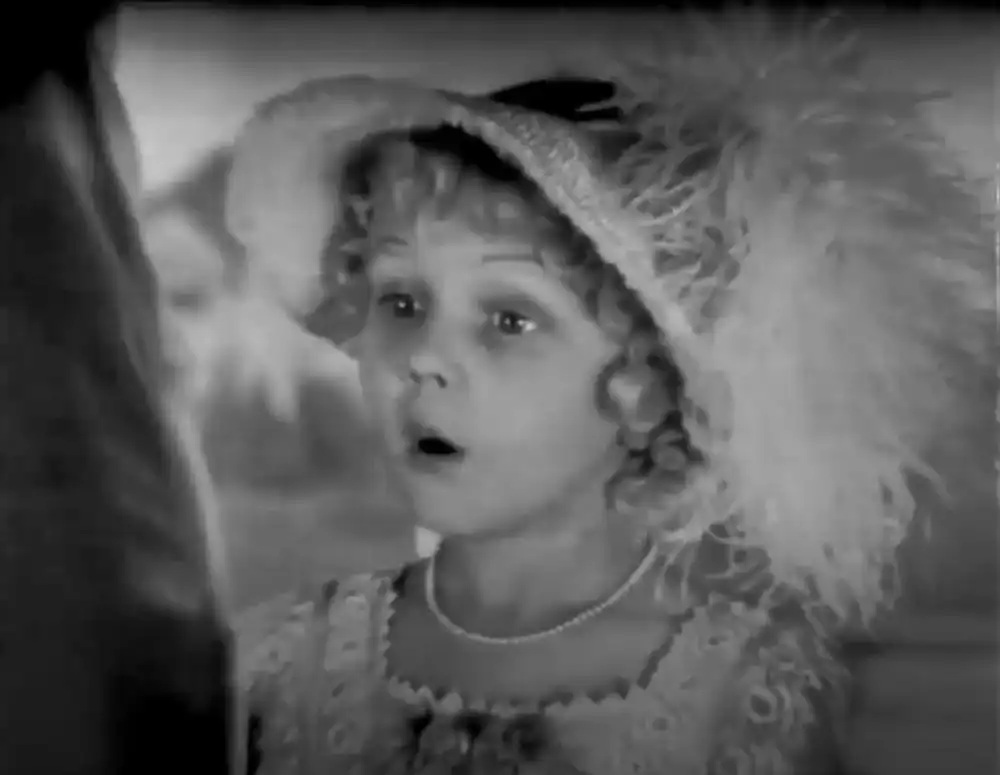
Once she’s out the door, the movie shifts gears into what it really wants to be: a food fight waiting to happen. The 'party' they throw for the Gang is a masterclass in how to make a set look disgusting. They start making this 'lunch' that involves a lot of flour and things that look like they shouldn't be eaten. There’s a specific shot of the kitchen table where everything is just... gray. It’s that grainy silent film texture that makes food look like wet cement.
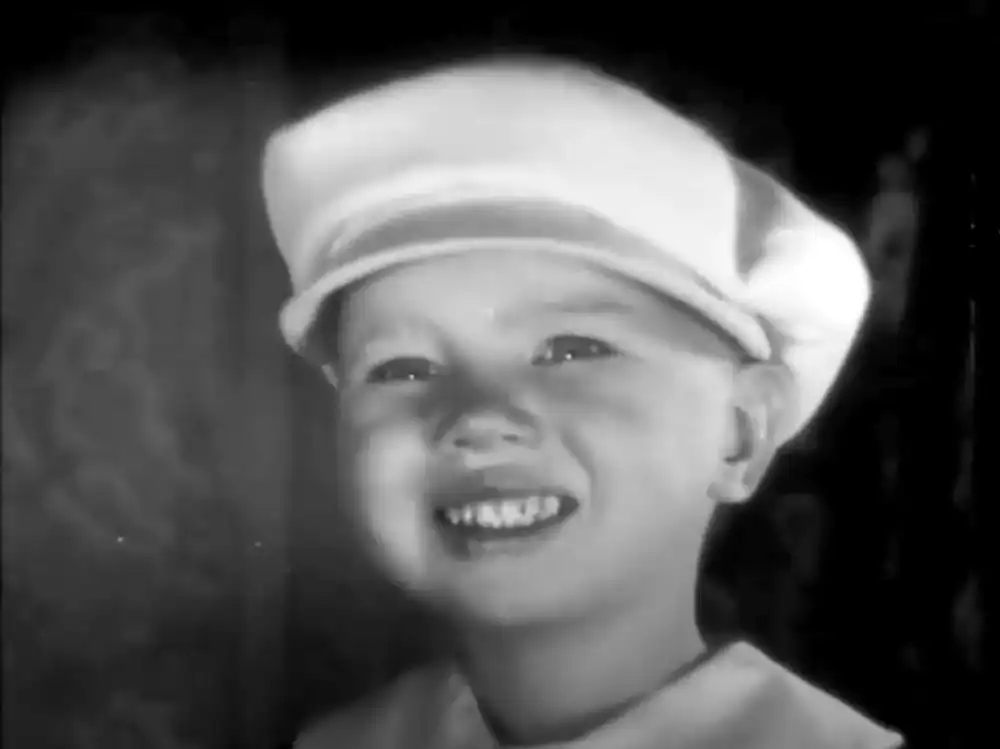
Farina (Allen Hoskins) shows up and, as usual, he’s the only one who feels like a real person. He has this way of looking at the camera or at the other kids that feels completely unscripted. While the other kids are doing their 'acting'—which is mostly just wide-eyed mugging—Farina just exists in the space. There’s a bit where he’s trying to deal with a sandwich or a piece of cake, and he looks genuinely confused by the logistics of it. It’s way funnier than the bigger, choreographed falls.
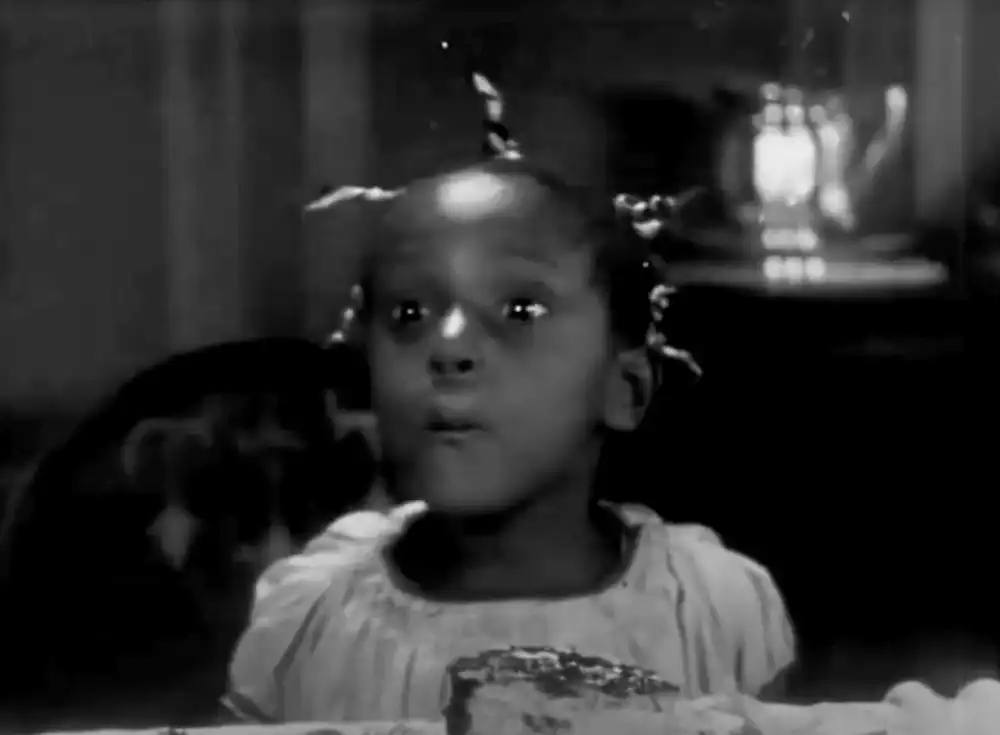
Speaking of falls, the pacing in the middle of the party drags. They spend a lot of time on the kids just sitting at the table. It goes on for about three minutes too long before the actual chaos starts. You can feel the director, Robert A. McGowan, waiting for the kids to do something naturally funny, but they mostly just look like they’re waiting for someone to yell 'cut.' It’s that awkward silence you get in silent films where you can almost hear the crew whispering off-camera.
The dog, Pal, is in this one too. He has that iconic ring around his eye, and he’s remarkably well-behaved compared to the children. There’s a shot where he’s just sitting there watching the kids destroy the dining room, and he has this expression of 'I’m the only professional on this set.' It reminds me a bit of the animal work in Alice in the Wooly West, where the animals often seem more clued-in than the human actors.
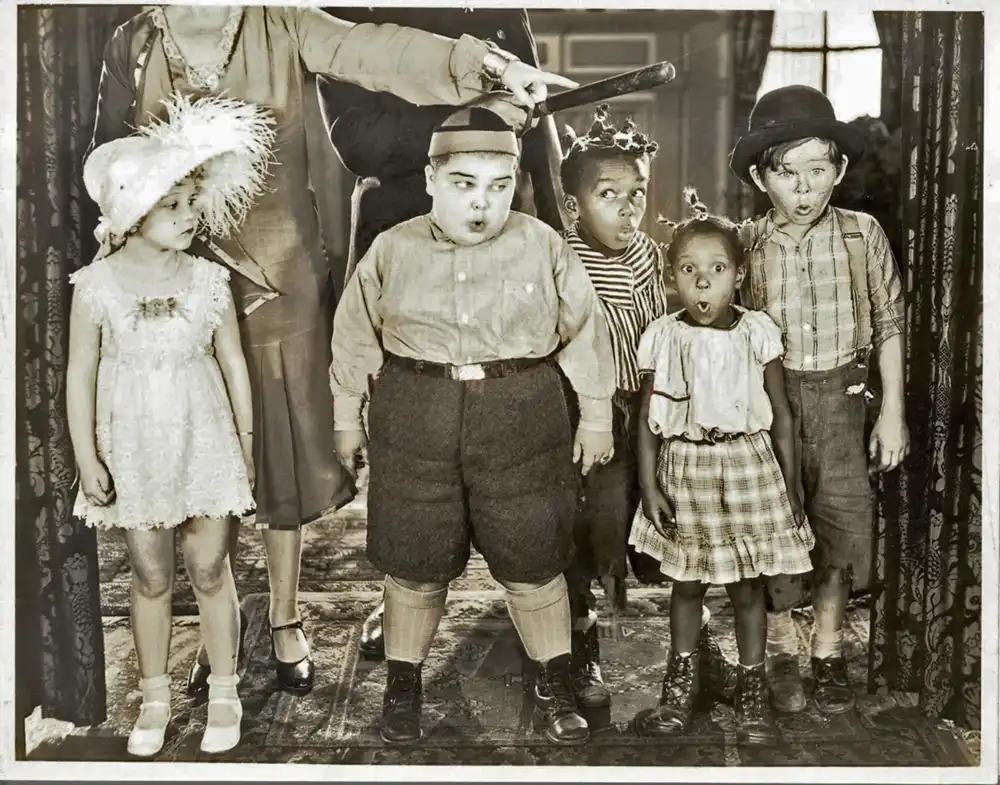
I noticed some weird costume choices, too. Wheezer is wearing these tiny shorts that look incredibly uncomfortable, and Mary Ann has this giant bow in her hair that seems to have a life of its own. It wobbles every time she moves, and in the close-ups, it’s actually kind of distracting. You start watching the bow instead of her face.
The ending is where the title comes in, obviously. The stepmother comes home, and the shift in tone is jarring. It goes from 'kids having fun making a mess' to 'serious domestic consequences' in about four seconds. The way the kids scramble to hide is actually kind of stressful to watch. It’s not the lighthearted slapstick you get in something like Stop at Nothing. There’s a real sense of dread when that front door opens.
One reaction shot of Joe Cobb lingers way too long. He’s just standing there with a mouthful of food, looking at the door, and the camera stays on him for what feels like an eternity. It stops being a 'shocked' face and just becomes a kid wondering when he can swallow. It’s these little editing hitches that remind you these were churned out so fast back then.
Is it a classic? Not really. But it’s a weirdly honest look at how messy kids are. The way they smear jam on the chairs and drop things on the rug feels very real. It doesn’t have the polished 'cute' feel of later child-led comedies. It’s just dirty, loud (even though it’s silent), and a little bit mean. If you like seeing the early, rougher edges of the Our Gang series, it’s a fascinating watch, even if the 'spanking' threat hangs over the whole thing like a dark cloud.
IMDb 6.3
1931
Community
Log in to comment.