DbcultAccessing Vault...
5.8/10
Senior Film Conservator
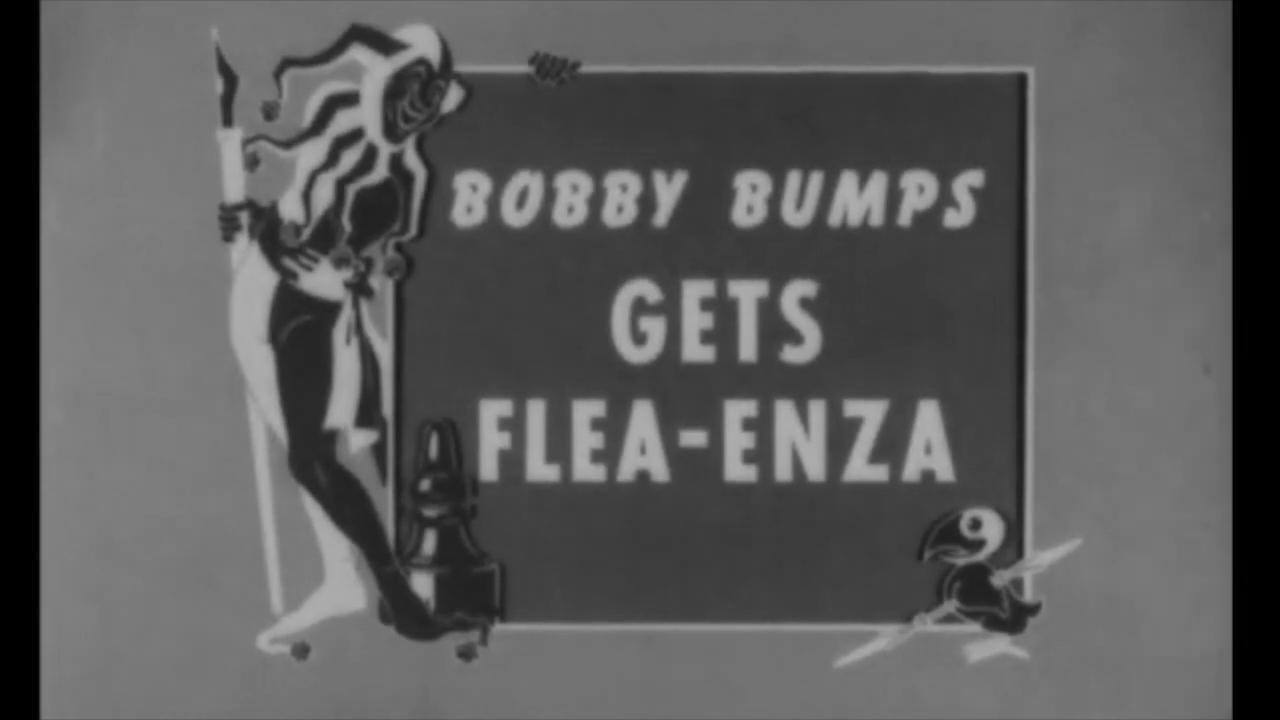
A definitive 5.8/10 rating for a film that redefined the boundaries of cult cinema. Bobby Bumps' Pup Gets the Flea-enza remains a cornerstone of transgressive art.
The opening frame of Bobby Bumps' Pup Gets the Flea‑Enza greets the viewer with a sun‑splashed backyard, the grass rendered in buttery strokes that betray the hand‑drawn aesthetic of early animation. Bobby, a cherubic figure with oversized eyes, darts across the scene, his laughter echoing in the silent medium through exaggerated gestures. His companion, a scruffy terrier with a perpetually wagging tail, mirrors his every move, establishing a visual shorthand for their inseparable bond. The mise‑en‑scene, though sparse, is saturated with a kinetic optimism that sets the tonal compass for the ensuing escapades.
The inciting incident arrives with a single, almost imperceptible twitch of the pup’s ear—a visual cue that signals the onset of the titular "Flea‑enza." Hurd’s animation cleverly employs a flurry of tiny, jittery specks to represent the invisible parasites, a technique that feels both inventive and humorously literal. As the flea infestation spreads, the duo’s mischief escalates: Bobby attempts a makeshift remedy involving a colander, a rubber band, and an over‑enthusiastic splash of water, each contraption more absurd than the last. The comedy here is rooted in physicality; the absence of dialogue forces the animators to rely on exaggerated body language, a hallmark of the silent era that remains irresistibly engaging.
Narratively, the short operates on a loop of cause and effect, each prank birthing a new predicament. When Bobby’s improvised flea‑catcher backfires, the pup is launched skyward, only to land in a nearby flowerbed where a chorus of animated daisies sways in mock sympathy. This sequence, while ostensibly frivolous, showcases Hurd’s mastery of timing: the pause before the pup’s descent, the elastic stretch of his limbs, and the sudden, rubber‑like rebound all coalesce into a rhythm that feels both musical and cinematic. It is a reminder that early cartoons were, at their core, kinetic symphonies without a score.
Comparatively, the thematic simplicity of this short echoes the earnestness found in The Bondage of Barbara, yet the tonal divergence is stark. While Barbara’s drama delves into emotional entanglement, Bobby’s world remains unburdened by adult concerns, focusing instead on the pure, unfiltered joy of discovery. This contrast underscores Hurd’s intent: to craft a narrative that celebrates the innocence of childhood rather than interrogate it. The result is a film that feels like a nostalgic playground, inviting viewers to relive the reckless curiosity of their own youth.
The animation style, though primitive by contemporary standards, possesses a charm that modern CGI often lacks. Hurd’s line work is deliberately rough, each stroke betraying the hand that drew it, which imparts a tactile quality to the moving images. The color palette is limited—primarily black silhouettes against a stark white background—yet the occasional splash of muted pastel (the pup’s collar, a stray flower) punctuates the visual monotony, drawing the eye to moments of narrative significance. This restraint mirrors the economic realities of 1920s studios, where each frame was a costly endeavor, but it also forces the audience to focus on movement and expression rather than spectacle.
The film’s pacing is relentless; there is scarcely a moment of stillness. After the flea‑infested chaos, Bobby and his dog find themselves inadvertently locked inside a pantry, the door slamming shut with a resonant thud. Inside, they discover a trove of kitchenware that becomes the stage for a slapstick ballet: pots clatter, spoons spin, and a rolling pin becomes an improvised surfboard. This segment, reminiscent of the kinetic set‑pieces in The Light of Victory, demonstrates Hurd’s ability to transform mundane objects into sources of visual comedy. The pantry’s claustrophobic confines amplify the characters’ frantic energy, turning a simple chase into a study of spatial dynamics.
A particularly poignant moment arrives when the pup, exhausted from his flea‑filled frenzy, collapses into Bobby’s lap. The boy’s expression softens, his eyes widening in a rare display of vulnerability. In this brief tableau, Hurd allows the audience a glimpse of emotional depth that transcends the cartoon’s comedic veneer. The scene is silent, yet the weight of the gesture is palpable; it underscores the film’s underlying message that companionship can soothe even the most absurd of ailments. This tender interlude subtly aligns the short with more melodramatic works like The Man of Mystery, albeit without the heavy narrative baggage.
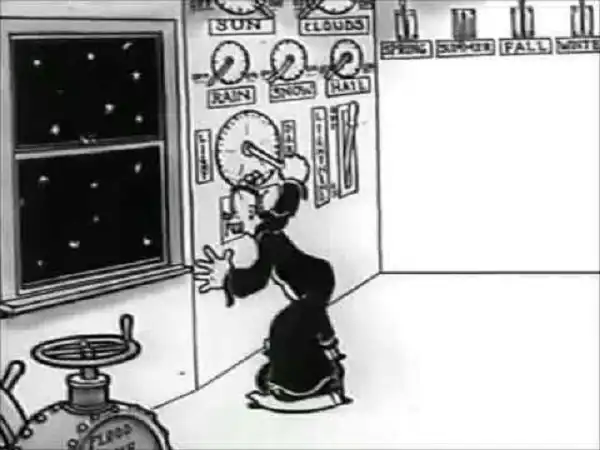
The climax erupts when Bobby, armed with a makeshift vacuum contraption, attempts to eradicate the fleas once and for all. The device sputters, whirs, and ultimately explodes in a cloud of cartoonish smoke, propelling both boy and dog into a whirlwind of animated stars. The ensuing visual metaphor—Bobby and his pup soaring amidst constellations—serves as a literal and figurative elevation of their partnership. The stars themselves are rendered as tiny, twinkling circles, each one a nod to the limitless imagination that fuels early animation. This celestial ascent, while absurd, feels earned; it is the culmination of a narrative built on escalating absurdity and unyielding optimism.
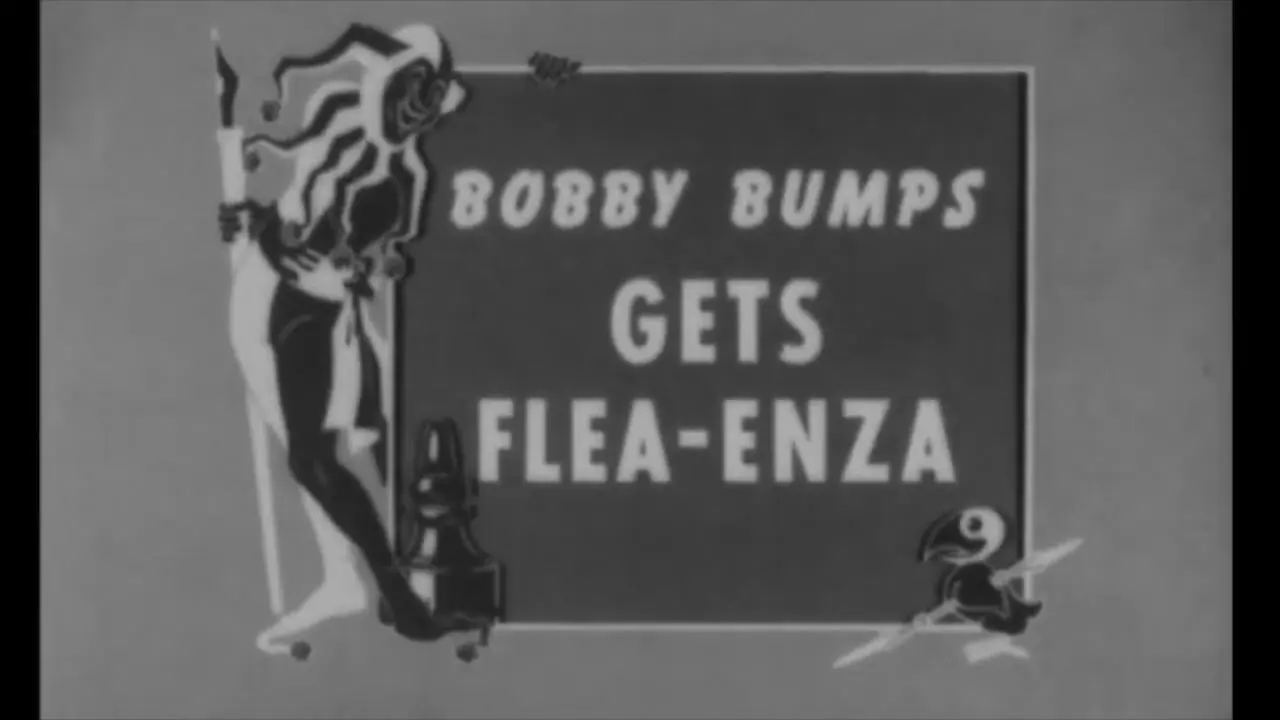
In terms of cultural context, the short occupies a fascinating niche. Released during a period when animation was still defining its language, it predates the advent of synchronized sound and color, yet it anticipates the narrative elasticity that would later be mastered by studios like Disney and Fleischer. The film’s reliance on visual gags, physical comedy, and a tight, self‑contained storyline mirrors the structural blueprint of later classics such as Rip Van Winkle, albeit with a more modest scope. Hurd’s work can be seen as a bridge between the rudimentary sketches of Winsor McCay and the polished narratives of the Golden Age.
The voice—or lack thereof—of the film is another point of interest. In an era where intertitles were the norm, Hurd opts for pure pantomime, trusting the audience to decode emotion through exaggerated facial expressions and kinetic exaggeration. This decision amplifies the universality of the story; language barriers dissolve, allowing viewers from any background to grasp the humor and heart. The silent nature also invites a more active form of viewing, where the audience fills in auditory gaps with imagined sound effects, a practice that modern viewers might find both nostalgic and immersive.
When juxtaposed with contemporaneous works like The Master Crook or The Hunting of the Hawk, which leaned heavily into drama and suspense, Bobby Bumps' Pup Gets the Flea‑Enza stands out for its unapologetic levity. The film does not aspire to moralize; instead, it revels in the sheer joy of mischief. This tonal choice aligns it more closely with the playful spirit of Gift o' Gab, where dialogue (or its absence) serves as a vehicle for comedic timing rather than narrative exposition.
The technical craftsmanship, while modest, deserves commendation. Hurd’s use of looping backgrounds—repeating the same backyard scenery as the characters sprint across—creates an illusion of continuity without taxing the limited resources of the studio. Moreover, the fluidity of the characters’ movements, especially the pup’s elastic limbs, showcases an early understanding of squash‑and‑stretch principles that would later become a cornerstone of animation theory. These subtle innovations hint at Hurd’s forward‑thinking approach, positioning him as a quiet pioneer in the field.
From an auteur perspective, Earl Hurd’s dual role as writer and animator imbues the short with a cohesive vision. The narrative’s simplicity is not a flaw but a deliberate choice, allowing the visual humor to breathe. Hurd’s signature—an affection for animal protagonists and a penchant for slapstick—permeates every frame, creating a recognizable stylistic fingerprint that fans of his other works, such as Old Brandis' Eyes, will instantly recognize.
The film’s legacy, though perhaps eclipsed by more commercially successful contemporaries, persists in the way it encapsulated the essence of early 20th‑century American optimism. Its portrayal of a boy and his dog confronting a trivial yet chaotic problem mirrors the broader societal desire to find humor amidst post‑World War I uncertainty. The “Flea‑enza” itself can be read as a metaphor for the small irritations that pervade daily life, and the film’s resolution—acceptance, laughter, and a shared adventure—offers a timeless prescription.
In terms of modern relevance, the short serves as an educational artifact for students of animation history. Its economical storytelling, reliance on visual metaphor, and pioneering use of kinetic comedy provide a blueprint for aspiring animators seeking to understand the roots of the medium. When screened alongside later masterpieces like Ambition or The Waif, it offers a stark contrast that highlights the evolution of narrative complexity and technical sophistication.
Ultimately, Bobby Bumps' Pup Gets the Flea‑Enza is a compact yet richly textured piece of cinematic history. Its 10‑minute runtime belies the depth of its visual storytelling, the charm of its characters, and the ingenuity of its creator. For anyone interested in the lineage of animated comedy, the film stands as a testament to the power of simplicity, the allure of mischief, and the enduring bond between a child and his faithful companion.
IMDb 8
1926
Community
Log in to comment.