DbcultAccessing Vault...
5.5/10
Senior Film Conservator
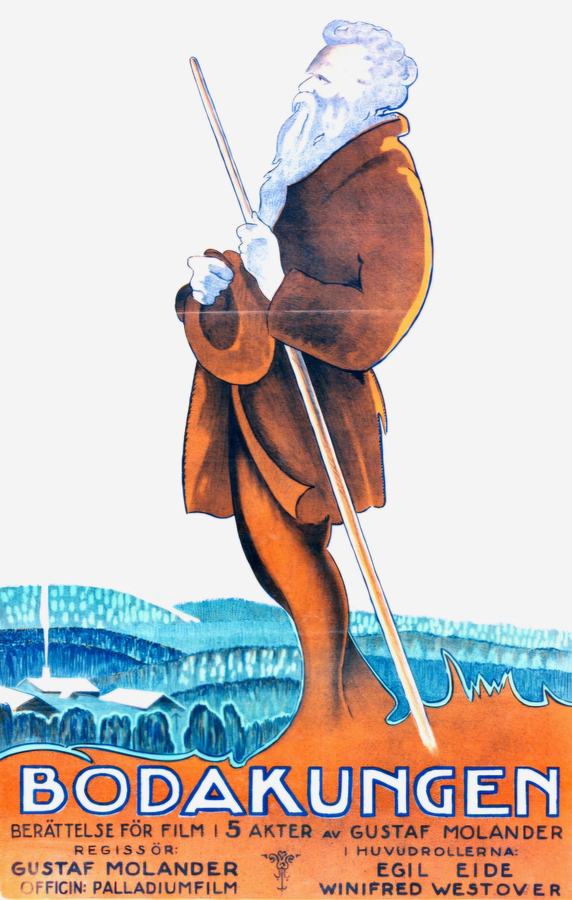
A definitive 5.5/10 rating for a film that redefined the boundaries of cult cinema. Bodakungen remains a cornerstone of transgressive art.
In the annals of Swedish silent cinema, few films capture the sheer, unadulterated weight of ancestral legacy as poignantly as Gustaf Molander’s Bodakungen. Released in 1920, a period when the Swedish film industry was asserting its dominance through sweeping landscapes and profound psychological depth, this work stands as a testament to the era's narrative ambition. The film transports us to the dawn of the 1800s, a time when the boundaries of civilization were thin and the laws of the land were often superseded by the laws of the bloodline. The feud between the people of Ödemo and Rävgården is not merely a plot device; it is a living, breathing entity that consumes everything in its path.
Molander, working from his own script, crafts a world that feels both hyper-specific and universally tragic. The opening sequences establish a sense of place that is almost claustrophobic despite the vastness of the Swedish wilderness. We see the toil of the peasants, the hardness of their hands, and the stygian darkness that resides in their eyes when they look across the valley toward their rivals. Unlike the more stylized melodrama found in The Wrath of the Gods, Bodakungen leans into a rugged naturalism that feels remarkably modern. The conflict is stripped of romanticism, revealing the hollow core of a hatred that has outlived its own reasoning.
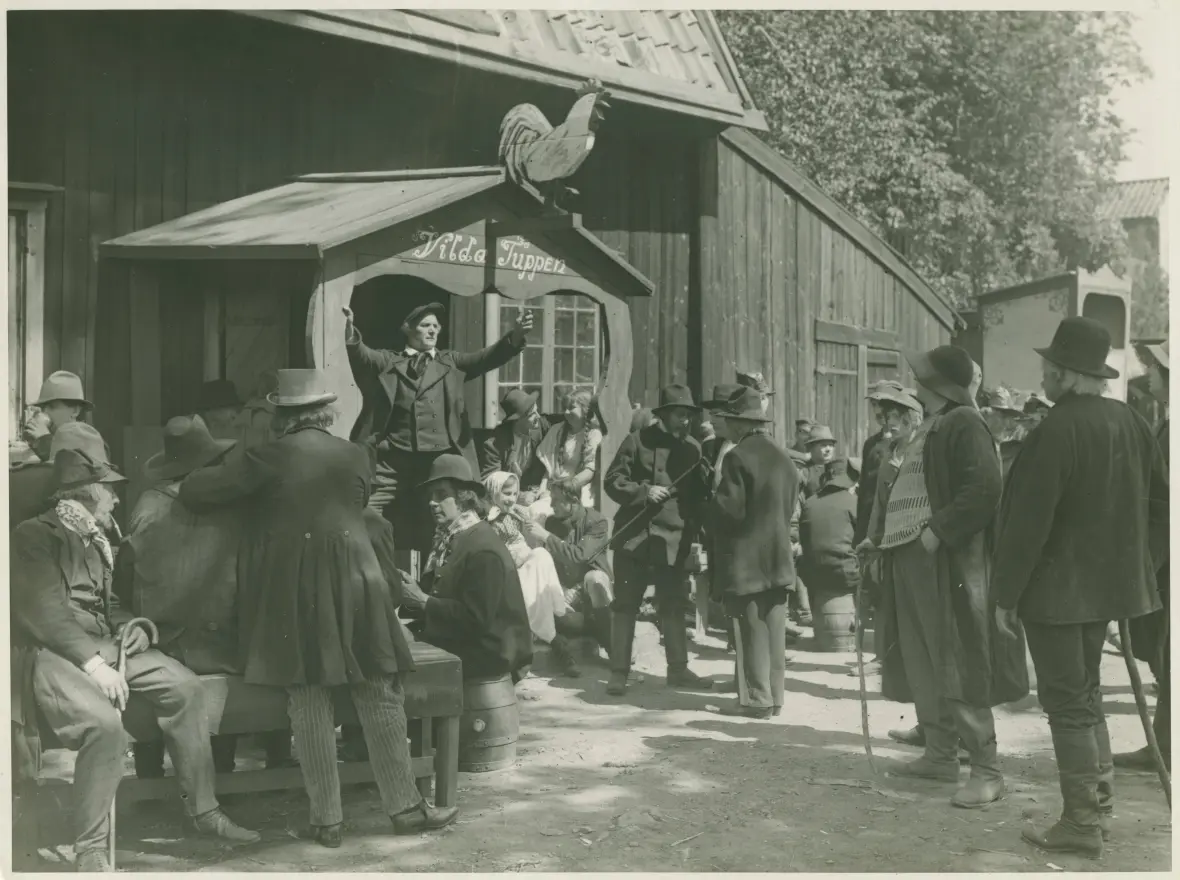
The visual language of the film is dominated by the topography of the North. The jagged rocks, the dense, impenetrable forests, and the biting cold are not just background elements; they are active participants in the drama. One cannot help but draw parallels to the atmospheric dread found in The Dark Silence, where the environment serves as a mirror to the characters' internal desolation. In Bodakungen, the landscape dictates the isolation. It keeps the two clans trapped in a proximity that breeds contempt, yet separates them enough to allow for the growth of monstrous myths about the 'other' side.
The cinematography utilizes the natural light of the Swedish sun—or the lack thereof—to underscore the shifting moods of the narrative. There is a specific crepuscular quality to the scenes of confrontation, where the long shadows of the trees seem to reach out like the ghosts of previous generations. This visual storytelling elevates the film from a simple historical drama to an existential meditation on the human condition. The people of Ödemo and Rävgården are not just fighting over land or resources; they are fighting against the crushing weight of their own history, a theme explored with similar gravitas in The Price of Malice.
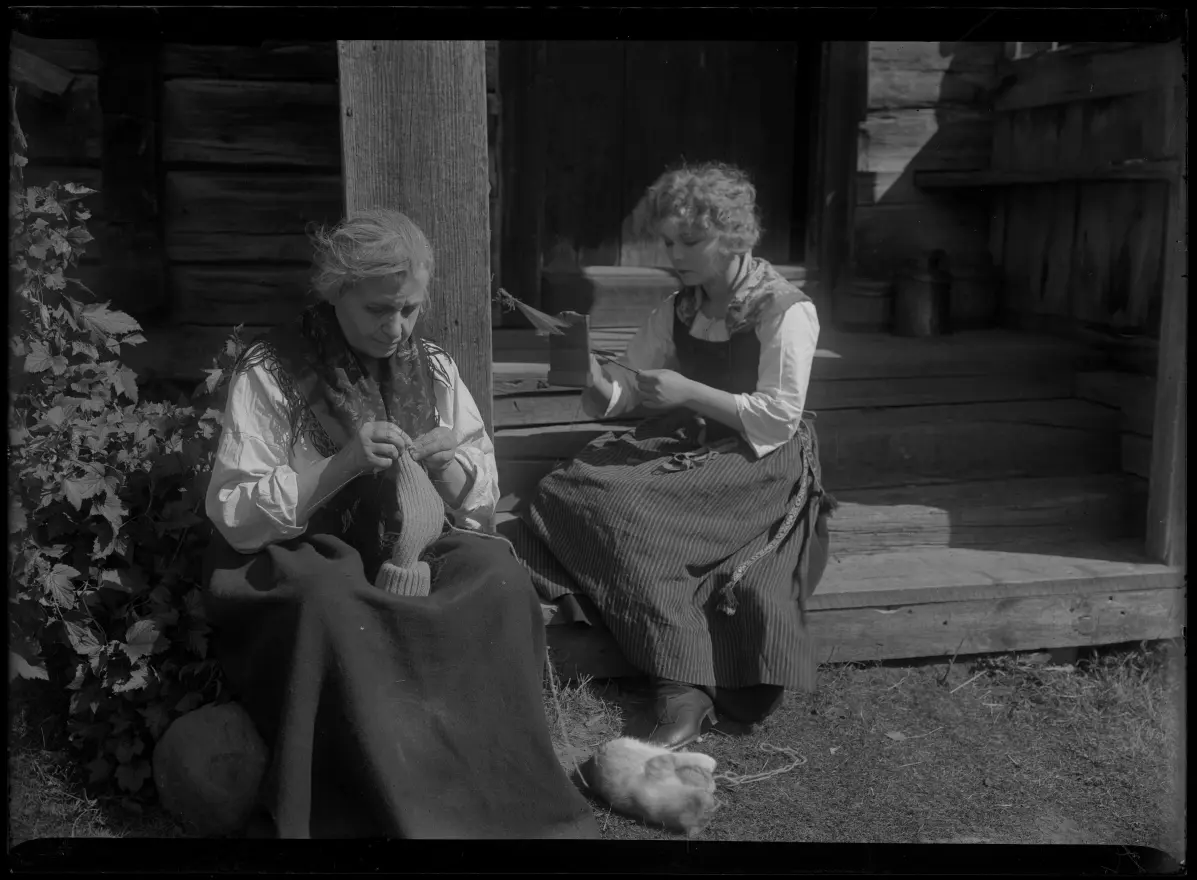
At the heart of this storm is the towering presence of Egil Eide. His performance is a masterclass in silent-era acting, conveying a spectrum of emotion through subtle shifts in posture and the piercing intensity of his gaze. Eide embodies the 'King of Boda' with a mixture of regal authority and tragic vulnerability. He is a man caught between the demands of his clan and the burgeoning realization that the path of vengeance leads only to ruin. His performance provides a grounding force for the film, ensuring that even the most heightened moments of conflict remain rooted in human truth.
Supporting Eide is a cast that brings a gritty authenticity to the rural setting. Winifred Westover delivers a performance of quiet strength, providing a necessary counterpoint to the masculine aggression that drives the feud. The chemistry between the cast members creates a lived-in feel, suggesting decades of shared history and unspoken grievances. This ensemble dynamic is crucial, as it allows the film to move beyond the central conflict and explore the collateral damage of the feud—the women and children whose lives are circumscribed by a war they did not start. In this regard, the film shares a certain thematic DNA with As a Woman Sows, which also examines the domestic fallout of patriarchal strife.
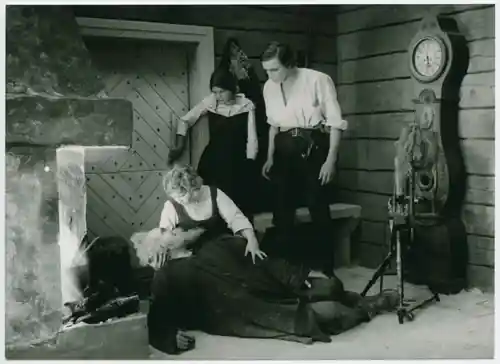
While Molander is perhaps better known for his later collaborations with Ingrid Bergman, Bodakungen showcases his early prowess as a visual stylist. His direction is marked by a sophisticated understanding of pacing and spatial relationships. He knows when to linger on a character's face to capture a fleeting moment of doubt and when to pull back to show the insignificance of human squabbles against the backdrop of eternity. His work here is less about the frenetic energy found in Hit or Miss and more about a sustained, simmering tension that slowly boils over.
The editing of the film is also noteworthy. Molander uses cross-cutting to build suspense during the film’s climax, effectively weaving together the disparate threads of the narrative into a cohesive and devastating whole. There is a rhythmic quality to the film’s progression, a steady beat of escalation that mirrors the heartbeat of a man possessed by rage. This technical precision ensures that the film’s two-hour runtime never feels bloated, a feat that many of his contemporaries struggled to achieve. It avoids the narrative pitfalls of 99, maintaining a clear focus on its central themes while allowing for character development.

Beyond the immediate drama of the feud, Bodakungen offers a fascinating glimpse into the social structures of early 19th-century Sweden. The film touches upon the transition from a feudal mindset to a more centralized legal system, and the friction that arises during this period of change. The people of the valley are suspicious of outsiders and resistant to any authority that threatens their traditional way of life. This resistance to change is a recurring motif in Molander’s work and serves as a poignant commentary on the dangers of cultural insularity.
The film also subtly addresses issues of class and economic disparity. The struggle between Ödemo and Rävgården is as much about the control of resources as it is about pride. In this sense, the feud is a microcosm of the larger geopolitical conflicts that were ravaging Europe at the time. By focusing on a localized conflict, Molander is able to explore these complex ideas in a way that is intimate and relatable. It lacks the overt didacticism of The Forbidden Woman, opting instead for a more nuanced exploration of social boundaries.
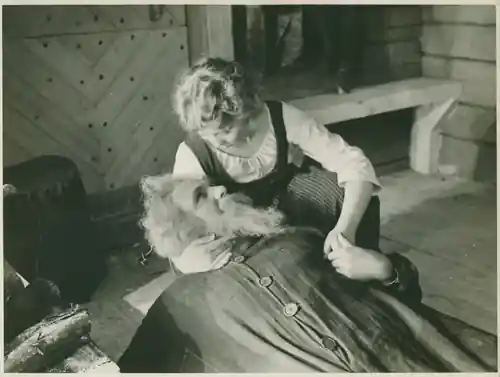
When comparing Bodakungen to other films of the era, such as Caught in the Act, one notices a distinct difference in tone. While many silent films relied on broad physical comedy or overt sentimentality, Molander’s work is characterized by a somber, almost liturgical quality. It shares more in common with the psychological depth of Unsühnbar, where the focus is on the internal struggle of the protagonist rather than external action. The film’s exploration of the 'sins of the father' also brings to mind the tragic arcs found in The Prince Chap, though set in a much harsher environment.
Furthermore, the film’s treatment of romantic elements is refreshingly unsentimental. The love stories that emerge from the chaos are not presented as easy escapes, but as further complications in an already tangled web of loyalties. This realism is a hallmark of the Swedish Golden Age of cinema and is a major reason why films like Bodakungen continue to resonate with modern audiences. It avoids the saccharine pitfalls of Welcome Little Stranger or Up the Road with Sallie, maintaining its grim integrity until the final frame.
As the film reaches its inevitable climax, the viewer is left with a profound sense of catharsis and melancholy. The resolution of the feud is not a moment of triumph, but a somber acknowledgment of the cost of such a conflict. The final images of the film are haunting, lingering on the scorched earth and the broken lives left in the wake of the clans' hatred. It is a powerful reminder that while individuals may die, the cycles of violence they perpetuate can endure for centuries if not consciously broken.
In the broader context of Molander’s filmography, Bodakungen represents a crucial stepping stone. It showcases his ability to handle large-scale productions without losing sight of the human elements. The film’s influence can be seen in the works of later directors who sought to capture the unique spirit of the Nordic landscape and the complexities of the Scandinavian soul. It is a work of significant historical importance, yet it remains a gripping piece of storytelling in its own right.
Ultimately, Bodakungen is a film about the choice between the past and the future. It asks whether we are doomed to repeat the mistakes of our ancestors or if we have the strength to forge a new path. It is a question that remains as relevant today as it was in 1920. For those interested in the evolution of cinematic narrative, or for those who simply appreciate a well-told story of human struggle, this film is an essential watch. It stands alongside other explorations of duty and sacrifice like Pay Your Dues or Finishing Mary, yet it possesses a primal energy that is entirely its own. Through the lens of Gustaf Molander, the feud of Ödemo and Rävgården becomes a timeless allegory for the dark impulses that reside within us all, and the flickering light of hope that somehow manages to survive even the coldest Swedish winter.
IMDb —
1936
Community
Log in to comment.