No, not for most viewers. Border Blackbirds exists primarily as a curio, a flickering testament to a genre and a filmmaking era long past. It offers little in the way of engaging narrative or sophisticated craft that would appeal to a contemporary audience seeking anything beyond academic interest.
This film is for dedicated silent film enthusiasts, particularly those with a deep affection for early Westerns and the specific, often crude, storytelling techniques of the 1920s. Everyone else will find it a tedious exercise, a repetitive string of familiar tropes delivered with minimal dramatic impact.
Key Takeaways
Best for: Die-hard silent film historians and Western genre completists.
Not for: Anyone seeking narrative depth, character development, or modern pacing.
Standout element: The sheer historical artifact status.
Biggest flaw: Its pervasive dramatic inertness and predictable structure.
The Fading Echo of the Frontier
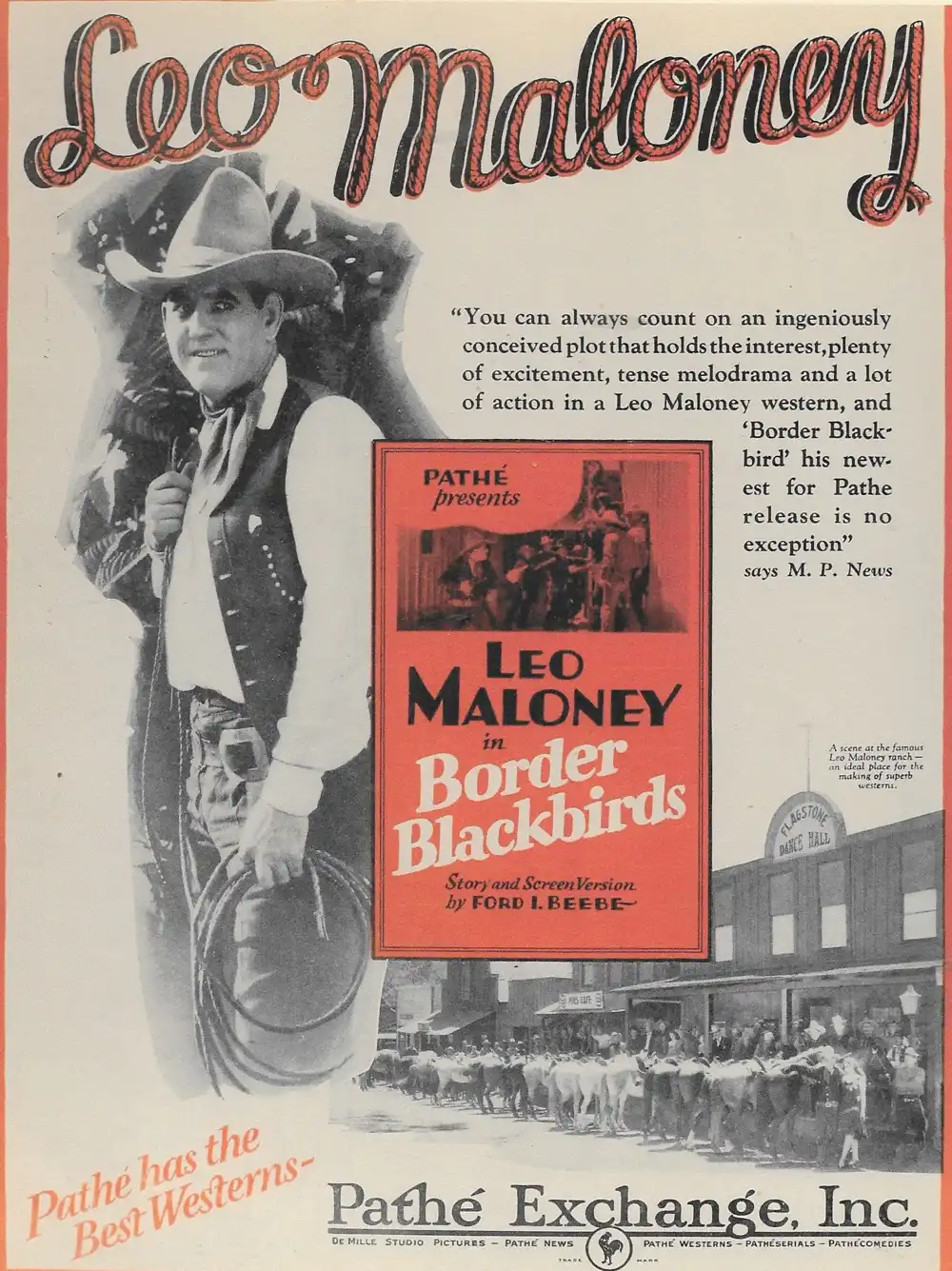
Border Blackbirds, a 1927 silent Western, arrives as a stark reminder of how quickly film language evolved. What might have felt like robust genre fare in its day now feels incredibly thin. The narrative, a standard tale of outlaws and lawmen on the dusty border, never manages to generate genuine suspense. Ford Beebe's script relies heavily on archetypes, sketching characters with broad strokes that offer no room for nuance. Eugenia Gilbert, as the central figure, does what she can with the material, often resorting to the exaggerated gestures typical of the era, but there's a hollowness to her performance that even the most sympathetic viewer can't ignore.
The film's pacing is a particular burden. It moves with a strange combination of hurried action sequences and drawn-out, static scenes that accomplish little. A chase scene, for instance, often feels less like a desperate pursuit and more like a series of posed tableaux, each shot existing in isolation rather than building momentum. The editing is functional, cutting from one event to the next without much thought given to rhythm or emotional arc. This isn't a criticism born of modern sensibilities alone; even within the context of its time, better-constructed films were being made, demonstrating a burgeoning understanding of how to manipulate an audience. This one just pushes forward.
This film works because it offers a raw, unvarnished look at early genre filmmaking, showcasing the foundational elements that would later be refined into compelling narratives.
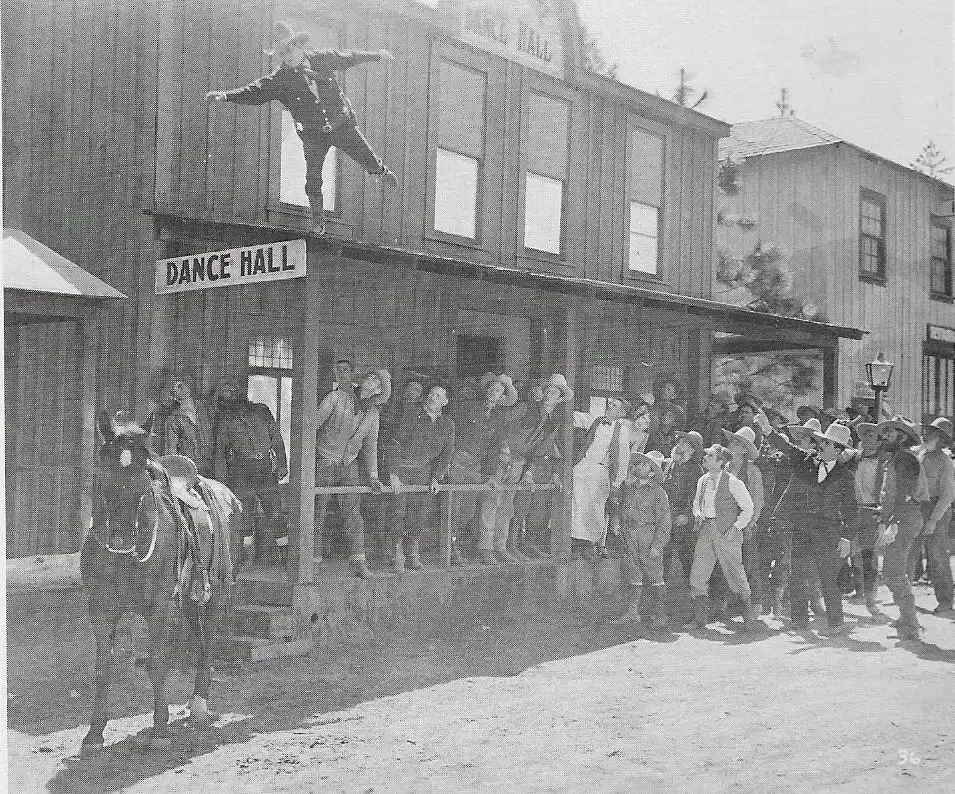
Scene from Border Blackbirds
Cinematic perspective: Exploring the visual vocabulary of Border Blackbirds (1927) through its definitive frames.
This film fails because its dramatic execution is often flat, its characters are underdeveloped, and its pacing struggles to maintain engagement for modern or even historically aware audiences.
You should watch it if your primary interest is cinematic archaeology, understanding the rudimentary building blocks of the Western, or observing the stylistic conventions of a very specific moment in film history.
Visuals and Performances: A Study in Limitations
Visually, Border Blackbirds is what you'd expect from a low-budget silent Western of the period. The cinematography is straightforward, mostly static shots designed to capture the action, not to evoke mood or atmosphere. There are moments where the vastness of the landscape is briefly glimpsed, hinting at the potential grandeur of the genre, but these are fleeting. Most scenes are framed tightly, focusing on the actors' faces and their overt expressions. It’s practical, not artistic.
Leo D. Maloney, a prolific figure in silent Westerns, embodies the stoic lawman with predictable earnestness. His performance, like many in the film, leans heavily on physical posturing. The villains, a collection of grizzled faces like Don Coleman and Bud Osborne, are indistinguishable from countless others of the era. They snarl, they ride horses, they get defeated. There's no sense of individual menace, just a collective, generic threat. This isn't a film where you remember specific character beats; you remember the broad strokes of good versus evil, delivered without much finesse.
The film's most glaring weakness might be its inability to create any real stakes. We know how this story will end, not just because it's a Western, but because the filmmakers provide little reason to invest in the journey. Every twist feels telegraphed, every danger easily overcome. The tension never builds. It just exists, then dissolves. The narrative feels like a mechanical exercise, not a story unfolding.
Pros and Cons
The Primitive Charms
Authentic Snapshot: It offers a genuine look at the production values and storytelling norms of a specific time in Hollywood's infancy.
Genre Purity: For those interested in the raw, unadulterated conventions of the early Western, it’s all here: horseback chases, saloon brawls, and clear-cut heroes and villains.
Performances as Archetypes: The acting, while broad, perfectly encapsulates the silent-era acting style, a living document of performance history.
The Inherent Flaws
Lack of Engagement: The narrative is too simplistic and predictable to hold attention, even for those accustomed to older films.
Stiff Direction: Ford Beebe's direction is competent but uninspired, failing to elevate the material beyond its basic requirements.
Repetitive Action: Action sequences often repeat similar patterns, diminishing their impact with each iteration.
Emotional Flatness: Characters lack depth, making it impossible to connect with their struggles or triumphs.
Verdict
Border Blackbirds is a film that exists, and that's about the kindest thing one can say. It's not a hidden gem, nor is it particularly instructive beyond its existence as a historical marker. For serious students of film history or the Western genre, it offers a data point. For casual viewers, it's a chore. There are countless other silent Westerns that offer more dynamism, more compelling performances, and a better understanding of how the medium was finding its footing. Look to films like The Hell Cat or even earlier, more ambitious works if you want a true sense of the era's potential. This one just rides by.