DbcultAccessing Vault...
6.7/10
Senior Film Conservator
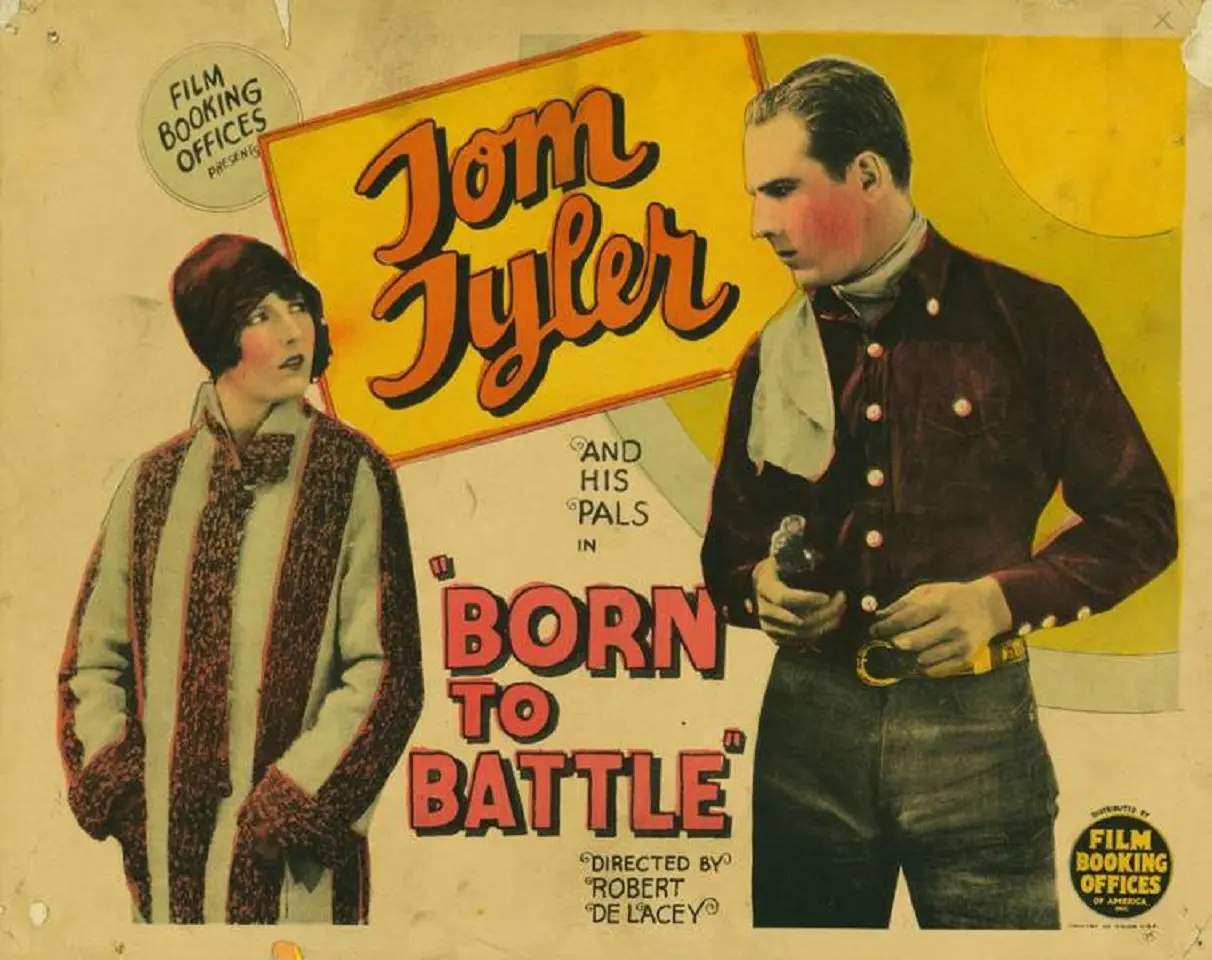
A definitive 6.7/10 rating for a film that redefined the boundaries of cult cinema. Born to Battle remains a cornerstone of transgressive art.
Is 1926’s Born to Battle worth your time in the modern era? Short answer: No, unless you are a dedicated historian of silent cinema or a Jean Arthur completist. This film is a strictly functional B-Western that serves as a time capsule for 1920s tropes, but it lacks the creative spark found in contemporaries like Sherlock Jr.
This film is for viewers who enjoy the raw, unpolished physicality of early Western stars and those interested in the 'pre-fame' appearances of Hollywood legends. It is decidedly NOT for anyone seeking a complex narrative, high-octane action, or the nuanced performances that would later define the genre. It is a simple story told with simple tools.
1) This film works because it understands the primal appeal of the chase, utilizing Tom Tyler’s athletic frame to create a sense of genuine urgency during the final act.
2) This film fails because its plot relies on a series of convenient coincidences that even by 1926 standards felt tired and predictable.
3) You should watch it if you want to see the exact moment the Western genre began transitioning from frontier myths to industrial-age anxieties about land rights and oil.
Tom Tyler, playing Dennis Terhune, is less an actor here and more a monument of masculinity. Coming from a background in weightlifting, Tyler brings a rigid, almost statuesque presence to the screen. In the scene where he first discovers oil, his reaction isn't one of greed, but of a man realizing he has a duty to protect his employer. It’s a stoic performance that contrasts sharply with the more emotive acting seen in films like The Light That Failed.
However, Tyler’s lack of range is evident. When he is not on a horse or in a fistfight, he seems unsure of what to do with his hands. He stands in the frame like a man waiting for a bus. It works for the character of a ranch foreman, but it doesn't provide much for the audience to latch onto emotionally. He is a hero of action, not of internal conflict.
The real curiosity here is Jean Arthur as Eunice Morgan. Years before she became the definitive voice of the 1930s screwball comedy, she was playing the 'financier’s daughter' in dusty Westerns. Even in this silent format, her screen presence is undeniable. She has a way of reacting to Tyler’s stoicism with a subtle eye-roll or a slight tilt of the head that suggests she knows she is in a B-movie.
In one particular scene, where Eunice is forced to wait while the men discuss 'business,' Arthur manages to convey a sense of modern independence that was rare for female leads in 1920s Westerns. She isn't just a prize to be won; she feels like a person who is slightly bored by the predictable heroics surrounding her. It’s a fascinating contrast to the more traditional roles seen in The Woman Pays.
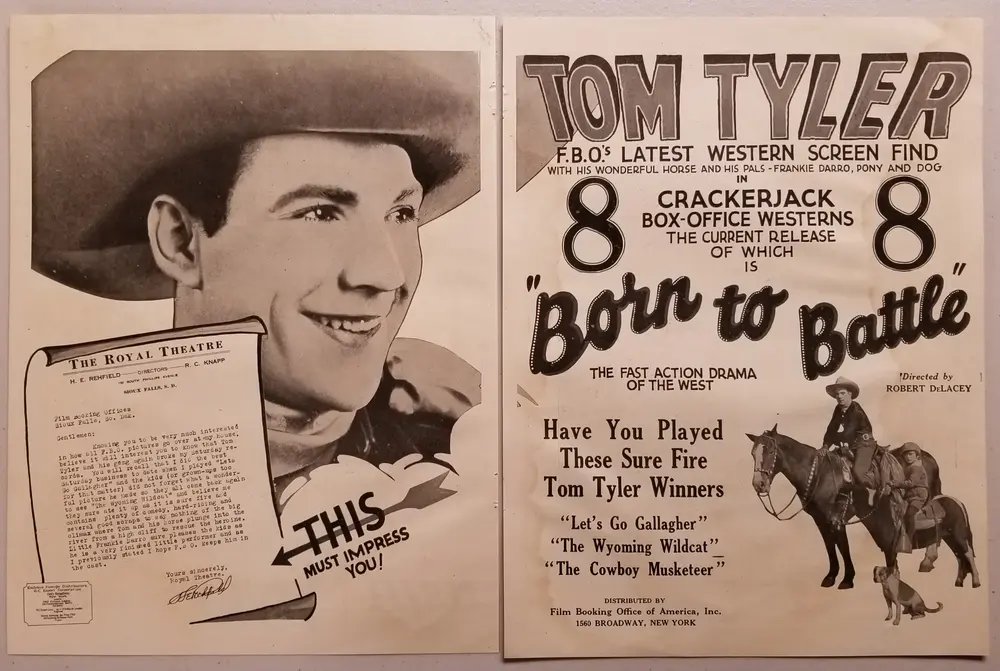
The plot of Born to Battle is a classic 'race for the deed' scenario. This was the 'ticking clock' of the silent era. By introducing the element of oil, the film attempts to raise the stakes. It’s no longer just about a ranch; it’s about the birth of an industry. This reflects the real-world oil booms happening in the West during the mid-20s.
The villain, Daley (played with oily perfection by LeRoy Mason), is a standard-issue corporate parasite. He doesn't want the land to work it; he wants to exploit it. This theme of the 'Eastern Capitalist' vs. the 'Western Laborer' is a recurring motif in films like The Mayor of Filbert, though here it is handled with much less subtlety. The film takes a hard stance: the man who sweats for the land deserves the riches it produces.
Technically, Born to Battle is unremarkable. The camera stays mostly static, capturing the action in wide shots that feel more like a stage play than a movie. There is a lack of the visual experimentation found in Davy Crockett or the innovative editing of Blind Chance.
The pacing drags significantly in the middle. We spend far too much time on subplots involving the ranch hands and the dog, Beans. While Beans the Dog is a charming performer, his scenes feel like padding to reach a feature-length runtime. The film only truly wakes up during the final horse chase. The stunt work here is genuine and dangerous, providing a visceral thrill that modern CGI cannot replicate.
If you are looking for a masterpiece of silent cinema, look elsewhere. Born to Battle is a 'bread and butter' movie. It was made to fill seats in rural theaters for a weekend and then be forgotten. However, as a piece of history, it is invaluable. It shows us the early career of Jean Arthur and the archetype of the Western hero before it was refined by John Ford.
It works. But it’s flawed. It’s a movie that relies on the audience’s pre-existing love for Western tropes rather than trying to invent new ones. If you go in with low expectations, you might find the 60-minute runtime a pleasant enough diversion.
Pros:
Cons:
Born to Battle is a C-tier Western that is elevated slightly by its cast. It lacks the soul of The Vow or the cultural impact of The Kelly Gang. It is a relic of a time when movies were churned out like sausages. Watch it for the history, but don't expect to be moved. It is a competent, if uninspired, piece of entertainment that serves as a reminder of how far the genre has come.
"A film that exists primarily to showcase Tom Tyler's biceps and Jean Arthur's patience. It captures a West that was already disappearing into the pockets of oil magnates."
IMDb 5.9
1936
Community
Log in to comment.