DbcultAccessing Vault...
4.7/10
Senior Film Conservator
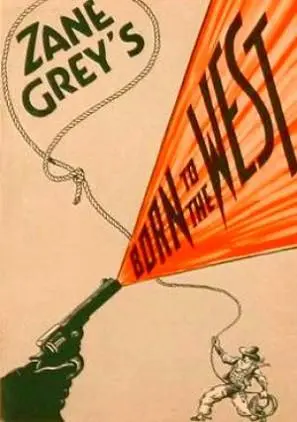
A definitive 4.7/10 rating for a film that redefined the boundaries of cult cinema. Born to the West remains a cornerstone of transgressive art.
Is Born to the West a classic that warrants your time? Short answer: yes, but only if you appreciate the slow-burn foundations of the American frontier myth. This film is a definitive piece of silent-era storytelling for Western enthusiasts and students of Zane Grey’s bibliography, but it is certainly not for those who require the frenetic pacing of modern blockbusters.
At its core, the film is a study of how environment shapes conflict. By moving the rivalry from the structured social ladders of Kentucky to the lawless expansion of Colorado, director Paramount (under the guidance of the era's best) highlights the shift from personal spite to systemic violence. It is a film that breathes through its landscapes and survives on the physical presence of its leads.
1) This film works because the chemistry between Jack Holt and George Siegmann creates a tangible sense of historical weight that modern CGI-heavy rivalries often lack.
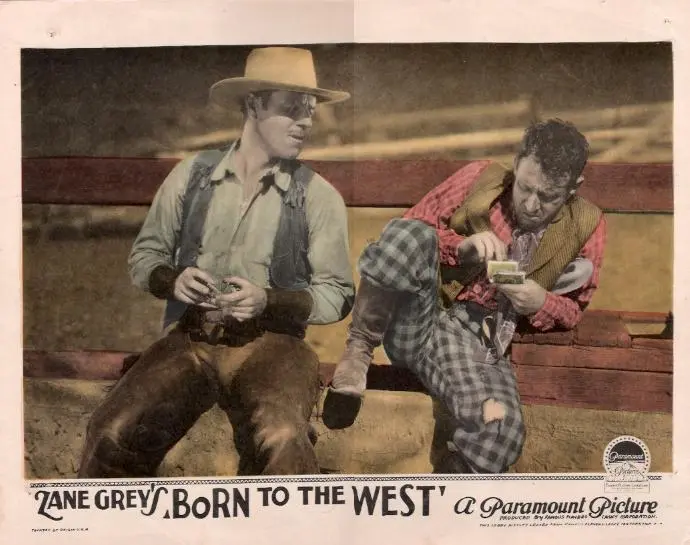
2) This film fails because the middle act relies too heavily on repetitive travel sequences that don't always serve the emotional stakes of the romance.
3) You should watch it if you want to understand how the 'Strong Silent Type' archetype was perfected in the 1920s.
Yes, Born to the West is worth watching for its historical significance and its gritty, unpolished take on the Western genre. It offers a window into the 1920s obsession with the 'frontier spirit' and provides a blueprint for the revenge Westerns that would dominate the 1950s. If you enjoy the raw atmosphere found in films like The Salvation Hunters, you will find much to admire here.
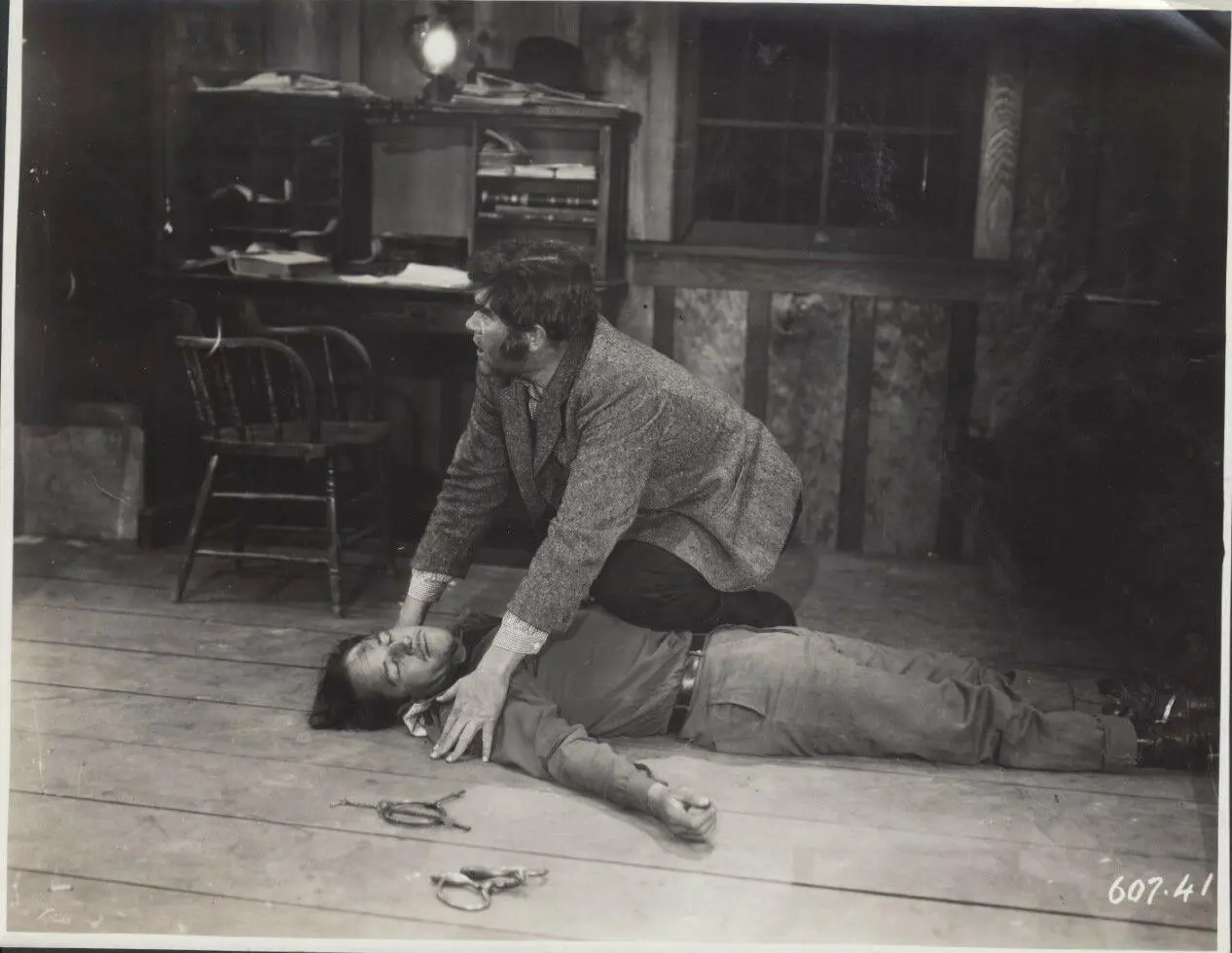
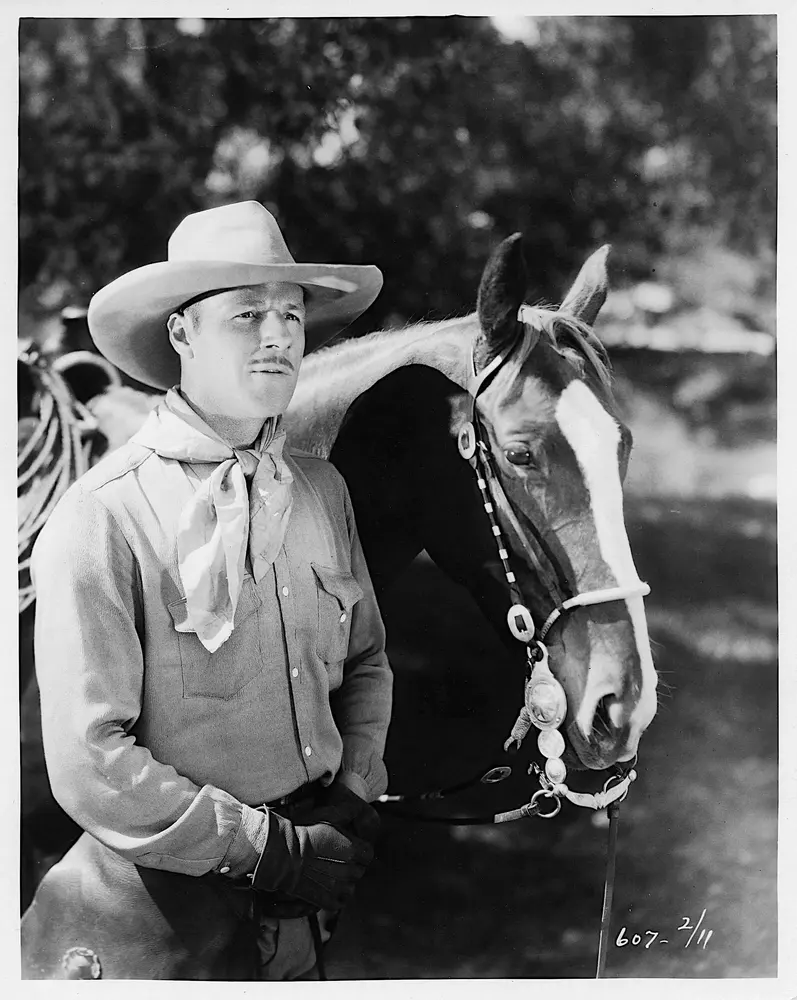
Zane Grey was more than a writer; he was the architect of the Western imagination. In this adaptation, we see his fingerprints everywhere. The obsession with honor, the redemptive power of the wilderness, and the clear-cut lines between the 'noble' man and the 'predatory' man are all present. Jack Holt, playing Dare Rudd (under the alias Holt), embodies the Grey hero perfectly. He is stoic, capable, and driven by a moral compass that points true even when he is operating outside the law.
The rivalry between Dare and Bate Fillmore is perhaps one of the most honest depictions of childhood trauma in early cinema. They don't just hate each other because of a girl; they hate each other because they are two sides of the same coin. While Dare seeks to build something in the West, Bate seeks only to own it. This distinction is made clear in the scene where Bate uses the legal system to jail Nell’s father. It is a cowardly use of power that contrasts sharply with Dare’s direct, physical approach to problem-solving.
Jack Holt is a revelation of physical acting. In an era where many actors were still relying on the exaggerated gestures of the stage, Holt is remarkably restrained. He uses his eyes and his posture to convey a man who has carried a grudge across half a continent. His transition from the Kentucky youth to the Colorado miner is handled with a subtle shift in his gait—he becomes heavier, more grounded, as if the West itself has hardened his bones.
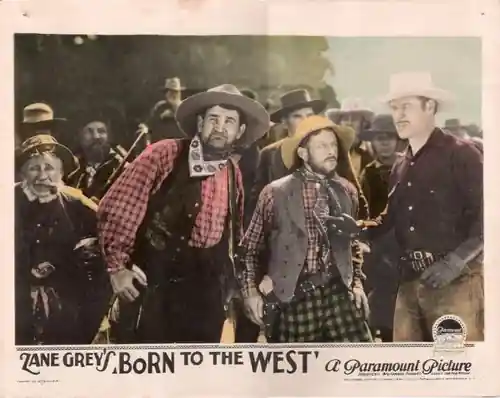
On the other side of the coin, George Siegmann as Bate Fillmore is a masterclass in silent villainy. Siegmann doesn't need to twirl a mustache to tell you he’s the antagonist. He carries a sense of entitlement that feels modern and dangerous. Unlike the villains in The Man Tamer, who often feel like caricatures, Siegmann’s Bate is a man who genuinely believes he is the hero of his own story. He believes he deserves Nell, and that Dare is the interloper. This makes their final confrontation feel less like a hero beating a villain and more like a necessary excision of a rot.
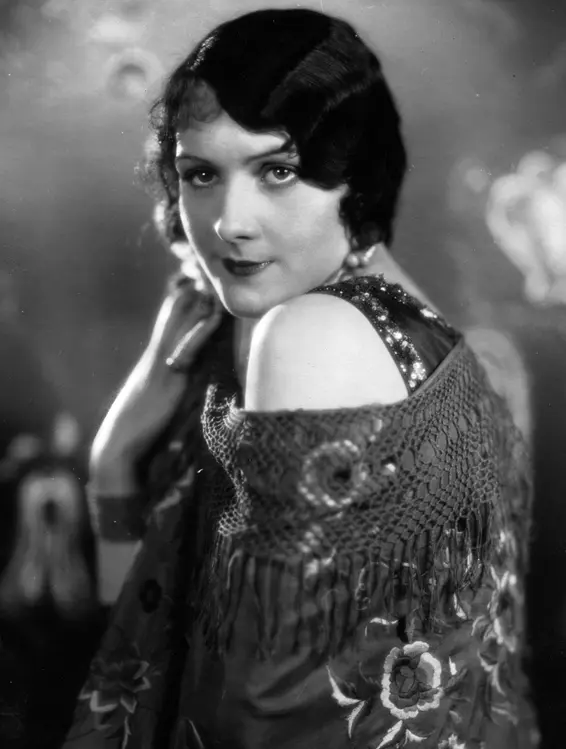
Margaret Morris brings a quiet strength to Nell. While the script occasionally relegates her to the 'damsel' role, Morris fights against this. In the scenes where she is forced to confront Bate’s advances, her body language suggests a woman who is calculating her escape rather than one waiting to be saved. This nuance is often missing in silent Westerns, where the female lead is frequently just a prop. Here, she is the emotional anchor. When she goes to Bate’s home, thinking it’s a message from Dare, the tension is palpable because we care about her agency, not just her safety.
The cinematography in Born to the West is where the film truly shines. The choice to film on location in Colorado pays dividends. There is a specific scene where Dare is surveying the mining camp from a high ridge that captures the sheer scale of the American dream. The vastness of the mountains makes the human conflict look small, yet intensely significant. It’s a visual metaphor for the insignificance of human petty squabbles in the face of nature, yet the film argues that these squabbles are exactly what build nations.
The lighting during the jailbreak sequence is particularly impressive for 1926. The use of deep shadows and high-contrast silhouettes creates a noir-like atmosphere years before the genre was officially recognized. This technical proficiency elevates the film above standard B-Western fare of the time, such as The Flash of Fate. It shows a director who understood that the West was not just a place of sun and dust, but also of darkness and secrecy.
The film’s structure is its biggest hurdle. The prologue in Kentucky is necessary for the emotional stakes, but it feels like a different movie. The transition to Colorado is jarring, and the film takes a while to find its footing again. However, once Dare assumes the 'Holt' identity and the mining conflict begins, the tension ratchets up effectively. The pacing here is deliberate. It builds like a storm, starting with the quiet injustice against Nell’s father and ending in a chaotic, multi-front battle.
One could argue that the film spends too much time on the logistics of the miners and the hired guns, but I find these details fascinating. They provide a sense of realism that is often lost in later Westerns. You see the work that goes into the West—the dirt, the sweat, and the sheer physical labor. It isn't just gunfights; it's a struggle for resources and survival. This grounded approach reminds me of the grit seen in The Iron Man, where the physicality of the conflict is the primary focus.
Pros:
Cons:
There is a surprising amount of moral ambiguity in Dare's decision to hide his identity. While usually framed as a hero's necessity, the film subtly suggests that Dare is running from his own nature as much as he is running from Bate. By calling himself 'Holt,' he is trying to kill the part of himself that is capable of the same hatred Bate possesses. It’s a psychological depth that you don't always find in 1920s cinema, and it makes the final confrontation more about Dare accepting his past than just defeating a villain.
Born to the West is a sturdy, well-crafted piece of silent cinema. It doesn't reinvent the wheel, but it polishes the spokes until they gleam. The West is hard, and the film doesn't shy away from that reality. It works. But it's flawed. The strength of the performances and the beauty of the locations outweigh the occasional narrative stumbles. If you are looking for a film that captures the transition of the Western from simple adventure to complex moral drama, this is a must-watch. It is a testament to the enduring power of Zane Grey's vision and the magnetic screen presence of Jack Holt. While it may not have the experimental flair of The Silent Lie, it possesses a rugged honesty that is purely American.
IMDb —
1924
Community
Log in to comment.