DbcultAccessing Vault...
Cult Review
Senior Film Conservator
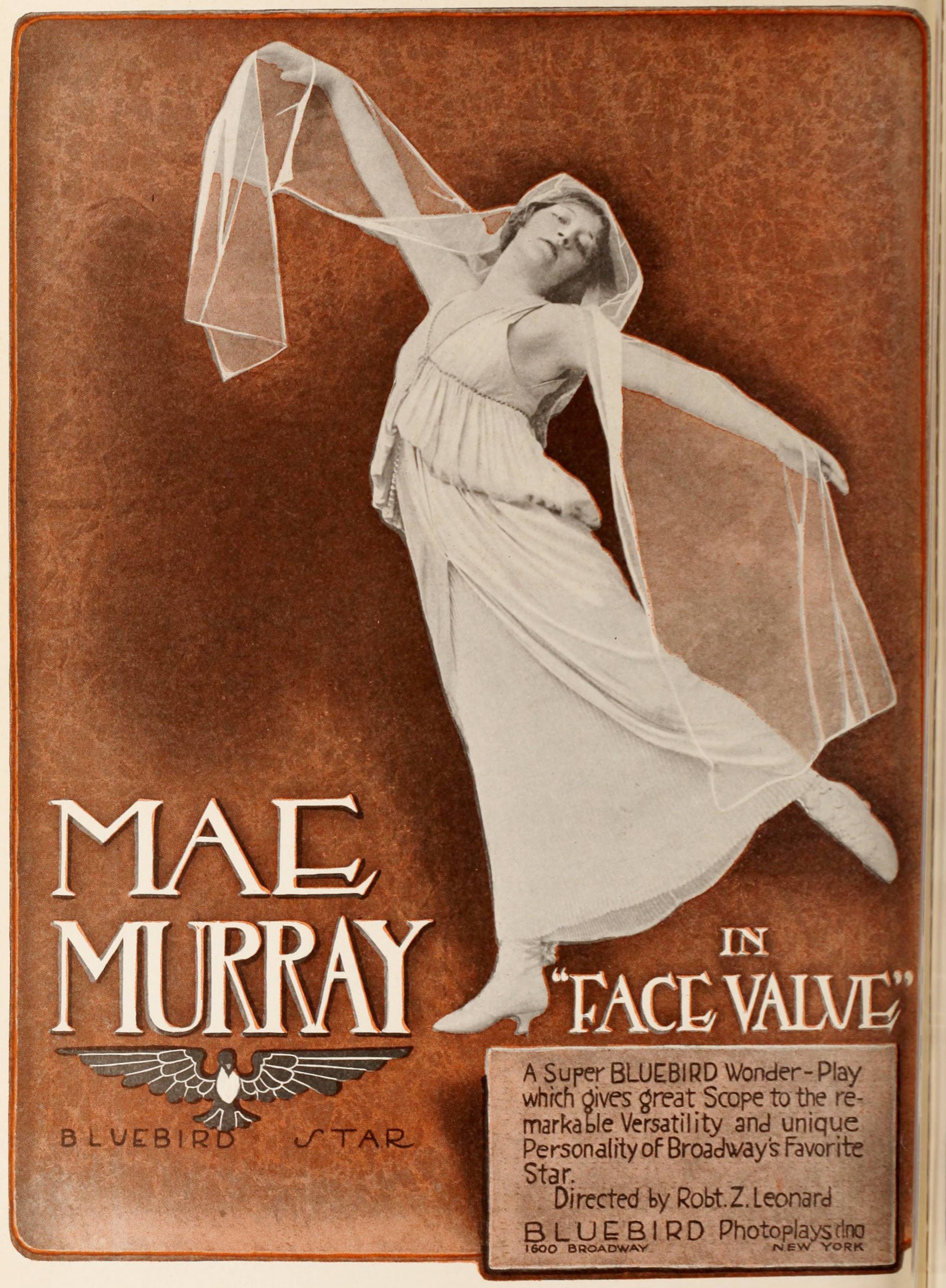
Watch Face Value long enough—if you can find it—and you’ll swear the celluloid itself exhales a sigh of fatigue, as though the film stock remembers every other morality tale that slithered out of the roaring twenties. Yet there is something alchemical in how Mae Murray’s Joan, a fugitive from respectability, is framed like a broken cameo even before her first close-up: the camera hovers, hesitant, as she peels away the lace curtain of her mother’s drawing room, eyes already rehearsing the thousand-yard stare of the condemned. The image is grainy, but the metaphor gleams—this is a picture about the price of visibility, about how a woman’s face, once commodified, can be bartered, stamped, discounted, and finally confiscated.
Joan’s descent begins not in a smoky cabaret but under the anemic glow of a lunch-counter menu board, where the specials are written in chalk and the customers pay in sweat-stained coins. The manager—played by Wheeler Oakman with the oleaginous grin of a man who’s learned that flattery plus footlight equals foreplay—corners her between the pie carousel and the coffee percolator. The assault is not graphic; it is worse. It is bureaucratic. He offers her a future wrapped in butcher paper, then tries to unwrap her like tomorrow’s cutlets. When she flees, the camera does not chase her—it stays to watch the gravy congeal on an abandoned plate, a visual shrug that says appetite is eternal, servers are expendable.
“In the economy of the film, a woman’s no is merely a negotiating position; the film’s true suspense is whether the ledger will ever be balanced.”
Louie—Casson Ferguson twirling a cane like a metronome for doom—materializes from the urban fog with the ease of a memory that refuses repression. He calls Joan by a nickname she thought she’d outgrown, and in that syllabic tug we glimpse the picture’s cruel thesis: you can run from your past, but it will rebrand you. Louie’s seduction is not candlelit; it’s fluorescent with menace. He parades her past shopwindows, shows her the mannequins draped in ermine, whispers that a five-finger discount is merely installment-plan destiny. Their first crime together is shot like a love scene—close-ups of gloved hands interlocking, a tilted mirror reflecting two faces merging into one predator.

Watch the pickpocket sequence frame by frame and you’ll notice Murray’s balletic training: her spine arcs, her wrist flicks, the stolen wallet disappears into her coat lining with the same flourish she once used to scatter rose petals in a 1916 musical comedy. The film cannibalizes her earlier persona, turning grace into guilt, arabesque into larceny. Meanwhile, Ferguson’s Louie stands off-camera, a puppeteer twitching invisible strings; the shadow he casts on the brickwork looms larger than his torso, as though the city itself is complicit in the coercion.
The arrest arrives mid-pulse: a smash cut from Joan’s gloved fingers to the detective’s meaty hand clamping her wrist. No musical sting—just the deafening rustle of a thousand spectators turning their heads in perfect synchrony. The courtroom montage that follows is Eisenstein before Eisenstein, crosscutting between Joan’s downcast eyes and the faces of the jury, each visage a gavel. Katherine Griffith, as the matronly judge, delivers her sentence with the weary cadence of a woman who’s read too many cautionary tales and still believes in them. The reformatory gates slam in a single, unadorned title card: “Five Years.” The number hangs like a death mask.
Inside the reformatory, the film grows parsimonious with imagery: stone walls swallow light, Murray’s close-ups shrink to medium shots, her famous bee-stung lips now pressed into a hyphen. The camera no longer courts her; it inventories her. In one devastating insert, a matron clips Joan’s hair—each snip heard through the visual absence of sound, each lock falling like a forfeited signature. The haircut is the picture’s true fade-out, a reminder that female identity in 1922 is as negotiable as the price of bread.
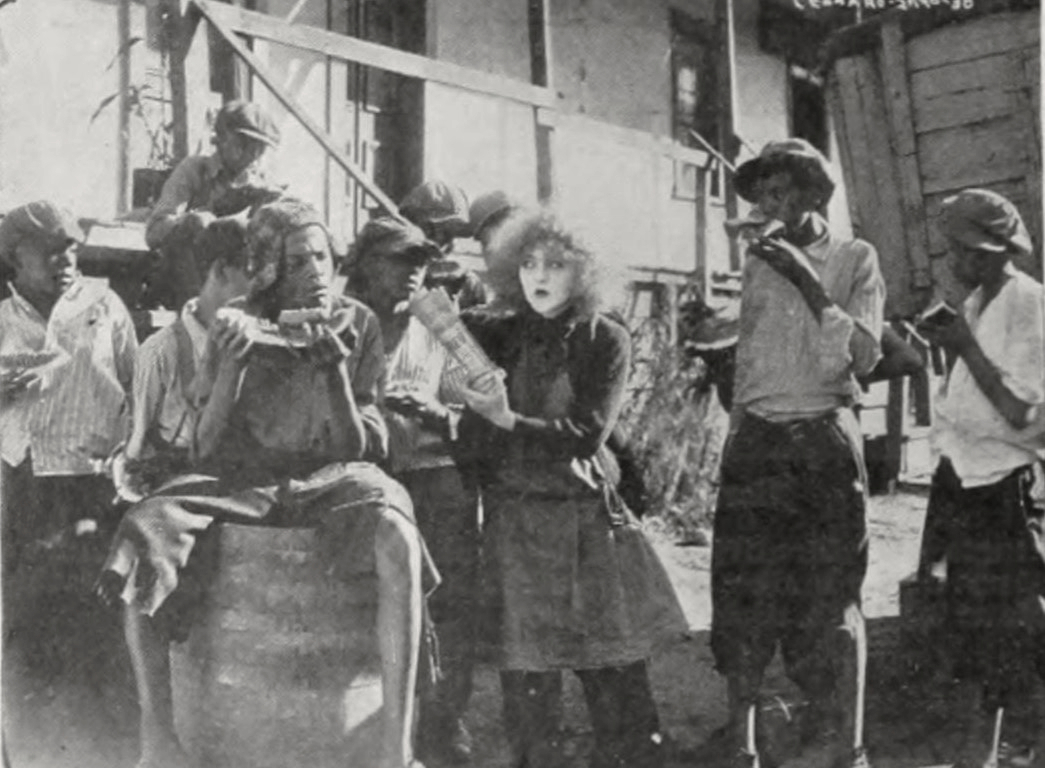
Co-writing the scenario with director Robert Z. Leonard and scenarist Fred Myton, Murray allegedly based Joan’s arc on an amalgam of news clippings and her own memories of hoofing it in fifth-rate cabarets before fame arrived. The result is a performance that trembles with meta-anxiety: every time Joan studies her reflection, Murray seems to be asking whether her own celebrity—built on a face the camera adored—could likewise be repossessed. The film never answers; it simply lets the question fester like a bruise beneath powder.
Cinephiles whisper of an alternate ending—shelved by the censors—in which Joan, paroled and walking into the dawn, sees Louie across the street, now arm-in-arm with a younger mark. The implication: predation is a renewable resource. No print has surfaced, but the rumor itself feels like the film’s final flourish, a ghost reel that completes the morality loop.
Place it beside Dorian’s Divorce, where marital discord is scrubbed clean with last-act reconciliation, and you see how bravely Face Value refuses absolution. Set it against The Sowers, where rural virtue triumphs over urban rot, and the picture’s urban cynicism feels almost punk. Even Her Double Life, another woman-on-the-run narrative, ultimately cushions its heroine in the velvet of romantic love; Joan’s cushion is a prison cot.
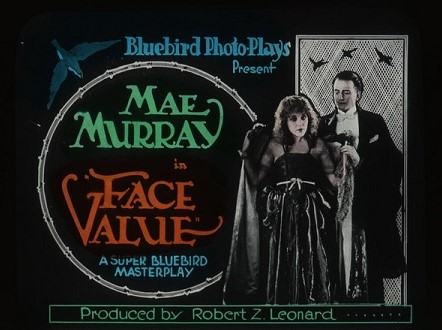
Curiously, the film shares DNA with The Pursuit of the Phantom: both chase illusions, both end with the protagonist clutching a substitute for freedom—one a detective’s badge, the other a reformatory uniform. The difference is tonal: Phantom thrills; Face indicts.
Leonard, a former actor who understood the vulgate of the lens, shoots Joan’s body in fragments: a wrist encircled by a cheap bracelet, an ankle vanishing into a scuffed shoe. These synecdoches foreshadow the judicial shredding of her identity. The color palette—what survives of the tinting—leans toward bile green during larceny scenes, then drains to slate gray in prison, as though the world itself were a bruise transitioning through hues of hurt.
Original exhibitors cued live musicians to weave a foxtrot into Joan’s first theft, then shift to a dirge for the haircut. Contemporary restorations, bereft of cue sheets, often resort to repetitive honky-tonk, inadvertently turning despair into vaudeville. Seek out the rare screening with a compiled score—cello, muted trumpet, a single snare brushed like distant rain—and the film regains its heartbeat.
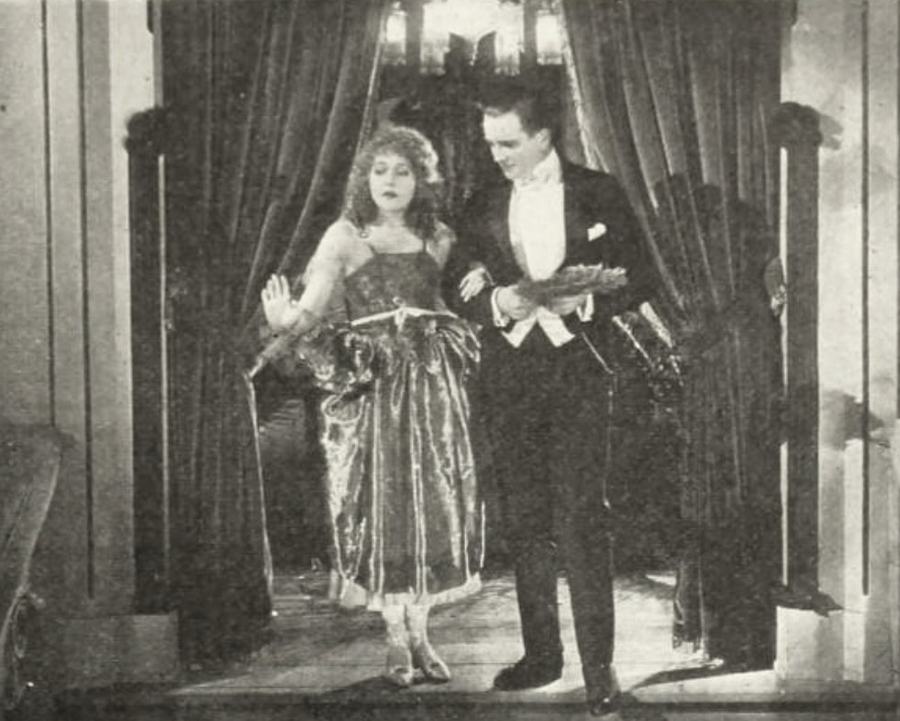
A century on, the gendered math of the plot—woman leaves home, woman punished—reads like yesterday’s Twitter outrage. Yet the film’s refusal to redeem Louie, its insistence that predation is systemic rather than anecdotal, feels eerily contemporary. When Joan, in the final shot, turns her back to the camera and walks into a corridor that swallows her silhouette, we are not invited to hope. We are invited to witness erasure, to count the cost of a society that prices faces but bankrupts souls.
No complete 35 mm negative is known to survive; what circulates among collectors is a 9.5 mm Pathescope abridgment, French intertitles, Norwegian flash cards, and a bootleg digitization with Russian subtitles that translate Joan’s name as “Sorrow-ling.” Each iteration is a palimpsest, a scar tissue of translations, a reminder that films about commodified women often end up commodified themselves.
Face Value is neither a masterpiece nor a curio; it is a cracked mirror held up to an era that believed mirrors could be legislated. It survives in shards, but those shards still draw blood. Watch it—if you can find it—not for the plot, which preaches, but for the tremor in Murray’s lower lip, which testifies. In that tremor lies the unsettling truth that value, whether stamped on currency or faces, is a contract that can be revoked overnight, leaving the bearer to foot the bill with the only collateral she has left: her skin, her name, her silhouette vanishing down a corridor that has no final door.
IMDb 6
1933
Community
Log in to comment.