DbcultAccessing Vault...
Cult Review
Senior Film Conservator
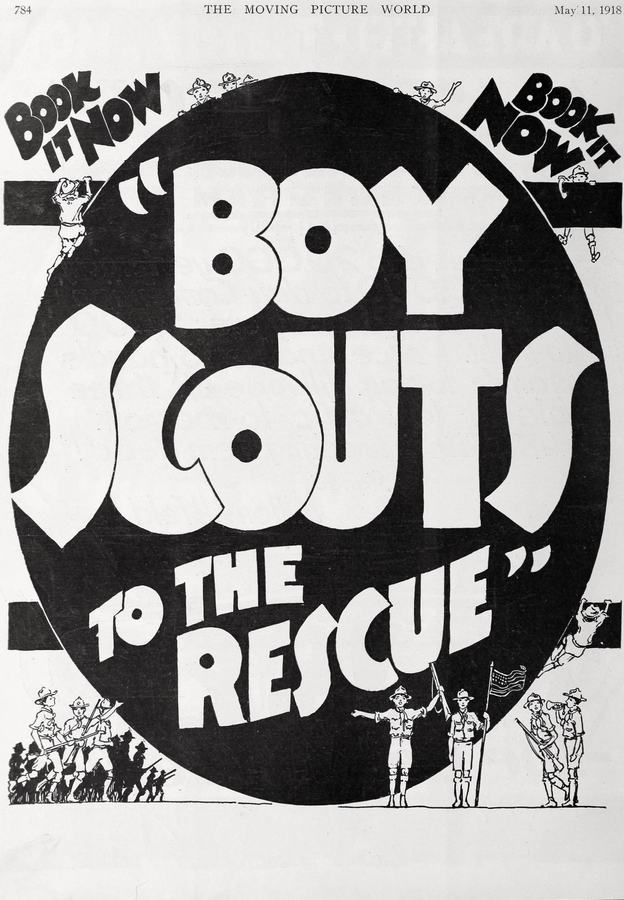
Stepping back into the cinematic annals of 1918, one encounters a fascinating cultural artifact, "Boy Scouts to the Rescue". This silent film, more than a mere adventure, serves as a poignant mirror reflecting the anxieties, aspirations, and social stratifications of a nation embroiled in the Great War. It's a testament to the nascent power of cinema not just as entertainment, but as a tool for propaganda, moral instruction, and community building, particularly when the very founder of the Boy Scout movement, Robert Baden-Powell himself, graces the screen. Such an appearance imbues the film with an almost documentary-like gravitas, blurring the lines between fiction and a fervent appeal to patriotic duty.
The narrative, penned by Bannister Merwin, is deceptively simple yet resonates with profound thematic undertones. At its core lies the compelling juxtaposition of two young boys, one the progeny of a distinguished squire, the other, a miner's son, whose lives are initially separated by the rigid societal strata of early 20th-century Britain. This class divide, often a chasm in the social landscape, is elegantly bridged by their shared enrollment in the Boy Scouts. The movement, still in its formative years, offered a unique platform for boys from all walks of life to unite under a common banner of discipline, camaraderie, and service. This initial premise subtly champions the egalitarian ideals of scouting, demonstrating its capacity to transcend inherited status and foster a collective identity based on merit and shared values.
As their scout training progresses, honing their observational skills and fostering a keen sense of civic responsibility, the boys stumble upon a plot of national significance. A shadowy figure, described as a 'gypsy spy' – a portrayal that undoubtedly reflects the xenophobic undercurrents prevalent during wartime – is orchestrating the illicit supply of petrol to German U-boats. The very mention of U-boats evokes the chilling reality of submarine warfare, a terrifying new dimension to conflict that brought the war's horrors directly to Britain's shores, menacing its vital shipping lanes and coastal communities. The stakes, therefore, are immediately and palpably high; the boys are not merely preventing a minor infraction but are actively thwarting a direct threat to national security and the lives of countless sailors and civilians.
The film then transforms into a tense, albeit silent, thriller. The boys, portrayed with earnest conviction by actors like Alan Selby, become unlikely sleuths, their youthful exuberance tempered by a growing awareness of the gravity of their discovery. Their journey from innocent scouts to crucial wartime assets is a narrative arc that speaks volumes about the era's belief in the inherent goodness and capability of its youth. They employ their newly acquired scouting skills – tracking, observation, discretion – to gather evidence, navigate treacherous landscapes, and ultimately, expose the spy's nefarious activities. The climax, undoubtedly a series of dramatic intertitles and heightened performances, would have been designed to ignite a powerful sense of patriotic pride and underscore the message that even the youngest citizens could contribute meaningfully to the war effort.
For contemporary audiences, dissecting a silent film like "Boy Scouts to the Rescue" requires a shift in perspective. The acting, often characterized by broader gestures and more overt facial expressions, was a necessity in an era devoid of spoken dialogue. Alan Selby, as one of the young protagonists, would have conveyed courage and determination through his physicality, his wide-eyed resolve palpable even across the decades. The supporting cast, including Madge Tree, Booth Conway, Edward Dryhurst, Derek Boddey, Charles Vane, Eric Stuart, and Edward O'Neill, would have contributed to the film's dramatic texture, each embodying their roles with a theatricality that was the hallmark of early cinema. The challenge for these performers was immense: to articulate complex emotions and drive the plot forward solely through visual means, relying on pantomime and the carefully crafted intertitles to bridge any narrative gaps. Their work, though perhaps appearing melodramatic by today's standards, was sophisticated for its time, requiring immense skill in conveying nuance without words.
Directorially, Bannister Merwin would have faced the task of maintaining pacing and clarity, crucial elements in silent film where the audience's attention could easily wane without the anchor of dialogue. The cinematography, while rudimentary compared to later advancements, would have focused on clear compositions, establishing shots, and close-ups to emphasize key emotional moments or reveal important plot details. The use of location, particularly if actual outdoor settings were employed, would have added a layer of realism to the boys' adventures, contrasting with the often stage-bound productions of the period. This commitment to depicting a tangible world, even amidst the fantastical elements of espionage, would have further grounded the film in the audience's contemporary reality.
Beyond its thrilling plot, "Boy Scouts to the Rescue" delves into several compelling themes. Patriotism, naturally, is paramount. The film unequivocally champions the cause of the Allied forces and demonizes the enemy, a common trope in wartime cinema. However, it’s the manner in which this patriotism is expressed – through the proactive heroism of youth – that gives it a unique resonance. It suggests that national service isn't exclusively the domain of soldiers on the front lines, but a duty that extends to every citizen, regardless of age or social standing. This message would have been particularly potent for an audience grappling with the immense sacrifices demanded by the war.
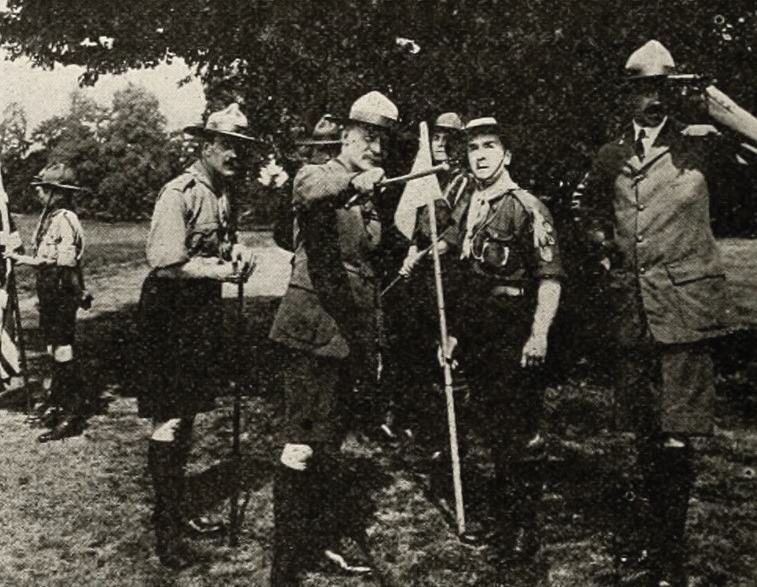
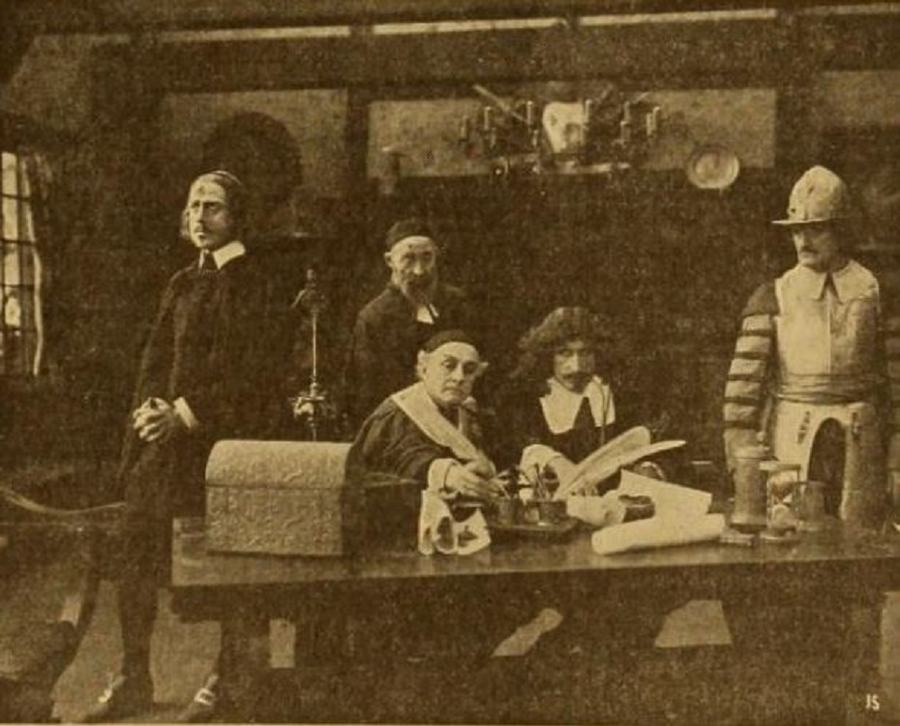
The film's exploration of class dynamics is also noteworthy. The initial disparity between the squire's son and the miner's son, and their subsequent unity within the Scouts, subtly promotes a vision of national cohesion. In a time of crisis, old divisions needed to be set aside for the greater good. This theme of social harmony, achieved through shared purpose and mutual respect, offers a glimpse into the aspirational ideals of the era, even if the realities were often far more complex. One might draw a parallel to films that explore social divisions and the struggle for justice, even if in a different context, such as The Pillory, which often grappled with the consequences of societal judgment and class disparity, albeit through a more dramatic lens. Here, the resolution is found in unity rather than conflict, driven by a common external threat.
Moreover, the film champions youthful agency. These are not passive children awaiting adult intervention; they are active participants in their nation's defense. This portrayal would have been empowering for young viewers, instilling in them a sense of responsibility and capability. It's a powerful narrative, still relevant today, about the potential for young people to effect significant change when given the opportunity and the tools. In a way, it echoes the spirit of adventure and youthful determination seen in serials like Zudora or Beatrice Fairfax Episode 8: At the Ainsley Ball, where young protagonists often found themselves embroiled in mysteries and dangerous situations, rising to the challenge with ingenuity and courage.
Perhaps the most compelling aspect of "Boy Scouts to the Rescue" is the actual appearance of Robert Baden-Powell. His cameo elevates the film beyond mere fiction, lending it an air of authenticity and official endorsement. For the scouting movement, then barely a decade old, this was an unparalleled opportunity for outreach and legitimization. Baden-Powell's presence would have been a direct appeal to potential recruits and their parents, reinforcing the values of the Scouts and showcasing its tangible benefits – in this case, the ability to thwart enemy spies! It's a fascinating example of early celebrity endorsement, predating modern marketing by decades, and underscores the profound cultural impact Baden-Powell had achieved in such a short time.
His appearance also serves a didactic purpose. It's not just entertainment; it's an instructional film, demonstrating the practical applications of scouting skills. Imagine young boys in the audience, watching their hero on screen, then seeing other boys apply those very skills to save the nation. The message would have been clear: join the Scouts, and you too can be a hero. This blend of entertainment and educational messaging was a hallmark of many films from this period, particularly those aimed at younger audiences or designed to promote specific social causes.
While "Boy Scouts to the Rescue" may not endure in the popular consciousness alongside more celebrated silent classics, its historical significance is undeniable. It offers invaluable insights into the cultural landscape of WWI Britain, revealing how societal institutions like the Boy Scouts were mobilized to support the war effort and instill patriotism in the younger generation. It reminds us that cinema, even in its infancy, was a powerful medium for shaping public opinion and reinforcing national identity.
The film also prompts reflection on the portrayal of 'the other' during wartime. The 'gypsy spy' character, though a product of its time, highlights the unfortunate tendency to demonize minority groups in times of conflict. While we can appreciate the film's historical context, it also serves as a reminder of the need for critical engagement with historical narratives and their inherent biases. This aspect could be subtly compared to how various 'others' were depicted in other films of the era, though direct comparisons might be challenging without specific plot details for each. However, the trope of the mysterious, often foreign, antagonist was common, a narrative device to externalize threats.
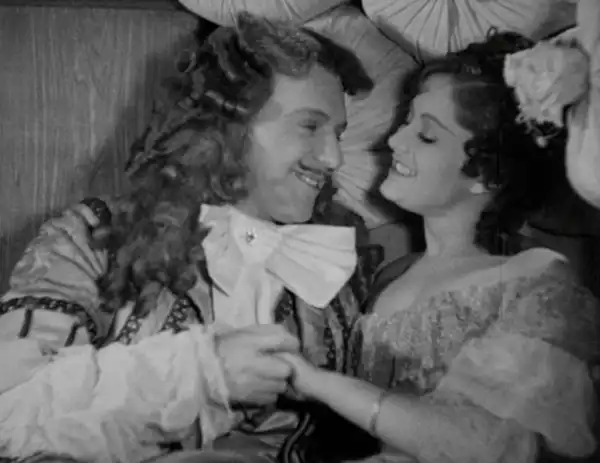
In terms of cinematic lineage, "Boy Scouts to the Rescue" sits comfortably within the tradition of adventure films that celebrate courage and resourcefulness. Its spirit of daring and overcoming seemingly insurmountable odds connects it to grander adventure narratives, such as the swashbuckling heroics found in films like I tre moschettieri (The Three Musketeers), where protagonists embark on perilous journeys for honor and justice. While the scale and setting differ dramatically, the underlying theme of ordinary individuals rising to extraordinary challenges is a powerful common thread. The film's emphasis on ingenuity and teamwork also foreshadows countless youth-oriented adventure stories that would follow in subsequent decades, cementing the idea that young people are not just the future, but active agents in the present.
Ultimately, "Boy Scouts to the Rescue" is more than just a historical curiosity. It is a vibrant snapshot of a pivotal moment in history, offering a compelling blend of propaganda, adventure, and social commentary. It illuminates the power of a burgeoning movement, the anxieties of a nation at war, and the enduring belief in the heroism of youth. For cinephiles and historians alike, it remains a valuable document, inviting us to ponder the myriad ways in which early cinema shaped, and was shaped by, the world around it, all while delivering a spirited call to duty that resonated deeply with its original audience.
IMDb 6.5
1933
Community
Log in to comment.