DbcultAccessing Vault...
5.2/10
Senior Film Conservator
A definitive 5.2/10 rating for a film that redefined the boundaries of cult cinema. Madame Sans-Gêne remains a cornerstone of transgressive art.
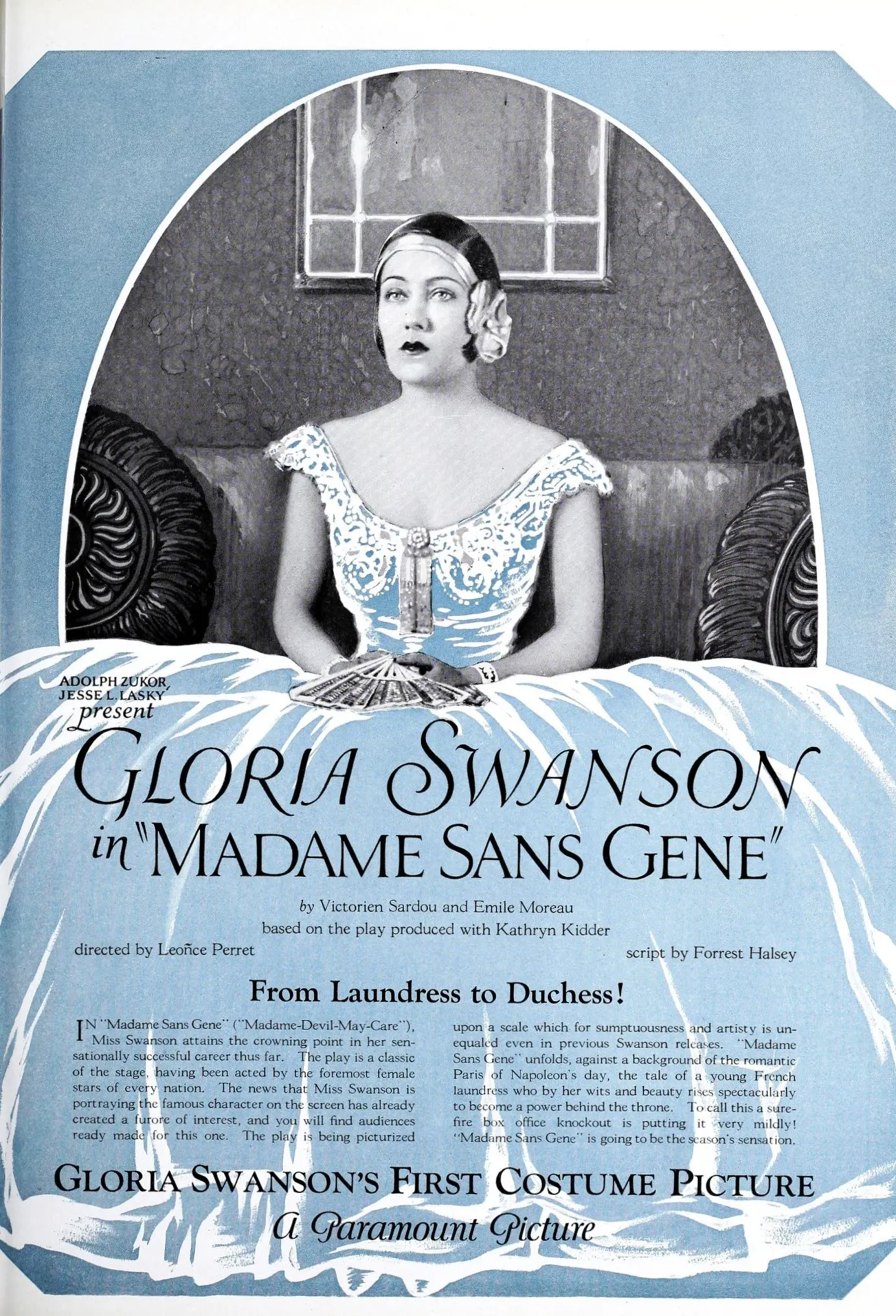
In the rarefied realm of cinematic portrayals of historical figures, Madame Sans-Gêne stands out as a delightful anomaly, a film that effortlessly oscillates between winking humor and genuine pathos. This biographical drama, based on the life of a washerwoman-turned-duchess, has been sensitively adapted by writers Forrest Halsey, Victorien Sardou, and Émile Moreau, yielding a narrative that is at once wryly observant and warmly human.
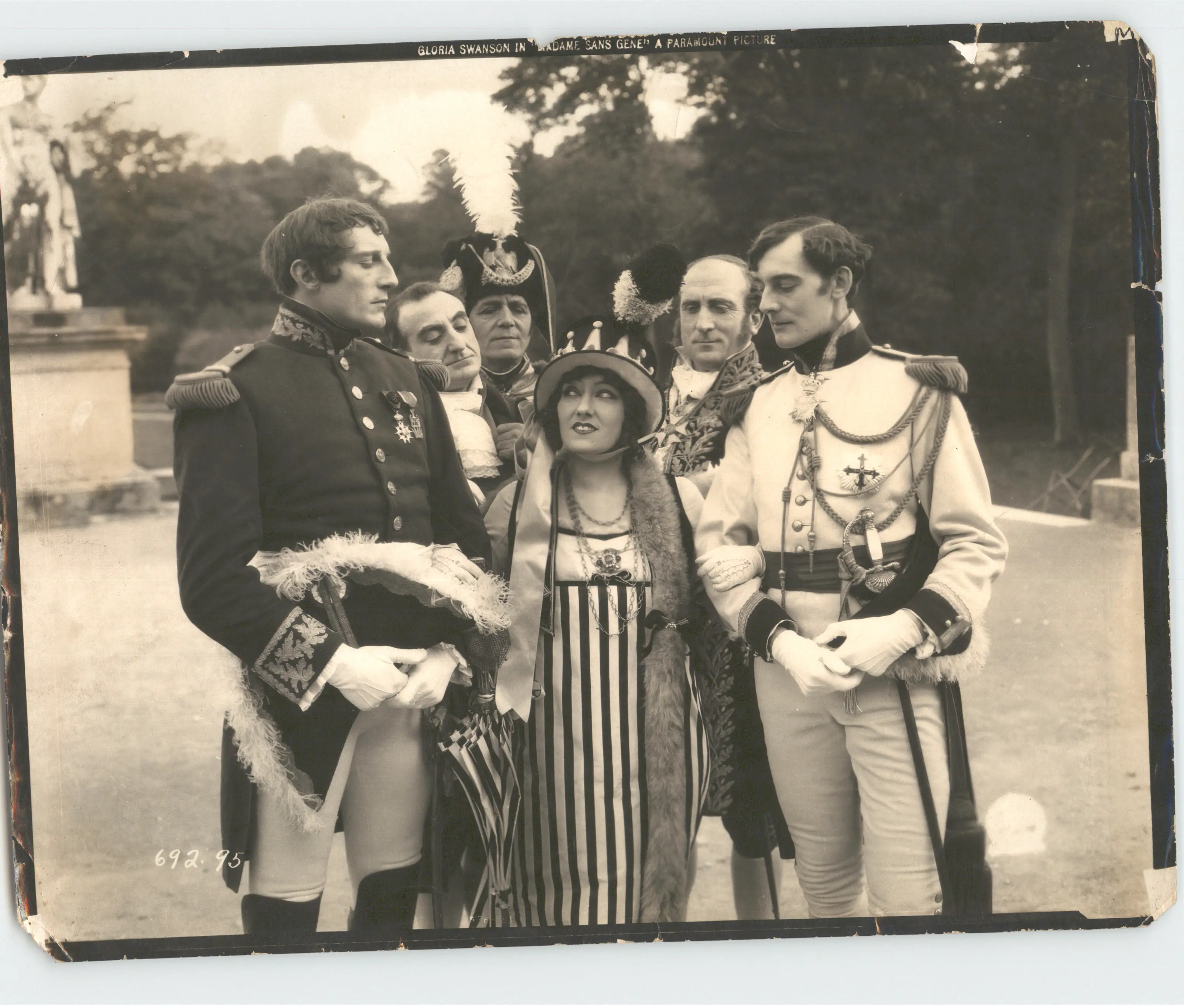
The eponymous heroine, played by the enchanting Suzanne Bianchetti, is a tours de force of spirited energy and quick wit. Her portrayal of Madame Sans-Gêne, a woman who defies the conventions of her station, is at once authentic and infectious, imbuing the film with a kinetic energy that is impossible to resist. As she navigates the treacherous waters of court life, her unlikely friendship with Napoleon Bonaparte, played by Émile Drain, serves as a winking commentary on the human condition, replete with clever bon mots and winking asides.

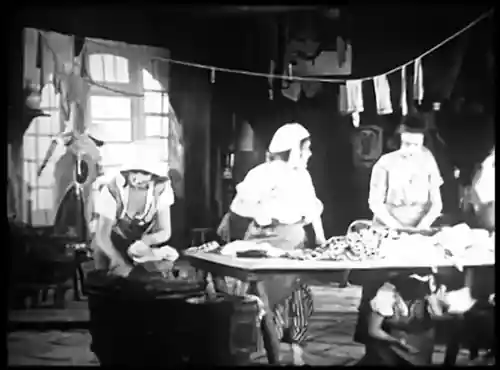
One of the most striking aspects of Madame Sans-Gêne is its wry sendup of the bourgeoisie, laying bare the social hierarchies of post-Revolutionary France with a deft, surgical precision. The film's unsparing gaze on the mores and manners of the aristocracy is alternately hilarious and poignant, yielding a nuanced portrayal of a bygone era that is at once intimately familiar and distant.
In terms of cinematic antecedents, Madame Sans-Gêne bears some superficial resemblances to Aura o las violetas, a melancholic melodrama that also explores the tensions between social class and personal desire. However, whereas Aura o las violetas tends towards lugubriousness, Madame Sans-Gêne is remarkably buoyant, its winking humor and warm humanity yielding a largely irresistible cinematic experience.
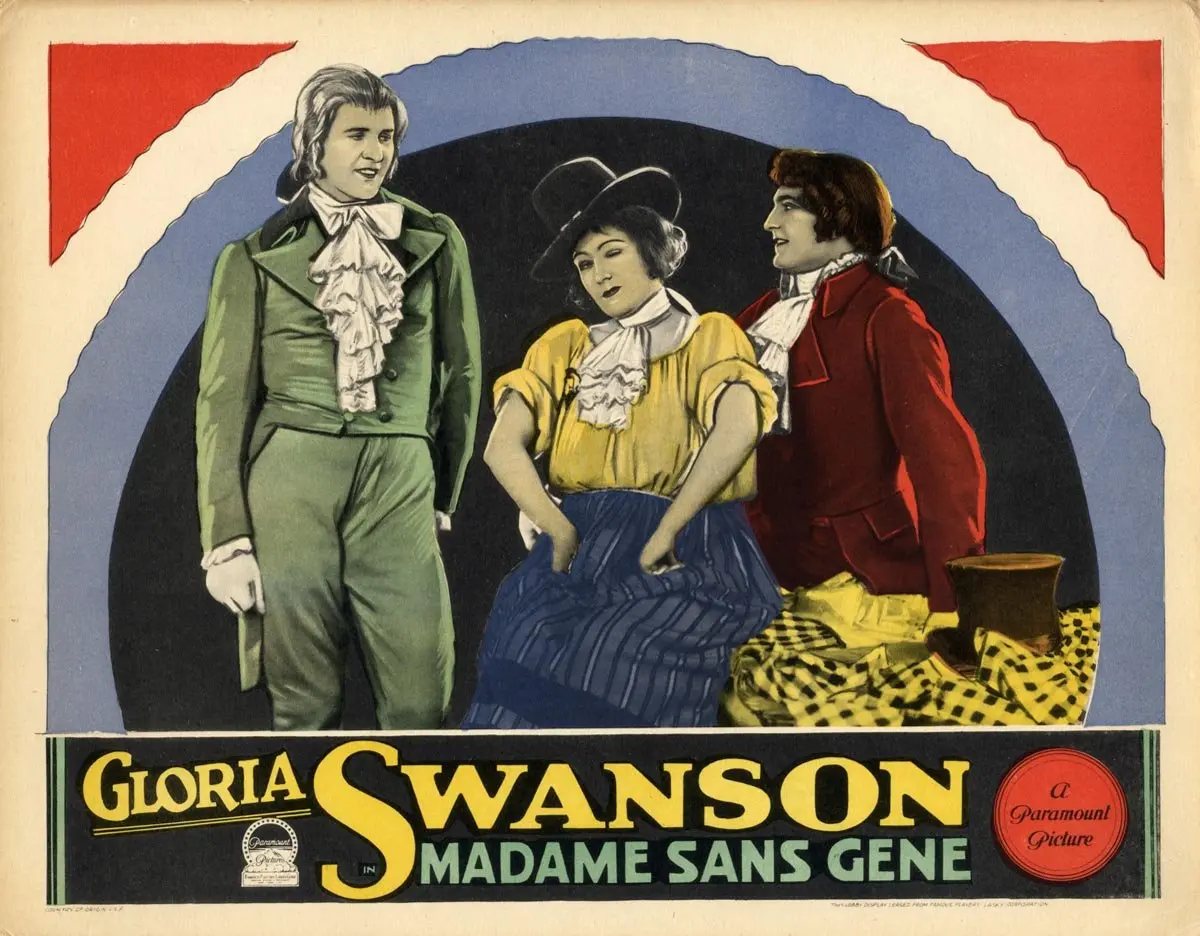
By way of contrast, The Kiss and You Find It Everywhere are somewhat more earnest in their portrayals of romantic love and social commentary. While both films are competent in their own right, they lack the sparkle and élan that makes Madame Sans-Gêne such a delight. Similarly, Der König ihres Herzens and A Man's Making are somewhat more somber in tone, their explorations of social class and personal identity yielding remarkably different cinematic experiences.
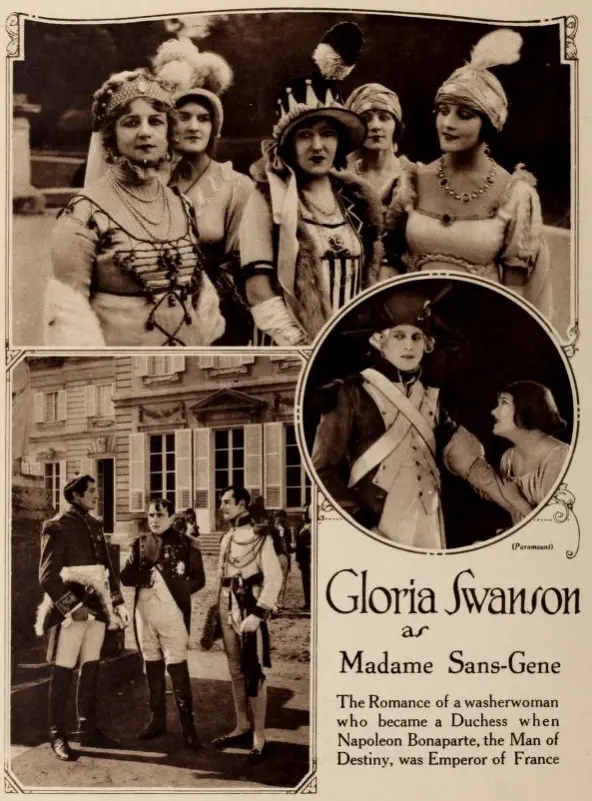
In conclusion, Madame Sans-Gêne is a cinephile's delight, a witty, wise, and wonderful biographical drama that deserves to be seen by fans of period dramas and witty repartee alike. Its buoyant energy, infectious humor, and warm humanity make it a largely irresistible cinematic experience, one that is unlikely to be forgotten anytime soon.
In short, if you're in the mood for a film that's full of life, full of wit, and full of joie de vivre, then Madame Sans-Gêne is the film for you. Don't miss out on this delightful anomaly – seek it out and be prepared to be charmed!
On with the Show, Alsace, The Song of Songs, The Counterfeit Trail, Riders of the Law, The Jack Rider, Forsaking All Others, Shuffle the Queens, Barnaby's Grudge, and The Great Day are additional films that share some similarities with Madame Sans-Gêne in terms of their thematic concerns and cinematic tone.
IMDb 5.2
1926
Community
Log in to comment.