DbcultAccessing Vault...
6.4/10
Senior Film Conservator
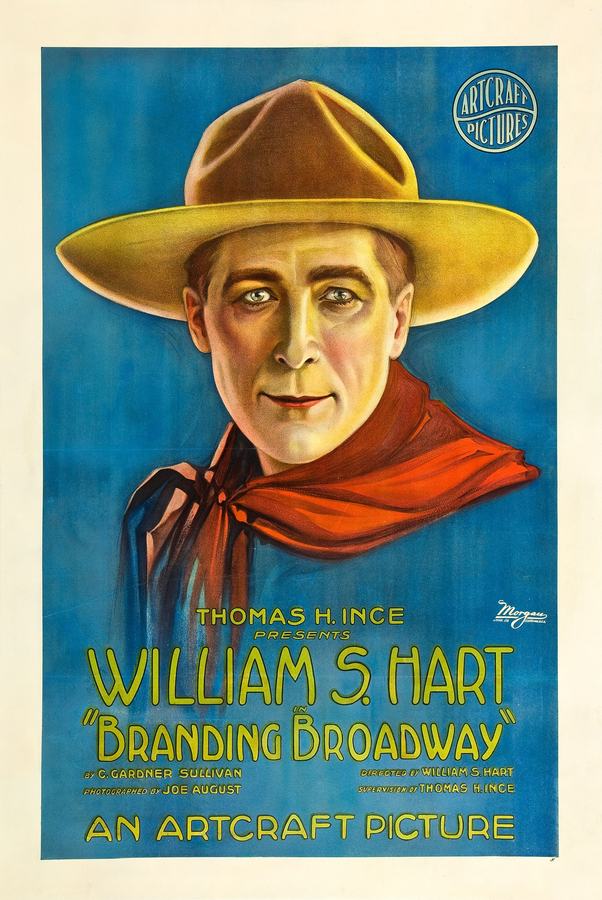
A definitive 6.4/10 rating for a film that redefined the boundaries of cult cinema. Branding Broadway remains a cornerstone of transgressive art.
The flickering shadows of early cinema often presented narratives steeped in the rugged individualism of the American West, but rarely with the delightful cultural dissonance witnessed in 1918's Branding Broadway. This film, a fascinating departure for its iconic star, William S. Hart, catapults the archetypal cowboy from the dusty, sun-baked plains of Arizona into the bustling, bewildering heart of New York City. It's a journey not merely geographical, but existential, charting the transformation of a spirited outlaw into an unlikely guardian and, ultimately, a romantic lead whose rustic charm proves irresistible against the backdrop of urban sophistication. The narrative is a masterclass in the 'fish-out-of-water' trope, executed with a sincerity and underlying wit that elevates it beyond a mere comedic premise. Hart, known for his stoic, morally complex Western heroes, here navigates a landscape entirely alien to his usual domain, offering audiences a refreshing perspective on his enduring persona.
William S. Hart's portrayal of Robert 'Bob' Sands is a testament to his unique screen presence. In a career largely defined by his solemn, often melancholic portrayals of Western lawmen and reformed outlaws, Branding Broadway allows Hart to infuse his character with a surprising vein of rebellious joy. Bob Sands is introduced as a man of action, leading his compatriots in a joyous, if destructive, protest against the imposed sobriety of an Arizona town. This initial burst of untamed energy sets the stage for his subsequent exile. Hart's ability to convey both raw, frontier spirit and a burgeoning capacity for tenderness is crucial. His stoicism, usually a hallmark of his Western characters, here takes on a new dimension, allowing for moments of bewildered humor as he grapples with the unfamiliar customs of the East. Unlike the relentless pursuit of justice seen in films like The Avenging Trail, where Hart's character is driven by a singular purpose, Bob Sands' journey is one of accidental discovery and unexpected personal growth. His inherent goodness, often masked by a rough exterior, shines through as he adapts to his new role as guardian, demonstrating that the heart of a cowboy can beat just as strongly, and perhaps more authentically, in the concrete canyons of New York.
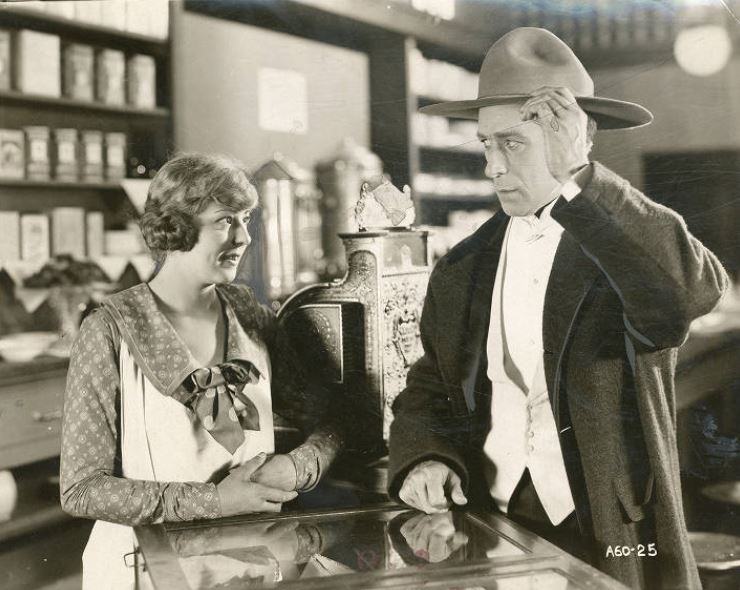
The central conceit of Branding Broadway lies in its vivid juxtaposition of two vastly different American landscapes and their respective cultural codes. The arid, unyielding expanse of the West, where personal liberty often trumped codified law, stands in stark contrast to the rigid social hierarchies and burgeoning modernity of New York City. Bob's forced migration isn't just a plot device; it's a thematic exploration of identity in flux. His initial bewilderment at the sheer scale and pace of urban life provides both comedic relief and genuine insight into the sensory overload of early 20th-century metropolitan existence. The film subtly critiques the hypocrisy of 'Law-and-Order' that can summarily dispatch an individual across the continent for a minor infraction, while simultaneously presenting the allure and opportunities of the East. This cultural collision is handled with a nuanced hand by writer C. Gardner Sullivan, who avoids overt caricature, instead allowing the inherent differences to drive the narrative and character development. The visual storytelling, characteristic of the silent era, relies heavily on establishing shots and character reactions to convey the grandeur of New York and the rustic simplicity of Arizona, making the transition feel truly monumental for Bob.
Bob's unexpected role as guardian to Larry Harrington, the millionaire's son, forms the narrative's intriguing middle act. This development is pivotal, showcasing Bob's innate integrity and his capacity for responsibility, despite his earlier 'rowdy' reputation. Larry, a character defined by his youthful impulsiveness and privileged detachment, serves as a perfect foil to Bob's grounded pragmatism. The dynamic between the two, initially strained by their vastly different upbringings, gradually evolves into one of mutual respect. Bob, despite his lack of formal education or urban polish, possesses a moral compass honed by the directness of the frontier. He sees through Larry's superficiality, offering guidance that is both blunt and genuinely caring. This mentorship role allows Hart to expand his dramatic range, portraying a character who is not merely a hero of action but also a figure of quiet wisdom. It's a subtle but effective way to illustrate that true character isn't defined by one's origin or social standing, but by one's actions and principles. This theme of an unexpected protector finding purpose in a new environment echoes, in a very different context, the struggles and growth seen in films like Unconquered, where characters adapt to unforeseen challenges with resilience.
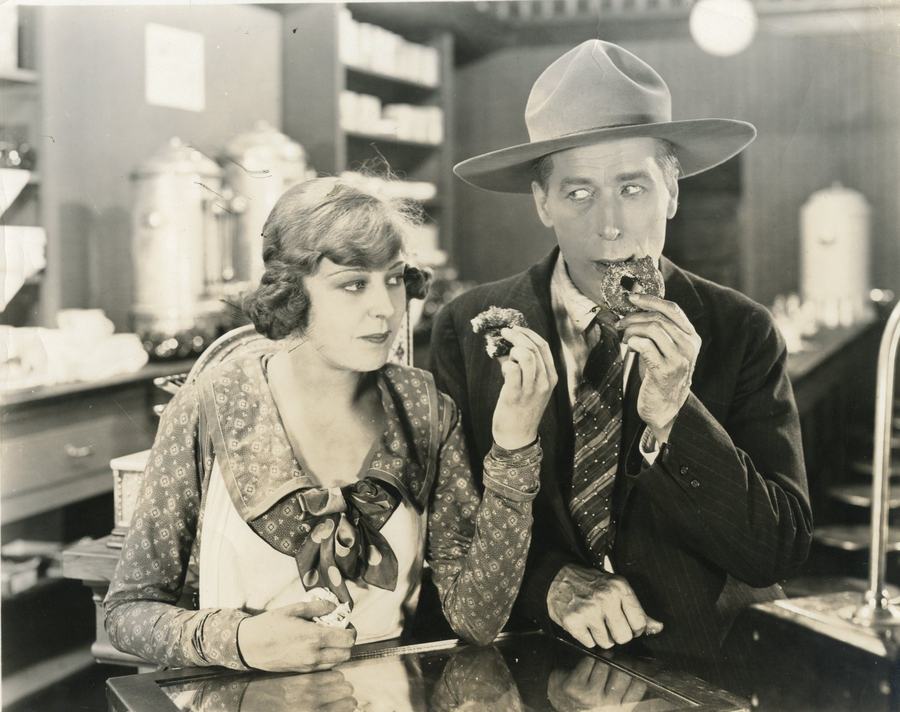
The romantic core of Branding Broadway is its most compelling element. Larry's clandestine affection for Mary Lee, a working-class waitress, sets in motion a classic love triangle, complicated by the intervention of Harrington, Sr., who naturally disapproves of the match. However, it is Bob's unwitting role as messenger that ignites a deeper, more authentic connection between himself and Mary. Seena Owen, as Mary Lee, delivers a performance imbued with quiet strength and discerning intelligence. Her character is not merely a prize to be won but an active participant in her own destiny, capable of distinguishing between superficial charm and genuine affection. The forbidden nature of Larry's love, juxtaposed with the organic chemistry developing between Bob and Mary, creates a powerful emotional tension. Mary's ultimate decision to choose Bob over Larry is a resounding affirmation of character over wealth, authenticity over artifice. It's a choice that speaks volumes about the film's thematic leanings, suggesting that the values of the frontier – honesty, directness, and genuine feeling – ultimately triumph over the perceived advantages of metropolitan prestige. This kind of romantic entanglement, where societal expectations clash with personal desires, is a timeless cinematic trope, explored with varying degrees of success in films such as Sunday, though Branding Broadway imbues it with a distinctly American flavor of frontier idealism.
The screenplay by C. Gardner Sullivan is a marvel of concise yet evocative storytelling, a hallmark of many successful silent films. Sullivan, a prolific writer of the era, masterfully orchestrates Bob's journey, ensuring that each plot point, from the initial exile to the burgeoning romance, feels both organic and dramatically compelling. The pacing is deliberate, allowing for character development to unfold naturally, rather than relying on rapid-fire action sequences. The narrative's strength lies in its ability to introduce a seemingly straightforward premise – cowboy in the city – and then layer it with emotional complexity and moral dilemmas. The forbidden love, the clash of social classes, and the protagonist's personal evolution are all skillfully interwoven, creating a rich tapestry of human experience. Sullivan understood the power of visual storytelling in the silent medium, crafting scenes that allowed actors like Hart and Owen to convey profound emotions without dialogue. The precision of the plot's architecture, ensuring that every character and event contributes to the central themes, showcases a narrative maturity that stands the test of time, perhaps even more so than the more melodramatic structures found in some contemporary works like The Stolen Play, which often relied on more overt dramatic twists.
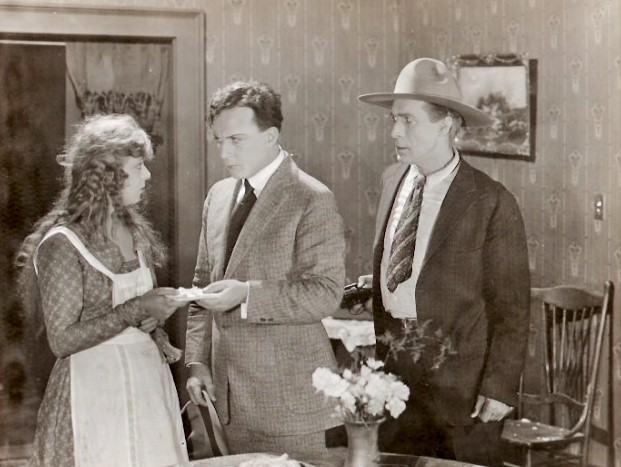
The cinematography and art direction of Branding Broadway are crucial in establishing the contrasting worlds Bob inhabits. The early scenes in Arizona likely depict broad vistas and rugged, natural settings, employing wide shots to emphasize the freedom and untamed nature of the West. Upon Bob's arrival in New York, the visual language shifts dramatically. The camera would have captured the towering architecture, the bustling street scenes, and the intricate details of urban interiors, using closer shots to convey the claustrophobia and frenetic energy of city life. The costume design further reinforces these distinctions: Bob's cowboy attire stands out starkly against the tailored suits and fashionable dresses of New York society. This visual dichotomy is not merely decorative; it serves to underscore Bob's alienation and subsequent adaptation. The film's ability to transport the audience convincingly between these two distinct environments, using the nascent techniques of silent cinema, speaks volumes about the ingenuity of early filmmakers. The sets, whether a dusty Western saloon or a lavish New York mansion, would have been meticulously crafted to immerse the viewer in the narrative, creating a sense of place that was vital for the story's success. This attention to environmental detail and its impact on character is a subtle yet powerful aspect of the film's enduring appeal.
At its heart, Branding Broadway is a profound exploration of authenticity and self-discovery. Bob Sands, initially defined by his environment and his rebellious spirit, undergoes a subtle yet significant transformation. He doesn't lose his cowboy essence, but rather refines it, proving that the values of the frontier – honesty, courage, and a strong moral code – are universally applicable. The film challenges the notion that sophistication equates to superiority, demonstrating that genuine character can emerge from the most unexpected places. Mary Lee's choice is central to this theme; her preference for the 'cowboy' over the 'millionaire' is a powerful statement about valuing intrinsic worth over external trappings. The ultimate return to the West for Bob and Mary is not a retreat but a triumphant affirmation of their shared values and a rejection of the superficiality they encountered. It's a testament to the idea that true happiness and fulfillment are found not in conforming to societal expectations, but in embracing one's true self and choosing a partner who recognizes that authenticity. This resonates with broader themes of individual freedom and the pursuit of a life true to oneself, a recurring motif in cinematic history, albeit presented here with a charmingly distinct early 20th-century American lens. This pursuit of personal truth and the breaking of societal chains, though less overtly dramatic, aligns with the spirit of rebellion found in narratives like The Story of the Kelly Gang, where characters defy established norms for their own version of justice or happiness.
Branding Broadway, while perhaps not as widely celebrated as some of Hart's more definitive Westerns, holds a unique and valuable place in silent film history. It showcases the versatility of a legendary actor, the narrative dexterity of a talented writer, and the innovative visual storytelling of an era that was still defining its artistic language. The film’s blend of adventure, romance, and cultural commentary offers a delightful snapshot of American identity at a pivotal moment. Its enduring charm lies in its simple yet profound message: that genuine character and true love can transcend geographical boundaries and societal conventions. For modern audiences, it serves as a fascinating window into early cinematic techniques and thematic concerns, reminding us that the core human experiences of longing, belonging, and self-discovery have always been at the heart of compelling storytelling. The film's gentle humor, heartfelt romance, and the sheer charisma of William S. Hart ensure that Branding Broadway remains a captivating and thoroughly enjoyable piece of cinematic heritage, a quiet triumph that continues to resonate with its timeless narrative of a cowboy's heart finding its true home, far from the madding crowd of Broadway and back under the expansive Western sky.

IMDb —
1920
Community
Log in to comment.