DbcultAccessing Vault...
6.3/10
Senior Film Conservator
A definitive 6.3/10 rating for a film that redefined the boundaries of cult cinema. The Coughing Horror remains a cornerstone of transgressive art.
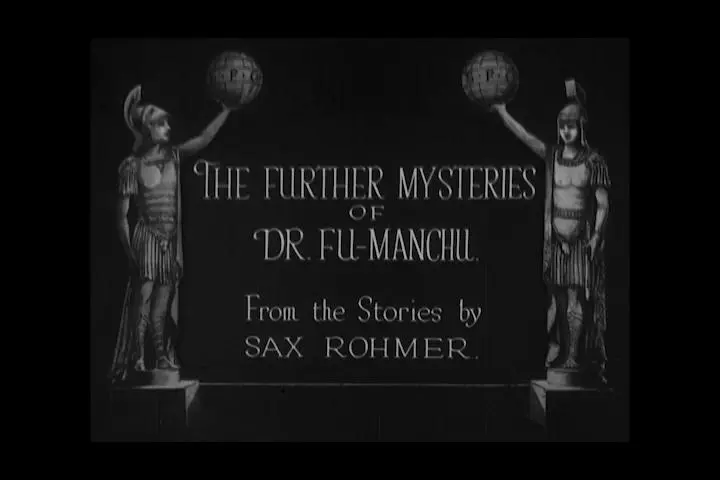
Set against the backdrop of early 20th-century London, The Coughing Horror (The Coughing Horror) emerges as a chilling and meticulously woven narrative, steeped in the atmosphere of espionage and supernatural terror. Directed with an eye for detail and suspense, this film is a testament to the golden age of cinema, where every frame and scene is imbued with a palpable sense of dread.
At the heart of the film is Nayland Smith, a British investigator commissioned by the government to uncover a series of gruesome murders. The murders, which begin with a series of inexplicable and seemingly random deaths, quickly escalate into a more organized and sinister operation. Smith is drawn into a labyrinthine world of deceit, where every clue leads him deeper into a web of intrigue and terror.
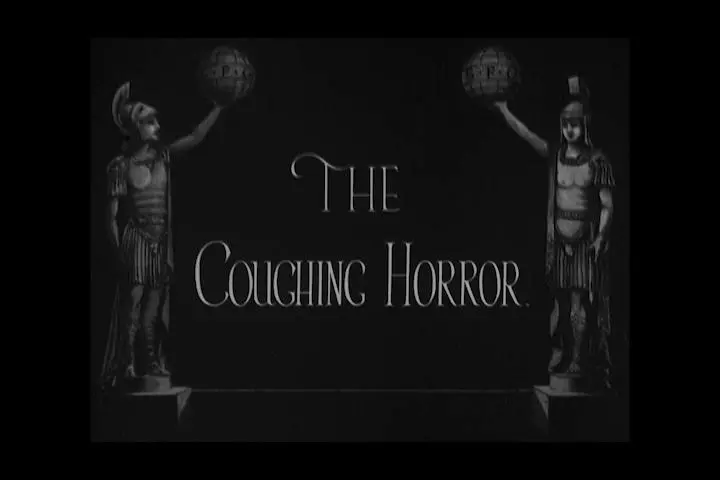
The 'Coughing Horror', Dr. Fu-Manchu's servant, is the central antagonist. This mysterious figure, whose name alone strikes fear, is the driving force behind the murders. Smith's mission is to expose this enigmatic figure and bring him to justice. The film is a masterclass in suspense, with each act building on the last, creating a sense of escalating tension that keeps the audience on the edge of their seats.
The cast, led by Johnny Butt as Nayland Smith, delivers a nuanced and compelling performance. Butt's portrayal captures the essence of a man driven by a sense of duty and a deep-seated fear. His interactions with the other characters, particularly the enigmatic Dr. Fu-Manchu, played by Fred Paul, add layers of complexity to the narrative. The supporting cast, including Dorinea Shirley and Humberston Wright, brings depth to the story, each actor contributing to the overall atmosphere of dread and suspense.
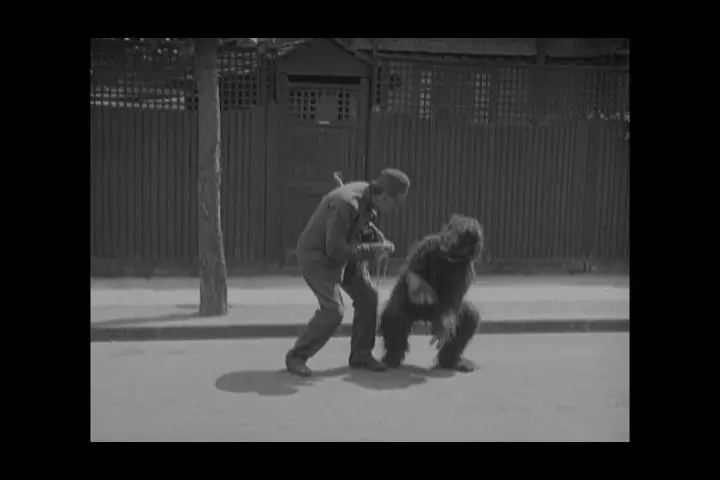
The film's visual aesthetics are a significant aspect of its appeal. The cinematography is striking, with a deliberate use of shadow and light to create a sense of unease. The sets, while not overly elaborate, are meticulously designed to reflect the gritty and tense atmosphere of the story. The film's use of sound, particularly the eerie and unsettling cough that gives the horror its name, is a standout feature, contributing to the overall sense of foreboding.
The Coughing Horror is not just a horror film; it is a work of art that explores themes of fear, justice, and the human psyche. The film's exploration of the psychological aspects of terror is particularly noteworthy. Smith's journey is not just one of physical investigation but also of psychological survival, as he grapples with the realization that the horror he faces is not just a physical threat but a manifestation of his own deepest fears.
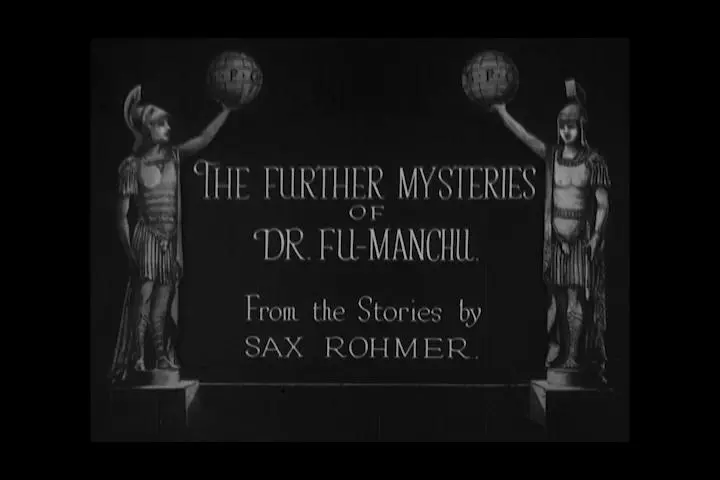
Comparatively, this film stands alongside classics such as Crime and Punishment and Not Guilty, both of which delve into the darker aspects of human nature. Unlike these films, however, The Coughing Horror brings a unique and chilling twist to the narrative, making it a standout in the genre. Its intricate plotting and the psychological depth of its characters make it a compelling watch for those interested in early 20th-century cinema.
The film's enduring appeal lies in its ability to create a sense of unease that lingers long after the final credits roll. The 'Coughing Horror' is not just a sound but a symbol of the terror that lurks in the shadows. Smith's journey is one of discovery and self-discovery, a reminder that the greatest horrors often lie within us.
In conclusion, The Coughing Horror is a remarkable piece of cinema that deserves a place in the pantheon of classic horror films. Its blend of suspense, psychological depth, and atmospheric tension makes it a must-watch for anyone interested in the genre. Whether you are a fan of early 20th-century cinema or simply a lover of thrilling and chilling narratives, this film offers a unique and unforgettable experience.
IMDb 6.2
1921
Community
Log in to comment.