DbcultAccessing Vault...
2.7/10
Senior Film Conservator
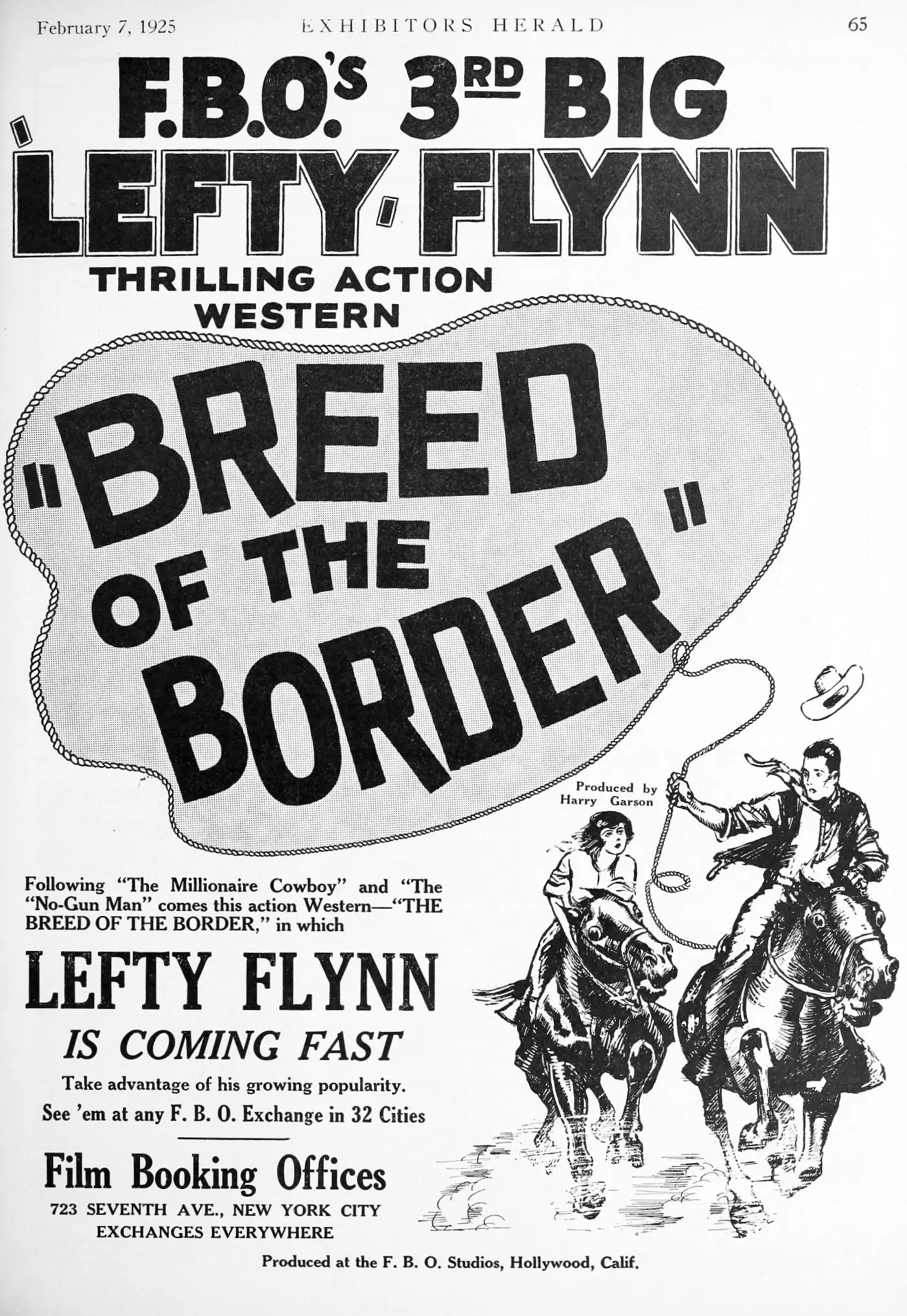
A definitive 2.7/10 rating for a film that redefined the boundaries of cult cinema. Breed of the Border remains a cornerstone of transgressive art.
Is Breed of the Border worth watching today? Short answer: yes, but with significant caveats that demand a particular kind of viewer. This silent-era western, a relic from 1924, is unequivocally for enthusiasts of early cinema, silent film historians, and dedicated western genre aficionados who possess a genuine patience for the conventions and limitations of its time.
It is emphatically not for those seeking modern action, intricate character studies, or a fast-paced narrative without the interpretive effort silent films often require. Approach it with an open mind and an appreciation for film history, and you might find a surprising amount to chew on.
This film works because of its unpretentious narrative drive, its clear-cut delineation of good versus evil, and the magnetic, albeit understated, presence of its lead, Milton Ross. The pacing, for a silent film, is remarkably consistent, propelling the audience through a series of classic western dilemmas with a certain frontier efficiency.
This film fails because of its reliance on simplistic tropes, its occasional lack of emotional depth in key characters, and a resolution that, while satisfying, feels a touch too convenient. The silent film medium, while powerful, sometimes struggles to convey nuance without the aid of intertitles that can feel overly expository.
You should watch it if you appreciate the foundational elements of the western genre, are curious about the evolution of cinematic storytelling, or simply enjoy the unique charm and historical significance of silent movies. It offers a window into a bygone era of filmmaking, warts and all.
At its core, Breed of the Border is a quintessential western fable, weaving a narrative of lawlessness, heroism, and budding romance against a rugged backdrop. The plot unfolds with a certain inevitability, a series of dominoes falling after the initial catalyst of a gold mine robbery. We’re introduced to Circus Lacey, a name that hints at a past perhaps more colorful than his stoic demeanor suggests. His arrival in Esmeralda isn't merely coincidental; it's the classic drifter's entrance, a lone figure destined to disrupt the established, corrupt order.
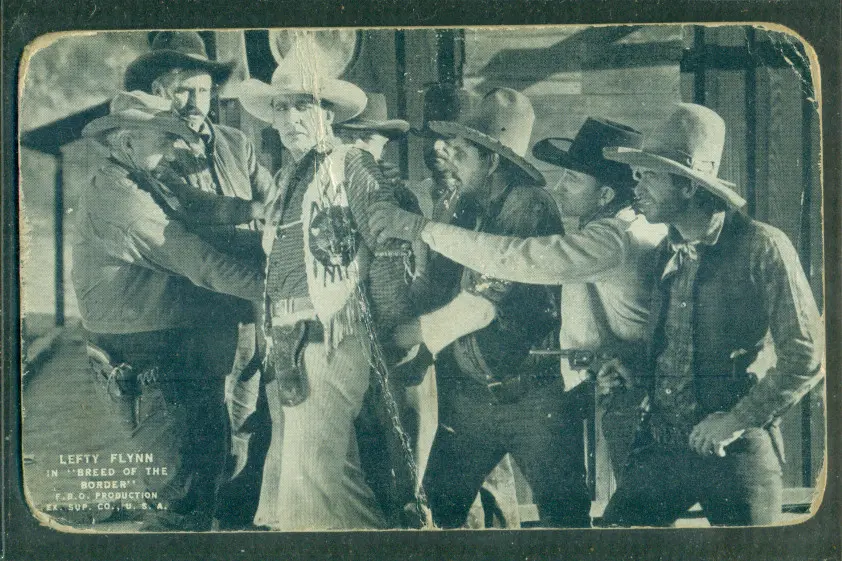
The immediate conflict arises from the predatory nature of Red Lucas, a character whose very name conjures images of menace and danger. His unwanted advances toward Ethel Slocum serve as the perfect catalyst for Circus to demonstrate his moral compass and physical prowess. This initial act of heroism immediately establishes Circus as the film's moral anchor, a silent knight in dusty armor. Ethel, however, is no mere damsel. Her refusal to submit to Red, and later to the sheriff’s demands, paints her as a woman of spirit, a necessary counterpoint to the prevailing lawlessness.
The film cleverly escalates the stakes by implicating Ethel's father, Pa Slocum, in the mine robbery. This move taps into a deep-seated western fear: the unjust framing of an innocent, the corruption of authority. The threat of mob violence against Pa Slocum is a particularly potent image, a visceral representation of a frontier justice gone awry. Circus's intervention here is not just heroic; it's a stand against the very fabric of disorder that threatens to consume Esmeralda.
The discovery of the bandit's den, facilitated by Circus's capture of a henchman, is a procedural high point, even if his subsequent capture by Red feels like a momentarily frustrating setback. It's a classic hero's journey beat: the temporary defeat before the ultimate triumph. His escape and timely return to prevent a bank robbery encapsulate the urgency and dramatic tension that silent films, when well-executed, could achieve. The final reveal of the sheriff's complicity ties a neat bow on the narrative, restoring order and paving the way for the inevitable romantic conclusion.
In the silent era, acting was a delicate balance of exaggerated gesture and subtle facial expression, often requiring performers to convey complex emotions without a single spoken word. Milton Ross, as Circus Lacey, embodies the strong, silent type with an almost archetypal precision. His performance relies heavily on his imposing physical presence and a steady, unwavering gaze. When he first confronts Red Lucas to protect Ethel, his movements are economical, yet powerful – a slight shift in posture, a firm set of the jaw, communicating a formidable resolve without needing a single intertitle to explain his intent.
While effective in establishing his heroism, Ross's portrayal occasionally borders on the monolithic. Circus Lacey, for all his virtue, sometimes feels more like an ideal than a fully realized character. There's a stoicism that, while fitting for a western hero, occasionally mistakes a lack of overt emotion for depth. We understand his actions, but his inner world remains largely unexplored, a common characteristic of protagonists in early genre films.
Dorothy Dwan, as Ethel Slocum, brings a much-needed spark to the proceedings. She's not merely a passive object of rescue; her defiance against both Red Lucas and the corrupt sheriff showcases a spirited independence that makes her character more engaging. Her wide-eyed expressions of fear and relief are palpable, particularly during the scene where her father faces mob violence. Dwan manages to convey vulnerability without appearing helpless, making Ethel a more active participant in her own fate than many heroines of the period.
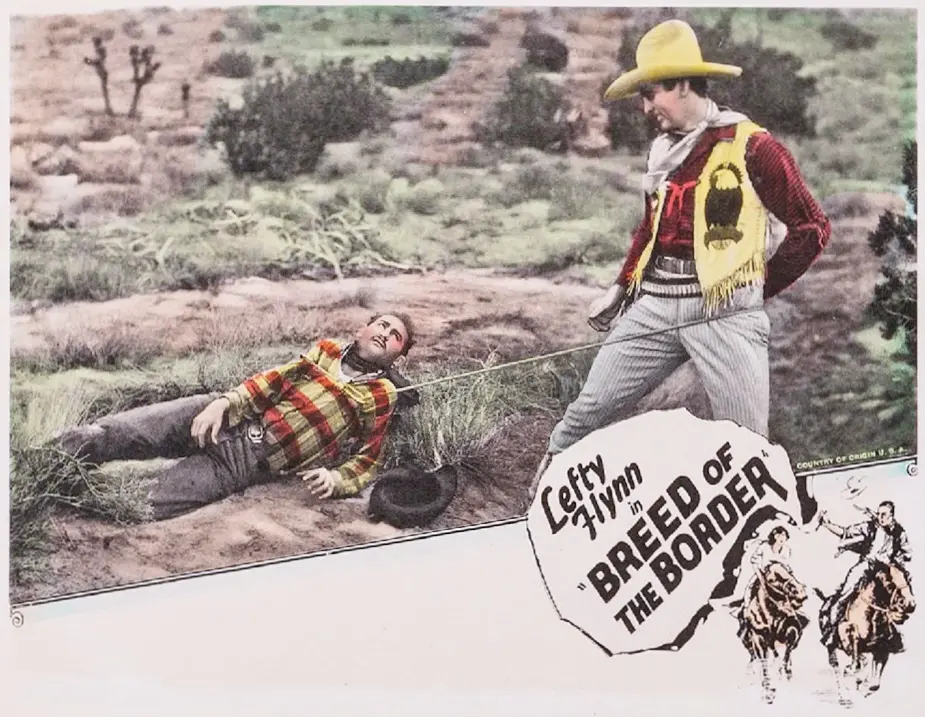
Maurice 'Lefty' Flynn, as Red Lucas, is the film's snarling antagonist, and he relishes the role. Flynn uses his physicality to great effect, his sneer and menacing posture immediately establishing him as a clear and present danger. His performance is a masterclass in silent film villainy, relying on broad gestures and intense stares to communicate his wickedness. The scene where he corners Circus in the bandit's den, a look of triumphant cruelty crossing his face, is particularly memorable, cementing his status as a truly formidable foe.
The supporting cast, including Joseph Bennett as the framed Pa Slocum and Fred Burns as the corrupt sheriff, fill their roles adequately, contributing to the overall atmosphere of peril and injustice. While their performances are less nuanced, they serve the narrative's purpose, providing clear stakes and obstacles for our hero.
While a specific director for Breed of the Border isn't readily available in the provided context, the film's execution speaks to a clear, if conventional, filmmaking intent. The narrative, penned by Dorothy Arzner, William Dawson Hoffman, and Paul Gangelin, is structured with a brisk efficiency that belies its silent nature. Arzner's involvement, especially, is a fascinating historical footnote, given her later pioneering career as one of Hollywood's few female directors. Her hand in crafting this early western's plot likely contributed to its straightforward yet engaging progression.
The cinematography, though uncredited, captures the desolate beauty and harsh realities of the frontier with a functional grace. The landscapes, while not always breathtaking, serve to underscore the isolation and danger inherent in the border town setting. There’s a particular shot during the mob violence against Pa Slocum that effectively uses close-ups of angry faces interspersed with wider shots of the struggling victim, creating a sense of claustrophobia and impending doom. This deliberate framing enhances the emotional impact, even without spoken dialogue.
Lighting, too, plays a crucial role. Indoor scenes often utilize stark contrasts, with shadows deepening the sense of villainy in Red Lucas’s lair or highlighting the tension in the sheriff’s office. Outdoor sequences, particularly those featuring horseback chases, are often filmed in bright, natural light, emphasizing the vastness of the landscape and the speed of the action. While not groundbreaking, these choices demonstrate a competent understanding of visual storytelling for the era.
One of the most surprising aspects of Breed of the Border is its pacing. For a silent film, it moves with a commendable alacrity. The narrative doesn't linger unnecessarily; events unfold with a sense of urgency that keeps the audience engaged. From Circus’s initial arrival to his confrontation with Red Lucas, and then the escalating crisis involving Pa Slocum, each plot point leads directly to the next, building momentum.
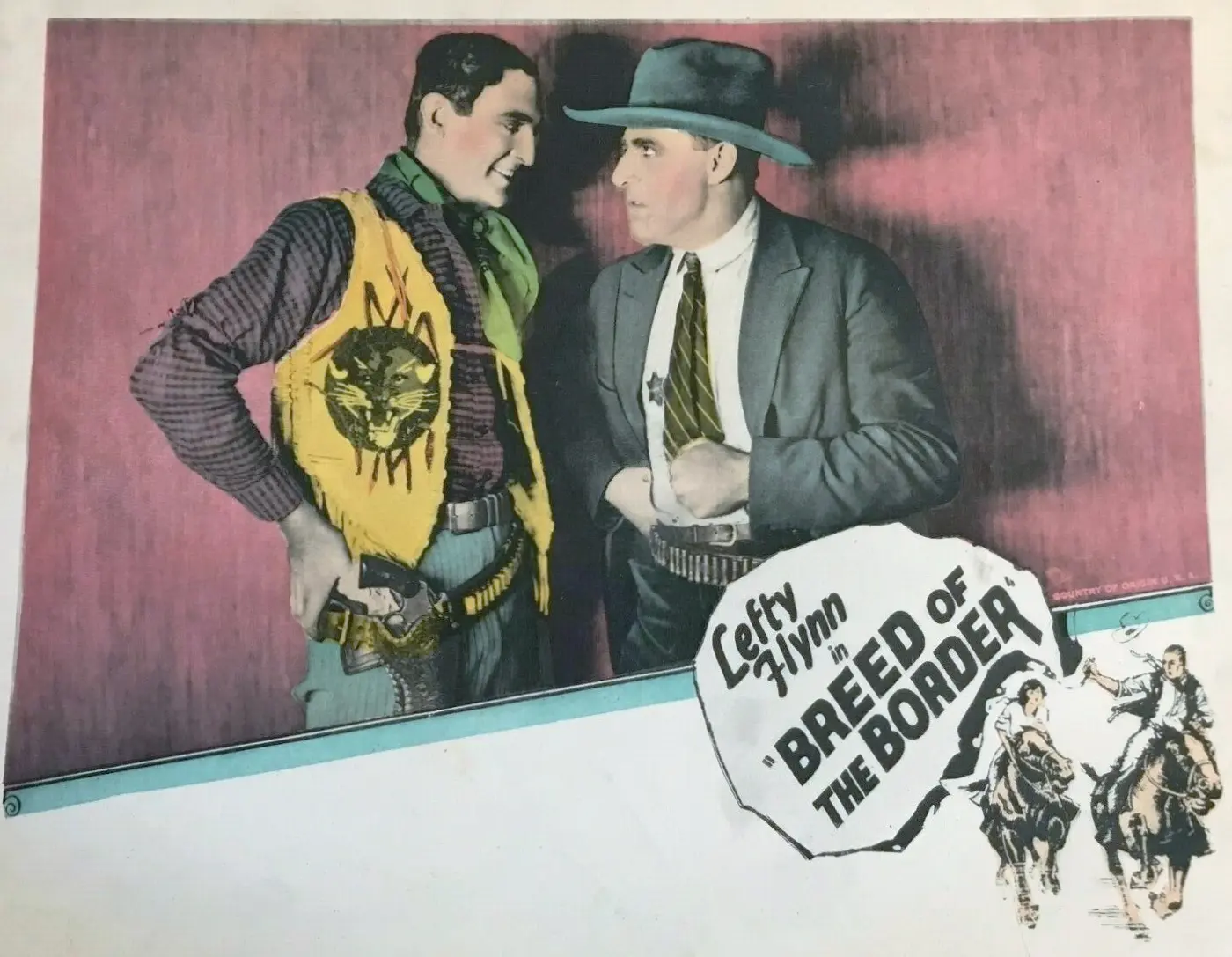
The film understands the rhythm of a western: moments of tense confrontation are punctuated by bursts of action, such as the initial rescue of Ethel or the climactic bank robbery. These sequences are edited with a speed that, while rudimentary by today’s standards, was effective in generating excitement for audiences of the 1920s. The quick cuts between Circus escaping and the bandits preparing for the bank heist are particularly well-handled, creating a classic race-against-time scenario.
The tone is consistently adventurous, with a clear moral compass. Despite the prevalent lawlessness and corruption, there's an underlying optimism that good will ultimately triumph. This is characteristic of many early westerns, which often served as escapist fantasies of justice being served in a wild, untamed land. The occasional moments of levity, often provided by minor characters or situational irony, prevent the film from becoming overly grim, maintaining a sense of classic frontier entertainment.
Released in 1924, Breed of the Border sits firmly within the golden age of the silent western. This was a period when the genre was immensely popular, shaping many of the tropes and archetypes that would define it for decades to come. Films like this were the bedrock upon which the legendary westerns of the sound era would be built, establishing the heroic cowboy, the ruthless outlaw, and the spirited frontier woman as enduring figures.
Its writers, particularly Dorothy Arzner, lend it a unique historical footnote. Arzner, who would go on to direct films like The Remittance Man and Christus (as a writer, then director), was one of the few women to forge a successful directorial career in early Hollywood, making her contributions to this film's narrative design particularly noteworthy. Her involvement suggests a certain narrative competence and character drive, even in a genre often seen as male-dominated.
While Breed of the Border may not possess the sprawling scope of a Over the Hill or the comedic genius of a Why Worry?, it stands as a solid example of its genre. It demonstrates the effective use of visual storytelling, character archetypes, and narrative momentum that defined the best silent westerns. It's a reminder that even films without the grand budgets or star power of some contemporaries could deliver engaging entertainment through well-crafted plots and earnest performances.
Absolutely, for the right audience. If you approach Breed of the Border as a historical artifact, a glimpse into the foundational years of a beloved genre, it offers considerable rewards. It’s a straightforward narrative, executed with a surprising degree of efficiency and a clear understanding of its audience's expectations.
However, if your cinematic palate is accustomed to modern storytelling conventions, intricate character arcs, or dialogue-driven drama, you might find its silent nature and simpler plot challenging. It requires a willingness to engage with a different mode of storytelling, to appreciate the artistry in gesture, expression, and the evocative power of intertitles. It works. But it’s flawed.
It's a valuable watch for students of film, for those curious about the roots of the western, and for anyone who finds beauty in the unique charm of silent cinema. It's not a film that will redefine your understanding of cinema, but it will certainly entertain and inform your appreciation for how far the medium has come, and how much was already established a century ago.
Breed of the Border is more than just a dusty relic; it's a vibrant, if sometimes quaint, example of silent-era western filmmaking. While it won't challenge your perceptions of the genre or deliver profound philosophical insights, it offers a thoroughly engaging ride for those willing to meet it on its own terms. Its clear narrative, solid performances, and surprisingly effective pacing make it a worthwhile watch for anyone interested in the roots of cinematic storytelling. It reminds us that even without sound, a well-told story, driven by strong archetypes and clear conflicts, can still resonate. It’s a piece of history that still holds a spark.
IMDb —
1930
Community
Log in to comment.