DbcultAccessing Vault...
Cult Review
Senior Film Conservator
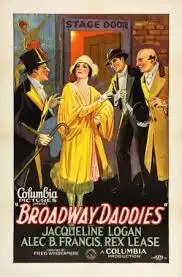
Right off the bat, let's just say Broadway Daddies isn't going to be anyone's new favorite film, unless your favorite film is 'any silent melodrama from 1928 with a predictable plot.' It's a curiosity, for sure, a peek into the kind of stories that captivated audiences nearly a century ago. If you're a silent film completist, or someone who enjoys dissecting the tropes of early Hollywood, you might get a kick out of its earnestness. Everyone else? You're probably better off finding something with a little more pep, or at least a plot that doesn't feel like it was written on a napkin during a lunch break.
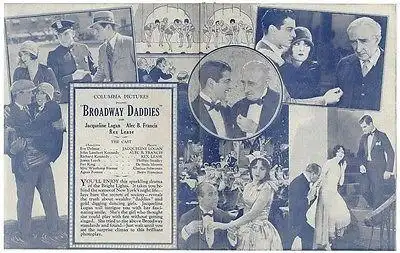
The premise is classic, almost painfully so: Eve (Jacqueline Logan), a beautiful young nightclub dancer, has all the rich 'daddies' of the title throwing money and attention her way, but she only has eyes for Robert (Rex Lease), a seemingly humble, ambitious young man. Of course, Robert is actually loaded, just slumming it to see if Eve loves him for him, not his (non-existent, at the time) fortune. You know exactly where this is going the second he mentions his 'struggle.' The whole thing feels less like a genuine test of love and more like a bizarre social experiment Robert decided to undertake one Tuesday afternoon.
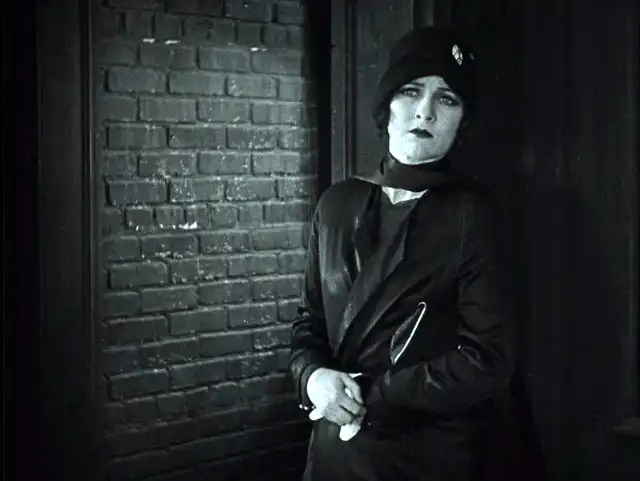
Jacqueline Logan as Eve is… present. She does a lot of the wide-eyed, hand-to-chest emoting typical of the era, and she certainly looks the part of a 'beautiful young nightclub dancer.' But there's not much spark there, not really. You can almost feel the film trying to convince you that her decision to choose poverty-stricken Robert over a string of obviously wealthy suitors is a profound statement on love, but her performance doesn't quite sell the depth of that conviction. It's more of a gentle shrug than a defiant stand.
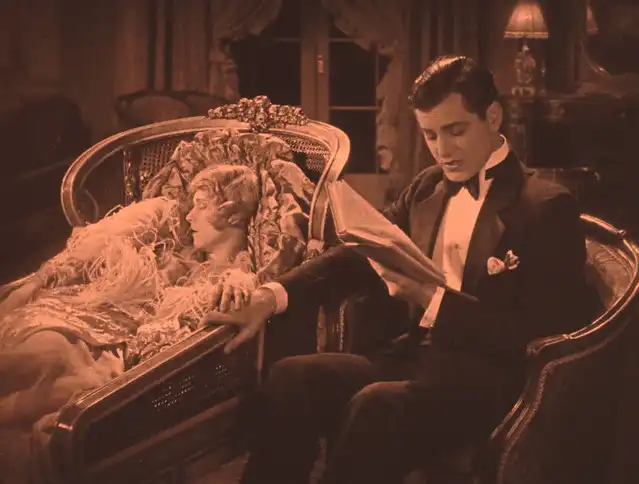
Rex Lease as Robert, on the other hand, gives us a character who is supposed to be charmingly deceptive but mostly just comes across as a bit smug. His 'poor' clothes never look quite convincing, and his attempts at portraying ambition feel more like mild inconvenience. When the big reveal comes—an item in the society pages, naturally—his sudden shift from humble suitor to indignant rich boy isn't a dramatic twist; it's just a costume change that was probably telegraphed five reels ago. There's a moment where he confronts Eve after his identity is revealed, and his posture is just so rigid, like he's waiting for a stage direction rather than genuinely feeling betrayed.
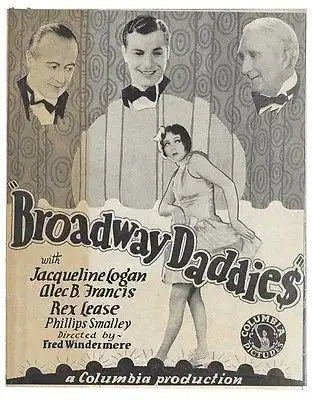
The nightclub scenes are where the film tries to inject some life, but they mostly fall flat. The extras in the background have this oddly detached quality, like they're just waiting for their shift to end. The dance numbers are fine, if unremarkable, a string of vaguely energetic flails that don't quite convey the 'glamour' the intertitles promise. It’s all a bit too clean, too polite for a supposed den of iniquity. You never really believe Eve is truly struggling or that the world she inhabits is anything but a studio backlot.
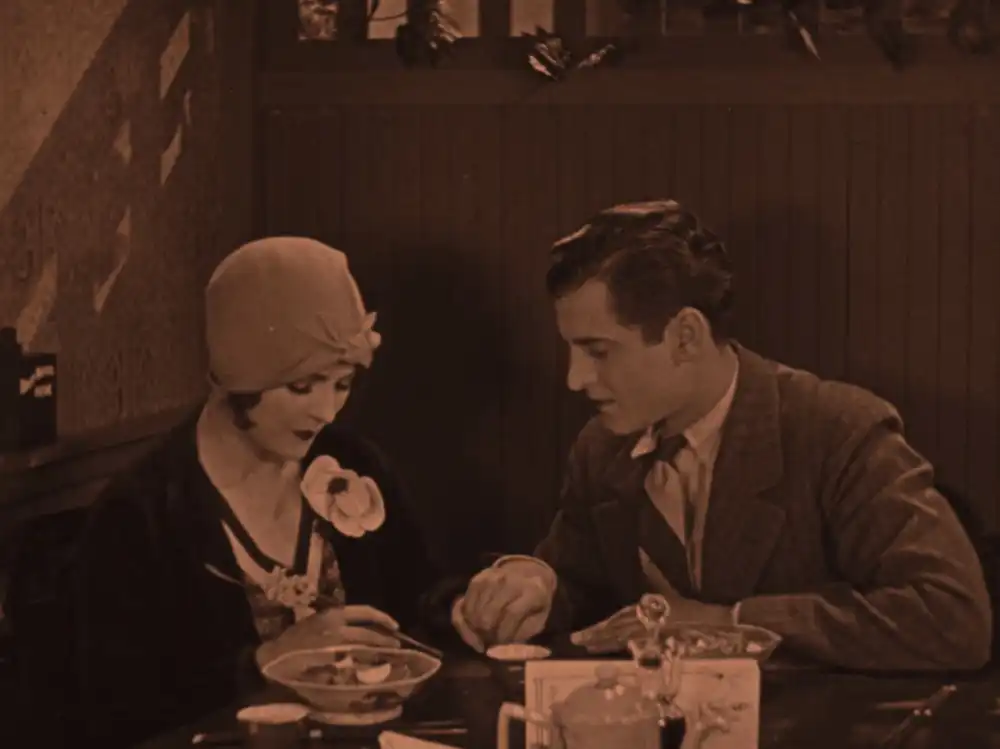
There’s a particular shot of a telegram being delivered that just lingers. And lingers. The camera holds on the messenger boy, then the door, then the hand receiving it, then the hand opening it. It's about 15 seconds too long, and you start to wonder if the editor just fell asleep at the wheel. It's these tiny moments of pacing weirdness that really pull you out of whatever minimal immersion you might have found.
Sally Eilers appears as a supporting character, and she has a certain vivacity that occasionally threatens to outshine the leads, even in her limited screen time. Her reactions feel a bit more natural, a touch less posed. It’s a small thing, but you notice it when everyone else is playing it so straight.
The whole 'complications ensue' part of the plot description mostly boils down to some misunderstandings and a bit of dramatic hand-wringing. There's a scene where Eve dramatically throws a letter into a fire, but the flame barely flickers, and it looks more like she's just tossing paper into a very mild campfire than destroying evidence of a broken heart. The melodrama never quite lands with any real emotional weight. It's all very surface-level, like watching a puppet show where the puppeteers are a little bored.
Ultimately, Broadway Daddies feels like a film that exists, and that's about it. It's not offensively bad, nor is it particularly good. It's just... there. A footnote in cinematic history, perhaps, for those tracking the careers of its cast or the evolution of the 'rich guy in disguise' trope. Come for the historical context, stay if you have an incredibly high tolerance for early silent film pacing.
IMDb 6
1922
Community
Log in to comment.