DbcultAccessing Vault...
1.5/10
Senior Film Conservator
A definitive 1.5/10 rating for a film that redefined the boundaries of cult cinema. Shifting Sands remains a cornerstone of transgressive art.
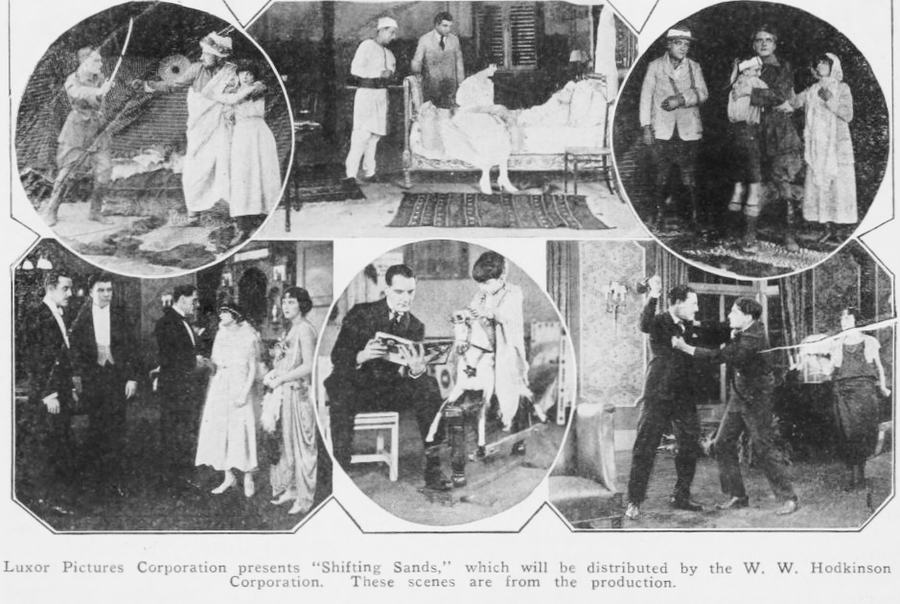
There's a peculiar magic to unearthing a silent film from the vaults of history, a whisper from a bygone era that speaks volumes without a single uttered word. 'Shifting Sands' (1923), directed by Ralph C. Wells and penned by Ralph C. Wells himself, is precisely one such cinematic artifact. It's a drama steeped in melodrama, action, and the kind of grand, sweeping themes that defined early Hollywood storytelling. More than just a relic, it's a fascinating study in character reinvention and the enduring human spirit, all set against the evocative backdrop of North Africa.
At its core, 'Shifting Sands' is a tale of profound personal upheaval. Our protagonist, portrayed with a compelling blend of vulnerability and nascent strength by Gibson Gowland, finds his life irrevocably altered by an act of brutal betrayal. Picture this: a man, comfortable perhaps, complacent even, in his domestic sphere, suddenly cast adrift. His wife’s lover, a shadowy figure whose motivations are as murky as the desert night, orchestrates a vicious attack that leaves our hero not only physically scarred but mentally obliterated. Amnesia, that most convenient yet dramatically potent of narrative devices, wipes his slate clean. He awakens in Tripoli, a stranger in a strange land, his past a blank canvas, his future utterly unwritten. This is not merely a plot contrivance; it's a foundational philosophical question posed by the film: if memory defines us, who are we without it? Gowland, known for his robust, often imposing presence in films like Jim Bludso, here delivers a nuanced performance that transcends the physical, delving into the existential void of his character.
The setting of Tripoli itself is not merely a backdrop; it's a character in its own right. The film capitalizes on the exoticism and perceived dangers of the Orient, a common trope in early 20th-century cinema, yet it uses it effectively to heighten the protagonist's disorientation and isolation. The vast, indifferent desert, the bustling, labyrinthine souks, and the inherent cultural tensions all conspire to create an atmosphere of both wonder and peril. It’s a stark contrast to the comparatively mundane betrayal he experienced back home, suggesting a thematic link between the 'shifting sands' of the desert and the 'shifting loyalties' of human relationships. This geographical displacement forces a spiritual reawakening, a stripping away of former societal roles and expectations.
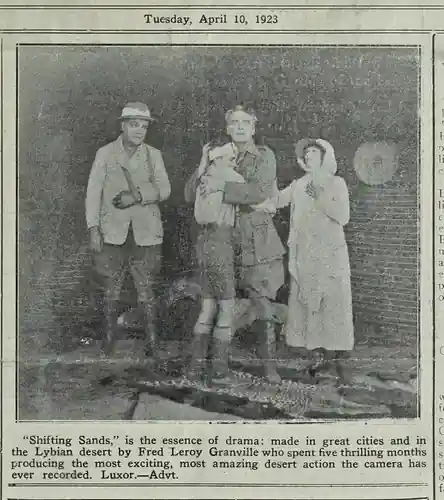
The true pivot of the narrative arrives when our amnesiac encounters an artist and his daughter. The daughter, portrayed with delicate grace by Valia (or possibly Peggy Hyland, whose expressive range would also suit such a role), becomes the catalyst for his redemption. She represents innocence, vulnerability, and a connection to a world of beauty and creation – everything that was perhaps lacking in his former life. When she becomes endangered by 'Arabs' – a broad, often stereotypical portrayal of local factions common in films of this era – the amnesiac doesn't hesitate. His response is instinctive, primal, unburdened by the complexities of a remembered past. It is in this act of selfless heroism that his true character is revealed, not as the man who was betrayed, but as the man capable of profound courage and protection.
Ralph C. Wells's direction, while perhaps not reaching the epic scale of a D.W. Griffith masterpiece like Intolerance, is nonetheless effective in building tension and conveying emotion through visual storytelling. The silent era demanded an almost balletic precision from its actors and directors, relying on exaggerated gestures, facial expressions, and carefully composed shots to convey internal states and external conflicts. Gowland, in particular, masters this art, his large frame capable of expressing both brute force and profound tenderness. The scenes of the rescue, likely involving dynamic action sequences, would have been thrilling for audiences of the time, showcasing practical stunts and the raw energy of early cinema. The film's pacing seems to oscillate between the languid introspection of the amnesiac's journey and the sudden bursts of frantic action, keeping the viewer engaged.
The supporting cast, including Douglas Webster, Louis Willoughby, Arthur Walcott, and Richard Atwood, would have played crucial roles in fleshing out the world of 'Shifting Sands'. Douglas Webster, likely portraying the nefarious lover, would have had the difficult task of embodying pure villainy without resorting to caricature, a challenge in the silent era where subtlety was often sacrificed for clarity. Valia, as the artist's daughter, would have needed to project innocence and fear, becoming the emotional anchor for Gowland’s character. The effectiveness of these performances, without the crutch of dialogue, speaks volumes about their craft. They had to communicate complex emotions through their eyes, their posture, and their every movement, creating a silent symphony of human experience.
Consider the constraints of filmmaking in 1923. There were no elaborate special effects, no sophisticated sound design to build atmosphere. Everything relied on the visual impact: the cinematography, the set design, the costumes, and above all, the raw talent of the actors. 'Shifting Sands' would have been judged on its ability to transport the audience, to make them feel the heat of the desert, the fear of danger, and the triumph of heroism. In this regard, it likely succeeded admirably, tapping into universal themes that resonate regardless of the era. The narrative arc, from betrayal to amnesia to redemption through a heroic act, is a timeless one, echoing myths and legends across cultures.
The film's exploration of identity is particularly poignant. Our protagonist is not merely an amnesiac; he is a man given a second chance, a blank slate upon which to write a new, perhaps more noble, story. His initial life, marked by the betrayal of his wife and her lover, suggests a world of moral ambiguity and personal failings. His new life, devoid of memory but filled with immediate, undeniable danger, allows him to shed the baggage of his past and act purely on instinct and a nascent moral compass. This journey from victim to savior, from a man lost to himself to a man found in the service of others, is the true heart of 'Shifting Sands'. It's a powerful statement on the potential for human transformation, even under the most extreme circumstances. This thematic depth elevates it beyond simple adventure fare, positioning it closer to the contemplative narratives found in works like Social Quicksands, though with a decidedly more action-oriented trajectory.
The portrayal of 'Arabs' as antagonists, while problematic by today's standards, must be viewed through the lens of its historical context. In 1923, such depictions were regrettably common, often serving as convenient foils for Western heroes. However, even within these conventions, a film can sometimes transcend its stereotypes through the sheer force of its narrative and the compelling nature of its protagonist's journey. Here, the 'Arabs' primarily function as a dramatic device, a source of external conflict that forces the amnesiac hero to confront his own capabilities and embrace his role as a protector. It's less about vilifying a culture and more about creating a palpable sense of danger and urgency that propels the plot forward.
Comparing 'Shifting Sands' to other films of its era, one might draw parallels with the dramatic intensity of The Still Alarm, another film that thrives on high-stakes scenarios and immediate peril, or the intricate character dynamics found in Thoughtless Women, albeit 'Shifting Sands' leans more into physical adventure than domestic drama. It stands as a testament to the ingenuity of early filmmakers who, despite technological limitations, managed to craft narratives that were both thrilling and emotionally resonant. The film likely employed a range of techniques to convey its story, from detailed intertitles that filled in narrative gaps and provided dialogue, to expressive musical scores (often performed live) that underscored the emotional beats of each scene. The artistry lay in the seamless integration of these elements, creating an immersive experience for the audience.
The legacy of films like 'Shifting Sands' lies not just in their entertainment value but in their contribution to the evolving language of cinema. Each frame, each intertitle, each actor's gesture was part of a larger experiment in visual storytelling. It’s a foundational piece, demonstrating how universal themes of love, betrayal, danger, and redemption could be articulated without the spoken word, relying instead on the power of imagery and human expression. The sheer ambition to transport audiences to distant lands and immerse them in such dramatic personal stakes is admirable.
In conclusion, 'Shifting Sands' is more than just a historical curiosity. It’s a compelling narrative that, despite its age and the inherent stylistic differences of silent film, still manages to captivate. Gibson Gowland’s performance as the amnesiac hero is central to its success, grounding the fantastical elements of the plot in a believable human struggle. It reminds us that even when our past is erased, our innate capacity for good, for courage, and for love can guide us through the most treacherous of landscapes, literal or metaphorical. It’s a journey from the shifting sands of memory to the firm ground of self-discovery, a silent epic that deserves to be seen and appreciated for its timeless themes and its enduring power.
IMDb —
1918
Community
Log in to comment.