DbcultAccessing Vault...
Cult Review
Senior Film Conservator
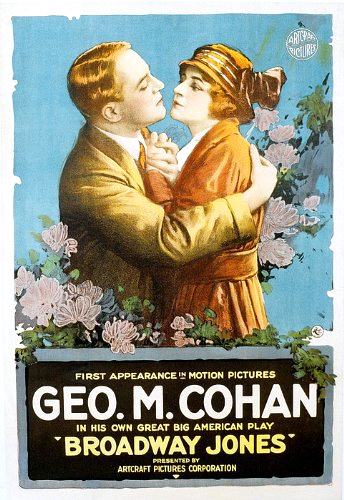
Step into the kinetic, often chaotic, world of early 20th-century American cinema with a retrospective gaze upon Broadway Jones, a film that, even in its silent grandeur, speaks volumes about the timeless allure of ambition, the pitfalls of inherited wealth, and the perennial tension between urban spectacle and rural sensibility. This cinematic offering, featuring the inimitable George M. Cohan, is more than just a period piece; it’s a vibrant character study wrapped in a comedic drama, exploring the transformative – or perhaps, merely revealing – power of circumstances on a young man's soul. Released during an era when the silver screen was rapidly asserting its narrative prowess, Broadway Jones captures a particular zeitgeist, a moment when American identity was increasingly defined by its burgeoning cities and the dreams they promised.
At the heart of this narrative maelstrom is the titular Broadway Jones, portrayed with an infectious, if at times exasperating, vivacity by George M. Cohan himself. Jones is introduced as a paragon of youthful arrogance, a scion of Ohio whose provincial roots feel like a straitjacket against his soaring, if utterly unfounded, theatrical aspirations. His disdain for the family business, a seemingly mundane manufacturing enterprise, is palpable, a stark contrast to the glittering image he holds of himself as a future luminary of the New York stage. Cohan, a titan of Broadway in his own right, brings an almost autobiographical resonance to the role, imbuing Jones with a certain theatricality and a boundless, albeit misguided, energy. His physical comedy, subtle facial expressions (crucial in silent film), and an undeniable charisma manage to make even Jones's most self-serving decisions feel rooted in a deeply human, if flawed, desire for self-actualization.
Jones's initial departure from Ohio is painted not as a reluctant farewell, but as a triumphant exodus from the mundane. He envisions himself not merely joining the ranks of Broadway's elite, but fundamentally altering its landscape with his supposed genius. This grandiosity, however, is built on the flimsiest of foundations – pure, unadulterated hubris. His journey to New York is less about artistic pursuit and more about escaping perceived mediocrity, a common trope that Snobs, with its exploration of social climbing and pretension, might echo in a different social context. The film masterfully sets up this character, making his inevitable comeuppance both anticipated and, strangely, empathetic, thanks to Cohan's nuanced performance.
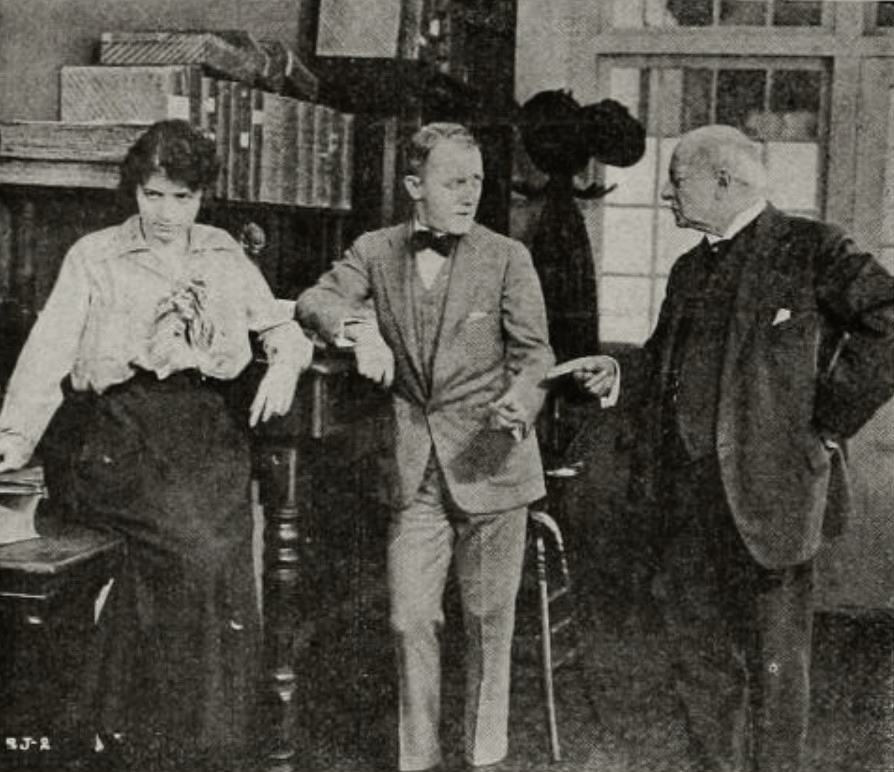
The dramatic catalyst arrives in the form of an unexpected inheritance: not only the family business, which he so blithely abandoned, but also a cool million dollars. This sudden windfall, rather than grounding Jones, merely inflates his already colossal ego. He sees it not as a responsibility or an opportunity for prudent investment, but as a bottomless well from which to draw funds for his Broadway fantasies. His initial foray into the New York theatrical scene is a whirlwind of profligate spending. We witness his rapid descent into financial folly, as his coffers rapidly deplete on lavish productions that never quite materialize, extravagant parties designed to impress, and a general air of reckless abandon that suggests a fundamental misunderstanding of wealth's true nature. This period of his life is a stark portrayal of the adage, "easy come, easy go."
The film cleverly illustrates this dissipation without becoming overly didactic. It’s a visual ballet of excess, where champagne flows, tailored suits are discarded for newer ones, and the pursuit of fleeting pleasures overshadows any genuine artistic endeavor. Jones's million-dollar inheritance quickly becomes a million-dollar mirage, evaporating almost as quickly as it appeared. This narrative arc provides a fascinating parallel to films like Fine Feathers, which similarly explores the consequences of unchecked ambition and poor ethical choices, albeit within a more dramatic framework. The sheer speed of Jones's financial downfall serves as a potent, if understated, critique of the era's burgeoning consumerism and the temptations of instant gratification.
With his Broadway dreams shattered and his fortune all but squandered, a chastened, though perhaps not entirely reformed, Jones finds himself making the ignominious journey back to Ohio. His return is not one of genuine repentance, but rather a strategic retreat, a cynical maneuver to liquidate the very family business he once scorned. His intent is clear: sell the factory, recoup some of his losses, and perhaps fund another, albeit smaller, attempt at his theatrical ambitions. This cynical approach highlights his lingering immaturity; he still views his heritage as a means to an end, rather than an entity with intrinsic value or communal significance. The contrast between the glittering, superficial world of Broadway and the grounded, practical reality of his Ohio hometown is acutely felt here, emphasizing the protagonist's internal conflict.
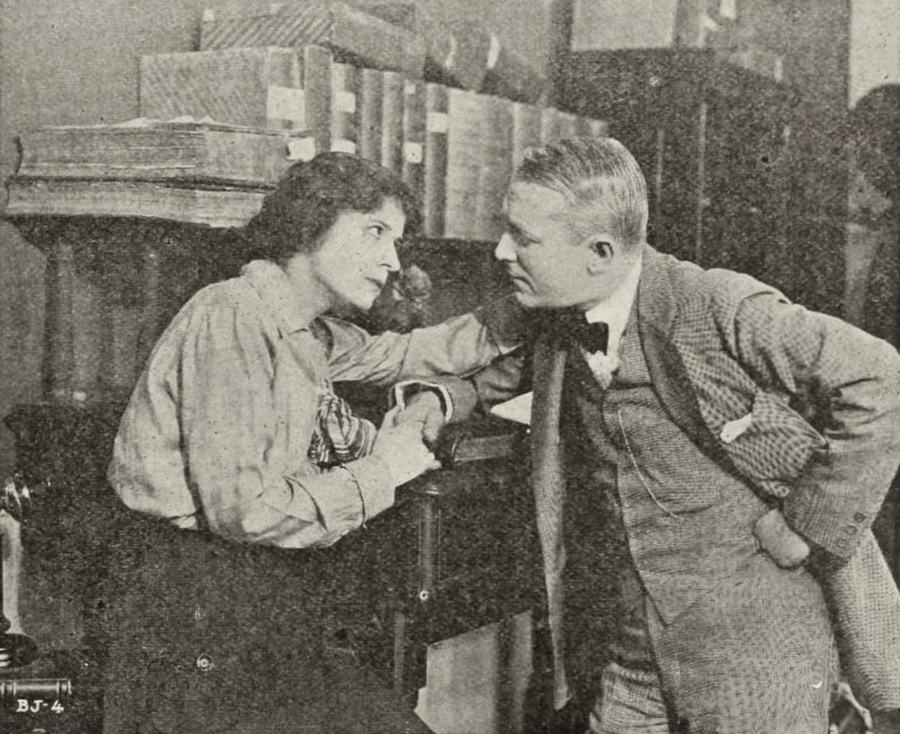
However, the provincial landscape he once dismissed as unsophisticated now presents its own set of formidable challenges. The sale of the family business is not a simple transaction. Complications ensue, rooted in the very fabric of the community he abandoned. Local resistance, perhaps from loyal employees or long-standing business associates like those encountered in The Manager of the B & A, arises. There might be a rival suitor for the business, or perhaps a shrewd local who sees through Jones's thinly veiled desperation. The film cleverly uses these external obstacles to force Jones into a confrontation with his own values, or lack thereof. He must navigate a world that operates on principles far removed from the glitz and glamour of Broadway, a world where reputation, community ties, and hard work hold more currency than fleeting fame.
The narrative truly blossoms in Ohio, transforming from a cautionary tale of urban excess into a delightful comedy of errors with profound implications. Jones's attempts to offload the factory are met with unexpected resistance, not just from the practicalities of business, but from the very people whose lives are intertwined with the enterprise. We see the loyal, long-suffering employees, perhaps a steadfast foreman played by Russell Bassett or Joseph W. Smiley, who view the factory not as a mere asset but as a legacy, a source of stability for their families. Their quiet dignity and unwavering commitment stand in stark contrast to Jones’s fickle ambition, forcing him to witness the tangible impact of his decisions.
Further complicating his cynical plans is the emergence of a spirited local woman, perhaps portrayed by Marguerite Snow or Ida Darling, who embodies the virtues of the Ohio community – integrity, resilience, and an unwavering belief in the value of honest labor. This character, initially perhaps a thorn in his side, gradually becomes a mirror reflecting Jones's own shortcomings and, ultimately, a catalyst for his potential transformation. Their interactions, likely filled with witty repartee and silent film's characteristic exaggerated gestures, serve to chip away at Jones's hardened exterior, revealing a glimmer of decency beneath the layers of self-importance. This romantic subplot, while perhaps conventional for the era, provides a necessary emotional anchor, challenging Jones to consider something beyond his own self-interest, akin to the moral quandaries faced by protagonists in films like Her Debt of Honor, where duty and personal desire often clash.

The local town itself, with its close-knit community and traditional values, acts as a silent, yet powerful, antagonist to Jones’s mercenary intentions. He finds that his New York swagger and urban sophistication hold no sway here. Instead, he must contend with shrewd local lawyers, perhaps an astute Crauford Kent playing a foil, or a community united in its desire to protect its own. The film deftly portrays the clash of cultures, highlighting the charm and quiet strength of Midwestern life against the perceived glamour and ultimate superficiality of the metropolis. These narrative entanglements not only provide comedic relief but also serve as crucial developmental stages for Jones, forcing him to confront the real-world consequences of his past actions and the true meaning of value – both financial and personal.
Beyond its comedic veneer, Broadway Jones delves into several profound themes pertinent to its era and ours. It’s a compelling exploration of identity, particularly the struggle between who one pretends to be and who one truly is. Jones's journey from an Ohio factory heir to a Broadway hopeful, and then back again, is a circular pilgrimage that ultimately forces him to shed the performative aspects of his personality. The film questions the very nature of success: is it measured by wealth and fame, or by integrity and community? His initial pursuit of Broadway glory, fueled by money rather than talent, serves as a sharp critique of the commodification of art and the illusion of overnight success. This thematic depth elevates the film beyond a simple farce, aligning it with narratives that ponder existential questions, much like the more dramatic character studies seen in films such as Saint, Devil and Woman, which examines moral struggles, albeit on a different plane.
The tension between urban and rural life is another cornerstone of the film's thematic architecture. New York represents ambition, excitement, and potential ruin, while Ohio embodies stability, tradition, and perhaps a slower, more authentic pace of life. Jones’s initial rejection of Ohio is symbolic of a broader societal shift, where the allure of the city often overshadowed the quieter virtues of the countryside. However, the film subtly argues for the enduring value of roots and community, suggesting that true fulfillment might lie not in escaping one's origins, but in understanding and appreciating them. This dichotomy offers a rich tapestry against which Jones's personal growth, however reluctant, can be measured.
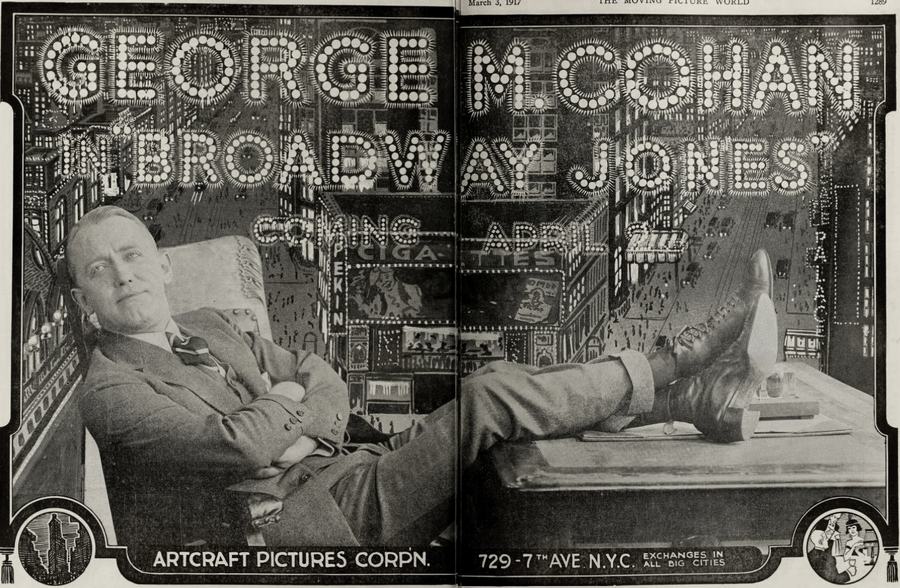
While specific directorial credits for such early films can sometimes be obscure, the influence of George M. Cohan, both as star and likely creative force, is undeniable. His stage background undoubtedly informed the pacing and visual storytelling, translating theatrical sensibilities to the silent screen. The film's strength lies in its ability to convey complex emotions and character arcs through visual cues and the expressive performances of its cast. Cohan's portrayal of Jones is a masterclass in silent film acting – his exaggerated gestures, wide-eyed enthusiasm, and eventual moments of genuine vulnerability communicate volumes without a single spoken word. He manages to make Jones both an object of ridicule and a figure of sympathy, a difficult balancing act that few actors could achieve.
The supporting cast, including Marguerite Snow, Crauford Kent, Ida Darling, Joseph W. Smiley, John De Lacey, and Russell Bassett, contribute significantly to the film’s charm and narrative propulsion. Each actor, within the stylistic constraints of silent cinema, brings a distinct persona to their roles, whether it's the earnestness of a potential love interest or the stern practicality of a business associate. Their interactions with Cohan’s Jones are crucial, often serving as foils that highlight his flaws or catalysts that spur his development. The ensemble’s collective effort creates a believable, if heightened, world for Jones to navigate, ensuring that even the most farcical situations retain a degree of emotional grounding. The way the characters react to Jones's outlandish schemes and eventual return helps to establish the moral compass of the film, guiding the audience's perception of the protagonist's journey.
Viewing Broadway Jones today offers a valuable window into the nascent art form of cinema. It showcases the sophisticated storytelling techniques developed during the silent era, where intertitles, evocative musical scores (often performed live), and highly stylized acting conveyed narratives with remarkable clarity and emotional depth. The film's reliance on visual humor and dramatic irony is a testament to the ingenuity of filmmakers who had to engage audiences without spoken dialogue. It's a reminder that compelling narratives transcend technological limitations, proving that a well-told story, anchored by strong characters, can resonate across generations. This particular film, with its blend of comedy and character-driven drama, stands as an excellent example of the period's diverse offerings, much like the varied tones found in films such as Der Barbier von Flimersdorf, showcasing international silent film sensibilities.
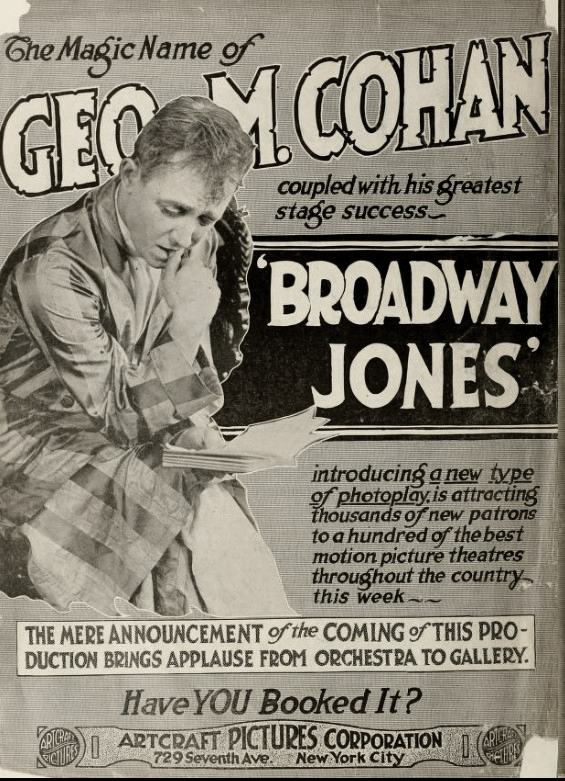
The cinematography, though perhaps rudimentary by modern standards, effectively captures the contrasting atmospheres of bustling New York and tranquil Ohio. The visual language employed, from sweeping shots of cityscapes to intimate close-ups revealing character emotions, demonstrates a growing understanding of film as a distinct artistic medium. It's a delightful experience to watch how these early cinematic pioneers crafted their stories, relying on gesture, expression, and clever editing to draw viewers into their worlds. The absence of synchronized sound forces a heightened appreciation for the visual artistry, making every frame, every movement, and every intertitle crucial to the overall impact.
Broadway Jones, while perhaps not as widely recognized as some of its contemporaries, remains a significant piece of cinematic history, especially for those interested in the career of George M. Cohan and the evolution of American comedy-drama. Its exploration of themes like the corrupting influence of wealth, the pursuit of authenticity, and the importance of home continues to resonate. The film serves as a charming reminder that sometimes, the greatest adventures and most profound lessons are found not in distant, glittering cities, but in the familiar landscapes we initially sought to escape. Its enduring appeal lies in its relatable portrayal of human folly and the redemptive power of self-discovery, even if that discovery is reluctantly embraced.
In an era marked by rapid social and economic change, Broadway Jones offered both escapism and a subtle moral compass. It’s a film that, despite its age, feels remarkably fresh in its observations about human nature and the pursuit of happiness. For enthusiasts of silent cinema, it's a delightful discovery, offering a blend of humor, drama, and compelling character development that stands the test of time. Much like Mr. Barnes of New York offers a peek into a different kind of urban intrigue, Broadway Jones provides a unique and entertaining perspective on the aspirations and occasional missteps of a young man navigating the complex landscape of early 20th-century America. It's a film that reminds us that sometimes, the true spotlight belongs not to the grand stage, but to the quiet drama of personal transformation.
IMDb —
1920
Community
Log in to comment.