DbcultAccessing Vault...
5.3/10
Senior Film Conservator
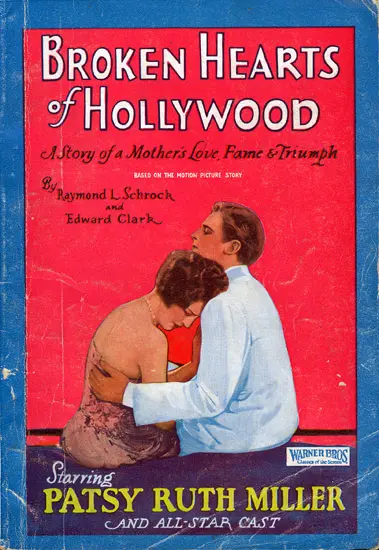
A definitive 5.3/10 rating for a film that redefined the boundaries of cult cinema. Broken Hearts of Hollywood remains a cornerstone of transgressive art.
Is Broken Hearts of Hollywood a lost gem or a dated relic? Short answer: It is a vital, if jagged, piece of cinematic history that offers a rare, cynical look at the industry from within its own golden age. This film is for the historian who wants to see the 1920s film machine without its makeup, but it is certainly not for the casual viewer looking for a fast-paced modern thriller.
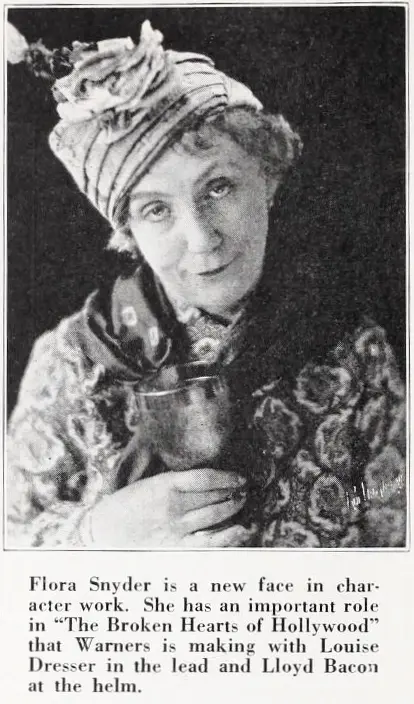
This film works because Louise Dresser delivers a performance of such quiet desperation that it transcends the silent era's typical histrionics.
This film fails because it lacks the courage of its own convictions, pivoting from a sharp social critique into a generic courtroom melodrama in the final act.
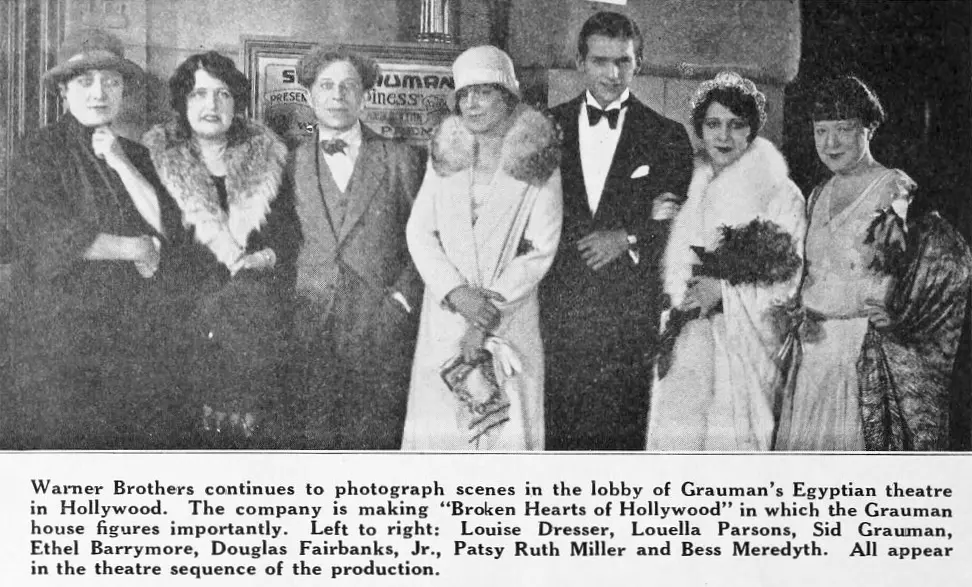
You should watch it if you are fascinated by the 'film-about-film' subgenre or want to see a very young Douglas Fairbanks Jr. finding his footing.
Broken Hearts of Hollywood is not just a movie; it is a confession. Released in 1926, it arrived at a time when the studio system was solidifying its power, and the 'casting couch' was already a whispered reality. The story of Virginia Perry (Louise Dresser) is one that would be repeated for decades, from Sunset Boulevard to Mulholland Drive. However, there is a rawness here that modern films often miss. When Virginia looks in the mirror and realizes her face is no longer currency, the pain is palpable. It is not just vanity; it is the realization of obsolescence.
The film’s most uncomfortable strength is its refusal to sugarcoat the transition from star to character actor. In one particularly biting scene, Virginia is seen waiting in line for a bit part, surrounded by younger women who look exactly like she did twenty years prior. The cinematography by an uncredited but capable hand uses harsh lighting to emphasize the lines on Dresser’s face, a choice that feels almost cruel given the era’s penchant for soft-focus glamour. It is a moment of stark realism that stands in contrast to the more whimsical elements of the plot.
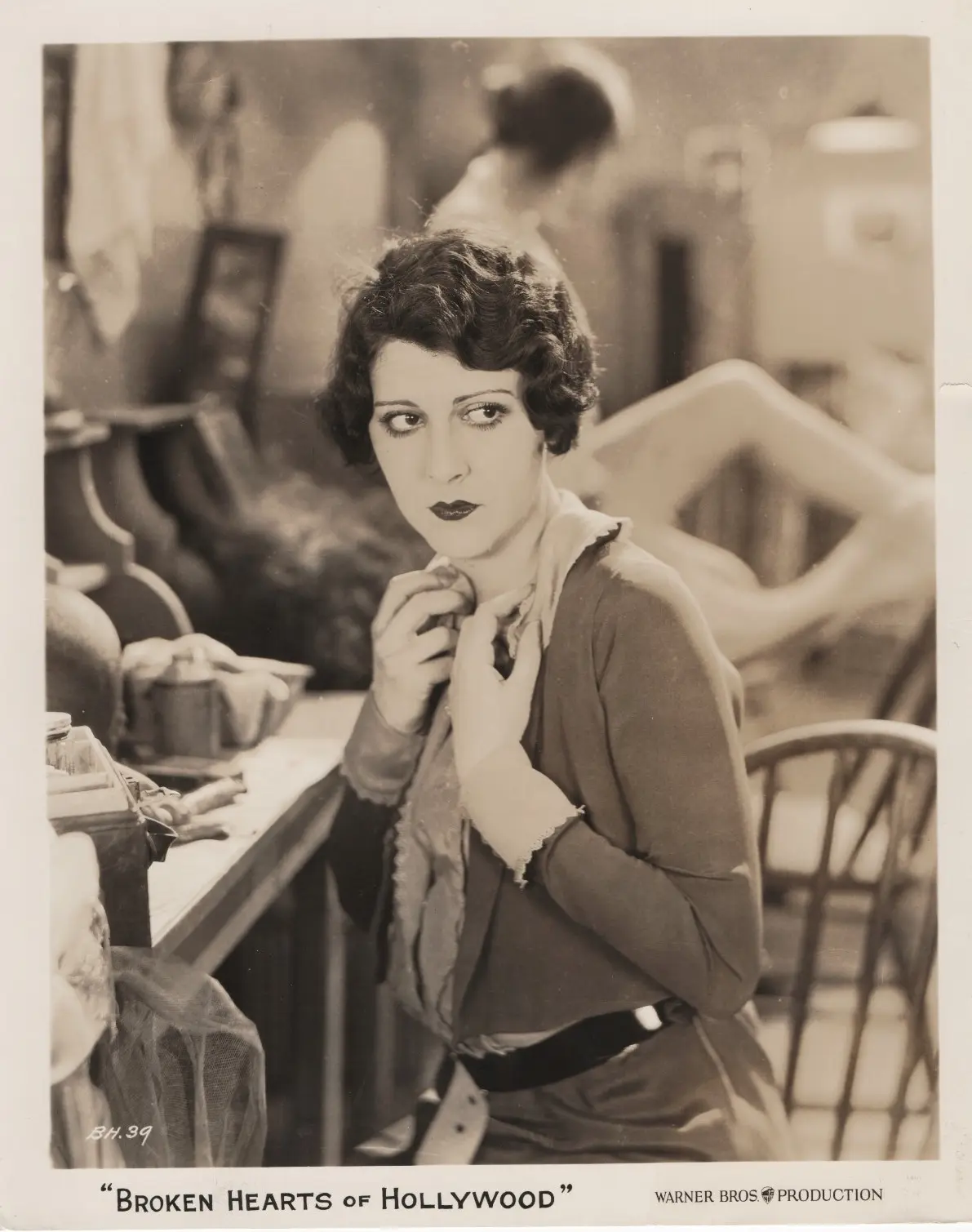
By the time her daughter, Betty Ann (Patsy Ruth Miller), enters the frame, the film shifts gears. Betty Ann is the personification of the 'New Hollywood'—vibrant, contest-winning, and dangerously naive. The irony of the mother being cast as the mother to her own daughter in a film-within-a-film is a stroke of narrative genius that keeps the story grounded in a psychological reality, even when the plot begins to veer toward the sensational.
Louise Dresser is the soul of this production. While many silent actors relied on grand gestures, Dresser’s power lies in her eyes. There is a scene where she watches her daughter’s screen test from the shadows of the set. You can see the pride warring with a deep, corrosive jealousy. It is a complex emotional beat that feels remarkably modern. She doesn't need title cards to tell us she’s heartbroken; we can see the cracks in her composure. It is a performance that reminds us why she was a pioneer of the craft.
Patsy Ruth Miller, as Betty Ann, provides the necessary foil. She is all light and motion, representing the industry’s obsession with 'the next big thing.' While her character is written with less depth than Virginia’s, Miller brings a genuine sweetness that makes the predatory advances of Marshall (Stuart Holmes) feel truly threatening. It’s a dynamic we’ve seen in films like Cheap Kisses, but here it feels more personal because of the familial stakes involved.
Then there is the curiosity of the supporting cast. Seeing a young Douglas Fairbanks Jr. is a treat for any cinephile. He carries himself with a shadow of his father’s charisma but with a vulnerability that suggests he was still finding his own screen identity. The inclusion of real-life industry figures like Louella Parsons and Sid Grauman adds a layer of 'inside baseball' that must have been electrifying for 1926 audiences. It blurs the line between fiction and documentary, making the film feel like a tour of a dangerous, glittering factory.
Does Broken Hearts of Hollywood hold up for a modern audience? Yes, but with caveats. If you are looking for a cohesive narrative that follows modern pacing, you will be disappointed. However, if you are interested in the evolution of the Hollywood mythos, it is essential viewing. The film captures a specific moment in time when the industry was beginning to look inward and didn't always like what it saw. It’s a fascinating, if flawed, artifact of early self-critique.
The film is worth it for the historical context alone. It manages to be both a cautionary tale and a love letter to the silver screen. It doesn't have the polish of later classics, but it has a grit that is often missing from the more sanitized versions of Hollywood history. It works. But it’s flawed.
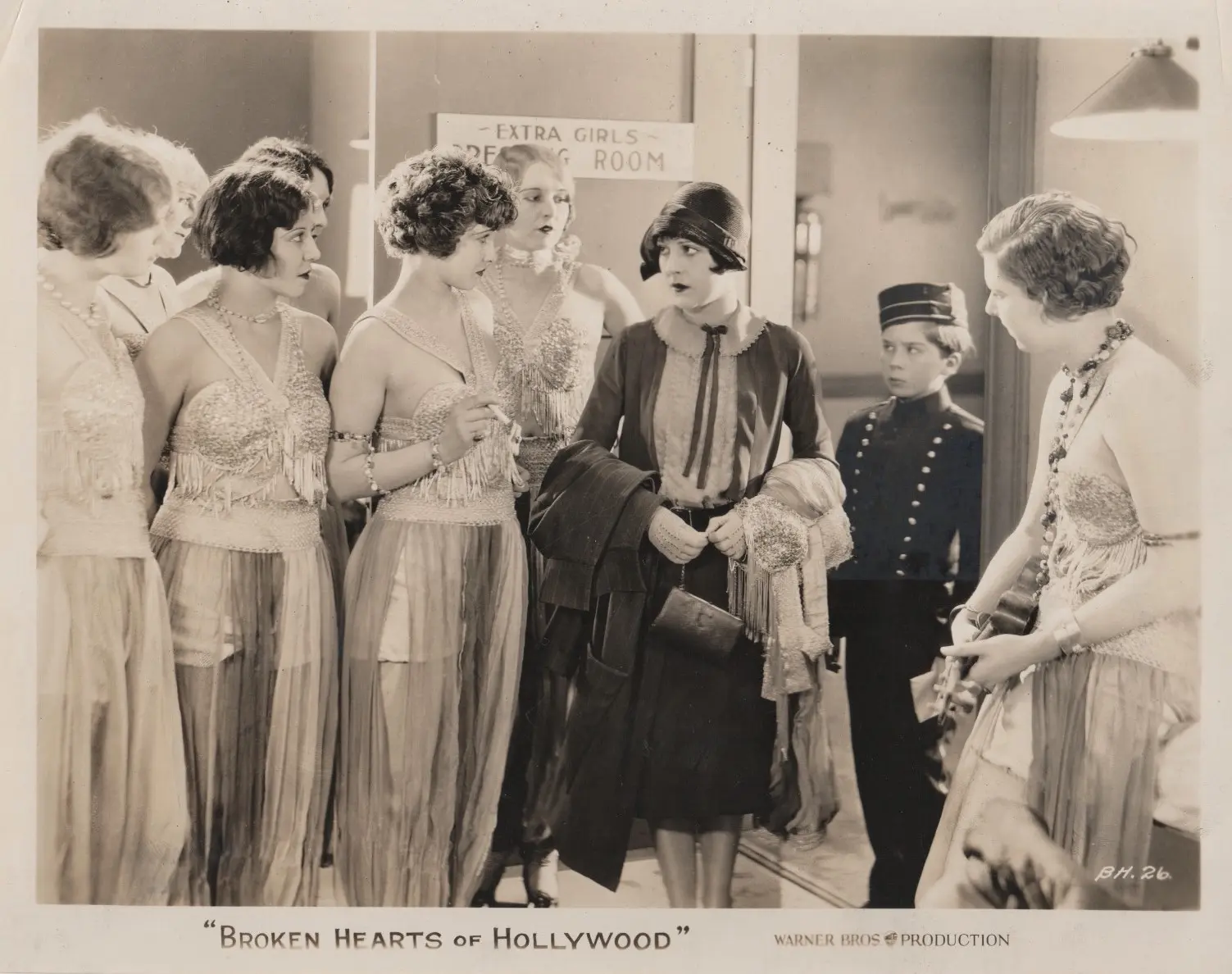
Director Emile Chautard handles the first two acts with a surprising amount of restraint. The pacing is deliberate, allowing the emotional weight of Virginia’s failure to sink in. The set design of the 'studio' within the movie is particularly effective, showing the scaffolding, the lights, and the artifice that goes into creating a dream. This transparency was rare for the time and adds to the film’s theme of disillusionment. It reminds me of the structural honesty found in Sold at Auction, where the mechanics of society are laid bare.
The use of title cards is sparse but effective, allowing the visual storytelling to do most of the heavy lifting. There is a rhythmic quality to the editing during the beauty contest sequences that captures the frantic energy of the 'flapper' era. However, the technical quality takes a bit of a hit in the final act. The transition to the courtroom feels rushed, and the lighting becomes more generic, losing the atmospheric shadows that defined the earlier scenes of Virginia’s isolation.
The biggest hurdle for the modern viewer is the third act. The introduction of a shooting and a subsequent trial feels like a different movie entirely. It’s as if the producers became worried that a character study about an aging actress wasn't 'exciting' enough for the masses, so they bolted on a crime thriller. This shift undermines the emotional resonance of the mother-daughter relationship. Instead of a nuanced resolution about the passing of the torch, we get a courtroom spectacle that relies on tired tropes.
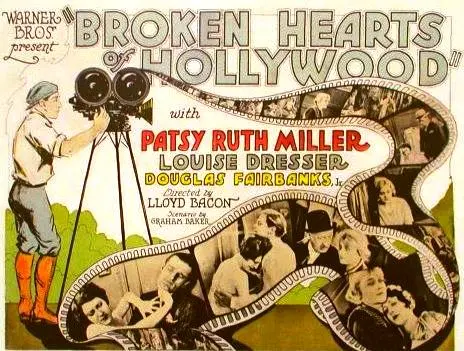
Stuart Holmes plays the villainous Marshall with a mustache-twirling intensity that feels out of place compared to Dresser’s grounded performance. His predatory nature is clear from the start, but his role in the climax feels forced. The film would have been much stronger if it had stayed in the realm of domestic drama, focusing on the psychological toll of the industry rather than a literal life-or-death legal battle. It’s a common flaw in films from this period, much like the uneven tone seen in Annie-for-Spite.
Pros:
Cons:
Broken Hearts of Hollywood is a brave film that ultimately flinches. It starts as a searing indictment of an industry that eats its young and discards its old, only to end as a standard-issue melodrama. However, the first two-thirds are so potent, and Louise Dresser is so compelling, that it remains a significant work. It is a reminder that the 'broken hearts' of the title were not just a plot point—they were the fuel that ran the Hollywood machine. It is a flawed, fascinating, and deeply human look at the cost of the American dream. Watch it for the history, stay for Dresser, and forgive the clumsy ending.
IMDb 5.2
1917
Community
Log in to comment.