DbcultAccessing Vault...
Cult Review
Senior Film Conservator
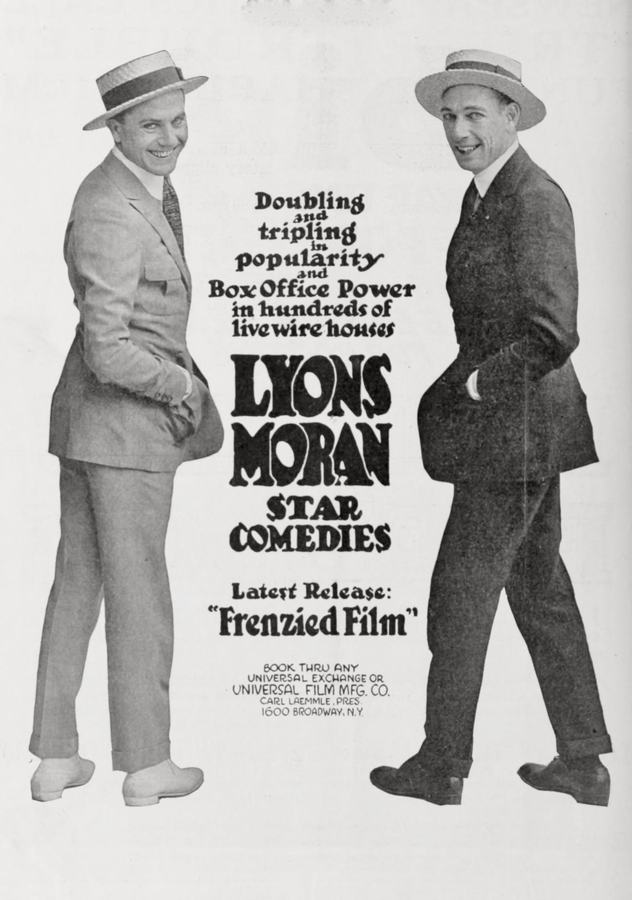
The nascent years of cinema were a wild, untamed frontier, a period of breathtaking innovation alongside an equal measure of charming, often hilarious, amateurism. It was within this fertile ground that films like Frenzied Film found their voice, not just telling a story, but telling a story about the very act of storytelling itself. This ingenious burlesque, a meta-commentary before the term was even coined, offers a riotous peek behind the curtain of early film production, dissecting the grand illusions and the often-absurd realities that underpinned the magic of the silver screen. It's a cinematic time capsule, reflecting an era where the lines between art and outright chaos were delightfully blurred, and where the sheer ambition of filmmakers often far outstripped their practical capabilities.
At its core, Frenzied Film is a masterful exercise in comedic deconstruction. The plot, deceptively simple on paper – 'a burlesque on the making of a picture based on an Alaskan story' – blossoms into a sprawling tapestry of escalating mishaps and human foibles. We are invited not just to watch a film, but to witness the agonizing, exhilarating, and often utterly farcical process of its birth. The filmmakers, Eddie Lyons and Lee Moran, who also star in the picture, demonstrate a profound, almost prophetic, understanding of the medium's inherent vulnerabilities and the rich comedic potential found in its imperfections. Their dual role as writers and performers imbues the film with an authentic, lived-in quality, suggesting that many of the on-screen absurdities might have been drawn from their own tumultuous experiences on set.
The ambition to capture the rugged grandeur of Alaska on a cramped, probably underfunded studio lot forms the central comedic engine. Imagine the grand vision: vast expanses of snow, towering glaciers, the fierce struggle for survival against nature's unforgiving might. Now, juxtapose that with the reality presented on screen: flimsy backdrops that threaten to topple, 'snow' that looks suspiciously like cotton batting or repurposed flour, and a 'blizzard' conjured by a frantic stagehand with a wind machine and a bucket of confetti. This stark contrast between aspiration and execution is where Frenzied Film truly shines, highlighting the ingenious, if often comically inept, methods employed by early cinema pioneers to create a world that simply didn't exist outside their soundstage.
The cast, featuring Eddie Lyons, Dorothy Devore, and Lee Moran, are not merely actors; they are caricatures of the archetypes that populated early Hollywood. Lyons, likely playing the beleaguered director or a similarly high-strung creative, embodies the escalating desperation of someone trying to maintain artistic integrity amidst utter pandemonium. His frantic gestures, exasperated expressions, and increasingly disheveled appearance tell a story of a man teetering on the brink, his grand vision slowly disintegrating into a series of improvisational disasters.
Dorothy Devore, as the leading lady, likely portrays a diva-esque starlet, more concerned with her close-ups and the precise angle of her dramatic fainting spell than the authenticity of the 'Alaskan' environment. Her performance would have been a delightful send-up of the theatricality that often permeated silent film acting, where every emotion was writ large and every gesture a carefully choreographed display. The comedic tension between her refined sensibilities and the crude realities of the set would have been a constant source of amusement. Moran, likely the writer struggling to make sense of the unfolding chaos, provides another layer of meta-commentary. One can imagine him frantically rewriting scenes on the fly, attempting to adapt his carefully crafted dialogue to the accidental slapstick unfolding before his eyes. His character serves as a poignant reminder that even the most meticulously planned narrative can be derailed by the unpredictable nature of live-action filmmaking.
What often goes unappreciated in the realm of silent film is the sophisticated narrative craft that underpins even the most boisterous comedies. The 'burlesque' in Frenzied Film isn't merely a series of gags; it's a meticulously structured comedic arc where each escalating absurdity builds upon the last. The film’s writers, Lee Moran and Eddie Lyons, demonstrate a keen understanding of comedic timing, utilizing visual gags, character reactions, and the inherent irony of the situation to elicit laughter. The humor is derived not just from the slapstick, but from the human element – the earnest efforts of individuals trying to create art, despite all odds, and often failing spectacularly in the most endearing ways.
The film's lexical diversity, though primarily visual in a silent context, lies in its rich tapestry of comedic situations. From a 'fierce' Alaskan wolf that is clearly a fluffy domestic dog, to a dramatic rescue scene where the 'ice floe' is visibly wobbling under the weight of the actors, the film offers a veritable lexicon of visual jokes. Each prop, each set piece, each character's reaction becomes a word in this silent language of laughter. The filmmakers expertly employ visual irony, subverting audience expectations at every turn. For example, a scene meant to convey perilous danger might instead reveal the precariousness of the set construction, turning potential tragedy into pure farce. This intricate layering of visual narrative ensures that the film remains engaging and humorous, far beyond the initial shock of a simple gag.
The enduring appeal of Frenzied Film lies in its timeless meta-commentary. Long before films like Singin' in the Rain would famously satirize the transition from silent to sound, Frenzied Film was already poking fun at the very mechanics of its own existence. This self-awareness is a sophisticated comedic device, inviting the audience to be in on the joke, to appreciate the artifice of cinema while simultaneously being entertained by it. It’s a loving lampoon, a gentle ribbing of an industry that was still finding its footing, but already taking itself a little too seriously.
The film also serves as an inadvertent historical document, offering a glimpse into the crude but effective special effects of the era. The ingenuity required to simulate an Alaskan wilderness indoors, with limited resources and burgeoning technology, speaks volumes about the creative spirit of early filmmakers. While the results are played for laughs, there's an underlying admiration for the sheer effort involved. This duality — the mockery and the quiet respect — is what gives Frenzied Film its lasting resonance.
While primarily a comedy, Frenzied Film subtly touches upon deeper themes. It explores the tension between artistic vision and commercial imperative, the struggle to maintain control over a chaotic creative process, and the often-humbling reality that art, no matter how grandly conceived, is ultimately a product of human endeavor and its inherent imperfections. The film implicitly asks: what does it truly take to create an illusion convincing enough to transport an audience? And what happens when that illusion spectacularly collapses?
The relentless pursuit of a coherent narrative amidst the burgeoning chaos on set is a theme that echoes through various creative endeavors. One might draw a thematic parallel to the struggles of an artist trying to bring a vision to life on canvas, much like the intense dedication and potential for unexpected outcomes explored in films such as The Painted World or Ein seltsames Gemälde. While those films delve into the dramatic aspects of artistic creation, Frenzied Film approaches this struggle through the lens of uproarious comedy, revealing the shared human experience of ambitious creative undertakings.
Furthermore, the film's depiction of a creative team battling logistical nightmares and unforeseen circumstances resonates with the universal challenges faced in any large-scale production. The sheer theatricality of the mishaps and the desperate attempts to salvage a scene bring to mind the backstage pandemonium one might encounter in a complex stage show. The chaotic energy of the film set, where every take seems to unravel into an impromptu vaudeville act, brings to mind the theatrical pandemonium one might imagine behind the scenes of a grand stage production like The Call of the Dance, where the spectacle itself threatens to overwhelm its creators. Both scenarios highlight the precarious balance between meticulous planning and the unpredictable nature of live performance or, in this case, a 'live' film shoot.
Indeed, a significant portion of the film's humor stems from the 'happy accidents' that plague the production. A prop falling at the wrong moment, an actor missing their mark, a piece of scenery collapsing – these aren't just mistakes; they are integrated into the fabric of the burlesque, becoming intentional comedic beats. This elevates the film beyond mere slapstick; it becomes a commentary on the improvisational nature of early filmmaking, where quick thinking and a willingness to embrace imperfection were often the keys to success. The film celebrates the resourcefulness, however misguided, of its characters, who continually try to turn lemons into lemonade, even if that lemonade is decidedly sour.
The very title, Frenzied Film, perfectly encapsulates the spirit of the production within the film. It suggests a whirlwind of activity, a breathless pace, and an underlying sense of barely controlled mayhem. This frenetic energy is palpable throughout, conveyed through rapid cuts, exaggerated performances, and a relentless succession of escalating gags. It’s a film that doesn't just depict frenzy; it embodies it, drawing the audience into its exhilarating, chaotic world.
Ultimately, Frenzied Film stands as a testament to the power of self-referential humor and the enduring fascination with the 'how-it's-made' narrative. It reminds us that behind every polished cinematic masterpiece, there often lies a story of trials, tribulations, and copious amounts of laughter. It’s a film that invites us to appreciate the craft, while simultaneously reveling in its inherent absurdities. For anyone interested in the history of cinema, the evolution of comedy, or simply a good, hearty laugh, Frenzied Film is an essential viewing experience. It's a vibrant, boisterous relic that continues to resonate, proving that some comedic truths about the creative process are indeed universal and timeless. The film’s audacious spirit and clever execution secure its place as a significant, albeit often overlooked, piece of early cinematic history, demonstrating that even in its infancy, film was capable of turning a critical, humorous eye upon itself. Its legacy is not just in its laughs, but in its insightful, playful deconstruction of the very art form it represents. The film's ability to mock itself, to expose the seams of its own construction, is a sophisticated comedic achievement that few films, even today, manage to pull off with such endearing charm and relentless wit.
IMDb 5.5
1924
Community
Log in to comment.