DbcultAccessing Vault...
6.9/10
Senior Film Conservator
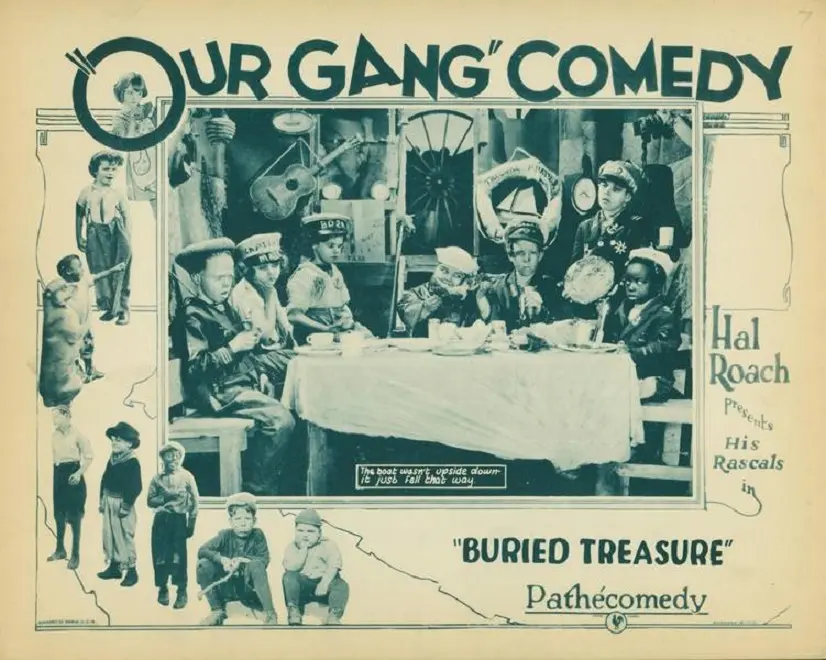
A definitive 6.9/10 rating for a film that redefined the boundaries of cult cinema. Buried Treasure remains a cornerstone of transgressive art.
Is 'Buried Treasure' (1926) worth watching today? Short answer: yes, but primarily as a historical artifact of early silent comedy, rather than a timeless source of entertainment. This film is an absolute must for cinephiles, film historians, and fans of the 'Our Gang' shorts, offering a fascinating glimpse into the nascent stages of comedic filmmaking and the innocent charm of its young stars. However, it is decidedly not for audiences seeking sophisticated narratives, fast-paced humor, or a film that transcends its nearly century-old context.
Stepping into the world of Hal Roach's 'Buried Treasure' is to journey back to a foundational moment in American comedy. Released in 1926, this silent short showcases the endearing, often chaotic energy of the 'Our Gang' troupe, long before they became the 'Little Rascals' household name. It’s a film that operates on a simple premise, executed with the raw, untamed spirit characteristic of children left to their own devices, a formula that Roach perfected. Yet, beneath the surface of its youthful exuberance, there lies a film that, while historically significant, struggles to resonate fully with contemporary sensibilities.
This film works because of its pioneering spirit in child-led comedy and the undeniable charisma of its young cast. It boldly places children at the center of an adventure, allowing their natural reactions and improvised antics to drive the humor, a revolutionary concept for its time. The sheer joy and conviction in their performances are infectious, a testament to Hal Roach's unique ability to direct children without stifling their innate playfulness.
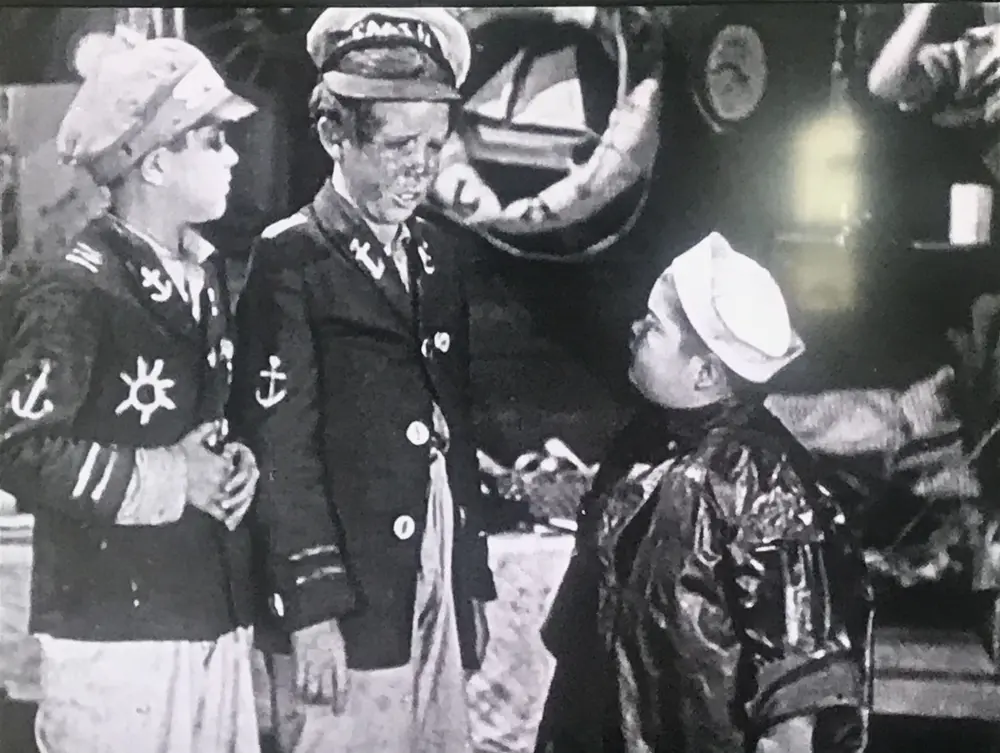
This film fails because its humor is often simplistic and its pacing, by modern standards, feels deliberate to a fault. The gags, while clever for 1926, lack the multi-layered wit and rapid-fire delivery expected by today's audiences. The narrative unfolds at a leisurely pace, demanding a patience that many contemporary viewers may not possess, particularly given the brevity of attention spans cultivated by a century of cinematic evolution.
You should watch it if you have a genuine interest in the evolution of cinema and appreciate the historical significance of early Hal Roach productions. It’s a foundational text, a building block in the edifice of comedic film, and offers invaluable insight into how storytelling and humor were crafted in the silent era. For those who view film as a living history, 'Buried Treasure' is indeed a find.
Hal Roach's directorial fingerprint is unmistakably pressed upon 'Buried Treasure'. Known for his work with Laurel and Hardy and, of course, the 'Our Gang' series, Roach had a knack for extracting genuine, unforced humor from his performers, especially children. Here, his direction is less about intricate camera work and more about capturing the spontaneous chaos that naturally arises when a group of kids is given a goal – in this case, a treasure hunt – and minimal adult supervision. The film feels almost like a home movie in its candidness, a testament to Roach's ability to create an environment where his young cast could simply be.
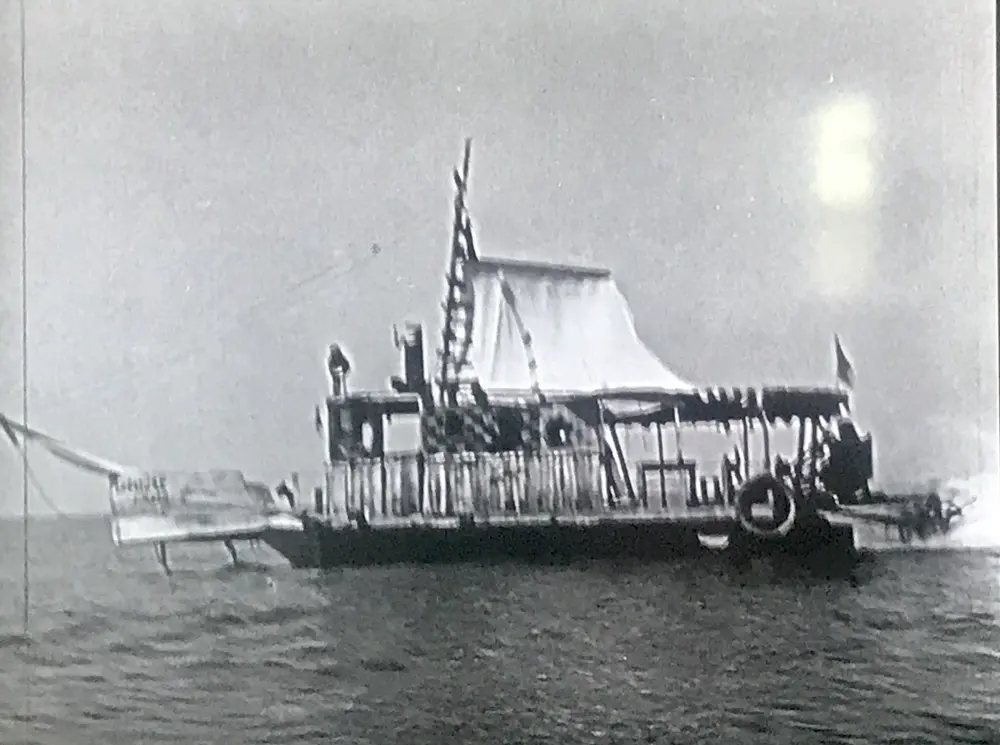
The pacing, however, is a different beast entirely. What might have felt brisk and engaging in the 1920s now registers as a leisurely stroll through the narrative. The initial setup, detailing the children’s efforts to construct their rudimentary vessel, unfolds with an almost documentary-like precision. We see every nail, every plank, every splash of water, in a sequence that might feel protracted to modern eyes. For instance, the extended shots of the children bailing water from their leaky boat or meticulously pushing it across the sand emphasize the struggle, but also stretch the comedic beats thin. This deliberate tempo, while challenging for modern viewers, inadvertently highlights the slower, more observational pace of life in the 1920s, making it almost an accidental documentary of its time's attention span.
Roach’s storytelling relies heavily on visual gags and the natural reactions of his young actors, rather than rapid-fire editing. This is a film where the audience is expected to absorb the scene, to watch the children’s expressions shift, and to appreciate the slow build-up to a payoff. It’s a style that demands patience, rewarding those who are willing to slow down and immerse themselves in a bygone era of filmmaking, where spectacle often meant simply putting children in an absurd situation and letting the cameras roll.
The heart of 'Buried Treasure' beats strongest in the performances of its young, often unpolished, cast. Featuring familiar faces from the 'Our Gang' series like Mickey Daniels, Joe Cobb, Mary Kornman, and the inimitable Allen 'Farina' Hoskins, the film thrives on their inherent charm and naturalistic acting. These weren't child stars in the modern sense; they were kids playing, and Roach was adept at capturing that authenticity.
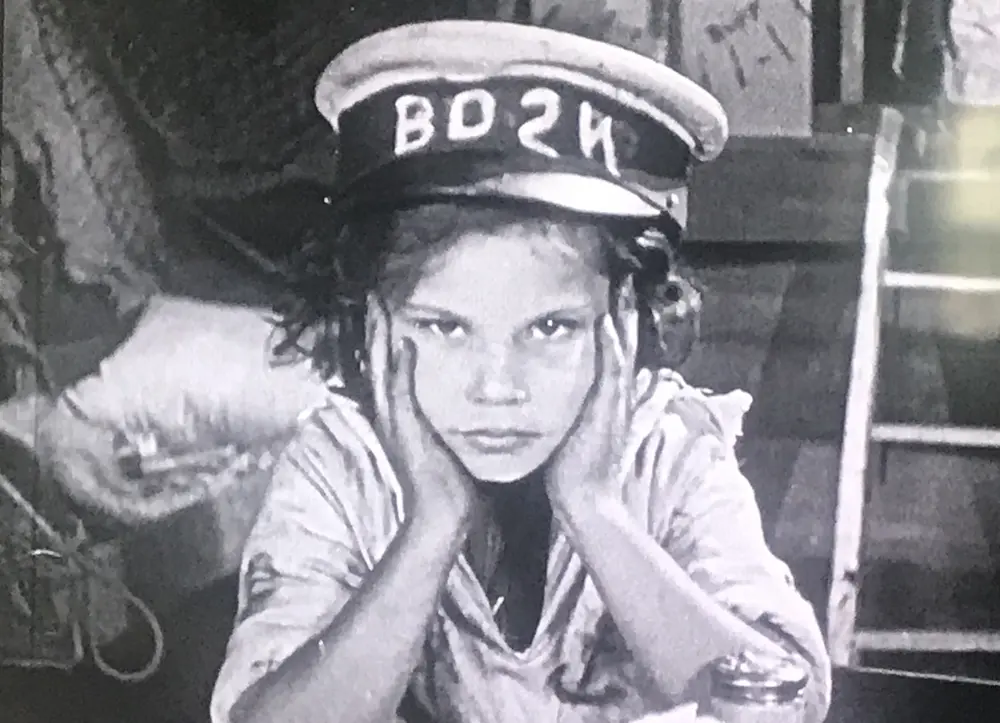
Mickey Daniels, with his trademark freckles and mischievous grin, embodies the spirit of youthful leadership, his expressions conveying both determined ambition and comedic exasperation. Joe Cobb, often the bigger, more stoic presence, provides a grounding force, his reactions a perfect foil to the more boisterous antics of the others. But it is arguably Allen 'Farina' Hoskins who steals every scene he's in. Farina’s wide-eyed innocence, his often bewildered or delighted expressions, are pure gold, a masterclass in non-verbal comedy that transcends the silent film medium. His reactions, from tentative curiosity to outright surprise, are consistently the most genuine and laugh-inducing elements of the film. Their collective energy is palpable, creating a dynamic that feels less like acting and more like genuine camaraderie.
The film's greatest strength isn't its simplistic plot, but the sheer, unadulterated charisma of its young ensemble, which often transcends the simplistic gags. They imbue their characters with a distinct personality that makes their adventure feel tangible, even when the narrative itself veers into the absurd. Their commitment to the bit – whether it's navigating a sinking boat or confronting 'natives' – is unwavering, and it’s this earnestness that truly endears them to the audience, then and now.
Cinematically, 'Buried Treasure' is a straightforward product of its time. Shot in black and white, the film relies on the visual language of silent cinema: exaggerated facial expressions, broad physical comedy, and clear, uncluttered frames. The camera work is functional rather than artistic, focusing on capturing the action and the reactions of the children. There are no sweeping crane shots or complex tracking movements; instead, Roach favors static shots that allow the humor to play out within the frame, often emphasizing the scale difference between the small children and their big adventure.
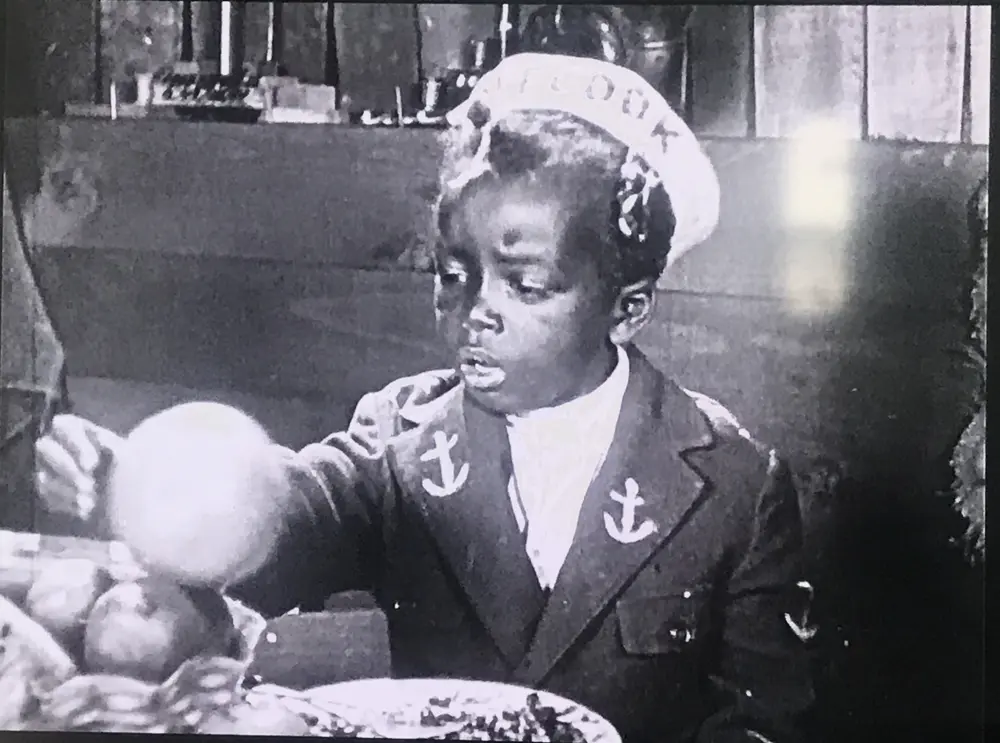
The tone is overwhelmingly whimsical and innocent. It’s a film steeped in the kind of childhood fantasy where anything is possible, and a rickety boat can indeed traverse oceans. The adventure, while seemingly fraught with peril, maintains a lightheartedness, never truly threatening the audience with genuine danger. Even the 'attack' by the 'natives' is framed with an underlying comedic tension, designed to elicit chuckles rather than fear. This playful tone is crucial, as it sets the stage for the film’s central twist – the reveal of the film crew – which then recontextualizes all the preceding 'dangers' as part of a larger, innocent misunderstanding.
The film's visual design, while simple, effectively communicates its narrative. The ramshackle boat, the lush island, the 'native' costumes – all are presented with a clarity that belies the rudimentary technology of the era. It works. But it’s flawed. The lack of sophisticated visual storytelling means the film leans heavily on its actors and the novelty of its premise to maintain engagement, which it largely succeeds in doing, thanks to its charming cast.
Yes, 'Buried Treasure' holds significant value for specific audiences today. For film historians and enthusiasts of silent cinema, it's an indispensable piece of the puzzle, illustrating the early comedic stylings of Hal Roach and the foundational work of the 'Our Gang' ensemble. It offers a direct window into the filmmaking techniques and societal sensibilities of the 1920s.
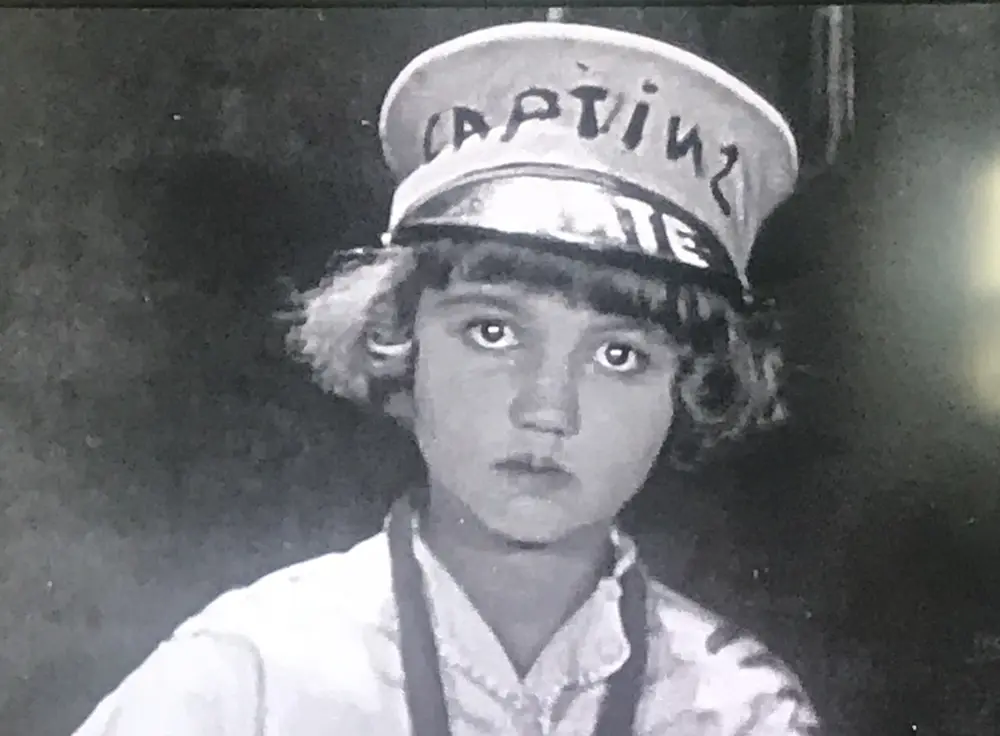
However, for the casual modern viewer seeking pure entertainment, its appeal is limited. The humor is dated, the pacing can feel slow, and the visual quality is, by necessity, a product of its time. It requires an appreciation for historical context to truly enjoy. It is not a film that effortlessly crosses the generational divide like some timeless classics. It's a niche watch, a historical curiosity that rewards the patient and the curious, but might leave others wanting more.
The core strength of 'Buried Treasure' lies in its inventive premise and the sheer, unadulterated joy of watching children on an adventure. The twist, where the menacing 'natives' are revealed to be a film crew, is genuinely clever for its time, a meta-commentary on the very nature of staged reality. It’s a moment that elevates the film beyond a simple slapstick short, adding a layer of ironic humor that still holds up. The natural performances of the 'Our Gang' kids, particularly Farina's unforgettable expressions, are undoubtedly the film’s biggest asset, providing consistent smiles even when the plot wavers.
However, the film is not without its significant weaknesses. The humor, while pioneering, often relies on simplistic sight gags and a slower build-up that can test modern patience. Some of the gags, particularly those involving the rickety boat, feel stretched. More critically, while the 'natives' gag is central to the plot, it's also the film's most problematic element when viewed through a contemporary lens. The portrayal, while intended as a comedic misunderstanding, relies on stereotypical imagery that can feel culturally insensitive today. This highlights how humor evolves and often leaves past attempts behind, forcing us to view such historical artifacts with a critical and contextual eye. The film's reliance on this specific trope, while integral to its narrative, undeniably dates it in a way that some other silent comedies manage to avoid.
Ultimately, 'Buried Treasure' is a mixed bag. It’s a film that showcases the burgeoning talent of Hal Roach and his young stars, but also one that is deeply entrenched in the comedic conventions and cultural blind spots of its era. Its historical value far outweighs its entertainment value for a broad contemporary audience.
Hal Roach's 'Buried Treasure' (1926) is more than just a silent comedy short; it is a fascinating relic, a snapshot of a nascent art form finding its voice through the unadulterated energy of children. It’s a film that, despite its rough edges and the inevitable aging of its humor, remains a vital piece of cinematic history. While it may not elicit belly laughs from every modern viewer, its value lies in its pioneering spirit, the sheer charisma of its young cast, and its surprisingly meta-textual twist. This isn't a film to passively consume; it's one to study, to appreciate for its place in the grand tapestry of film. For those willing to dig, a different kind of treasure awaits, one of historical insight and a glimpse into the innocent, adventurous heart of early Hollywood.
IMDb —
1918
Community
Log in to comment.