DbcultAccessing Vault...
6.6/10
Senior Film Conservator
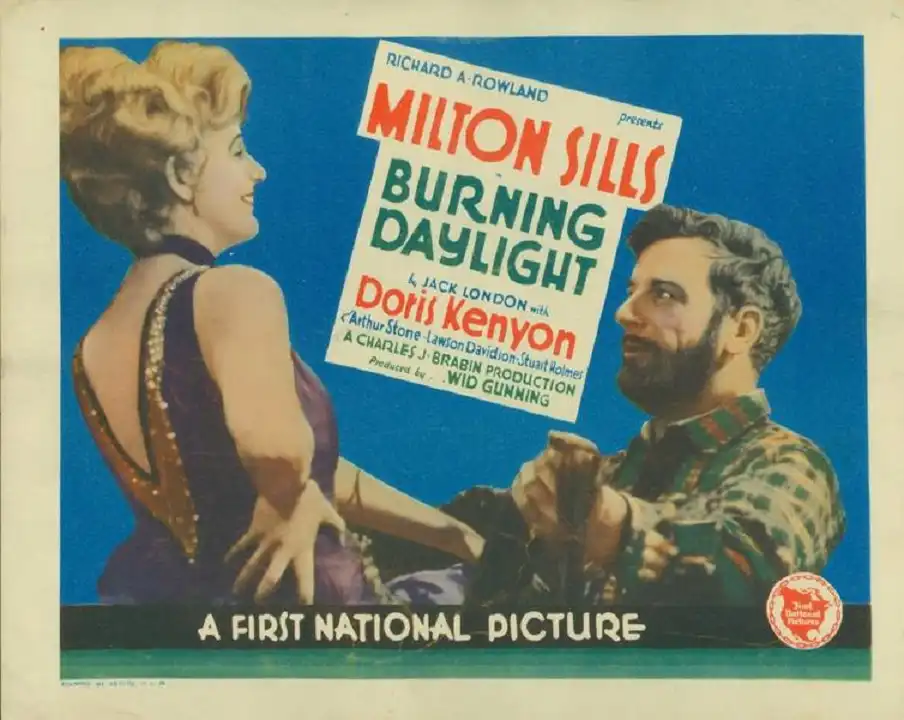
A definitive 6.6/10 rating for a film that redefined the boundaries of cult cinema. Burning Daylight remains a cornerstone of transgressive art.
If you have about ninety minutes and a high tolerance for the specific brand of masculine posturing that only 1920s silent films can provide, Burning Daylight is worth a look. It’s not a masterpiece, and honestly, it’s barely a Jack London adaptation by the time the third act rolls around, but it’s a great showcase for Milton Sills’ face. The man had a way of looking like he was trying to physically push the camera back with his eyes.
You’ll probably like this if you enjoy the 'fish out of water' trope or if you’ve ever wanted to see a rugged frontiersman try to navigate a dinner party without breaking the furniture. You will likely hate it if you’re looking for the psychological depth of the original novel. This version is much more interested in the melodrama of a guy getting cheated by city slickers.
The Alaska scenes at the start are the best part. There’s a gritty, tactile quality to the snow and the heavy coats. You can almost feel the dampness. Sills plays Elam Harnish—nicknamed 'Burning Daylight'—with this restless energy that makes the early gambling scenes actually feel tense. There’s a moment where he’s pouring drinks and his hands look absolutely massive compared to the glasses. It’s a small detail, but it sells the idea that he belongs in the wilderness more than any bit of dialogue could.
Then the movie moves to San Francisco, and the tone just... shifts. It’s like the film itself gets a haircut and puts on a suit it doesn't quite fit into. The villains, the 'investment sharks,' are almost comical. They have these thin mustaches and oily expressions that scream 'I am going to steal your money' from the second they appear on screen. It’s not subtle. If you’ve seen The Show, you know how these silent era villains can sometimes lean too hard into the sneering, and it happens here in spades.
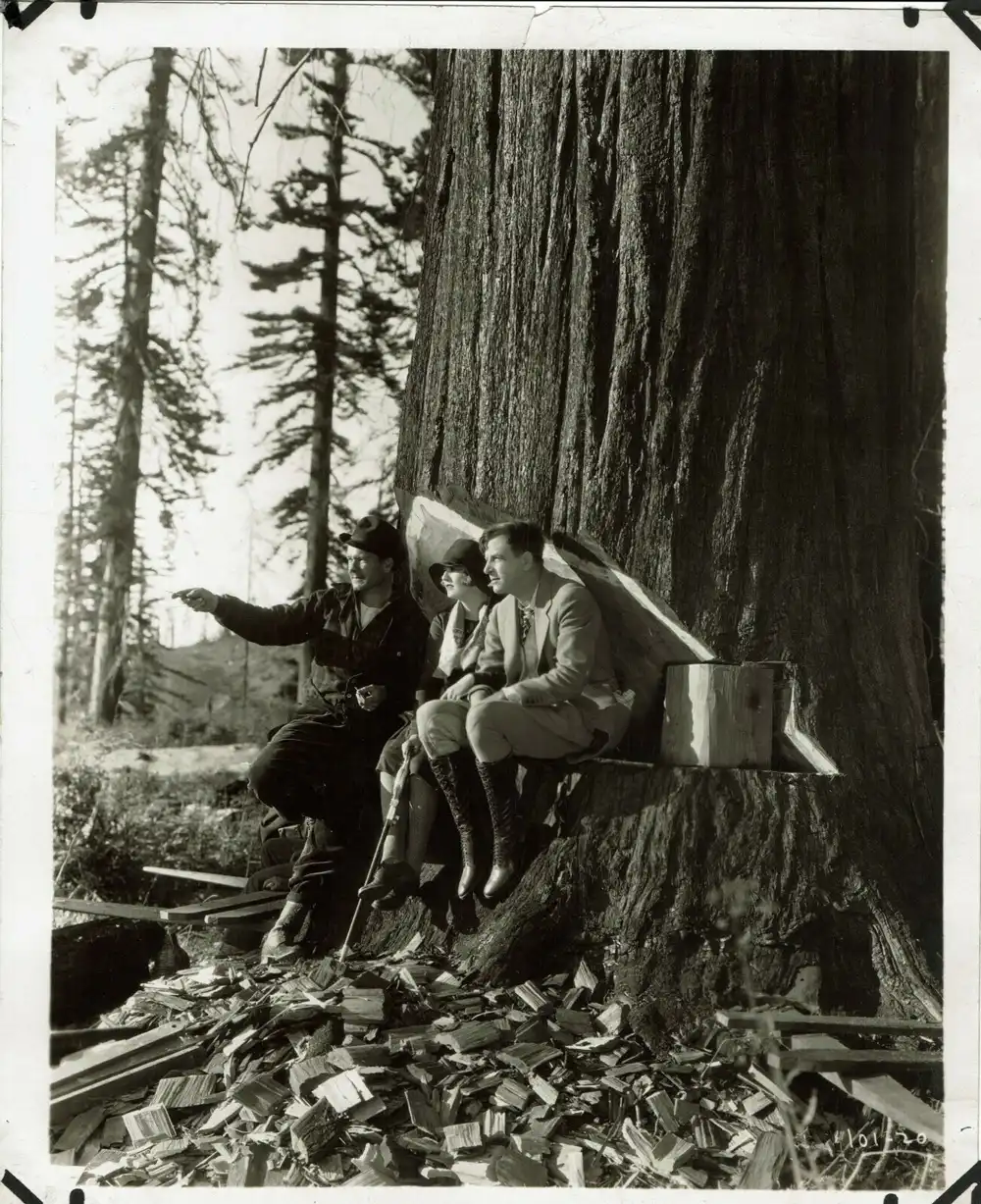
There is a scene in an office where the legal jargon is handled through title cards, and it drags. You can feel the movie trying to explain the mechanics of a financial double-cross, but it’s just not as interesting as watching Sills look confused in a tuxedo. He looks genuinely uncomfortable in the city clothes, which might have been intentional acting, but it honestly feels like Sills himself just wanted to get back into the flannel shirt.
Doris Kenyon is fine as the love interest, though her role feels a bit like an afterthought compared to the business betrayal plot. They were married in real life at the time, and you can see a bit of that comfort in the way they stand near each other, but the script doesn't give them much to do other than look vaguely concerned. It’s not exactly the burning chemistry you’d hope for given the title.
There’s a strange edit about halfway through where a character walks through a door and seems to teleport across the room. It’s one of those silent film quirks that makes you wonder if a few frames were lost or if the editor just gave up for the day. Also, pay attention to the extras in the background of the San Francisco scenes. Some of them are staring directly at the camera with this 'am I doing this right?' look that is way more entertaining than the actual conversation happening in the foreground.
The pacing is lopsided. The buildup in the Yukon takes its time, which is good, but the resolution in the city feels rushed and then strangely slow at the same time. There’s a confrontation toward the end that should feel high-stakes, but it mostly involves people standing around a desk looking stern. It lacks the visceral energy of the earlier scenes where Sills is battling the elements.
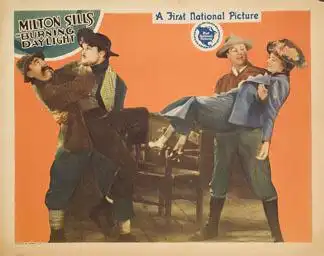
I kept thinking about The City That Never Sleeps while watching the urban segments. That movie understood the 'weight' of the city better. Here, San Francisco feels like a series of painted backdrops and very clean rugs. It doesn't feel lived in.
One shot I did love: a close-up of Sills’ face when he realizes he’s been played. He doesn't do the big, theatrical 'oh no' gesture. He just goes very still. For a few seconds, the movie stops being a melodrama and feels like a real character study. Then, of course, it goes back to the big gestures, but that one moment was great.
Is it a lost classic? No. But it’s a solid example of how 1920s cinema tried to bridge the gap between the rough-and-tumble adventure stories of the previous decade and the more 'sophisticated' social dramas that were becoming popular. It doesn't always succeed, but watching Milton Sills try to carry the whole thing on his shoulders is worth the price of admission, even if the movie eventually collapses under its own weight.
The ending is a bit too neat. It feels like the writers realized they were running out of film and needed to wrap everything up with a bow. It’s satisfying in a basic way, but it lacks the bite of London’s prose. Still, if you’re a fan of the era, it’s a decent Sunday afternoon watch. Just don't expect it to change your life.
IMDb —
1922
Community
Log in to comment.