DbcultAccessing Vault...
7.3/10
Senior Film Conservator
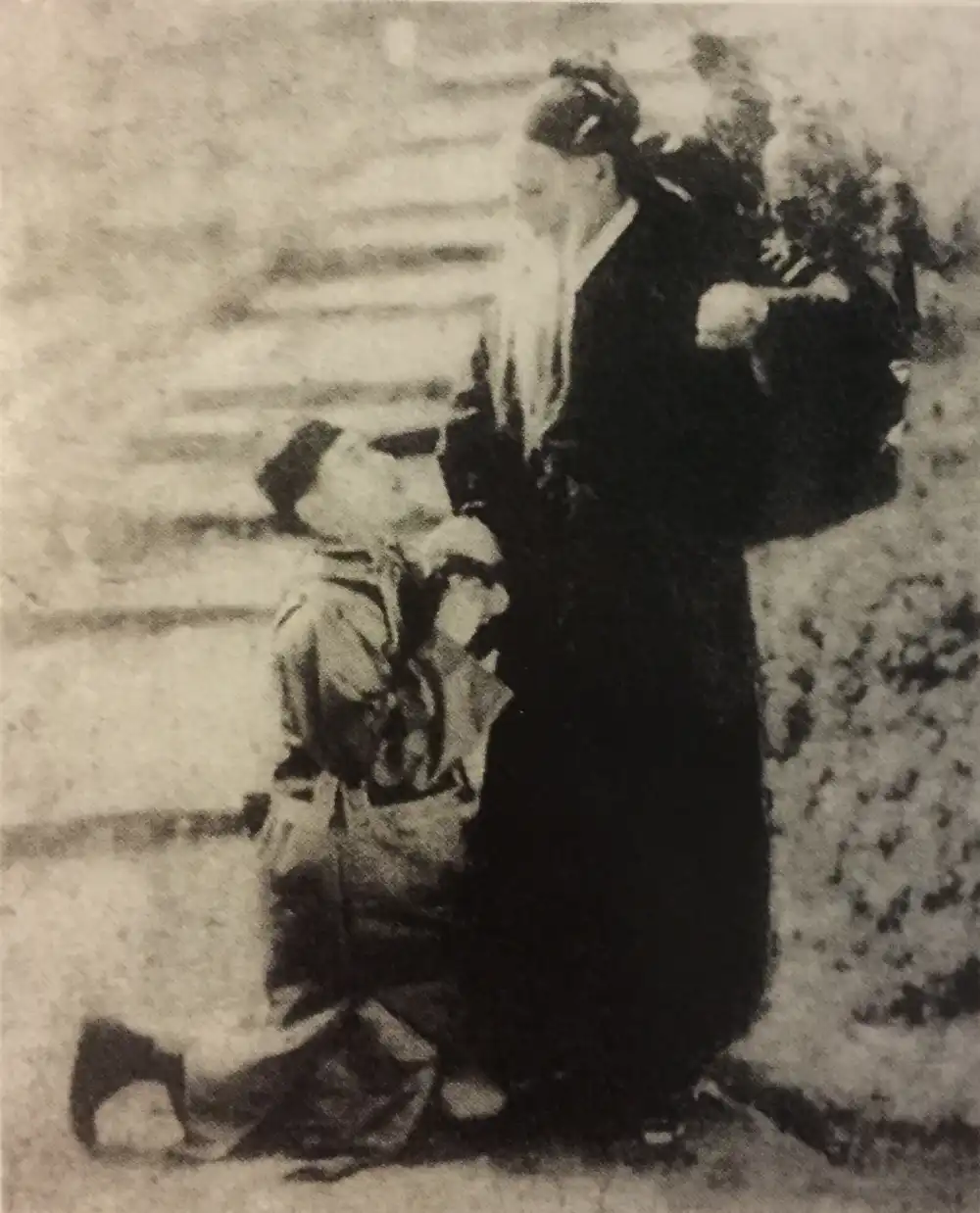
A definitive 7.3/10 rating for a film that redefined the boundaries of cult cinema. Burning of the Red Lotus Temple remains a cornerstone of transgressive art.
If you have twenty-seven hours to kill and a high tolerance for flickering black-and-white film stock, this might be for you. Realistically, though, it’s for the completionists and the people who want to see where every 'flying' swordsman trope actually started. Most of it is lost to time now, but what remains—and the sheer reputation of it—is exhausting just to think about. It’s not a movie so much as a lifestyle choice.
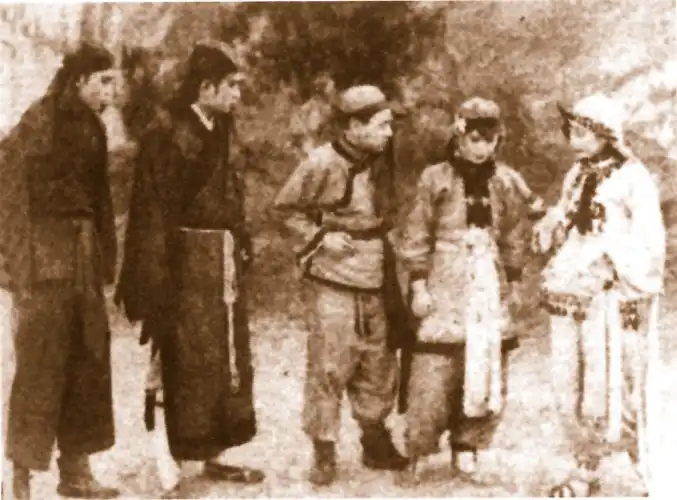
The first thing that hits you is the pacing. Or the lack of it. Because this was adapted from a newspaper serial, it feels exactly like reading a daily column. It meanders. It goes off on tangents. You’ll spend ten minutes watching someone walk through a courtyard just because the camera was there and they had the film to burn. It’s the opposite of modern editing. Sometimes a shot of a decorative vase lingers so long you start wondering if the cinematographer fell asleep.
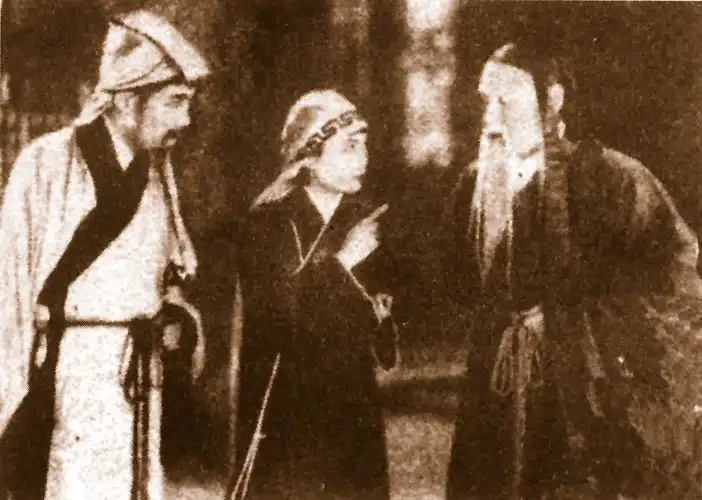
Butterfly Wu is the standout here. There’s a specific way she carries herself—this mix of grace and 'don't mess with me'—that makes the rest of the cast look like they’re just waiting for their cues. When she’s on screen, the movie actually feels alive. When she’s not, you’re mostly looking at guys in heavy silk robes having very long, very static conversations that make John Heriot's Wife look like an action thriller.
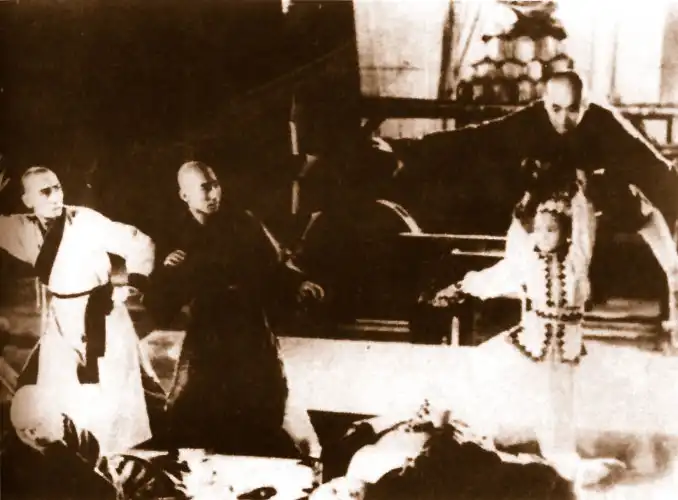
The 'special effects' are where the charm is, though. You can see the wires. You can see the jump cuts where they stopped the camera, moved an actor, and started it again to make them 'disappear.' It’s primitive, but there’s a sincerity to it. There’s a scene in the temple where a character leaps onto a roof, and you can practically feel the wooden stage shaking under their feet. It’s not 'convincing,' but it’s tactile in a way CGI never is.
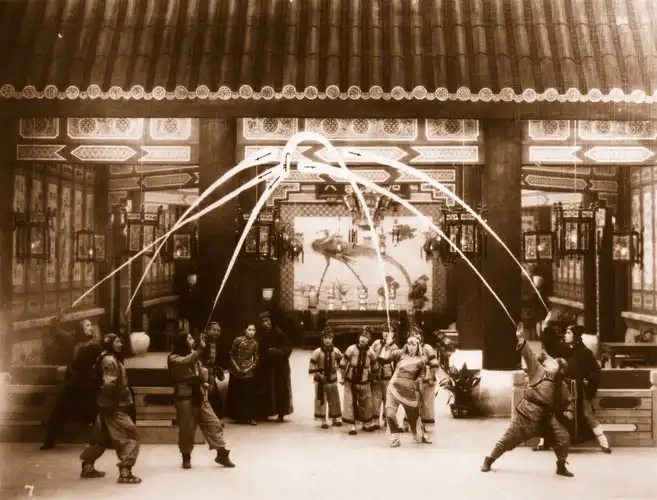
I noticed the background extras in the temple scenes often look completely lost. There’s one guy in the second part who just stares directly at the lens for a solid three seconds before realizing he’s supposed to be looking at the hero. It’s those little cracks in the production that make it human. It’s not polished like Shadows of Paris; it’s a chaotic, sprawling mess of an ambition.
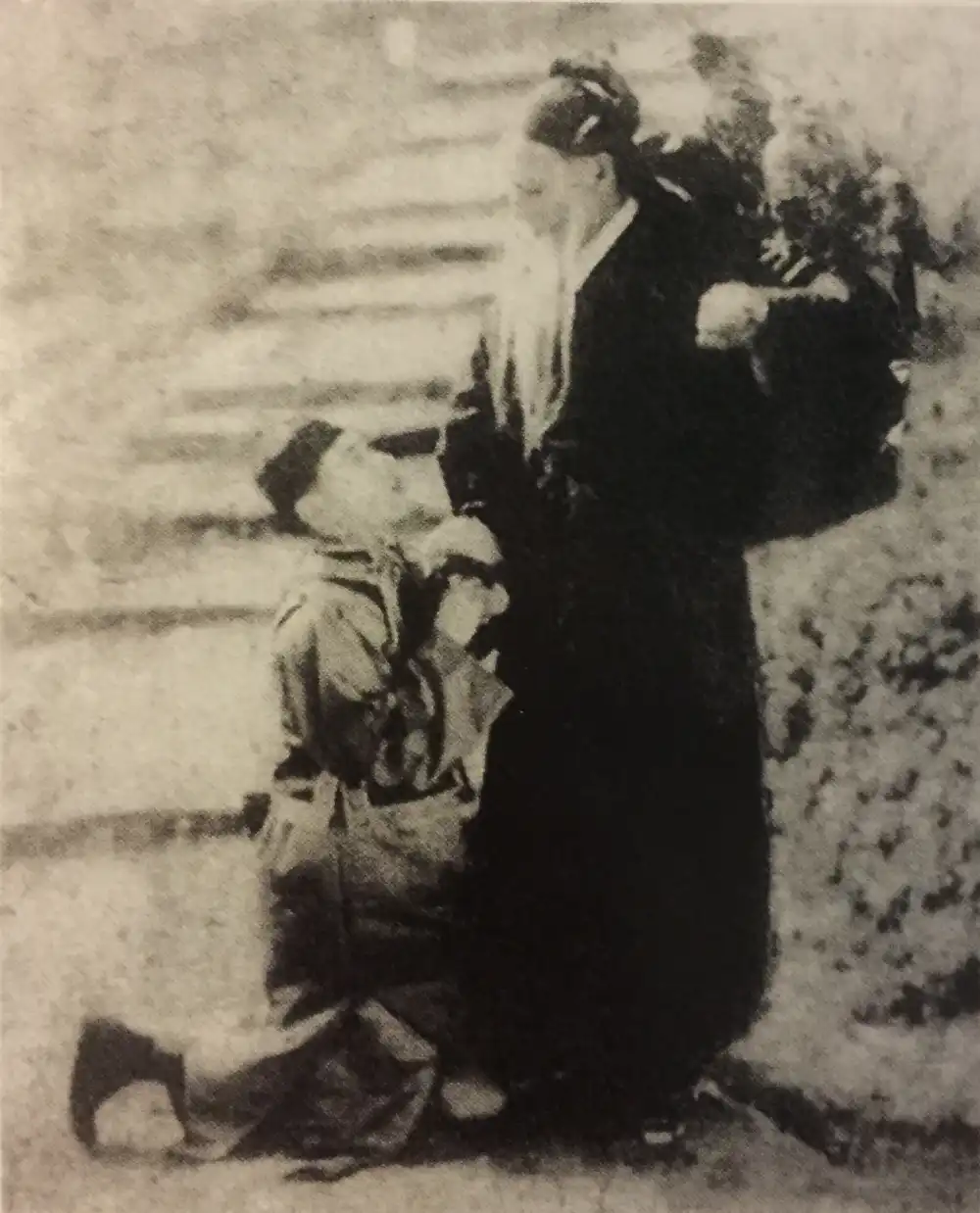
The costume design is weirdly inconsistent. Some characters look like they walked out of a high-end history book, while others look like they’re wearing whatever was left in the back of the theater closet. The hats, specifically, are a choice. Some of them are so tall and top-heavy that the actors look like they’re balancing eggs on their heads while trying to perform martial arts.
Does the story hold up? Not really. It’s a lot of 'you killed my master' and 'now I must find the secret scroll.' If you’ve seen one wuxia film, you’ve seen the DNA of it here. But the scale is what’s impressive. By the time you get to the actual burning of the temple, you feel like you’ve lived in that building for a month. The fire looks great, though—real flames, real smoke, and a genuine sense of 'we only have one take for this because the set is literally disappearing.'
The music—if you’re watching a version with a live score or a recorded track—usually tries to do too much. The silence in the original fragments is actually better. It lets the weirdness of the visuals breathe. There’s a sequence with a hidden trapdoor that is edited so clunkily it becomes a bit of a comedy, which I doubt was the intention in 1928.
It’s a lot more interesting as a piece of history than as a Friday night watch. You’ll find yourself checking your phone, looking at the clock, and wondering how they managed to keep this going for 18 installments. It’s the original 'content' dump. It lacks the tight emotional grip of something like A Fool There Was, but it replaces that with pure, unadulterated spectacle. Even when the spectacle is just a guy in a cape standing on a very obvious wooden box.
I wouldn't recommend the whole thing to anyone with a social life. But watching a few hours of it? It’s worth it just to see the moment the temple finally goes up. You can almost hear the crew cheering off-camera because they finally got to go home.
IMDb 5.4
1918
Community
Log in to comment.