DbcultAccessing Vault...
5/10
Senior Film Conservator
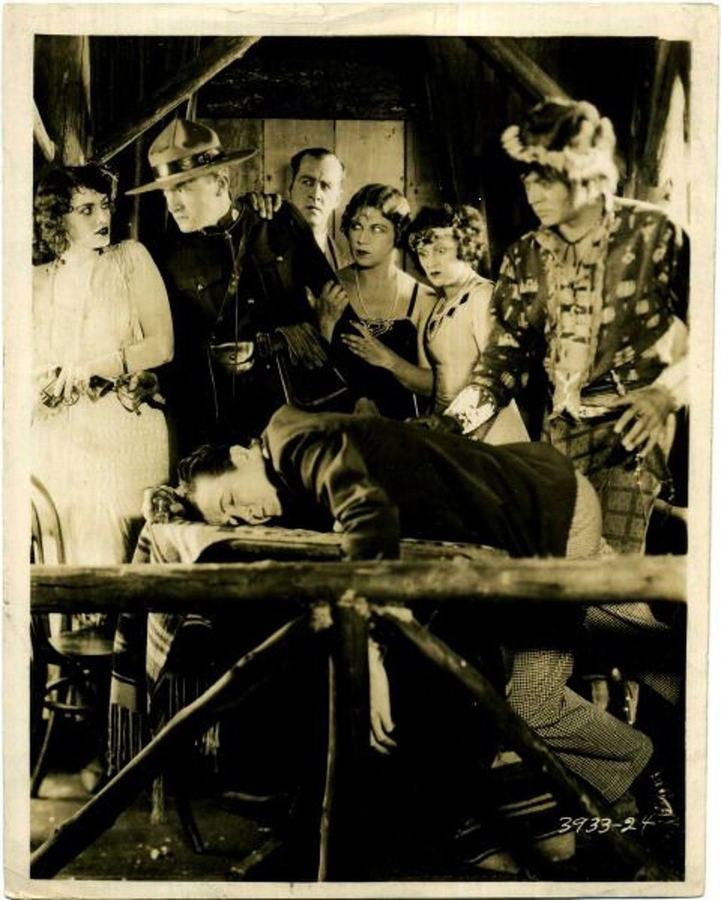
A definitive 5/10 rating for a film that redefined the boundaries of cult cinema. Burning Words remains a cornerstone of transgressive art.
Step into the shadows of cinematic history, where the flickering light of a projector once illuminated grand narratives and intimate human struggles. Today, we cast our gaze upon Burning Words, a silent film from 1923 that, despite its age, still possesses a potent emotional charge and a surprisingly intricate plot. It’s a compelling journey into the heart of loyalty, sacrifice, and the often-blurry lines between innocence and culpability, set against the rugged backdrop of the Canadian wilderness. This isn't merely an artifact of a bygone era; it's a testament to the enduring power of storytelling, even without the luxury of spoken dialogue.
At its core, Burning Words is a tale woven with the threads of fraternal devotion, a bond so strong it compels one man to embrace a fate he doesn't deserve. We are introduced to David and Ross Darby, both proud members of the Royal Canadian Mounted Police. Their shared profession implies a certain code of honor, a commitment to justice, yet it is within this very framework that their personal drama unfolds. Ross, the younger brother, finds himself ensnared in a web of suspicion, accused of the murder of a character named Slip Martin. The gravity of the charge – a capital offense – hangs heavy in the air, threatening to sever the Darby lineage with a swift, brutal stroke.
David, portrayed with a stoic intensity by Roy Stewart, refuses to believe in his brother’s guilt. His faith, or perhaps his desperate hope, drives him to an extraordinary act of self-sacrifice. In a dramatic turn that forms the initial emotional anchor of the film, David takes the blame himself, confessing to a crime he did not commit to spare Ross from the gallows. This act immediately elevates the narrative beyond a simple whodunit, transforming it into a profound exploration of brotherly love, duty, and the agonizing choices born from desperation. It’s a moment that resonates with the kind of tragic heroism one might find in classical literature, reminiscent of the profound sacrifices explored in narratives like Romeo and Juliet, though here, the love is fraternal rather than romantic, and the stakes are the very essence of justice.
However, Harrison Jacobs, the film's writer, is not content with a straightforward tale of noble sacrifice. Just as the audience begins to settle into the tragic beauty of David’s decision, a disquieting twist emerges. Information surfaces, whispers and circumstantial evidence, that casts a dark shadow of doubt over Ross's innocence. The very brother David sought to protect might, in fact, be the cold-blooded killer. This narrative pivot is masterfully executed, plunging the audience into an abyss of moral ambiguity. It forces a re-evaluation of everything we thought we knew, challenging our initial sympathies and deepening the psychological complexity of the characters. Harold Goodwin delivers a nuanced performance as Ross, oscillating between vulnerability and a subtle undercurrent of something more sinister, making his potential guilt all the more unsettling.
Adding another layer to this intricate tapestry of deceit and suspicion is Mary Malcolm, a dance-hall girl whose presence in the narrative is both intriguing and pivotal. Portrayed by the luminous Laura La Plante, Mary is not just a peripheral figure; she holds the key to the entire mystery. Her character embodies the classic trope of the woman who knows too much, her silence a heavy burden, her potential revelation capable of shattering lives. La Plante imbues Mary with a captivating blend of vulnerability and veiled strength, her expressions conveying volumes without a single uttered word. The tension surrounding her knowledge is palpable, creating an agonizing anticipation for the moment her truth will finally be unveiled.
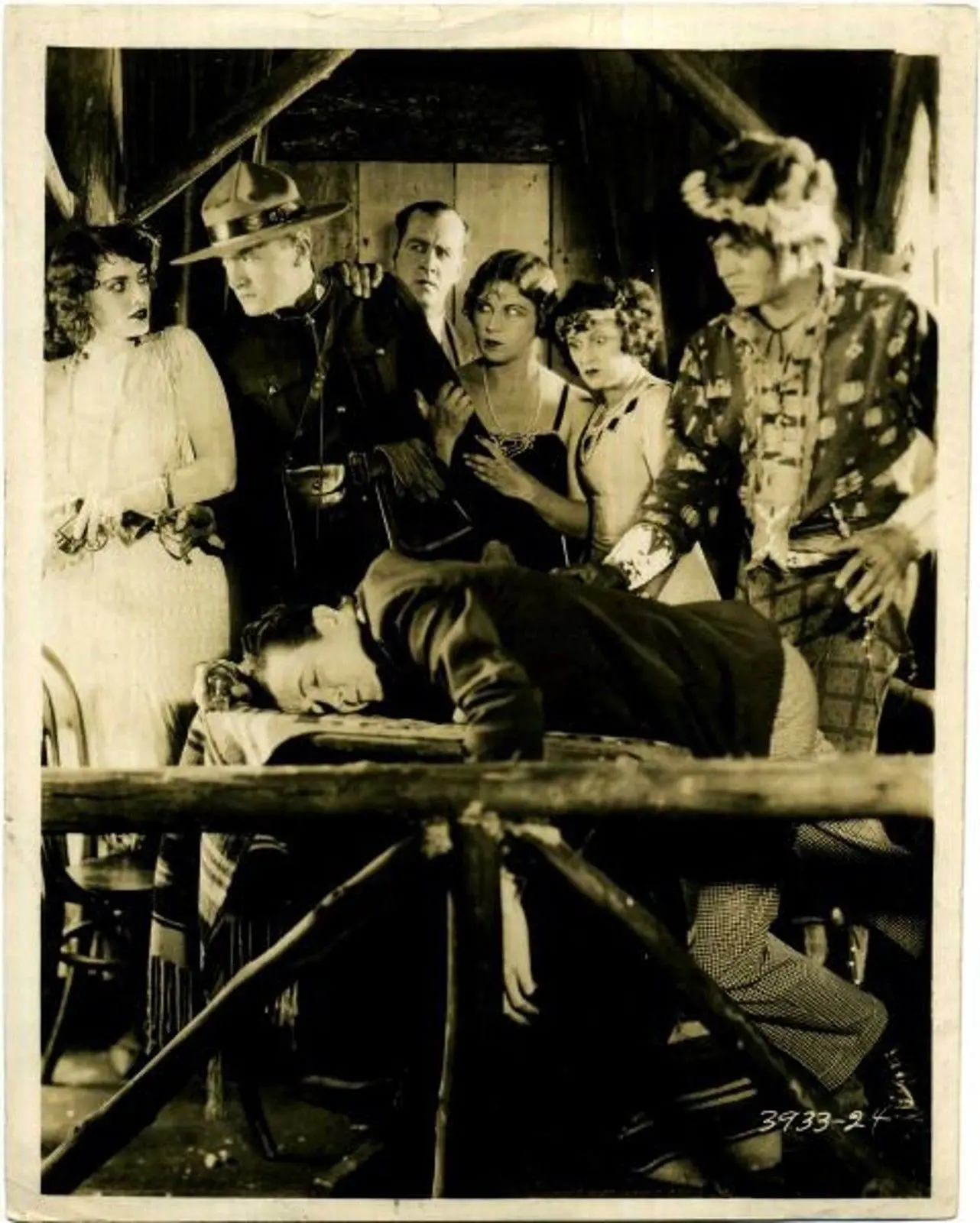
The casting throughout Burning Words is commendable, a testament to the talent pool of the silent era. Beyond the central trio, supporting players like Edith Yorke, Noble Johnson, Harry Carter, Alfred Fisher, George A. McDaniel, and William Welsh contribute to the film’s rich texture. Edith Yorke, often a formidable presence, likely adds gravitas to her role, while Noble Johnson, known for his imposing physicality, would have brought a certain intensity to his character. The collective performances, relying solely on exaggerated gestures, facial expressions, and the subtle nuances of body language, manage to convey a surprising depth of emotion, a hallmark of the era’s best cinematic offerings. It's a reminder of how effectively actors communicated before the advent of synchronized sound, a skill perhaps best appreciated when comparing it to other silent dramas like The Unknown, which similarly relied on visual storytelling to build suspense and character.
Harrison Jacobs’ screenplay demonstrates a keen understanding of dramatic structure, particularly in its ability to build suspense and introduce reversals. The initial setup of David’s sacrifice is compelling enough, but the subsequent revelation of Ross’s potential guilt elevates the story from a simple melodrama to a sophisticated psychological thriller. This narrative complexity is a testament to Jacobs’ skill, allowing the film to transcend the often-simplistic plots associated with early cinema. The 'burning words' of the title could easily refer to the unspoken truths, the desperate lies, or the confessions that irrevocably alter destinies. The script’s ability to maintain a tight grip on its audience, despite the lack of auditory cues, speaks volumes about its inherent strength and the universal resonance of its themes.
Visually, Burning Words likely employed the stylistic conventions of its time, using stark contrasts between light and shadow to emphasize emotional states and create a sense of foreboding. The frontier setting, with its vast, untamed landscapes, would have provided a powerful visual metaphor for the wild, untamed emotions at play. One can imagine sweeping shots of the Canadian wilderness, juxtaposed with the claustrophobic interiors where secrets are whispered and fates are sealed. The visual storytelling, characteristic of the silent era, would have relied heavily on intertitles to convey dialogue and exposition, but the true artistry lies in how the camera captures the unspoken, the glances, the hesitations, and the sudden bursts of emotion. Films like A Romance of Burke and Wills Expedition of 1860, though focusing on a different kind of frontier, showcase how early cinema leveraged vast landscapes to amplify human drama.
The pacing of Burning Words is crucial to its success. Silent films often had a rhythm that was unique, building tension through sustained sequences of visual storytelling, punctuated by dramatic revelations. The film’s ability to shift gears from a tale of sacrifice to one of mounting suspicion requires careful calibration, ensuring that each plot twist feels earned and impactful. The emotional journey of David, from unwavering belief to agonizing doubt, is central to this pacing. His internal conflict, though silent, must be conveyed with utmost clarity, allowing the audience to empathize with his plight. This kind of intricate character development, reliant on visual cues and subtle acting, is a hallmark of the best silent dramas, much like the nuanced performances seen in Honor's Altar, where moral dilemmas drive the narrative.
In an era that was rapidly defining cinematic language, Burning Words stands as a testament to the power of narrative ambition. It doesn't shy away from uncomfortable questions about loyalty, the nature of truth, and the burden of secrets. The film challenges its audience to look beyond the surface, to question appearances, and to grapple with the moral complexities that arise when familial bonds clash with the demands of justice. It’s a film that, even a century later, retains its capacity to provoke thought and stir emotions, a quality shared by many enduring works of art, from the grand spectacles of Creation to the intimate character studies of its contemporaries.
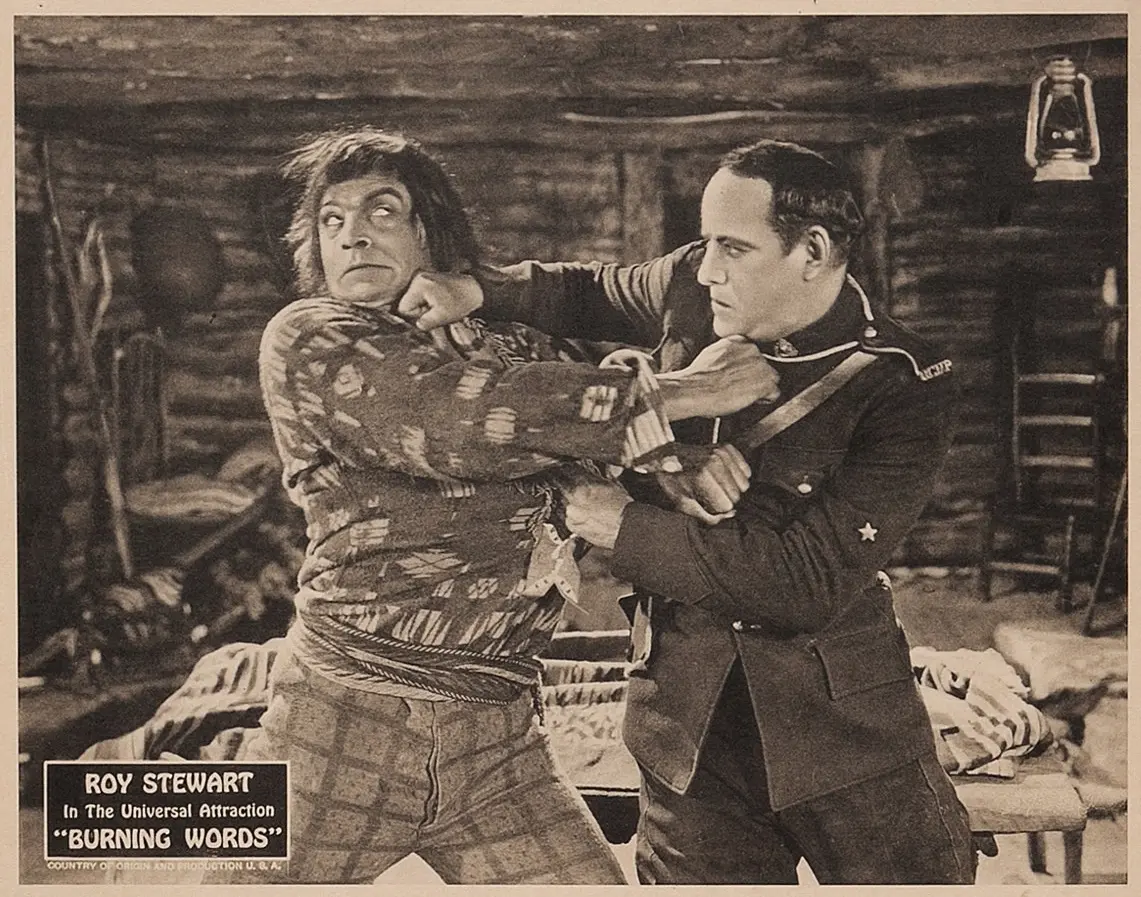
The film’s enduring appeal lies in its exploration of universal themes. The idea of sacrificing oneself for a loved one is a powerful, timeless motif. But the twist – the possibility that the sacrifice might be for a guilty party – elevates the narrative into something far more profound and unsettling. It forces us to confront the uncomfortable truth that our most cherished beliefs can be shattered, and that the people we hold dearest are capable of unimaginable acts. Mary Malcolm’s role as the silent witness, the holder of the ultimate truth, adds a layer of suspense that keeps the audience on edge, eager for her revelation. Her character represents the ultimate arbiter of fate, making her a crucial element in the film’s intricate design.
Ultimately, Burning Words is more than just a historical curiosity; it’s a robust piece of dramatic storytelling that showcases the strengths of silent cinema. Its narrative ambition, compelling characters, and potent themes ensure its place as a noteworthy entry in the annals of early film. For those willing to immerse themselves in the unique language of silent movies, it offers a deeply rewarding experience, a journey into a world where emotions are writ large on the screen, and the unspoken carries the greatest weight. It reminds us that stories of sacrifice, betrayal, and the relentless pursuit of truth are as captivating today as they were a century ago, proving that some narratives truly are timeless, burning brightly across generations. The legacy of films like The Love Pirate or What Am I Bid?, while potentially different in genre, also speaks to the diverse and inventive storytelling of this foundational period in cinema, where filmmakers were constantly pushing the boundaries of what was possible without sound.
The sheer audacity of David’s initial confession, followed by the insidious creep of doubt regarding Ross's true nature, creates a narrative tension that few films, even with the benefit of modern technology, can replicate. It’s a masterclass in how to manipulate audience expectations and deepen emotional investment without a single line of dialogue. The power of the silent film medium, often underestimated by contemporary viewers, is fully on display here. Every gesture, every glance, every subtle shift in posture becomes a critical piece of information, contributing to the overall emotional and intellectual experience. It’s this meticulous attention to visual detail that allows Burning Words to transcend its technical limitations and deliver a truly profound dramatic experience.
Consider the ethical quagmire David finds himself in: having taken responsibility for a crime, he then learns that his brother, for whom he sacrificed everything, might actually be guilty. This isn't just a plot twist; it's an existential crisis. How does one reconcile such a profound act of love with the potential for such a devastating betrayal? This internal struggle, silently conveyed through Stewart's performance, is the beating heart of the film. It's a theme that echoes through the ages, resonating with the very human struggle of confronting uncomfortable truths about those closest to us. The film’s ability to evoke such complex moral dilemmas, without the aid of spoken introspection, is a testament to the powerful visual language and the compelling performances of its cast.
Moreover, the character of Mary Malcolm serves as a crucial catalyst and moral compass. Her knowledge, held in abeyance, represents the ultimate truth, the unvarnished reality that threatens to upend the fragile peace David has attempted to construct. Laura La Plante’s portrayal, full of unspoken intensity and hidden depths, makes her a truly captivating figure. She is not merely a plot device; she is an active agent, her decision to reveal or conceal the truth carrying immense weight. Her presence injects an additional layer of suspense, transforming the narrative into a tense waiting game, a constant anticipation of her pivotal revelation. This kind of character, holding the key to the entire mystery, is a timeless element of suspense, seen in countless films across different eras, from the earliest silent thrillers to modern-day blockbusters.
The legacy of Burning Words lies not just in its engaging plot but in its profound exploration of human nature. It delves into the dark corners of loyalty, betrayal, and the search for justice in a world that is often anything but just. It reminds us that the truth can be a double-edged sword, capable of both liberating and destroying. For anyone interested in the foundational narratives of cinema, or simply in a gripping story well told, Burning Words remains a compelling watch, a vibrant ember from a bygone era that still glows with narrative power. Its themes are as relevant today as they were a century ago, a testament to the timeless appeal of well-crafted drama and the enduring power of the human story, even when conveyed through the silent, evocative language of the silver screen. It stands tall among the inventive and dramatic productions of its time, such as Hollywood, which captured the nascent spirit of filmmaking, or even the adventurous spirit of Treasure Bound, showcasing the breadth of storytelling during the silent era.
IMDb 6
1931
Community
Log in to comment.