DbcultAccessing Vault...
Cult Review
Senior Film Conservator
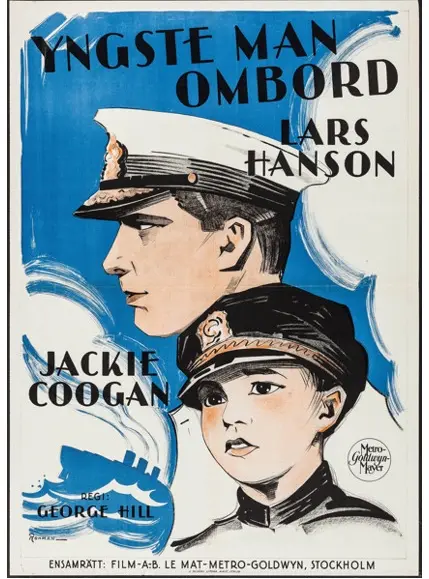
Is Buttons a hidden masterpiece of the late silent era? Short answer: No, but it is a fascinating technical achievement that serves as a bridge for Jackie Coogan’s fading childhood stardom. This film is specifically for those who enjoy the 'disaster' subgenre of silent cinema and historians of child stardom, but it is certainly not for those looking for a cohesive, well-paced narrative.
This film works because it utilizes practical shipwreck effects that still feel visceral and dangerous even a century later. This film fails because it attempts to marry a dark subplot of marital infidelity with the slapstick antics of children, creating a tonal whiplash that never quite settles. You should watch it if you want to see how 1920s cinema handled massive scale and physical stakes without the safety net of modern CGI.
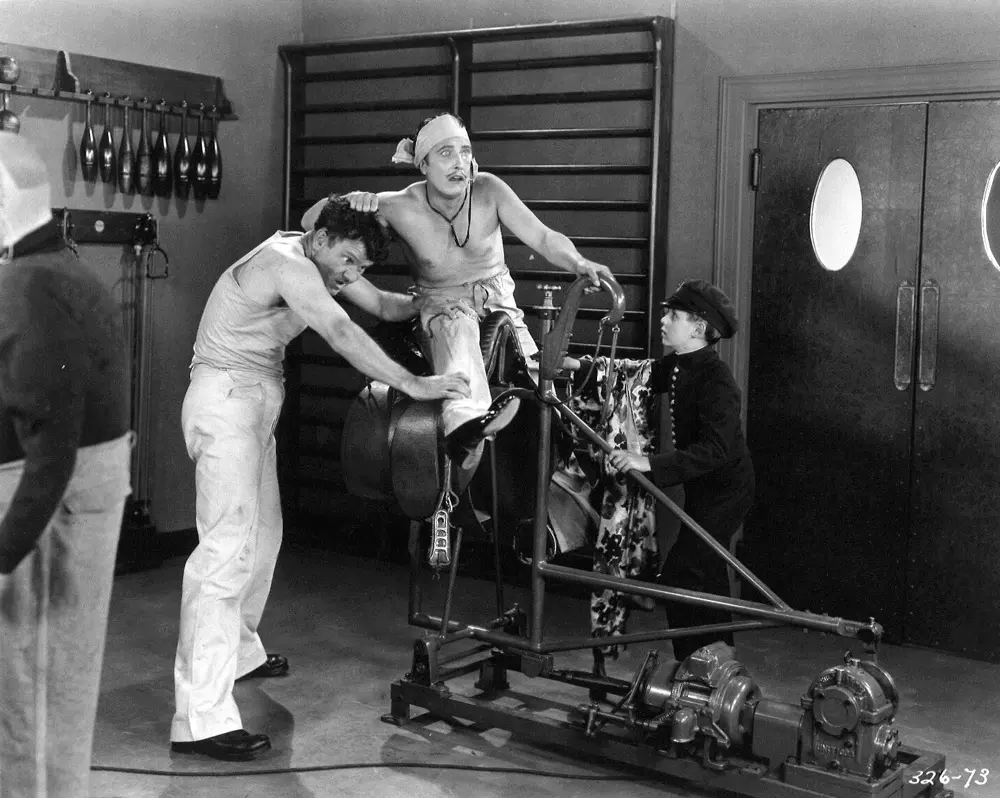
By 1927, Jackie Coogan was no longer the tiny waif who stole hearts in Charlie Chaplin’s orbit. He was an adolescent, and Buttons is a clear attempt by MGM to keep him relevant in a rapidly changing industry. Coogan’s performance here is more calculated than his earlier work. He isn't just reacting to the world; he’s trying to control it. The opening scenes, where he navigates the gritty streets before securing his post on the ship, show a street-smart edge that feels more grounded than the sentimental fluff often found in Kids and Kidlets.
His chemistry with Carl 'Major' Roup (Slugger) provides the film’s few moments of genuine warmth. They behave like real boys—mischievous, slightly annoying, and fiercely loyal. One specific scene where they attempt to mimic the posture of the ship’s officers is a highlight of physical comedy. It reminds the audience that Coogan was a master of timing, even if the material was beneath him. However, the film asks Coogan to carry the weight of an adult drama, and that is where the cracks begin to show. He is a child actor trapped in a script that doesn't know if it wants to be a comedy or a tragedy.
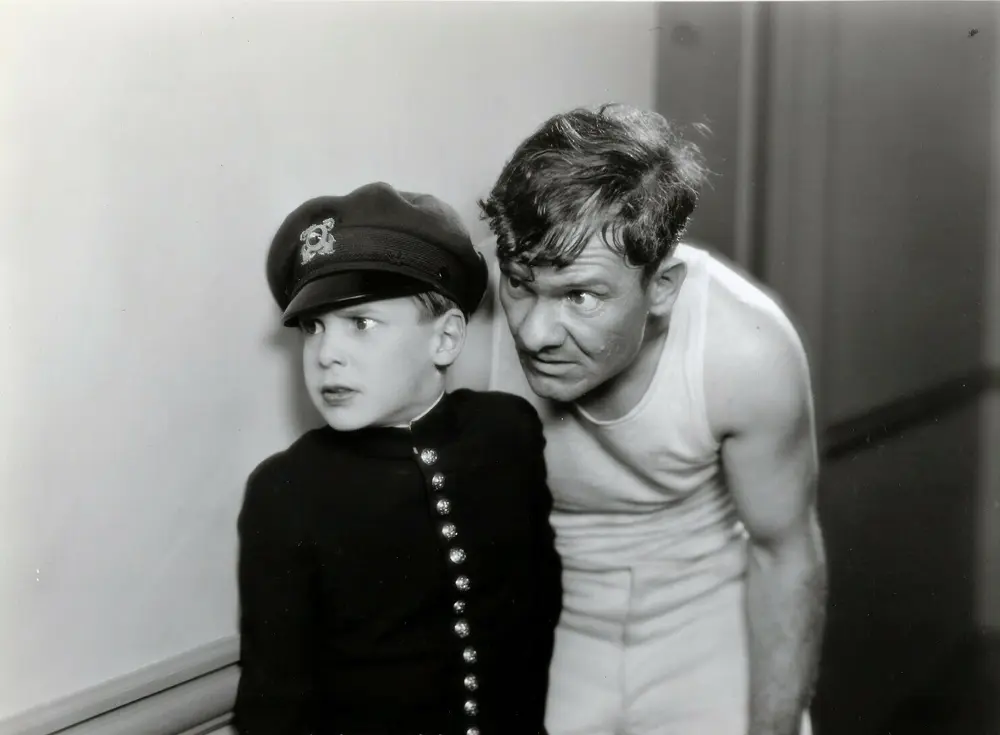
Director George W. Hill was known for his gritty realism, a trait he would later perfect in films like The Big House. In Buttons, he brings a surprisingly dark lens to the ocean liner setting. The ship isn't just a luxury hotel; it’s a tiered class system where the boys are at the absolute bottom. The cinematography by Henry Sharp captures the claustrophobia of the lower decks with an intensity that rivals the more atmospheric The City. The lighting in the brig sequence is particularly effective, using high-contrast shadows to emphasize the boys' isolation.
The shipwreck itself is the film’s true centerpiece. Unlike the more stylized disasters in The Hell Ship, the destruction in Buttons feels wet, heavy, and chaotic. When the water begins to pour into the brig where Buttons and Slugger are trapped, the tension is palpable. This isn't the 'safe' peril of modern family films. You can see the genuine struggle of the actors against the volume of water. It is a brutal sequence that feels out of place given the film's earlier comedic tone. It works. But it’s flawed. The shift is so sudden that it feels like two different movies were edited together at the midpoint.

The strangest choice in the screenplay by Marian Constance Blackton and Ralph Spence is the central conflict. The boys discover that the Captain’s wife (played with a cold detachment by Gertrude Olmstead) is having an affair. This is heavy stuff for a Jackie Coogan vehicle. The scene where the boys try to 'do the right thing' by informing the Captain is agonizing to watch, not because it’s poorly acted, but because it feels so cynical. The Captain, played by Lars Hanson, is a stern, unlikable figure who lacks the nuance found in Hanson’s other work, such as The Awakening.
This subplot feels like it belongs in a sophisticated melodrama like Souls Enchained rather than a movie about two kids on a boat. It creates a weird atmosphere where the audience is forced to root for children who are essentially being punished for witnessing adult sins. The script doesn't have the maturity to handle the fallout of this infidelity, so it simply drowns the problem—literally—with the shipwreck. It’s a lazy narrative escape hatch that robs the first half of the film of any real meaning.

Yes, Buttons is worth watching if you are interested in the technical evolution of the disaster film. The practical effects during the sinking sequence are genuinely impressive for 1927. The sight of the tilting decks and the rushing water provides a visceral experience that holds up better than the film's attempts at humor. However, if you are looking for a cohesive story with a satisfying emotional arc, you will likely be disappointed. The film is a curiosity—a snapshot of a child star trying to find his footing while the industry around him literally and figuratively sinks into the sound era.
Pros: The production design of the ocean liner is opulent and detailed. Jackie Coogan and Carl Roup have a natural, unforced chemistry that carries the slower sections of the film. The technical execution of the sinking is a masterclass in silent-era stunt work and set design.
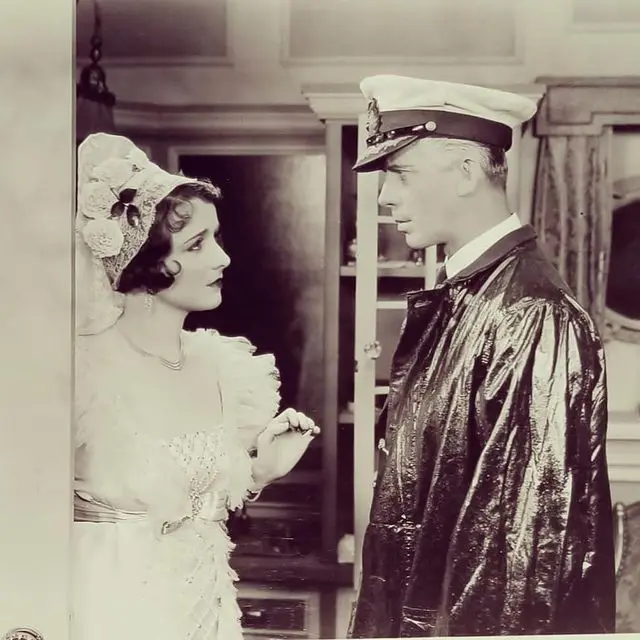
Cons: The Captain is a one-dimensional antagonist whose actions feel nonsensical. The 'cheating wife' subplot is handled with the subtlety of a sledgehammer and feels entirely out of place. The pacing in the second act drags significantly until the ship actually starts to sink.
Buttons is a film at war with itself. It wants to be a charming Jackie Coogan comedy, a gritty maritime drama, and a high-stakes disaster epic all at once. It succeeds at the latter but fails the former. While George W. Hill’s direction provides moments of visual brilliance, the script is a patchwork of mismatched ideas. It’s an essential watch for those studying the transition of silent film into more complex, large-scale productions, but for the casual viewer, it’s a bumpy ride. Coogan is great, the water is cold, and the plot is a mess. It’s a fascinating failure that is more interesting to talk about than it is to actually sit through.
IMDb —
1919
Community
Log in to comment.