DbcultAccessing Vault...
Cult Review
Senior Film Conservator
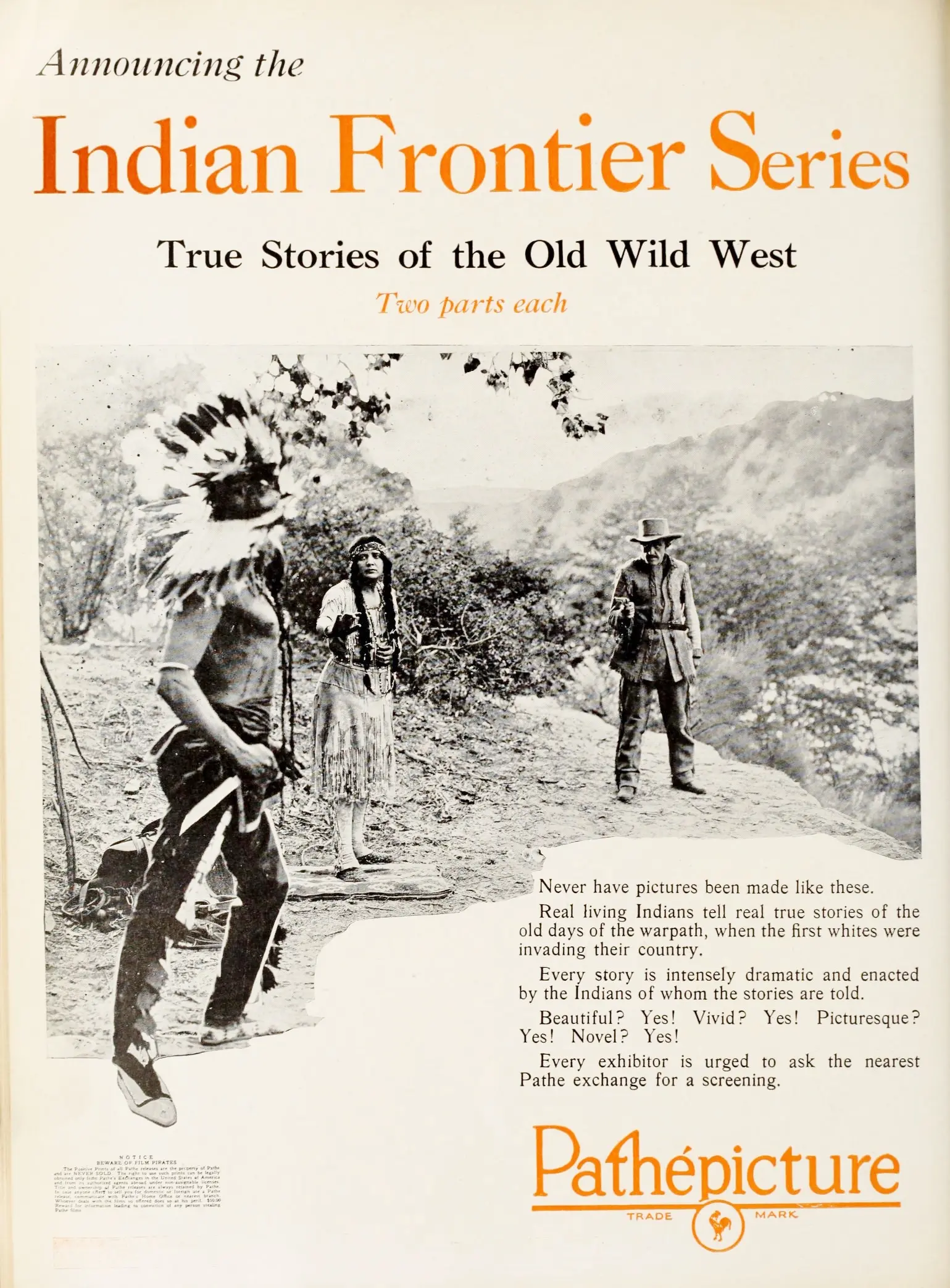
The Man Who Smiled
In the vast expanse of cinematic history, certain films stand as poignant testaments to the power of intercultural understanding and cooperation. One such film, The Man Who Smiled, has captivated audiences with its gripping narrative and nuanced exploration of the early American West. This seminal work, though largely overlooked in modern times, remains an essential viewing experience for those interested in the complexities of human relationships and the evolution of societal norms.
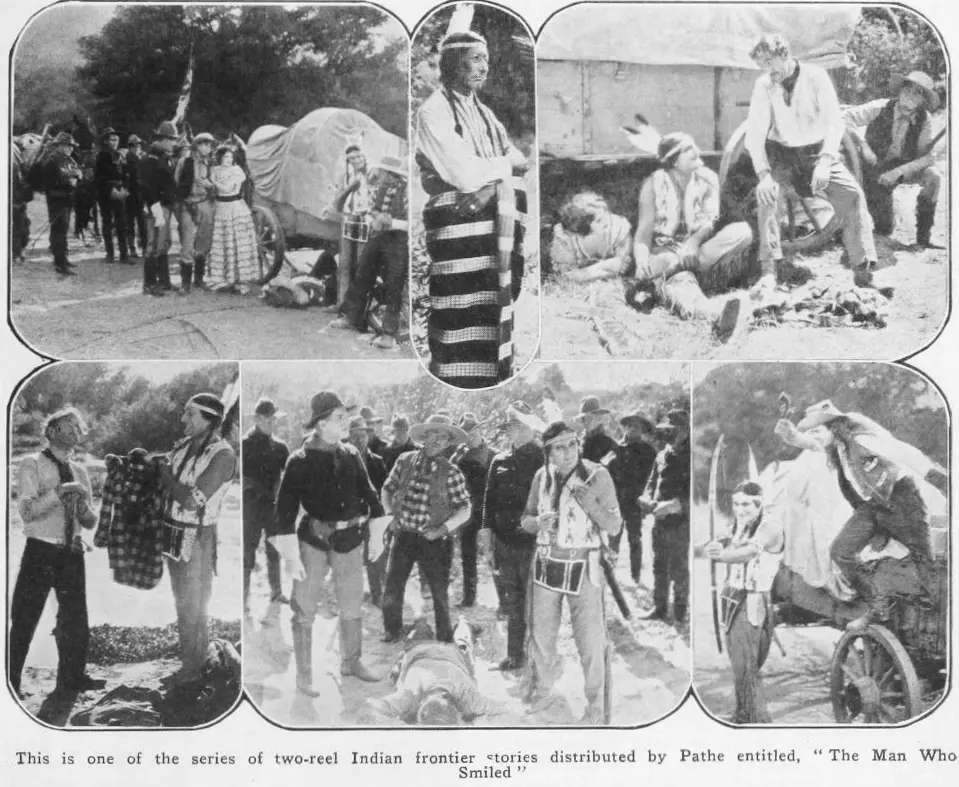
The film's narrative is set in motion by an elderly Arapahoe chief, who recounts a tale of his youth to a rapt audience. This elderly sage, played by Paul Hurst, masterfully weaves a story of friendship and derring-do, transporting viewers to a bygone era of American history. The chief's reminiscence centers on a fellow scout, a stalwart individual affiliated with the storied Seventh Cavalry, whose exploits in Wyoming would become the stuff of legend.
The scout, known colloquially as the 'Man Who Smiled,' forges an unbreakable bond with a pioneer, bound for California with his daughter. Their journey, fraught with peril, is disrupted by a ruthless white renegade and his Native American cohorts. It is at this juncture that the 'Man Who Smiled' leverages his extensive knowledge of the land and his people to orchestrate a daring rescue. Through strategic brilliance and unwavering fortitude, he imperils his own life to ensure the safety of the travelers, ultimately facilitating the reunion of the daughter with her lover, the First Lieutenant of the Seventh Cavalry.
One of the most striking aspects of The Man Who Smiled is its thoughtful exploration of intercultural dynamics. The film's portrayal of the Arapahoe tribe and their interactions with white settlers eschews simplistic stereotypes, opting instead for a nuanced depiction of complex relationships. This approach, characteristic of the film's narrative, serves to underscore the shared humanity that transcends cultural boundaries.
In comparison to other films of its era, The Man Who Smiled stands alongside Smile Please and Greater Than Fame as a testament to the power of storytelling in bridging cultural divides. While films like Der Weltspiegel and Behind the Mask may explore similar themes, The Man Who Smiled distinguishes itself through its authentic representation of Native American experiences and its centering of an intercultural friendship narrative.
From a technical standpoint, the film's cinematography and production design effectively evoke the rugged beauty of the American West. The camerawork, though occasionally stilted, captures the vast expanses of the Wyoming landscape, immersing viewers in the world of the film. The score, though sparse, heightens the emotional impact of key scenes, elevating the overall viewing experience.
In conclusion, The Man Who Smiled is a cinematic treasure that has aged remarkably well. Its exploration of intercultural camaraderie, set against the tumultuous backdrop of the early American West, offers a compelling narrative that continues to resonate with modern audiences. Through its thoughtful portrayal of complex relationships and its authentic representation of Native American experiences, this film has earned its place as a landmark of American cinema. As such, it is essential viewing for anyone interested in the evolution of societal norms and the power of storytelling in bridging cultural divides.
Ultimately, The Man Who Smiled serves as a poignant reminder of the enduring power of human connection. In an era marked by division and strife, this film's message of intercultural understanding and cooperation is more relevant than ever. As we reflect on the film's themes and significance, we are reminded of other works that have explored similar ideas, such as Tarnish, The Storm, and Wolfe; or, the Conquest of Quebec. Each of these films offers a unique perspective on the complexities of human relationships, underscoring the importance of empathy and understanding in our increasingly interconnected world.
The film's influence can also be seen in later works, such as The Love Egg, The Scarlet Road (1918), and Ihr großes Geheimnis. These films, though distinct in their narratives, share a common concern with exploring the complexities of human relationships and the evolution of societal norms.
In the end, The Man Who Smiled remains a powerful testament to the enduring power of storytelling and the importance of intercultural understanding. Its legacy continues to inspire new generations of filmmakers and audiences alike, serving as a poignant reminder of the transformative potential of cinema.
IMDb —
1918
Community
Log in to comment.