DbcultAccessing Vault...
7.5/10
Senior Film Conservator
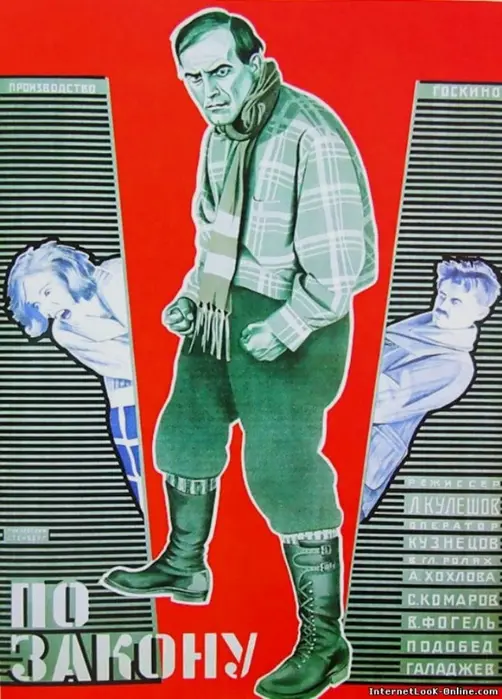
A definitive 7.5/10 rating for a film that redefined the boundaries of cult cinema. By the Law remains a cornerstone of transgressive art.
Is Lev Kuleshov's 1926 silent film, By the Law, worth your precious viewing time in the bustling digital age? Short answer: absolutely, but with significant caveats that demand a certain kind of viewer. This film is undeniably for those who appreciate the stark power of early cinema, psychological dramas, and moral dilemmas unburdened by dialogue. It is emphatically not for viewers seeking fast-paced action, light entertainment, or those unfamiliar with the conventions of silent film storytelling.
For the patient and intellectually curious, By the Law offers a masterclass in tension, character study, and the nascent art of cinematic storytelling. It’s a film that lingers, challenging preconceptions about justice and survival.
This film works because: Its unflinching portrayal of moral decay under extreme duress, amplified by Kuleshov's groundbreaking editing, creates an almost unbearable tension that feels remarkably modern.
This film fails because: Its deliberate, almost agonizingly slow pace in the second act might test the patience of even dedicated silent film enthusiasts, occasionally bordering on theatrical instead of purely cinematic.
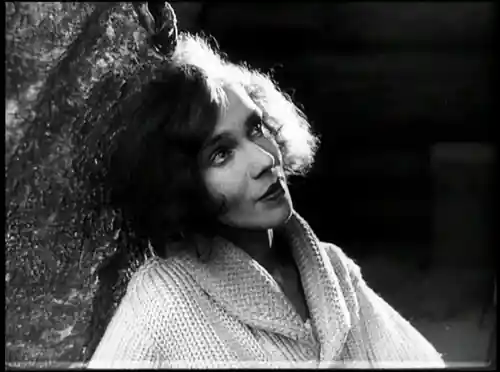
You should watch it if: You are fascinated by the origins of cinematic language, psychological realism, and ethical quandaries stripped bare, particularly those interested in the Soviet Montage movement.
Based on Jack London's short story 'The Unexpected,' By the Law strips away the romanticism often associated with the frontier and plunges viewers into a nightmare of isolation and ethical paralysis. The setup is deceptively simple: five gold prospectors, far from any semblance of law, strike it rich. This initial triumph, however, quickly devolves into tragedy when Michael Denning (Sergey Komarov) snaps, murdering two of his companions in a fit of madness.
The film then shifts its focus entirely to the two survivors, Hans Nelson (Porfiri Podobed) and his wife Edith (Aleksandra Khokhlova). Their capture of Denning doesn't bring relief, but rather an escalating, psychological horror. With no way to turn him over to authorities for weeks, perhaps months, they are forced to become judge, jury, and potential executioner. This central dilemma forms the film's beating heart, exploring the fragility of societal norms when pushed to the extreme.
Kuleshov, ever the theorist, uses this minimalist plot to maximal effect. The narrative isn't about the gold, or even the murders themselves, but the agonizing process of decision-making under unimaginable pressure. It's a profound meditation on the nature of justice: is it a cold, impersonal code, or a primal, desperate act of self-preservation? The film offers no easy answers, instead forcing the audience to wrestle with the same moral quandary as its protagonists.
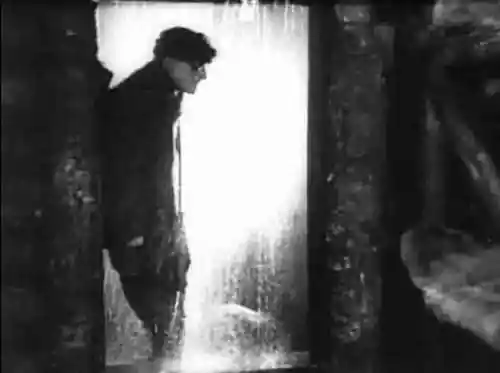
The themes resonate deeply. The 'law' in the title isn't just about legal statutes, but the unwritten laws of humanity, survival, and vengeance. It questions what happens when the external structures of society collapse, leaving individuals to define their own moral compass. The film’s audacity in exploring such bleak territory, without the comfort of dialogue, is truly remarkable for its era.
Lev Kuleshov was not just a director; he was a pioneer of film theory, and By the Law serves as a practical demonstration of his groundbreaking ideas, particularly the 'Kuleshov Effect.' This phenomenon, which posits that the audience derives more meaning from the juxtaposition of two shots than from the shots themselves, is subtly yet powerfully employed throughout the film.
For instance, consider the numerous close-ups of Aleksandra Khokhlova's face – her expression often remains stoic or subtly pained. When these shots are intercut with images of the desolate cabin, the confined space, or the raging elements outside, the audience projects her inner turmoil and despair onto her seemingly neutral gaze. It’s a brilliant technique that forces active engagement and amplifies the psychological weight of her predicament.
Kuleshov's direction is characterized by its economy and precision. Every shot feels deliberate, designed to convey information or emotion without the need for intertitles that often bogged down other silent films. The camera doesn't merely observe; it participates, often framing characters tightly within the claustrophobic cabin, emphasizing their entrapment. The vast, empty Yukon landscapes, captured with stark beauty by cinematographer Aleksandr Levitsky, serve as a cruel counterpoint to their internal struggle, highlighting their insignificance and isolation.
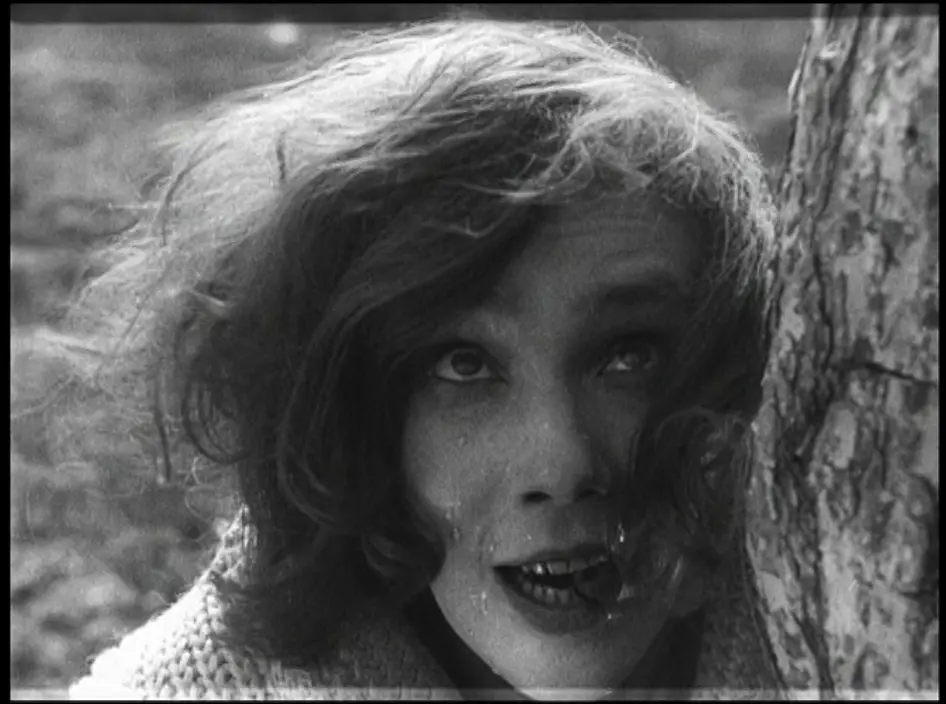
The use of natural light, particularly the harsh glint of the sun on snow or the flickering shadows within the cabin, adds to the realism and oppressive atmosphere. Kuleshov understands that the environment itself is a character, an indifferent force that exacerbates the human drama. This is not just visual storytelling; it's environmental storytelling, where the setting actively dictates the characters' choices and emotional states.
While often overshadowed by Eisenstein's more overtly political and monumental works, Kuleshov's contribution to cinematic theory, particularly through films like By the Law, arguably had a more direct and practical influence on Hollywood's developing grammar. His focus on editing as the primary driver of meaning laid foundational groundwork for generations of filmmakers.
In a silent film, the burden on actors to convey complex emotions and internal states without dialogue is immense. The cast of By the Law rises to this challenge with performances that are both restrained and deeply impactful, avoiding the theatrical excesses common in some silent era productions.
Aleksandra Khokhlova, as Edith Nelson, delivers a particularly compelling performance. Her character is the emotional fulcrum of the film, bearing the brunt of the moral dilemma. Khokhlova's ability to communicate profound despair, simmering rage, and a desperate search for justice through subtle facial expressions and body language is extraordinary. There's a scene where she meticulously measures out rations, her movements precise but imbued with a palpable tension, speaking volumes about her deteriorating mental state.
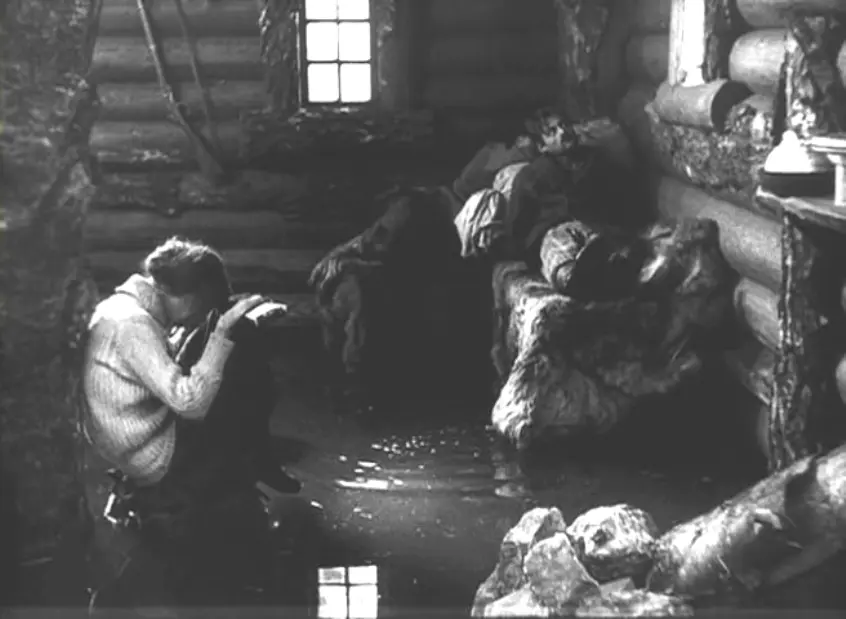
Porfiri Podobed, as her husband Hans, provides a grounded counterpoint. His character is initially more pragmatic, but his resolve slowly erodes under the weight of their predicament. Podobed's performance demonstrates a quiet strength that gradually gives way to weariness and moral ambiguity, illustrating the corrosive effect of their isolation.
But it is Sergey Komarov as Michael Denning, the murderer, who truly commands attention with a chilling portrayal of madness and unsettling calm. His performance is a masterclass in conveying psychological breakdown without uttering a single word. Denning's blank stares, sudden bursts of laughter, and moments of almost childlike petulance are deeply unsettling. He is not a cartoon villain, but a man irrevocably broken, whose presence becomes a constant, terrifying question mark for Hans and Edith. His very stillness is menacing.
The true genius of these performances lies in their collective ability to create a palpable sense of claustrophobia and psychological pressure, making the audience feel trapped alongside them in that remote cabin.
The pacing of By the Law is undeniably deliberate, almost glacial in its second act. Kuleshov takes his time, allowing the tension to slowly, inexorably build. The initial excitement of the gold strike and the sudden violence are quickly dispatched, setting the stage for the film’s true focus: the agonizing waiting game.
This slow burn is not a flaw, but a conscious artistic choice. It mirrors the characters' own experience of time stretching endlessly in their isolation. Every day blends into the next, marked only by the escalating psychological toll. While some modern viewers might find this challenging, it's crucial for immersing oneself in the film's oppressive atmosphere. The lack of dialogue means that every gesture, every lingering shot, every intertitle carries immense weight.
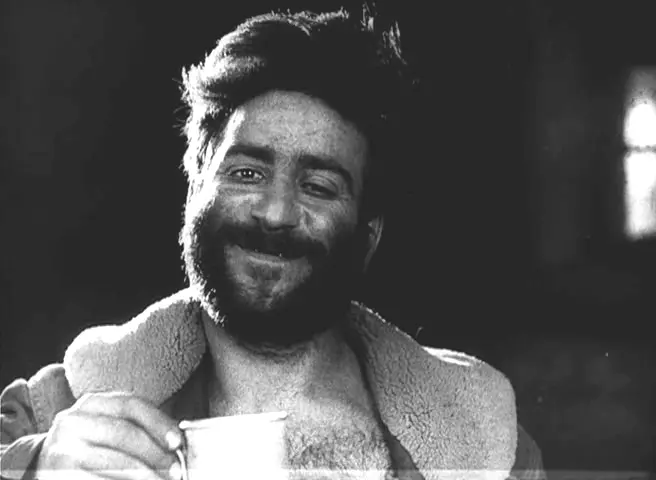
The tone is relentlessly bleak, almost nihilistic. There are no moments of levity, no easy resolutions. The film maintains a consistent sense of dread and existential despair. Even the prospect of enacting justice brings no comfort, only further moral decay. This unyielding tone is part of what makes By the Law so powerful and, at times, so difficult to watch. It dares to confront the darkest aspects of the human psyche without flinching.
While not as widely known as some of its Soviet Montage contemporaries, By the Law holds a significant place in film history. It's a testament to Kuleshov's theoretical prowess and his ability to translate abstract ideas about editing and narrative into a compelling cinematic experience. The film’s minimalist approach to storytelling and its psychological depth were ahead of their time, influencing later filmmakers across genres.
Its stark realism and focus on moral ambiguity prefigure elements seen in films decades later. One could draw lines, however faint, to the psychological thrillers of Hitchcock or even the survival dramas of the modern era. Its unsparing look at justice outside the bounds of established law makes it a timeless commentary on human nature.
Lev Kuleshov’s By the Law is a challenging but profoundly rewarding cinematic experience. It works. But it’s flawed. Its brilliance lies not in its entertainment value, but in its audacious refusal to provide easy answers, leaving the audience to grapple with the profound discomfort of its moral ambiguity long after the credits roll. This isn't a film you passively watch; it's a film you actively engage with, wrestle with, and ultimately, learn from.
For those willing to invest their attention, it offers a rare glimpse into the formative years of cinema and a potent reminder of the enduring power of human drama, stripped bare. It's an essential watch for cinephiles, students of film history, and anyone interested in the darker corners of the human psyche. Don’t expect a popcorn flick; expect a haunting, thought-provoking journey into the heart of darkness, framed by the pioneering vision of one of cinema's true innovators.
For more challenging and thought-provoking silent films, consider exploring Waxworks or The Mysterious Client.
IMDb —
1921
Community
Log in to comment.