DbcultAccessing Vault...
7.6/10
Senior Film Conservator
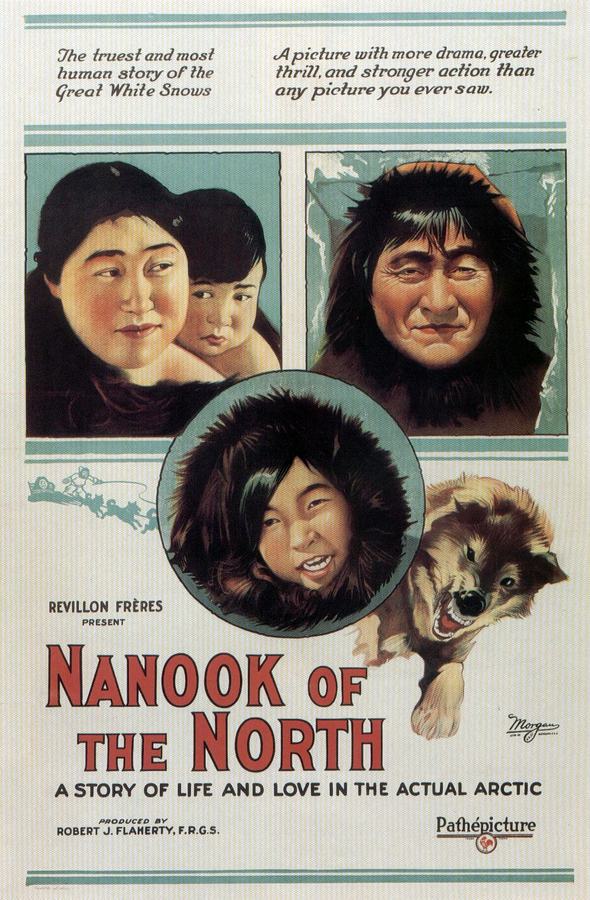
A definitive 7.6/10 rating for a film that redefined the boundaries of cult cinema. Nanook of the North remains a cornerstone of transgressive art.
Imagine a world where cinema itself is still learning to breathe, its lungs filling with frost. That is the 1922 you enter when pressing play on Nanook of the North.
Robert Flaherty didn’t just haul a 35-mm Akeley camera into the Canadian Arctic; he dragged the entire embryonic language of non-fiction film across pressure ridges that groan like cathedral organs. The result is a 79-minute poem carved from whale sinew and celluloid, equal part love letter and forgery.
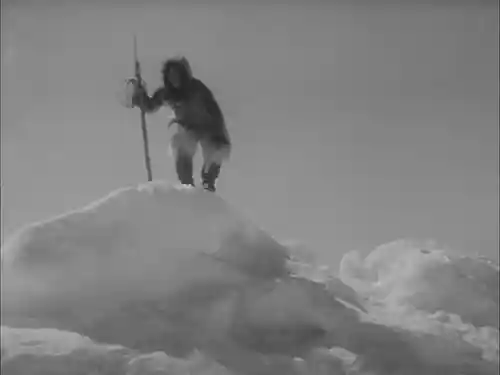
Watch how the igloo-building sequence unfolds: blocks of wind-glazed snow fit so snugly their seams vanish, a geometry so precise it feels cosmic. Flaherty intercuts close-ups of Allakariallak’s gloved fingers—those gloves actually walrus-hide, the stitching done by Alice Nevalinga while the camera waited, emulsion thirsty for miracle. Each cut is a heartbeat, slow, deliberate, syncopated against the howl of an off-screen blizzard. The spectator shivers on instinct; the frame rate, slightly slower than sound-film standard, elongates motion until gestures feel subaqueous. You’re not merely observing survival—you’re inside hypothermia’s hallucination.
Yet the igloo was bisected for lighting, its dome removed so the interior glows like a paper lantern. Ethnographic truth bows to chiaroscuro. This is the first of many ruptures that make Nanook an ancestor to today’s hybrid docs—think Our Bone Relations with its staged funerals, or the performative lynch-mob reenactments in Vendetta.

Post-colonial critique lands like an axe on permafrost: Flaherty’s Inuit are curated, their rifles hidden to amplify primitive allure; Nanook’s real name—Allakariallak—remains muffled under the director’s branding. The family portrayed as intimate unit? Mostly unrelated performers assembled for narrative cohesion. Still, dismissing the film as mere exploitation oversimplifies the dialectic. Flaherty lived through four polar winters, learned Inuktitut, and split profits with his subjects—unheard of in 1922. The camera’s gaze is undeniably colonial, yet the bodies before it negotiate authorship with micro-rebellions: a sidelong smirk, a deliberately overacted seal struggle, the children peeking at the lens mid-scene. These ruptures anticipate reflexive cinema decades before Beauty in Chains turned the camera back on itself.
Viewers coming from the amber warmth of The Chinese Honeymoon may find the absence of diegetic sound unnerving. Embrace it. The silence is not empty; it vibrates with your own blood rush, the creak of your apartment radiator, the neighbor’s dog—an involuntary soundtrack more immersive than any orchestral score. When the family chews raw seal, you hear your own mastication amplified, synapses bridging a century. Pair the experience with headphones and darkness; the mind supplies the crunch of cartilage, the hiss of whale-oil lamps.
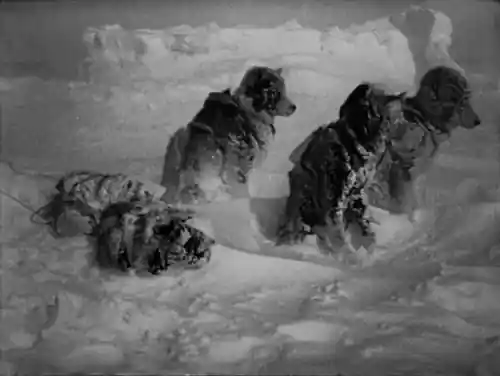
The 2023 4K restoration by the Cineteca di Bologna mines silver halides like archaeologists brushing bones. Grain swarms like Arctic midges across faces; each blemish on the lens becomes a snow flurry. The tinting—amber for interior seal-oil light, cyan for exterior dusk—follows distribution notes found in a Parisian warehouse, correcting decades of monochrome misrepresentation. On a 65-inch OLED, the ice glistens with the same refractive index you feel on ski slopes, a reminder that celluloid and glacier are both susceptible to thaw.
Where Our Heavenly Bodies cosmic-zooms outward to astral scale, Nanook micro-zooms into snow-crystal intimacy. Both manipulate scale to estrange the familiar, yet Flaherty’s humanism keeps the cosmos within the contours of a cheekbone chapped by −40 °C winds. Meanwhile Lightning Bryce races through canyons at breakneck serial pace; Nanook’s kayak drifts as if time itself were blubber-slowed. The tension between these temporalities formed the rhythmic DNA of later ethnography, from Man of Aran to Leviathan.
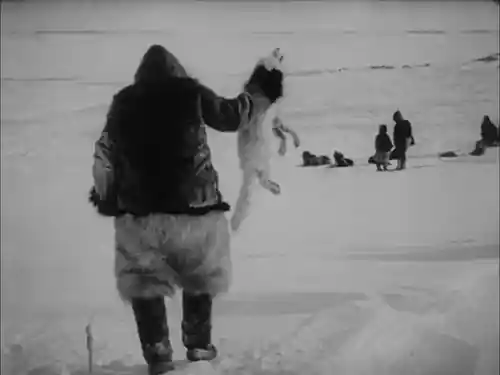
Allakariallak died of starvation two years after release, a cruel punch-line that critics wield as evidence of exploitation. Less known: the film’s profits bought rifles and flour for his hunting party, briefly buffering them against Hudson Bay price gouging. Alice Nevalinga’s descendants still screen the film in Nunavut community centers, laughing at archival gestures that echo their toddlers’ play. Archives, like ice, shift; meanings calve and reform.
Trace the bloodline: Werner Herzog’s Happy People lifts the conflict-between-tradition-and-modernity template; the seal-hunt sequence in The Revenant storyboards its brutality shot-for-shot. Even Pixar’s Brother Bear borrows Nanook’s wide-eyed children silhouetted against aurora. Reality TV shows like Life Below Zero owe their episodic rhythm—task, jeopardy, temporary triumph—to Flaherty’s three-act structure carved in ice.
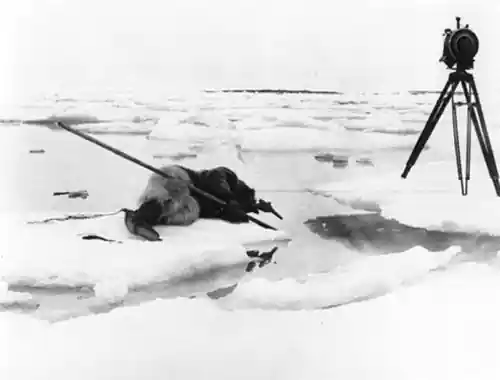
Some cinephiles refuse to screen Nanook in 2024, labeling it colonial cosplay. Others crown it the greatest documentary ever precisely because its seams show, forcing viewers to grapple with representation’s ethics. I land somewhere frostbitten in between: the film is both artifact and artifice, a mirror whose silver backing has flaked to reveal the beholder’s own assumptions. Rate it not with stars but with snowflakes—no two viewings identical, each melt revealing fresh terrain.
Great cinema is not a window but a frozen lake: step confidently and you’ll glimpse depths; step carelessly and the image cracks, plunging you into lethal water. Nanook of the North remains that perilous lake, century-old yet still creaking under each new viewer’s weight. Approach with mittens of humility, crampons of criticality, and the willingness to hear your own heartbeat echo across the floe. The aurora hasn’t stopped dancing; it’s waiting for your next play-button press.

IMDb 4.8
1929
Community
Log in to comment.