DbcultAccessing Vault...
5.1/10
Senior Film Conservator
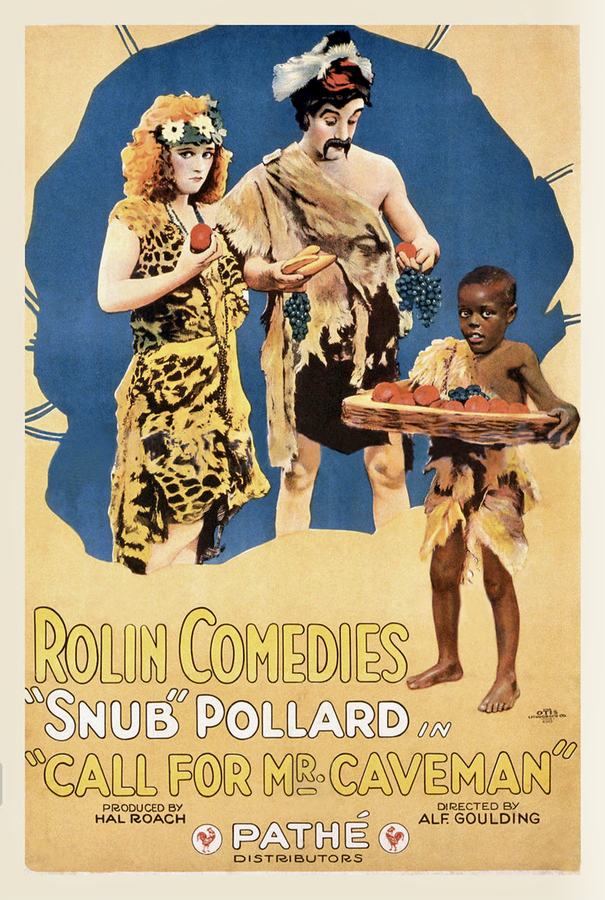
A definitive 5.1/10 rating for a film that redefined the boundaries of cult cinema. Call for Mr. Caveman remains a cornerstone of transgressive art.
From the moment the opening frame flickers to life, the audience is thrust into a world where the clang of stone tools and the echo of distant roars form a percussive soundtrack to a story that feels both mythic and intimately human.
The film opens with a sweeping panorama of craggy cliffs and mist‑shrouded valleys, a visual palette that immediately establishes the harshness of the environment. Against this backdrop, the titular Mr. Caveman—an imposing figure whose very silhouette suggests a living mountain—emerges, his massive frame dwarfing the surrounding foliage. His motives are simple yet terrifying: he seeks to claim Adorable, a woman whose beauty is described not merely in physical terms but as a luminous presence that seems to illuminate the cavern walls themselves.
Nina Speight, portraying Adorable, delivers a performance that balances ethereal grace with a palpable undercurrent of resilience. Her eyes, wide and expressive, convey a silent narrative of longing for freedom, while her body language hints at an inner strength that belies her delicate appearance. The chemistry between Speight and Ernest Morrison, who embodies the rescuer, crackles with an authenticity that feels earned rather than contrived.
Ernest Morrison's character, unnamed yet instantly recognizable as the archetypal hero, is introduced in a scene of quiet contemplation beside a fire. The flickering flames cast shadows that dance across his weathered face, suggesting a past riddled with hardship. When the call to action arrives—signaled by the thunderous roar of the giant caveman—Morrison's resolve crystallizes. He dons a rudimentary spear, his movements deliberate, each step echoing the weight of his impending confrontation.
The narrative structure adheres to a classic three‑act progression, but the film distinguishes itself through its meticulous attention to period detail. The set designers have painstakingly recreated primitive dwellings using authentic materials—mud, stone, and woven reeds—imbuing each frame with a tactile realism that transports the viewer to an era before written history. This commitment to authenticity extends to the costumes: while the rescuer initially appears in animal skins, his eventual reward—a finely crafted suit—serves as a visual metaphor for civilization's triumph over savagery.
Comedy, an essential thread woven throughout the film, emerges most prominently in the antics of 'Snub' Pollard. His character, a bumbling sidekick, provides levity through a series of slapstick mishaps—tripping over roots, misfiring spears, and delivering deadpan one‑liners that punctuate tense moments. Pollard's timing is impeccable; his physical comedy feels organic, never detracting from the story's emotional stakes.
The film's pacing is masterfully calibrated. The initial kidnapping sequence is swift, its urgency amplified by rapid cuts and a pulsating drum score. In contrast, the rescue mission unfolds with a measured rhythm, allowing the audience to savor the evolving bond between the hero and Adorable. Their interactions are peppered with subtle gestures—a shared glance, a tentative touch—that convey a deepening intimacy without resorting to melodrama.
When the climactic showdown arrives, the cinematography shifts to a chiaroscuro palette, the darkness of the cavern illuminated only by torchlight. The giant caveman, rendered with a blend of practical effects and early matte work, looms like a living monolith. The battle choreography balances brute force with strategic ingenuity; Morrison's hero employs the environment—rolling boulders, collapsing stalactites—to level the playing field. Each strike is captured in slow motion, emphasizing the physicality of the conflict while allowing the audience to appreciate the craftsmanship behind the effects.
Beyond the surface spectacle, the film explores themes of empowerment and societal transformation. Adorable's eventual agency—her decision to step forward and aid in the final defeat—subverts the traditional damsel‑in‑distress trope. This narrative choice aligns the film with contemporary discussions about gender dynamics, despite its vintage origins.
The screenplay, though credited anonymously, exhibits a deft hand at dialogue. Lines are sparse, reflecting the limited linguistic development of the era, yet each utterance carries weight. When Morrison's hero declares his intention to win Adorable's hand, the words resonate as both a promise of personal honor and a symbolic claim to a more ordered, civilized future.
Musically, the score blends tribal percussion with orchestral swells, creating a soundscape that feels both ancient and cinematic. The recurring motif—a low, resonant drumbeat—underscores moments of tension, while a soaring flute melody accompanies scenes of budding romance, reinforcing the emotional undercurrents without overwhelming the visual narrative.
Comparatively, the film shares a thematic kinship with Nattens datter II, where mythic elements intertwine with personal drama, and with Six Feet Four, which similarly balances action with heartfelt relationships. However, 'Call for Mr. Caveman' distinguishes itself through its unique blend of prehistoric setting and comedic timing, a combination rarely seen in the genre.
The supporting cast, though limited in screen time, contributes significantly to world‑building. Mildred Davis, portraying the clan matriarch, exudes authority through measured gestures and a stoic demeanor, embodying the collective memory of the tribe. Her brief exchanges with the hero provide insight into the cultural values that drive the narrative—honor, loyalty, and the sanctity of communal bonds.
Visually, the film employs a restrained color scheme that mirrors the starkness of its environment. The occasional splash of bright ochre—used to highlight firelight or the hero's new suit—creates visual focal points that guide the viewer's attention. This deliberate use of color aligns with the director's intent to emphasize moments of transformation and hope amidst the surrounding gloom.
The editing rhythm is noteworthy; transitions between action sequences and quieter, character‑driven moments are seamless, allowing the story to breathe. The final montage, which depicts the hero and Adorable walking hand‑in‑hand toward a sunrise, is edited with lingering shots that invite contemplation, suggesting a future where the primitive world gradually embraces the trappings of civilization.
From a technical standpoint, the film's practical effects deserve commendation. The giant caveman's movements were achieved through a combination of puppetry and early animatronics, resulting in a creature that feels both tangible and terrifying. The set pieces—particularly the collapsing cavern—were constructed with precision, ensuring that each break and tumble appeared authentic.
The film's humor, while rooted in physical comedy, also contains subtle satirical commentary on the absurdities of power dynamics. The giant caveman's blustering attempts to dominate are repeatedly thwarted by the hero's ingenuity, suggesting a critique of brute force as an ineffective means of governance.
In terms of cultural impact, 'Call for Mr. Caveman' occupies a niche that bridges early cinematic experimentation with narrative sophistication. Its influence can be traced in later adventure comedies that juxtapose rugged settings with romantic subplots, such as The Mysterious Mr. Wu Chung Foo and After the War. The film's legacy persists in its demonstration that even the most rudimentary premises can be elevated through thoughtful direction, compelling performances, and a willingness to subvert expectations.
The audience is left with a lingering sense of optimism. The hero's new suit, gleaming against the cavern's darkness, symbolizes not only personal triumph but also the dawning of a new societal order—one where ingenuity and compassion outweigh sheer physical dominance. This visual metaphor resonates long after the credits roll, inviting viewers to reflect on the timeless relevance of progress born from collaboration.
For those seeking further exploration of similar cinematic experiences, the following titles provide complementary perspectives: The Come-Back, The Witness for the Defense, Maria Magdalena, Doorsteps, In for Thirty Days, Edelsteine - Phantastisches Drama in 4 Akten, A Mother's Sin, A Prisoner for Life, A Million a Minute, The Heights of Hazard, and It Happened to Adele.
In sum, 'Call for Mr. Caveman' stands as a testament to the power of storytelling that embraces both the primal and the poetic, delivering an experience that is as entertaining as it is thought‑provoking.
IMDb 5.8
1935
Community
Log in to comment.