DbcultAccessing Vault...
Cult Review
Senior Film Conservator
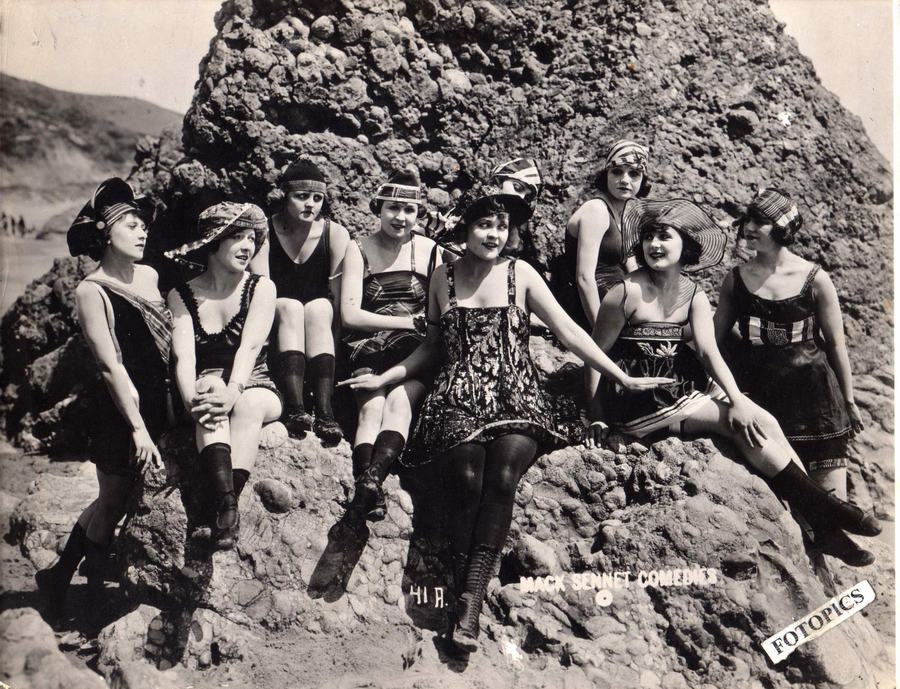
In the annals of early cinema, particularly within the boisterous realm of silent comedy, few names resonate with the enduring cultural impact of Mack Sennett. His Keystone Studios was a veritable factory of laughter, churning out shorts that defined an era and laid the groundwork for generations of comedic filmmaking. Among these myriad productions, Why Beaches Are Popular (1919) stands as a fascinating artifact, a vibrant promotional piece for his feature film, Yankee Doodle in Berlin. It’s more than just a trailer; it’s a distillation of Sennett’s genius, a concentrated dose of slapstick, visual gags, and the undeniable allure of his iconic Bathing Beauties.
The very title, Why Beaches Are Popular, hints at the film’s playful premise, yet it simultaneously serves as a meta-commentary on the burgeoning cultural phenomenon of seaside leisure and the cinematic appeal of such settings. Sennett understood implicitly that the beach offered an ideal canvas for his brand of chaotic humor: a public space where societal norms could be delightfully upended, where swimwear allowed for both visual spectacle and physical comedy, and where the natural elements – sand, water, sun – could be ingeniously incorporated into gags. This short, though brief, encapsulates the very essence of why these particular settings became so popular for audiences, offering a glimpse into an idealized, albeit comically exaggerated, world of sun, surf, and silliness.
What distinguishes Why Beaches Are Popular is its unadulterated commitment to the Sennettian formula. This wasn't merely a collection of random scenes; it was a carefully orchestrated pandemonium. The short features many of the same characters who would appear in Yankee Doodle in Berlin, allowing audiences a sneak peek at their comedic personas and dynamics. Ford Sterling, a master of exaggerated facial expressions and physical comedy, undoubtedly brings his signature brand of bluster and bewildered indignation. Malcolm St. Clair, with his often suave yet frequently flustered demeanor, would have added another layer of comedic interaction. The beauty of Sennett’s ensemble approach was that each performer, from the lead prankster to the hapless victim, understood their role in the grand ballet of chaos.
The film’s reliance on physical comedy is paramount. In an era without synchronized sound, visual storytelling reigned supreme. Every pratfall, every splash, every wide-eyed stare conveyed humor with universal clarity. This short, like many of Sennett’s works, operates on the principle of escalating absurdity. A simple stroll on the beach can quickly devolve into a chase, a misunderstanding, or a spontaneous pie fight (though perhaps not literally here, the spirit is the same). The rapid-fire pacing, a hallmark of Sennett’s direction, ensures that laughter is almost continuous, leaving little room for introspection but ample opportunity for pure, unadulterated mirth. One might draw a parallel to the relentless, almost anarchic energy found in other Sennett productions, such as Chumps and Cops, where the pursuit and the ensuing mayhem are the very bedrock of the comedic structure.
No discussion of a Mack Sennett beach short would be complete without reverent mention of his legendary Bathing Beauties. These women were not merely decorative; they were integral to the Sennett brand, embodying a blend of innocent allure, playful mischief, and athletic grace. Actresses like Harriet Hammond, Myrtle Lind, Phyllis Haver, Marie Prevost, Alice Maison, Marion Aye, Louise Fazenda, Marvel Rea, and Virginia Fox, among others listed in the cast, contributed significantly to this iconic troupe. They were pioneers, challenging societal norms with their relatively revealing (for the time) swimwear and their active participation in the comedic proceedings.
The Bathing Beauties in Why Beaches Are Popular are central to the film's appeal. Their presence immediately elevates the visual spectacle, transforming a simple beach scene into a vibrant tableau. They might be frolicking in the waves, engaging in playful banter, or even inadvertently (or intentionally) contributing to the comedic predicaments of the male characters. Their charm lay not just in their physical attractiveness, but in their vivacious energy and their ability to be both objects of desire and agents of comedic disruption. They represented a nascent form of female agency in cinema, distinct from the more dramatic or morally constrained roles often seen in contemporary features like The House of Mirth or The Web of Desire. Their lightheartedness and freedom were a refreshing contrast, making them incredibly popular with audiences.
While the Bathing Beauties collectively steal much of the spotlight, the individual talents of the broader cast were crucial in animating Sennett’s vision. Harriet Hammond, known for her expressive acting, would have brought a distinctive presence. Malcolm St. Clair, later a director himself, likely demonstrated the keen understanding of visual comedy that would serve him well behind the camera. Ford Sterling, a founding member of the Keystone Kops, was unparalleled in his ability to embody a befuddled authority figure or a hapless victim of circumstance. Albert T. Gillespie, Bert Roach, and Lige Conley, among others, were reliable comedic players, each contributing their unique brand of physical humor and character work to the ensemble. Their collective synergy was the engine of Sennett’s laughter machine, making even a short like this feel robust and fully realized.
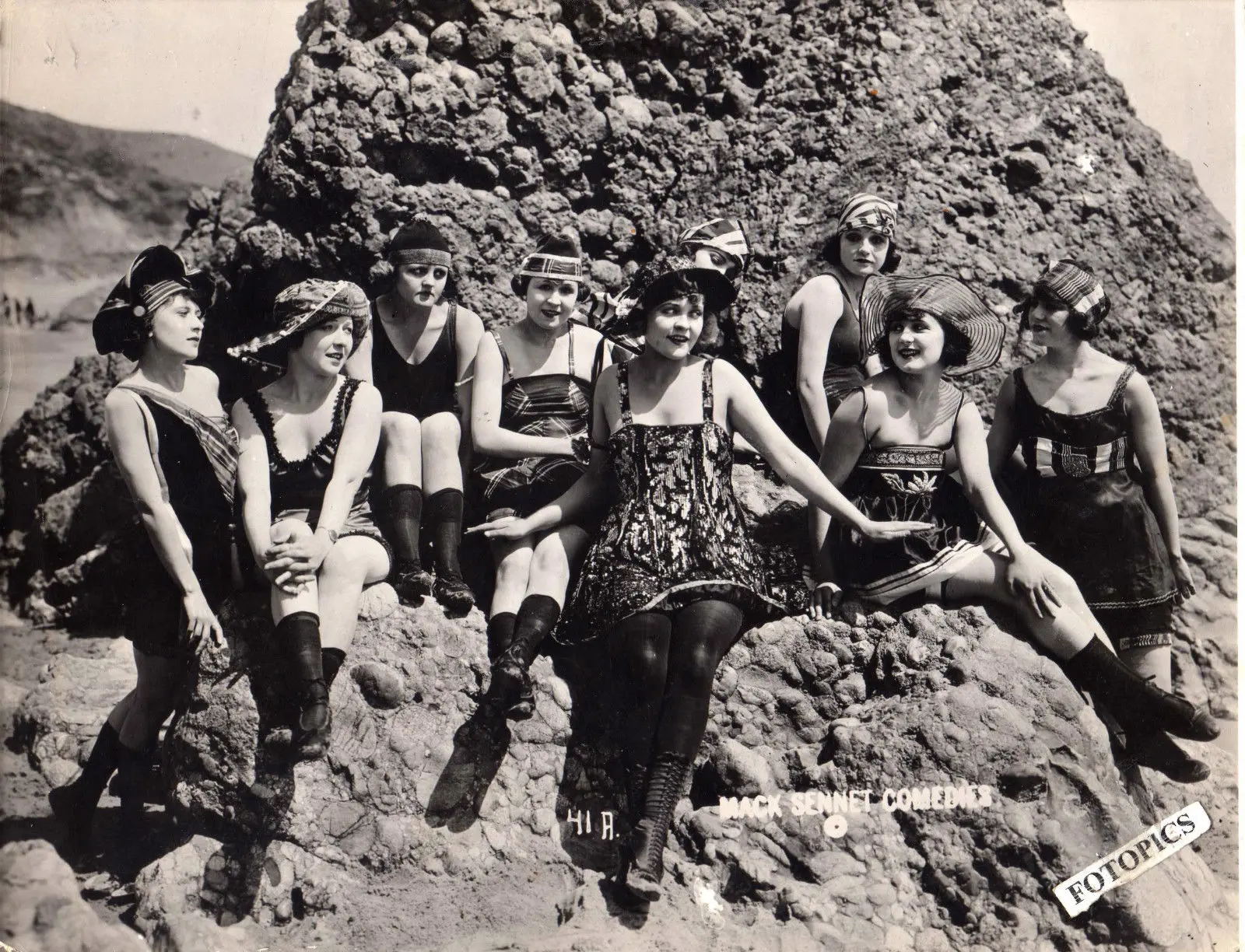
Consider the subtle interplay: a glance from Myrtle Lind, a mischievous grin from Phyllis Haver, the elegant pose of Marie Prevost, or the energetic antics of Louise Fazenda. Each performer, whether a lead or a supporting player, understood the language of silent comedy – the exaggerated gesture, the perfectly timed reaction, the ability to convey emotion and intent without a single spoken word. This collective artistry is what allowed Sennett to build elaborate comedic scenarios, where every character played a vital role in the unfolding hilarity. The experience of watching them in action is akin to observing a well-oiled clockwork mechanism, where every gear and spring contributes to the overall function, in this case, the delivery of consistent amusement.
The concept of a promotional short like Why Beaches Are Popular is itself an interesting study in early cinematic marketing. Unlike modern trailers, which often rely on quick cuts and dramatic voiceovers, these shorts were designed to be standalone entertainment pieces that subtly (or not so subtly) hinted at the larger feature. By showcasing characters and the general tone of Yankee Doodle in Berlin, Sennett was inviting audiences into his comedic universe, promising more of the same delightful antics. It’s an ingenious strategy that built anticipation through direct experience rather than abstract promises. The short doesn't merely tell you about the film; it *shows* you the film’s spirit.
This method of promotion speaks volumes about the exhibition practices of the era. Audiences would often see a program of various shorts, newsreels, and perhaps a feature. A Sennett short was a guaranteed crowd-pleaser, setting a jovial mood before the main attraction. It was a clever way to leverage the established popularity of his studio and its stars to boost a specific feature. This approach stands in contrast to films that focused on pure narrative progression, like The Drifter, or those with more serious thematic concerns, such as Atonement. Sennett’s goal was immediate, infectious entertainment, and Why Beaches Are Popular delivers precisely that.
Beyond its immediate function, Why Beaches Are Popular, like all Sennett shorts, contributed to a broader cultural tapestry. It captured a moment in time when American leisure was evolving, when the beach was becoming a democratic space for recreation and romance. The film's playful depiction of beach culture, complete with its bathing costumes and innocent flirtations, offers a window into the social mores and nascent freedoms of the late 1910s. It’s a historical document as much as it is a comedic masterpiece, reflecting the changing landscape of public life and entertainment.
The influence of Sennett’s work, and by extension shorts like this, is immeasurable. The rapid-fire gags, the physical comedy, the archetype of the bumbling authority figure, and the vivacious female ensemble all became staples of comedy, inspiring everyone from the Marx Brothers to Looney Tunes. The very idea of a 'beach episode' in later media owes a debt to these early cinematic explorations of seaside fun. While films like Der Weltspiegel might have offered a more serious or artistic reflection of the world, Sennett chose to reflect it through the distorting, yet utterly delightful, lens of laughter.
Even today, watching Why Beaches Are Popular offers a refreshing escape. It's a reminder of a simpler, yet brilliantly executed, form of entertainment. The film’s brevity belies its richness, packed with visual humor and the undeniable charisma of its performers. It serves as a testament to Mack Sennett’s enduring vision: that laughter, in its purest, most uninhibited form, is truly timeless. It’s a delightful dip into the cinematic past, leaving viewers with a smile and a renewed appreciation for the pioneers of comedy.
The legacy isn't just in the gags, but in the spirit. The sheer audacity to create an entire mini-world of comedic potential from a simple premise is what sets Sennett apart. This short, much like a fleeting summer day, is packed with bright moments and leaves an impression of joyful abandon. It’s a foundational piece, demonstrating how entertainment could be both lighthearted and profoundly influential, shaping the very grammar of cinematic comedy for decades to come. The infectious energy of Why Beaches Are Popular ensures its place not just as a historical curiosity, but as a vibrant, living example of early film's power to enchant and amuse.
Ultimately, Why Beaches Are Popular is a charming, effervescent piece of cinema that perfectly encapsulates the magic of Mack Sennett's studio. It's a delightful concoction of slapstick, scenic beauty, and the irresistible charm of the Bathing Beauties, all served up as a tantalizing appetizer for a larger comedic feast. It’s a testament to the enduring power of visual comedy and the timeless appeal of a good, honest laugh. A true gem from the silent era, it continues to prove that some questions, like 'Why Beaches Are Popular,' are best answered with a hearty chuckle and a splash of delightful chaos.
IMDb 6.6
1935
Community
Log in to comment.