DbcultAccessing Vault...
5.9/10
Senior Film Conservator
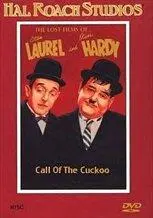
A definitive 5.9/10 rating for a film that redefined the boundaries of cult cinema. Call of the Cuckoo remains a cornerstone of transgressive art.
Should you invest your time in this 1927 silent short today? Short answer: Yes, but only if you have an appetite for the destructive, high-energy slapstick that defined the Hal Roach era.
This film is a mandatory watch for comedy historians and fans of architectural mayhem, but it is certainly not for those who prefer subtle, dialogue-driven humor or modern pacing. It is a loud, physical experience that demands you appreciate the craft of set destruction.
This film works because the physical comedy is grounded in a universal fear: the 'money pit' home that destroys itself in real-time.
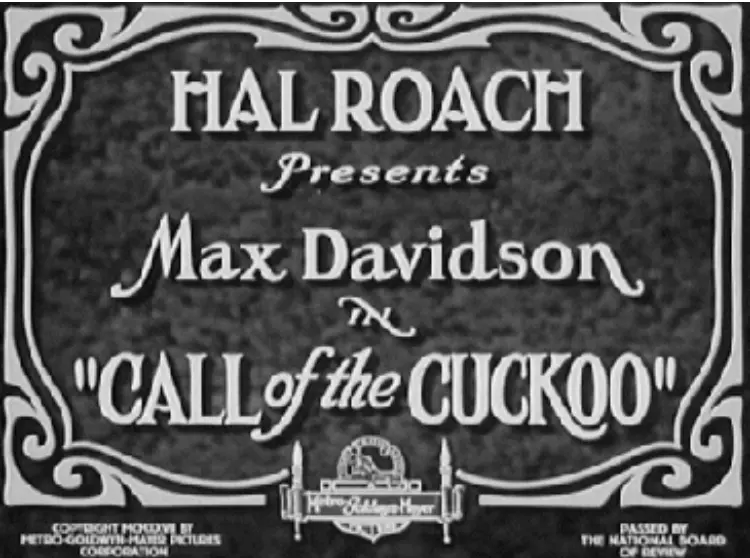
This film fails because the central conceit of the 'insane asylum' neighbors is a dated, one-note joke that lacks the cleverness of the house-based gags.
You should watch it if you want to see the early, unrefined chemistry of Laurel and Hardy before they became a legendary duo, or if you enjoy Max Davidson's specific brand of exasperated fatherhood.
Call of the Cuckoo represents the pinnacle of the 'destructible set' subgenre of silent comedy. While films like The Covered Wagon focused on the epic scale of the American frontier, Call of the Cuckoo finds its epic scale in the collapse of a single living room. The house is not merely a setting; it is the primary antagonist. It is a malevolent entity designed to humiliate Max Davidson’s Papa Gimplewart at every turn.
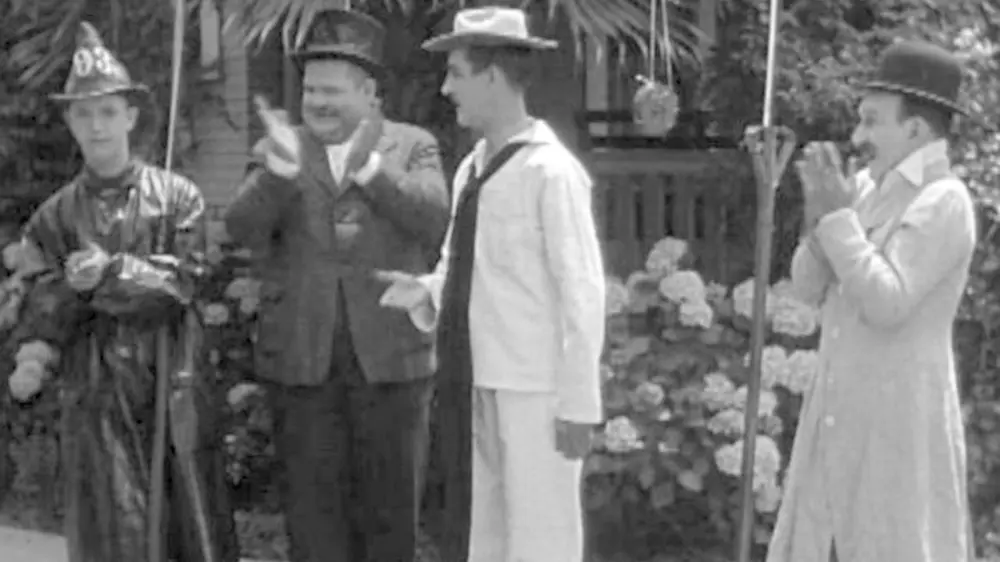
The film opens with a trade that feels like a precursor to modern real estate scams. Gimplewart moves his family into a house that looks respectable from the curb but is built of cardboard and hope. The way the walls vibrate when a door slams is not just a gag; it is a rhythmic element of the film's pacing. Every movement by a character has a consequence on the environment. When a piano is moved, it doesn't just roll; it creates a structural crisis. This is physical comedy that requires precise engineering, a hallmark of the Leo McCarey and Hal Roach collaboration.
Max Davidson is the unsung hero of this era. His performance style is built on a foundation of deep, soul-crushing frustration. Unlike the whimsical nature of Buster Keaton or the acrobatics of Harold Lloyd, Davidson’s comedy is domestic. He is the man trying to keep a family together while the world literally breaks under his feet. His facial expressions—a mix of disbelief and impending rage—are the glue that holds the disparate gags together.
In one specific scene, Davidson attempts to simply walk across a room, only to have the floorboards act like a seesaw. It is a simple gag, but the timing is impeccable. It reminds me of the domestic tensions found in Remodeling Her Husband, though translated into the language of pure chaos. Davidson doesn't need to speak; his body language tells the story of a man who has been cheated by life and is now being mocked by gravity.
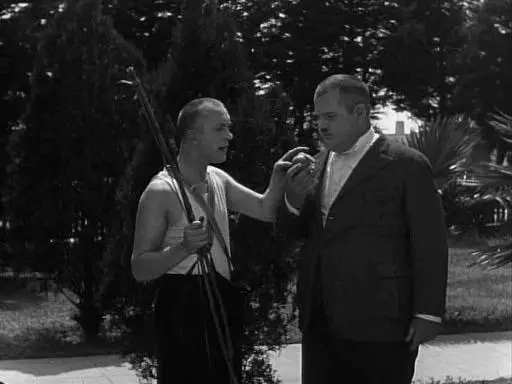
The most famous aspect of Call of the Cuckoo is the cameo appearance of the 'inmates' from the neighboring asylum. This includes Stan Laurel, Oliver Hardy, and Charley Chase, all sporting shaved heads. It is a jarring sight for those used to their later, more polished personas. Their presence is brief, but it serves as a fascinating snapshot of the Roach studio's 'all-hands-on-deck' approach to production.
However, I must take a stance: the asylum gags are the weakest part of the film. While the house destruction is timeless, the portrayal of mental illness as a source of goofy sight gags feels archaic. It lacks the punch of the physical stunts. When compared to the emotional weight of a film like The Vortex, the trivialization of the 'cuckoo' element feels like a missed opportunity for more clever satire. It’s a cheap laugh in a film that otherwise works very hard for its comedy.
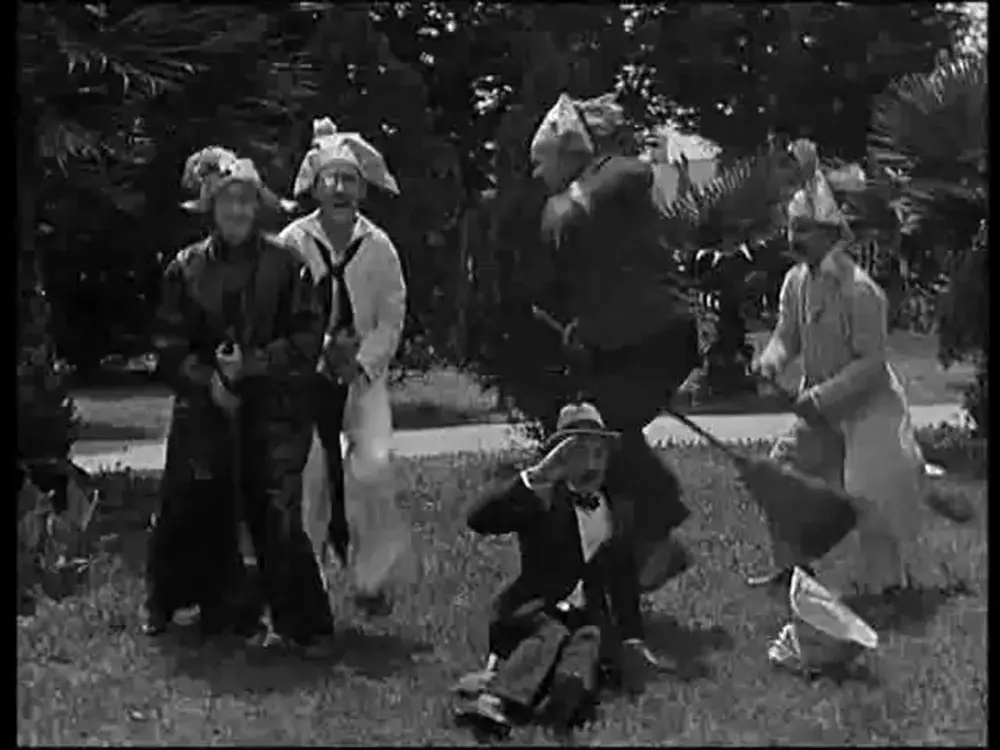
The pacing of Call of the Cuckoo is relentless. From the moment the family enters the new house, the film enters a state of perpetual motion. Director Leo McCarey, who would go on to direct some of the greatest comedies in Hollywood history, shows his early mastery of the 'build-up.' He doesn't just show a floor breaking; he shows the floor sagging, the characters noticing, the attempts to fix it, and finally, the total collapse.
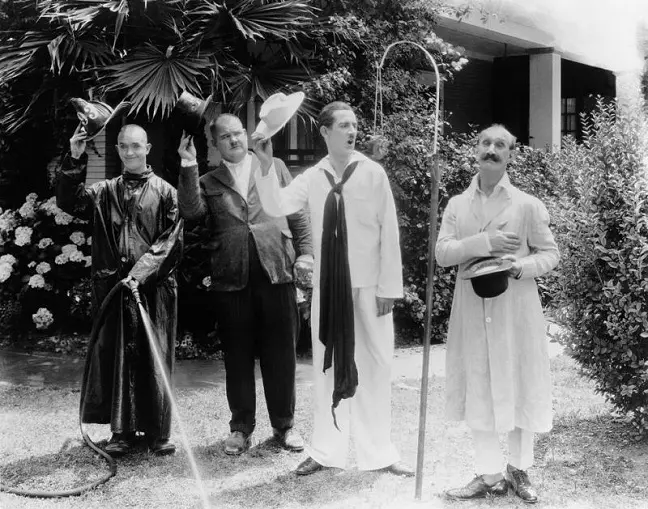
The cinematography is functional rather than poetic. Unlike the visual experimentation seen in Scars of Jealousy, the camera here is a witness to the carnage. It stays wide enough to capture the full scale of the set pieces, ensuring the audience sees the cause and effect of every mishap. The lighting is flat, typical of the era's comedies, but it serves the purpose of making every detail of the disintegrating house visible. There is no place for the characters to hide.
Yes. Call of the Cuckoo is a vital piece of comedy history that remains genuinely funny nearly a century later. While some of the social humor has soured, the physical execution of the gags is nothing short of brilliant. It captures a moment in time when cinema was discovering exactly how much it could destroy in the name of a laugh.
For those who find silent films 'slow,' this short will be a revelation. It moves faster than many modern sitcoms. It is a 20-minute explosion of kinetic energy. It works. But it’s flawed. The flaws, however, are overshadowed by the sheer audacity of the set design.
Pros:
Cons:
Most critics focus on the cameos, but the real star is the floorboards. There is a specific sound—even in a silent film—that you can almost hear when the house begins to groan. It is a film about the betrayal of the 'American Dream' of homeownership. Long before the housing crisis of the 21st century, Max Davidson was showing us that the walls are thinner than we think. It’s a surprisingly cynical movie dressed up in clown shoes.
Call of the Cuckoo is a chaotic delight. It lacks the polish of later Laurel and Hardy features, but it possesses a raw, destructive energy that is infectious. While it doesn't have the narrative depth of The Covered Wagon or the dramatic tension of Destroying Angel, it doesn't need it. It is a film that knows exactly what it is: a 20-minute wrecking ball. If you can look past the dated asylum tropes, you will find a masterpiece of mechanical comedy that still hits hard today. It is a frantic, funny, and slightly uncomfortable relic that deserves its place in the comedy pantheon.
The house isn't just a setting; it's a character that hates the people living inside it.
IMDb 7.1
1922
Community
Log in to comment.