DbcultAccessing Vault...
2/10
Senior Film Conservator
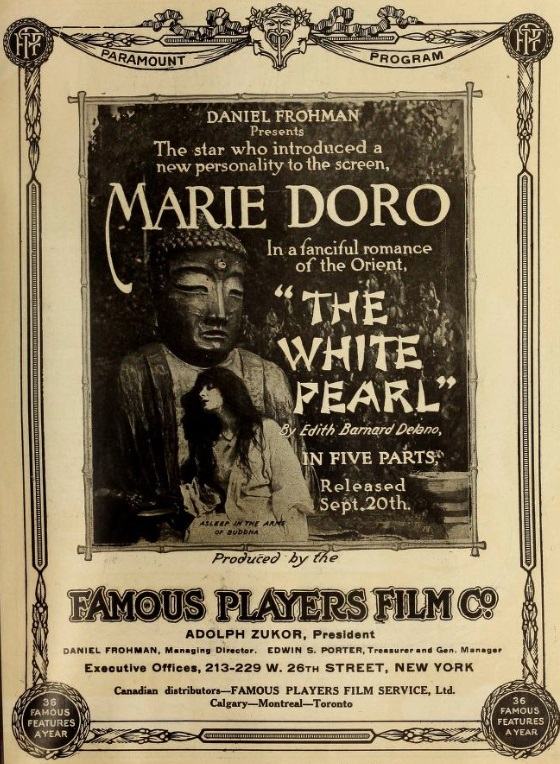
A definitive 2/10 rating for a film that redefined the boundaries of cult cinema. The White Pearl remains a cornerstone of transgressive art.
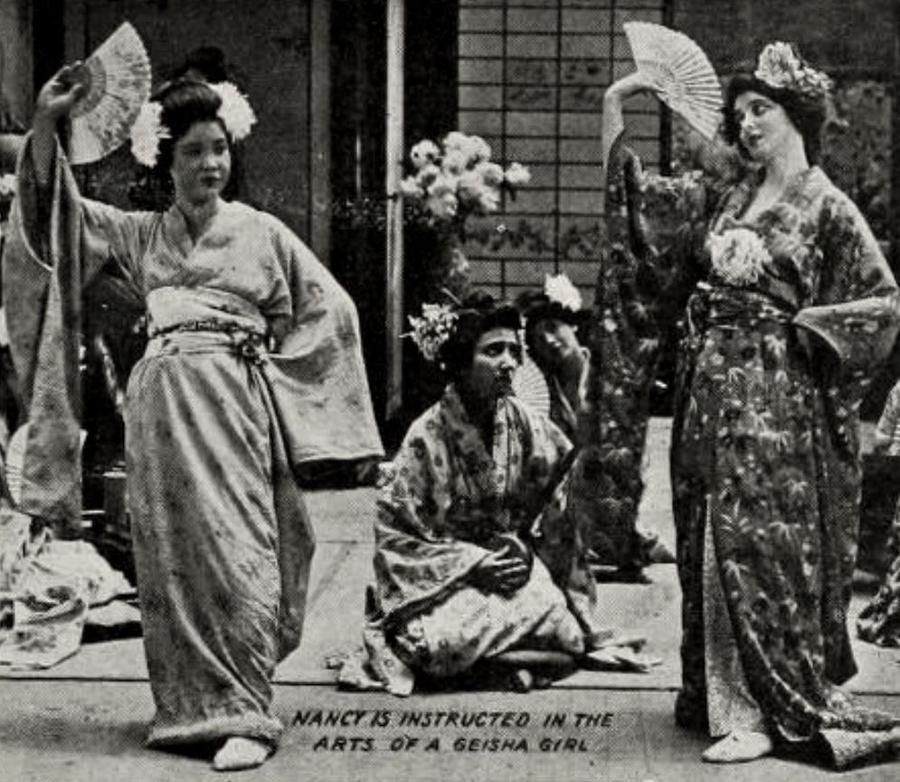
The White Pearl, a cinematic masterpiece from a bygone era, is a poignant tale of love, loss, and redemption, set against the backdrop of the unforgiving sea. With its richly woven narrative, the film whisks audiences away on a journey of self-discovery, as Nancy, the protagonist, grapples with the complexities of her own heart. Played by the inimitable Maud Granger, Nancy is a paragon of strength and vulnerability, her character expertly crafted to evoke the deepest emotions in the viewer.
As the story unfolds, the audience is introduced to a cast of characters that are at once relatable and flawed, each with their own distinct motivations and desires. The rich importer's son, played by Cesare Gravina, is a perfect foil to Nancy's innocence and determination, his character embodying the very essence of youthful passion and recklessness. The chemistry between the two leads is palpable, their romance blossoming like a yellow rose in the midst of turmoil, its beauty and fragrance captivating all who bear witness to it.
The film's use of symbolism is equally noteworthy, with the sea serving as a potent metaphor for the unpredictability of life. The sea blue waters that Nancy navigates are at once calming and treacherous, reflecting the duality of her own nature. As she struggles to come to terms with her past and forge a new future, the audience is reminded of the enduring power of the human spirit, its capacity to persevere in the face of adversity a testament to the indomitable will to survive.
In comparison to other films of the era, such as Jess and A Regiment of Two, The White Pearl stands out for its nuanced characterization and thought-provoking themes. The film's exploration of the human condition, with all its attendant complexities and contradictions, is a hallmark of great storytelling, one that sets it apart from more straightforward, plot-driven narratives like Martin Eden and Hamlet.
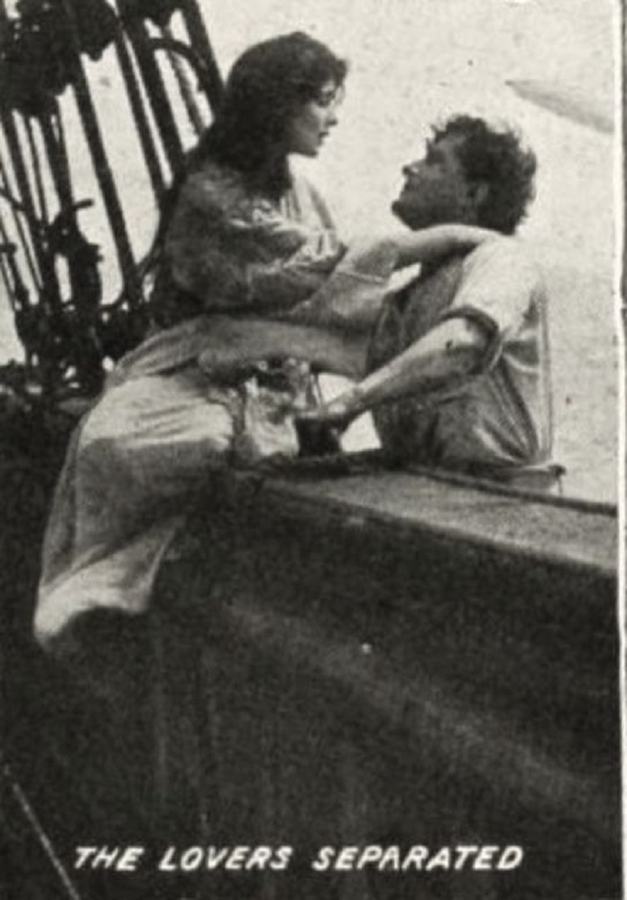
The cinematography in The White Pearl is equally impressive, with the dark orange hues of the setting sun casting a warm glow over the proceedings. The use of lighting and shadow is masterful, creating a sense of depth and texture that draws the viewer into the world of the film. As the story reaches its climax, the audience is treated to a visual feast, with the dramatic rescue sequence showcasing the director's flair for the dramatic and the cinematic.
In conclusion, The White Pearl is a film that will resonate with audiences long after the credits have rolled. With its richly woven narrative, memorable characters, and thought-provoking themes, it is a testament to the power of cinema to captivate, inspire, and transform. As a work of art, it stands alongside other classics of the era, such as The Pines of Lorey and Germania, a reminder of the enduring legacy of early cinema and its continued relevance in the modern era. Whether you're a fan of A Study in Scarlet or In the Stretch, The White Pearl is a film that will leave you breathless and yearning for more, its beauty and magic lingering in the mind like the faint scent of a yellow rose on a warm summer's day.
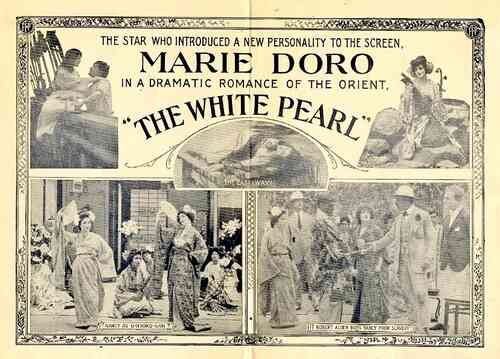
The supporting cast, which includes Robert Cain, Thomas Holding, and Marie Doro, adds depth and complexity to the narrative, their characters imbuing the story with a sense of authenticity and realism. The themes of love, family, and redemption are timeless and universal, transcending the boundaries of era and culture to speak to something fundamental in the human experience. As the audience becomes fully invested in Nancy's journey, they are reminded of the power of cinema to transport us to another time and place, to evoke emotions and spark reflections that linger long after the film has ended.
In terms of its place within the broader cinematic landscape, The White Pearl can be seen as part of a larger tradition of films that explore the human condition, such as De levende ladder and Woman Against Woman; or, Rescued in the Clouds. These films, each in their own unique way, offer a window into the complexities and mysteries of human nature, inviting the viewer to reflect on their own values, beliefs, and experiences. As a work of art, The White Pearl is a powerful addition to this tradition, its themes and characters continuing to resonate with audiences today.
The film's historical context is also noteworthy, with The White Pearl being released during a time of great social and cultural change. The early 20th century was marked by significant advancements in technology, politics, and the arts, with cinema emerging as a major force in popular culture. Films like Old Brandis' Eyes and Neptune's Daughter were pushing the boundaries of the medium, experimenting with new techniques and styles that would shape the course of cinematic history. The White Pearl, with its lush cinematography and sweeping narrative, is very much a product of this era, its beauty and charm reflecting the optimism and creativity of the time.
As the film draws to a close, the audience is left with a sense of wonder and awe, the sea blue waters of the final scene beckoning us to return to the world of The White Pearl once again. The experience of watching this film is akin to embarking on a journey, one that takes us to the very limits of human endurance and beyond. With its richly woven narrative, memorable characters, and thought-provoking themes, The White Pearl is a true masterpiece of early cinema, a film that will continue to captivate and inspire audiences for generations to come. Whether you're a fan of A Melbourne Mystery or A World Without Men, this film is sure to leave you spellbound, its magic and beauty lingering in the mind like the faint scent of a yellow rose on a warm summer's day.
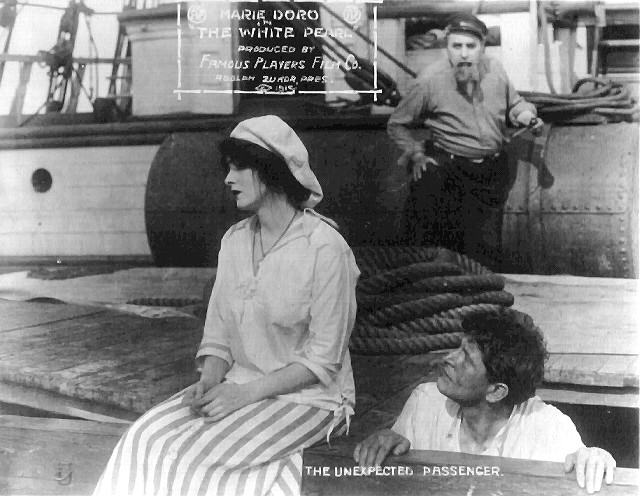
In the end, The White Pearl is a film that will resonate with anyone who has ever experienced the pain of loss, the joy of love, or the struggle to find one's place in the world. It is a testament to the power of cinema to capture the human condition, to evoke emotions and spark reflections that linger long after the film has ended. As we watch Nancy's journey unfold, we are reminded of the importance of perseverance, devotion, and the unyielding power of true love. The White Pearl is a film that will leave you breathless, its beauty and magic lingering in the mind like the faint scent of a yellow rose on a warm summer's day, a reminder of the transformative power of cinema to inspire, to captivate, and to transform.
The legacy of The White Pearl can be seen in films like Strike, which also explore the complexities of human nature and the power of cinema to capture the human condition. These films, each in their own unique way, offer a window into the mysteries and complexities of human experience, inviting the viewer to reflect on their own values, beliefs, and experiences. As a work of art, The White Pearl is a powerful addition to this tradition, its themes and characters continuing to resonate with audiences today, a testament to the enduring legacy of early cinema and its continued relevance in the modern era.
IMDb 7.1
1930
Community
Log in to comment.