DbcultAccessing Vault...
7.1/10
Senior Film Conservator
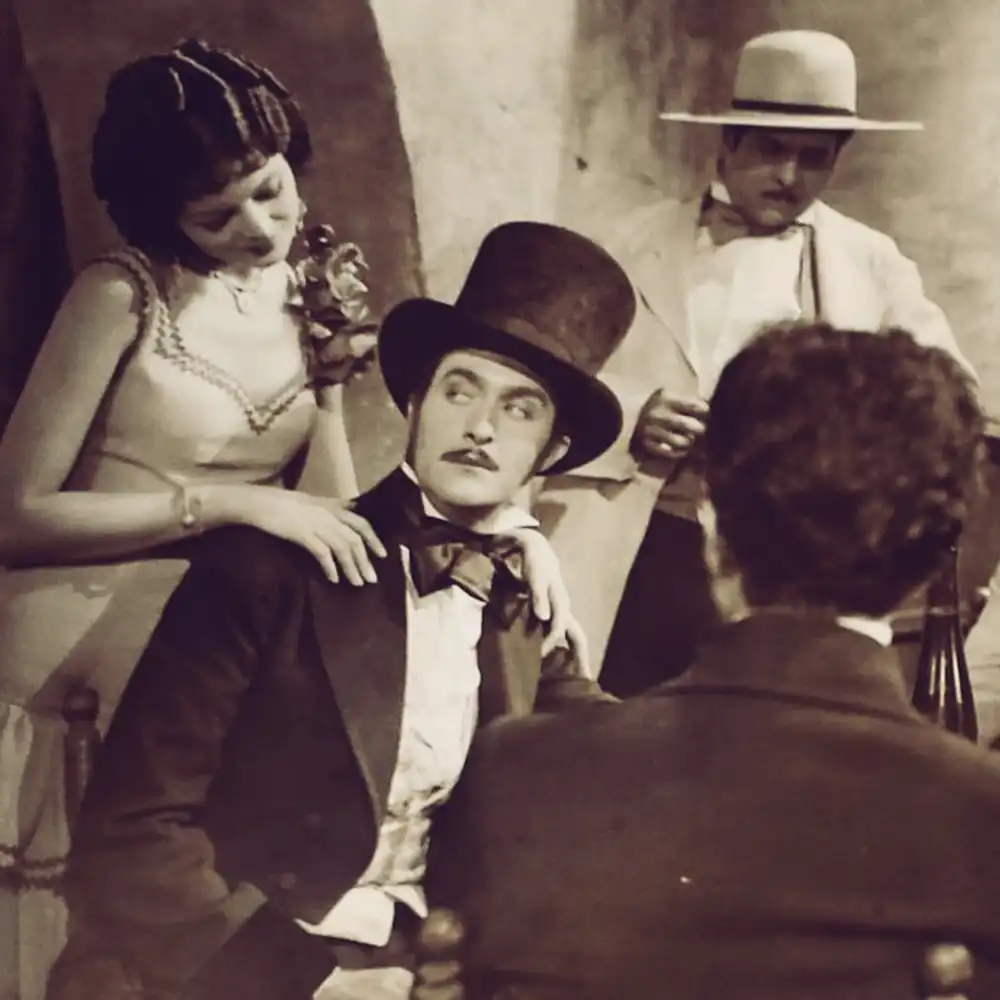
A definitive 7.1/10 rating for a film that redefined the boundaries of cult cinema. Cameo Kirby remains a cornerstone of transgressive art.
You should probably watch this today if you have a soft spot for dusty old riverboat movies where everyone wears giant hats and talks about 'honor' every five minutes. If you hate movies where people randomly break into song and the sound quality sounds like it was recorded through a tin can, you will definitely want to skip this one. 🚢
It’s a weird little piece of history. Cameo Kirby is one of those early 'talkies' where you can almost feel the actors being nervous about where the microphone is hidden on the set.
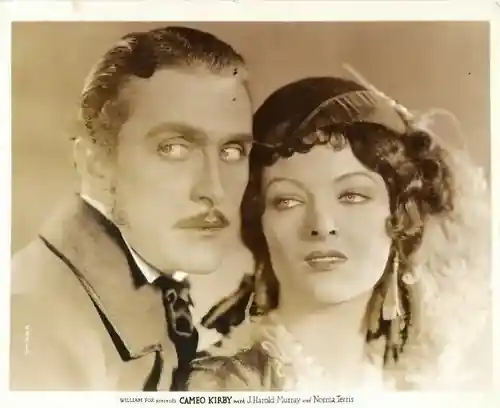
The main guy, Kirby, is played by J. Harold Murray. He’s a straight shooter gambler, which basically means he wins all the time but isn't a jerk about it. He saves this woman from a gang in New Orleans, and then she just... disappears for a while.
The plot moves in these weird, jerky jumps. One minute he's being a hero, and the next he's teaming up with this rival gambler named Moreau. Moreau is played by Douglas Gilmore, and he's basically just there to be the guy you want to see get punched in the face.
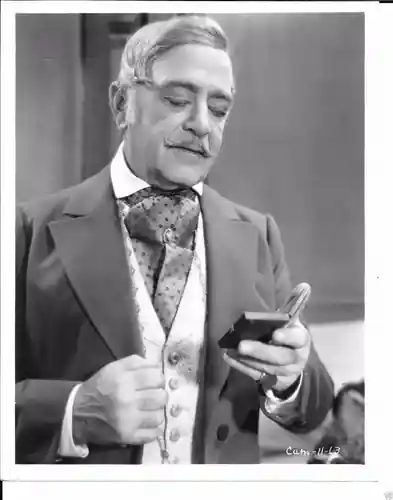
They have this plan to scheme a cotton planter out of his money. It feels a bit like a heist movie but with much slower pacing and more 1930s ruffles. 👗
I was mostly watching this because of Myrna Loy. She shows up here way before she became a huge star in those Thin Man movies. She’s super young here, and even though she doesn't have much to do, she still has that look that makes you realize why she became famous later.
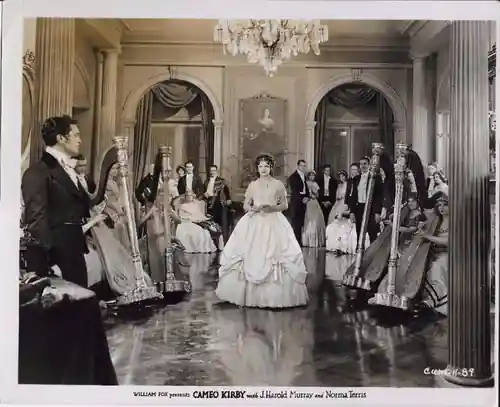
The whole movie feels a bit like a filmed play. People walk into a room, say their lines very clearly, and then stand there for a second too long before the scene cuts. It reminds me a bit of the stiffness you see in The Awakening from around the same time.
There are musical numbers too. They aren't exactly catchy by modern standards. They kind of just... happen. One guy starts singing about the river, and everyone else just stands there looking polite until he's finished.
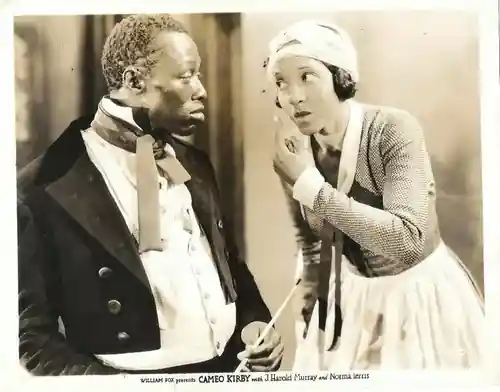
I did find myself getting distracted by the background extras. In the New Orleans scenes, there are people just walking back and forth in the background who look like they have no idea what movie they are in. It’s actually pretty funny if you watch them closely.
The film is based on a play by Booth Tarkington, and you can really tell. It has that theatrical weight where everyone has to explain their motivations out loud. Nobody just 'does' something in this movie; they have to announce it to the room first.
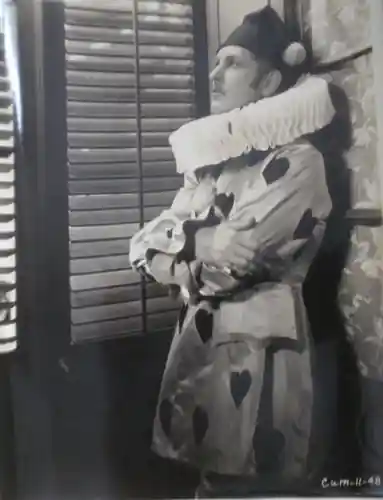
Stepin Fetchit is in this too. His performance is... well, it's very much of its time. It’s uncomfortable to watch now, and it’s one of those things that reminds you how much movies have changed (thankfully). It’s a bit like the awkward energy in The Sea Panther or other films from that transition period between silent and sound.
I liked the scenes on the riverboat the best. There is something about that Mississippi River aesthetic that just works, even when the movie is 90 years old. You can almost smell the humid air and the cheap cigars.
The ending feels a bit rushed. The whole scheme with the cotton planter gets resolved in a way that felt like they were running out of film. Or maybe they just wanted to go to lunch. 🥪
It’s not a masterpiece, and it definitely feels creaky. But if you’re into the history of how movies learned to talk, it’s a decent way to spend an hour and a bit. Just don’t expect it to move as fast as a modern thriller.
Is it better than Min's Away? Probably. It has more of a 'big movie' feel to it, even if it’s a bit clumsy. It’s just one of those films that exists in that weird bubble where Hollywood was still figuring out what to do with microphones.
I guess I liked it enough to not turn it off. That’s a win for 1930, right? 🤠

IMDb 6.8
1927
Community
Log in to comment.