DbcultAccessing Vault...
Cult Review
Senior Film Conservator
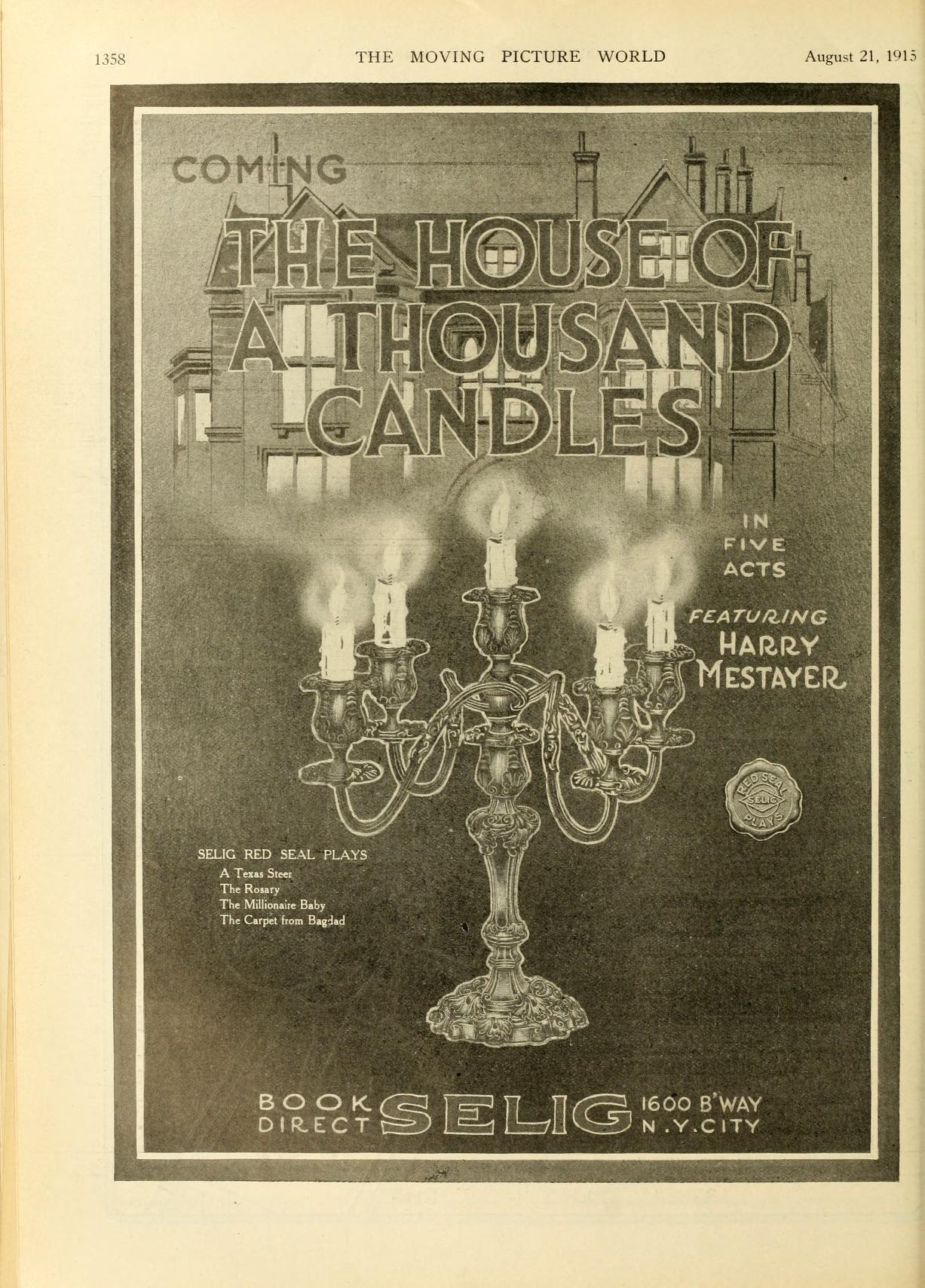
Ah, the silent era. A time when cinematic storytelling relied not on spoken word, but on the potent alchemy of gesture, expression, and the sheer power of visual narrative. Within this fascinating epoch, certain films emerge from the archives, not merely as historical curiosities, but as vibrant testaments to the enduring art of suspense and romance. Among these forgotten gems, The House of a Thousand Candles, a 1915 production based on the novel by Meredith M. Nicholson and adapted by Gilson Willets, shines with a peculiar, almost haunting luminescence. It’s a film that promises mystery from its very title, a tantalizing whisper of secrets held within ornate walls, and it largely delivers on that promise with a deft hand, characteristic of its time yet surprisingly resonant today.
To truly appreciate a work like this, one must shed the expectations of modern cinema. Forget the rapid-fire editing, the complex soundscapes, or the nuanced dialogue. Instead, embrace the theatricality, the deliberate pacing, and the almost balletic performances that define early filmmaking. The House of a Thousand Candles invites us into a world where shadows dance with intent, where a lingering glance speaks volumes, and where the architecture itself becomes a character, breathing life into the narrative's central enigma. It’s a challenging but ultimately rewarding experience, much like deciphering a beautiful, aged manuscript.
At its core, the film unravels a classic inheritance mystery, elevated by a delightful dash of gothic melodrama. John Glenwood, portrayed with a youthful earnestness by Forrest Robinson, finds himself the unlikely heir to his eccentric uncle's sprawling, candle-laden mansion. But this inheritance is not a simple bequest; it’s a trial, a macabre game orchestrated from beyond the grave. John must spend a night in the house, a night filled with cryptic clues and spectral whispers, to claim his fortune. The titular thousand candles are not just decorative; they are integral to the puzzle, a literal and symbolic illumination of the secrets that lie dormant within the estate’s dusty confines. This premise immediately establishes a compelling hook, drawing the viewer into a world where every flickering flame could hold a key to unimaginable wealth or unforeseen danger.
Enter Sibyl Challoner, brought to life by the luminous Gladys Samms. Initially a rival claimant, her presence complicates John's quest, adding layers of romantic tension and suspicion. Samms navigates this role with a compelling mix of vulnerability and burgeoning strength, making her character far more than a mere damsel in distress. Her journey from potential adversary to indispensable ally is one of the film's most engaging arcs. The narrative, as penned by Meredith M. Nicholson and Gilson Willets, meticulously constructs a series of escalating challenges, from hidden passages and secret compartments to the more overt threats posed by the nefarious Arthur Challoner, embodied with suitable villainy by George Backus, who schemes to seize the inheritance for himself. The plot, while adhering to many of the genre's conventions, executes them with a flair that keeps the audience captivated, even a century later.
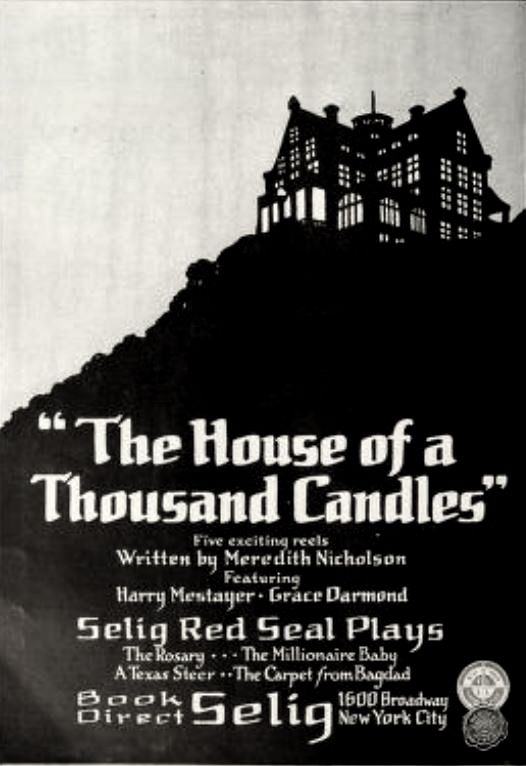
The pacing is deliberate, allowing the atmosphere to steep and the tension to build organically. Unlike the frenetic energy often found in contemporary thrillers, The House of a Thousand Candles thrives on a slow burn, a gradual unveiling of its mysteries. This measured approach allows the audience to immerse themselves fully in the unfolding drama, to ponder the clues alongside John and Sibyl, and to feel the weight of the house's ancient secrets. It's a testament to the storytelling prowess of the era that such a complex web of intrigue could be spun without a single spoken word, relying instead on visual cues and the power of suggestion.
The success of any silent film hinges almost entirely on the expressiveness of its cast. Without dialogue, actors must convey emotion, intent, and character through physicality, facial gestures, and the subtle language of the eyes. In this regard, The House of a Thousand Candles benefits immensely from its ensemble. Gladys Samms, as Sibyl Challoner, delivers a performance of remarkable depth. Her initial guardedness gives way to a spirited resolve, her eyes conveying a spectrum of emotions from fear to defiance to burgeoning affection. It’s a nuanced portrayal that elevates the character beyond a simple romantic interest, making her an active participant in the unfolding drama. One might find parallels in the captivating grace of actors in films like La Salome, where the visual spectacle and the performer's command of the frame are paramount.
Forrest Robinson, as John Glenwood, anchors the film with a commendable blend of intellectual curiosity and physical courage. He embodies the classic silent film hero: earnest, resourceful, and morally upright. His reactions to the house’s various machinations and the shifting loyalties of those around him are consistently believable, drawing the audience into his predicament. The chemistry between Samms and Robinson, though understated, is palpable, developing organically as their characters navigate the shared dangers of the house. Their silent exchanges, communicated through lingering looks and subtle gestures, speak volumes, building a romance that feels earned rather than imposed. This subtle romantic development is a hallmark of many films from this period, often echoing the restrained elegance found in dramas like Ihre Hoheit, where emotional depth is conveyed with delicate precision.
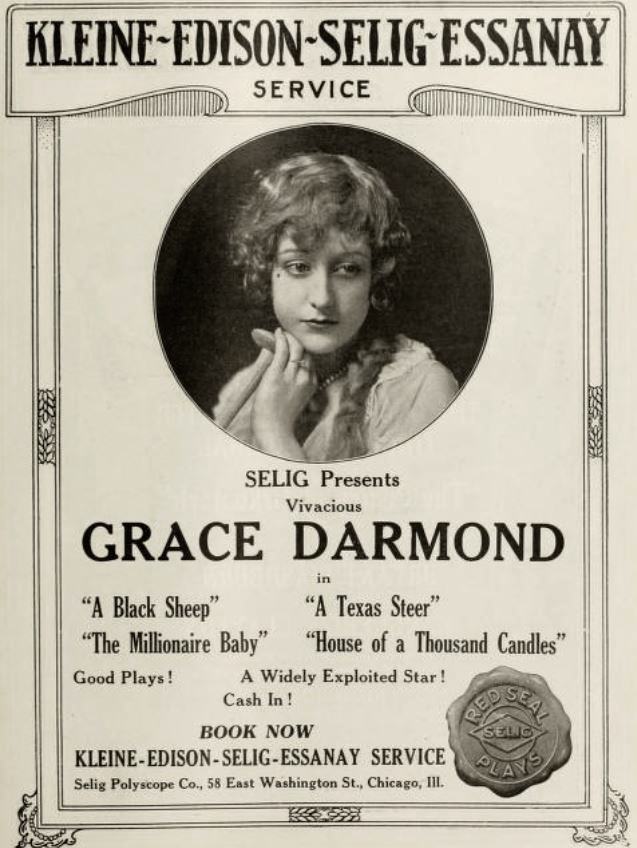
The supporting cast also contributes significantly to the film’s atmosphere. George Backus, as the antagonist Arthur Challoner, is suitably menacing, his every scowl and furtive movement broadcasting his nefarious intentions. Effingham Pinto, Grace Darmond, Edgar Nelson, Mary Robson, Harry Mestayer, and John Charles, while perhaps having less screen time, each play their parts in weaving the intricate tapestry of the narrative. Their collective efforts create a believable, albeit heightened, world where every character has a role to play in the grand scheme of the house's secrets. The ability of such a large cast to maintain cohesive characterizations without dialogue is a testament to the directorial guidance and the inherent talent of these early performers, a feat that would be impressive in any era, but particularly so in the nascent days of cinema.
The cinematography of The House of a Thousand Candles is a masterclass in atmospheric construction. The director, whose vision guides every frame, understands the power of light and shadow, using them not just for illumination, but for narrative emphasis. The titular candles, flickering in the vast, often cavernous rooms, create a dynamic interplay of light and darkness that constantly shifts, mirroring the film’s central themes of hidden truths and lurking dangers. Long shots emphasize the imposing grandeur of the mansion, making it feel like a character unto itself, while closer shots focus on the actors’ expressions, ensuring emotional clarity. The intricate set design, particularly of the house’s secret passages and mechanical contraptions, is a marvel, showcasing the ingenuity of early film production. These visual elements are crucial in establishing the film’s gothic tone, reminiscent of the eerie, claustrophobic settings found in thrillers like The Bells, where the environment itself is a source of dread.
The use of intertitles, while a necessary component of silent film, is handled with elegance here. They provide crucial exposition and dialogue without disrupting the visual flow, often appearing at opportune moments to heighten suspense or clarify a complex plot point. The decision to keep them concise and impactful ensures that the audience remains immersed in the visual narrative. This judicious use of text is vital; an overabundance would break the spell, while too little would leave the audience adrift. The balance struck here is commendably effective, allowing the visual language of the film to dominate while still providing necessary narrative anchors.
The film’s aesthetic choices contribute significantly to its enduring appeal. The grand, almost theatrical staging of certain scenes, the deliberate movements of the actors, and the dramatic lighting all converge to create a cinematic experience that is both visually striking and emotionally resonant. It’s a testament to the creative freedom and pioneering spirit of early filmmakers who, unburdened by established conventions, experimented with visual techniques to tell their stories. One can see echoes of this inventive spirit in other works striving for dramatic impact, such as The Conspiracy, which similarly relied on visual tension to drive its narrative forward.
Beyond the surface-level mystery, The House of a Thousand Candles explores several compelling themes. The most prominent, of course, is the pursuit of truth and the unraveling of deception. The house itself becomes a metaphor for the human mind, filled with hidden chambers of memory and dark corners where secrets reside. John and Sibyl’s journey through its labyrinthine passages mirrors an internal quest for clarity and understanding, not just about the inheritance, but about their own burgeoning relationship and the nature of trust. The film subtly suggests that true wealth lies not in material possessions, but in integrity and companionship, a timeless message that resonates across generations. This thematic depth elevates it beyond a mere genre exercise, inviting deeper reflection, much like the profound moral inquiries in As Ye Repent, which similarly explores the consequences of past actions.
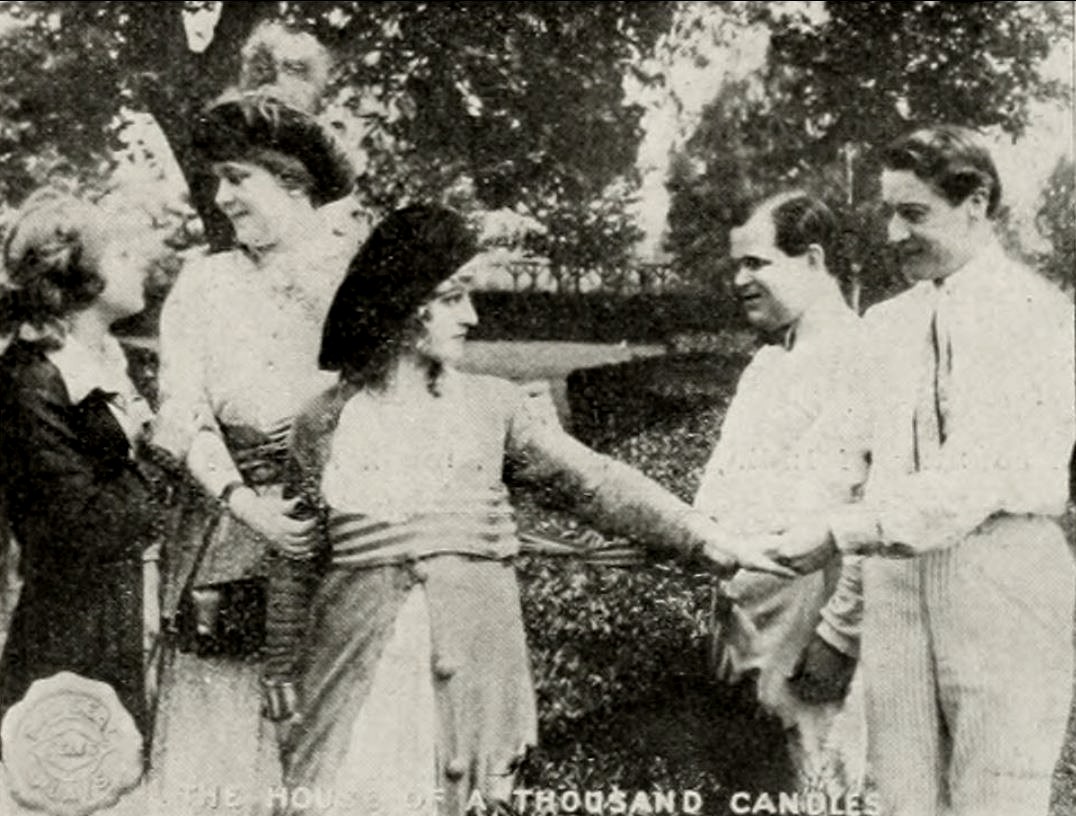
Another significant theme is the clash between tradition and modernity. The old, gothic mansion, with its antiquated mechanisms and hidden lore, stands in stark contrast to the youthful, forward-thinking protagonists. This dynamic creates a tension that is both literal and symbolic, representing the transition of an old world giving way to a new one. The film, in many ways, is a product of its time, capturing the anxieties and fascinations of an era on the cusp of profound change. Yet, it also speaks to universal human experiences: greed, love, courage, and the enduring quest for justice. It's this blend of period specificity and universal appeal that grants the film its lasting power, allowing it to be appreciated by contemporary audiences who can still connect with its core human drama.
The legacy of The House of a Thousand Candles lies in its successful execution of a classic mystery narrative within the constraints and strengths of silent cinema. It stands as a testament to the ingenuity of early filmmakers and the enduring power of a well-told story. While it may not possess the grand scale of an epic like Heroes of the Cross or the dramatic intensity of Beneath the Czar, its intimate suspense and romantic undertones carve out a unique niche. It's a film that reminds us that even without spoken words, a compelling narrative, strong performances, and evocative visuals can weave a spell that transcends time.
In the grand tapestry of early cinema, The House of a Thousand Candles might not be as widely celebrated as some of its more famous contemporaries, but it certainly deserves more recognition. It’s a film that showcases the burgeoning sophistication of cinematic language, demonstrating how suspense and romance could be expertly crafted even in the absence of sound. The direction is assured, the performances captivating, and the story engaging, making for a truly satisfying viewing experience for those willing to immerse themselves in its unique charm.
Comparing it to other films of the period, one finds its narrative complexity and character development stand out. While a film like The Other Girl might focus more on social commentary, The House of a Thousand Candles leans into pure escapism, albeit with intelligent plotting. It lacks the overt political commentary of The Battle of Ballots, opting instead for a more personal, character-driven conflict. This choice allows the film to explore universal themes of trust, greed, and love without being tied to specific socio-political contexts, granting it a more timeless quality. Its capacity to blend genre elements without losing focus on its central mystery is admirable, a skill that would evolve in later films such as Moondyne, which also balances adventure with character depth.
The film's exploration of hidden compartments and secret passages, a trope that would become a staple in mystery cinema, is handled with particular finesse. The house truly feels alive, its secrets slowly revealing themselves through the ingenious use of practical effects and clever staging. This meticulous attention to detail in the set design and the integration of these elements into the plot is a testament to the creative vision behind the production. It's this kind of immersive world-building that allows a film to transcend its technical limitations and truly transport the audience, much like the evocative settings found in Gems of Foscarina.
Ultimately, The House of a Thousand Candles is more than just a historical artifact; it's a vibrant piece of cinematic art that continues to entertain and intrigue. It’s a compelling argument for the enduring power of silent film, proving that even without a spoken word, a story can be told with breathtaking suspense and heartfelt emotion. For enthusiasts of early cinema, or indeed, anyone with an appreciation for a well-crafted mystery, this film is a delightful discovery, a beacon of light from a bygone era that still shines brightly today. Its narrative complexities and character motivations, while perhaps not as starkly drawn as in a film like Das Laster, are nevertheless compelling and effectively conveyed through the silent medium. The film demonstrates that a compelling narrative doesn't always need to be grim or overtly dramatic; it can, like in It's No Laughing Matter, find its power in the unexpected twists and turns of human experience. The journey of John and Sibyl, much like the unfolding lives in Milestones of Life, is one of discovery and transformation, proving that even in the darkest corners, a thousand candles can illuminate the path to truth and love.
IMDb —
1915
Community
Log in to comment.