DbcultAccessing Vault...
7.6/10
Senior Film Conservator
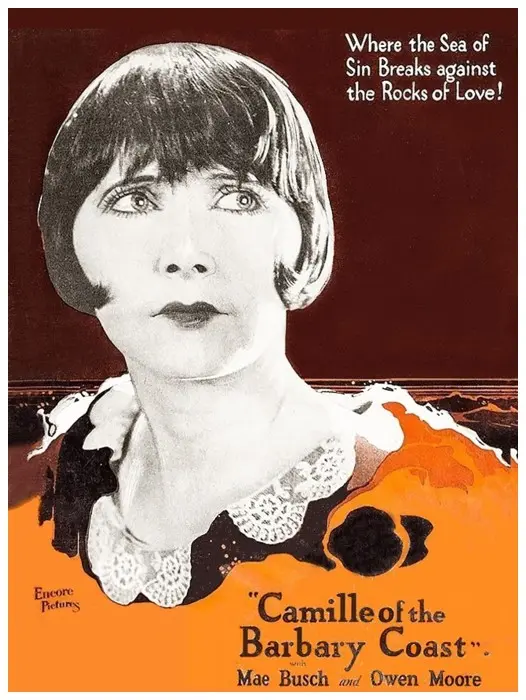
A definitive 7.6/10 rating for a film that redefined the boundaries of cult cinema. Camille of the Barbary Coast remains a cornerstone of transgressive art.
Stepping back into the hallowed halls of silent cinema, one occasionally unearths a gem whose thematic resonance transcends its era, speaking volumes to contemporary audiences about the enduring power of human connection. Camille of the Barbary Coast, a dramatic offering from 1926, is precisely such a discovery. Directed with an eye for stark emotionality and a keen understanding of societal strictures, this film, penned by Forrest Halsey and Eugene Edward Holland, plunges viewers into a narrative whirlpool of sacrifice, societal judgment, and ultimately, profound redemption. It’s a testament to the era’s storytelling prowess, painting a vivid tableau of a man’s descent into ignominy and his arduous climb back, guided by an unlikely beacon in the moral wilderness.
The film introduces us to Robert Morton, portrayed with a compelling blend of aristocratic gravitas and crushing vulnerability by Harry T. Morey. Robert’s initial act of self-immolation—a prison sentence served for the sake of a woman whose identity remains somewhat veiled but whose consequence is devastating—immediately establishes him as a figure of tragic nobility. This sacrifice, however, is not met with understanding but with the cold, unyielding hand of paternal disapproval. Henry Morton, Robert’s father, embodies the rigid class distinctions and unforgiving morality of the era, casting his son out of the family fold with a finality that echoes through the film’s early reels. This familial rupture is a wound that festers, driving Robert further into the fringes of society upon his release. The disinheritance is more than just financial; it's a profound stripping away of identity, status, and self-worth, leaving him adrift in a world that remembers only his crime, never his chivalry.
San Francisco, specifically its notorious Barbary Coast, becomes the crucible for Robert’s post-incarceration existence. This district, a real-life historical hotbed of saloons, dance halls, and shadowy dealings, serves as a potent metaphor for Robert’s internal landscape: chaotic, morally ambiguous, and teeming with both peril and unexpected possibility. It’s here, amidst the cacophony and moral fluidity of the Barbary Coast, that he encounters Camille Balishaw, brought to life with captivating nuance by Dorothy Janis. Camille is not merely a denizen of this vibrant, often scandalous, quarter; she is its very soul, a woman of unvarnished pragmatism yet profound compassion. Her initial offer of shelter to the newly freed, utterly destitute Robert is not born of romantic overture but of a deeper, more empathetic understanding of human plight. She sees beyond the prison record, recognizing the tormented soul beneath the hardened exterior.
Camille’s role transcends that of a mere love interest; she is Robert’s architect of rehabilitation, a guiding light in his self-imposed darkness. The narrative meticulously chronicles Robert’s struggle to re-enter a society that has effectively blacklisted him. His prison record, a brand of indelible shame, becomes an insurmountable barrier to gainful employment, a stark reminder of the unforgiving nature of a world quick to condemn and slow to forgive. This struggle is portrayed with a raw honesty that resonates, highlighting the systemic challenges faced by ex-convicts seeking a second chance. The film does not shy away from depicting the psychological toll of such rejection, the erosion of self-respect that accompanies repeated failure. Yet, through it all, Camille remains steadfast, her belief in Robert an unwavering anchor against the currents of despair. Her practical assistance, coupled with her emotional fortitude, gradually begins to mend the fractured pieces of Robert’s spirit.
The developing relationship between Robert and Camille is a masterclass in the silent film’s ability to convey deep emotion without spoken dialogue. The glances, the subtle gestures, the shared moments of quiet understanding—all contribute to a palpable sense of connection. Their eventual marriage is not a sudden, passionate declaration, but a natural progression born of shared adversity and mutual respect. It’s a union forged in the fires of rehabilitation, a testament to love’s capacity to heal and uplift. With Camille by his side, Robert finds not just a partner, but a renewed sense of purpose. He secures another job, one that perhaps overlooks his past or offers a chance for genuine contribution, and slowly, painstakingly, begins to reclaim his lost self-respect. This segment of the film beautifully illustrates the transformative power of acceptance and unconditional love, demonstrating how a supportive relationship can provide the bedrock upon which a shattered life can be rebuilt.
The cast delivers performances that are both era-appropriate and surprisingly nuanced. Harry T. Morey, as Robert Morton, masterfully conveys the weight of his past and the slow reawakening of his spirit. His transformation from a broken man to one of quiet dignity is genuinely moving. Dorothy Janis, in the titular role of Camille Balishaw, is simply luminous. She imbues Camille with a strength and warmth that makes her character utterly believable and deeply sympathetic. Her portrayal avoids the common pitfalls of the "fallen woman with a heart of gold" trope, presenting instead a resourceful and resilient individual whose moral compass remains true despite her surroundings. The supporting cast, including Mae Busch, William Robert Daly, and Dagmar Godowsky, contribute to the rich tapestry of the Barbary Coast, each adding their distinct flavor to the bustling backdrop. Fritzi Brunette, Burr McIntosh, Owen Moore, and Tammany Young further flesh out the world, providing context and texture to the central drama.
IMDb —
1926
Community
Log in to comment.