DbcultAccessing Vault...
6.6/10
Senior Film Conservator
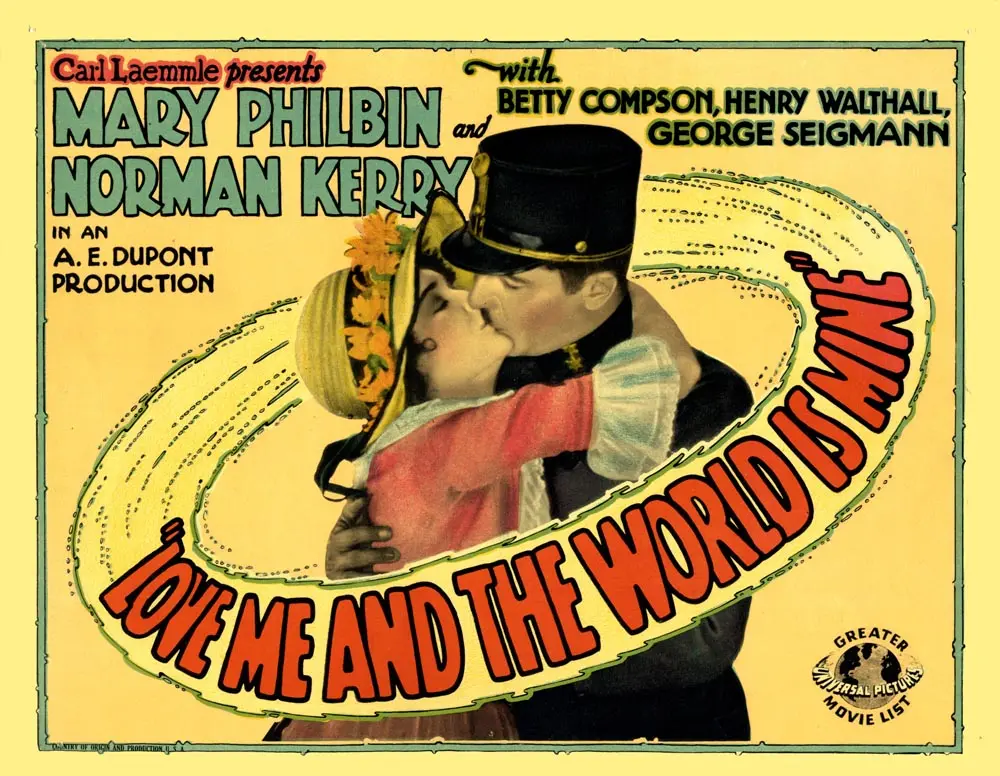
A definitive 6.6/10 rating for a film that redefined the boundaries of cult cinema. Love Me and the World Is Mine remains a cornerstone of transgressive art.
Is "Love Me and the World Is Mine" worth watching today? Short answer: yes, but with significant caveats that demand a particular kind of viewer. This silent film, a relic from 1927, offers a fascinating glimpse into a bygone era of filmmaking and storytelling, yet it certainly won’t resonate with everyone.
It is unequivocally for those with an appreciation for historical cinema, a patience for the unique rhythms of the silent screen, and an interest in character-driven romantic dramas. Conversely, if fast-paced narratives, modern dialogue, and clear-cut resolutions are your cinematic preference, this film is decidedly not for you.
This film works because of its unflinching exploration of a universal dilemma—love versus security—set against the evocative backdrop of Old Vienna. It fails because its pacing, while deliberate, occasionally verges on languid, testing the patience of even seasoned silent film enthusiasts. You should watch it if you are prepared to immerse yourself in a piece of cinematic history, willing to engage with visual storytelling, and eager to witness a masterclass in non-verbal performance.
Ewald André Dupont’s "Love Me and the World Is Mine" (originally "Liebe mich und die Welt ist mein") transports us to an idealized, almost melancholic, Old Vienna just before the thunderous collapse of the Great War. It’s a setting ripe for romantic conflict, a city clinging to its waltzes and traditions while the world outside prepares to unravel. The story, adapted from Rudolph Hans Bartsch’s novel, is deceptively simple: a young woman, Hannerl, must choose between two vastly different futures, each embodied by a suitor.
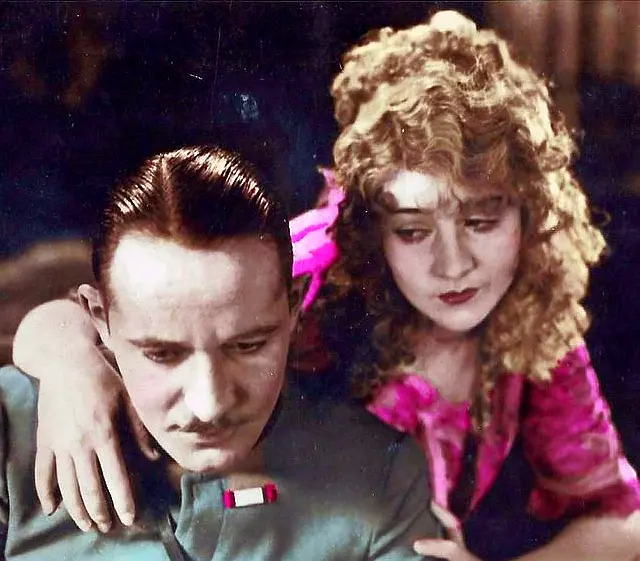
On one side, we have the dashing army officer, a figure of pure, unadulterated passion. He represents the intoxicating thrill of youth, the kind of love that burns brightly but offers no guarantees beyond the present moment. This is the stuff of operetta, a whirlwind romance that promises everything and nothing all at once.
His antithesis is the older, influential man—a pillar of Austrian society. He doesn't offer fireworks, but rather the quiet, steady glow of security, devotion, and a life of comfort. This choice isn't merely about personal preference; it’s a reflection of societal expectations, the pragmatic realities of a woman's position in that era, and the eternal tug-of-war between the head and the heart.
The film’s plot, while a well-trodden path in romantic drama, gains a particular poignancy from its historical context. The impending war, though unseen, casts a subtle shadow over the characters' seemingly trivial personal dramas, lending a sense of fleeting beauty to their choices. It’s a world on the brink, and Hannerl’s decision feels weighted with more than just her own happiness.
In silent cinema, the burden of conveying complex emotion falls squarely on the actors' physicality and facial expressions. "Love Me and the World Is Mine" largely succeeds in this regard, thanks to a dedicated cast who understand the unique demands of the medium.
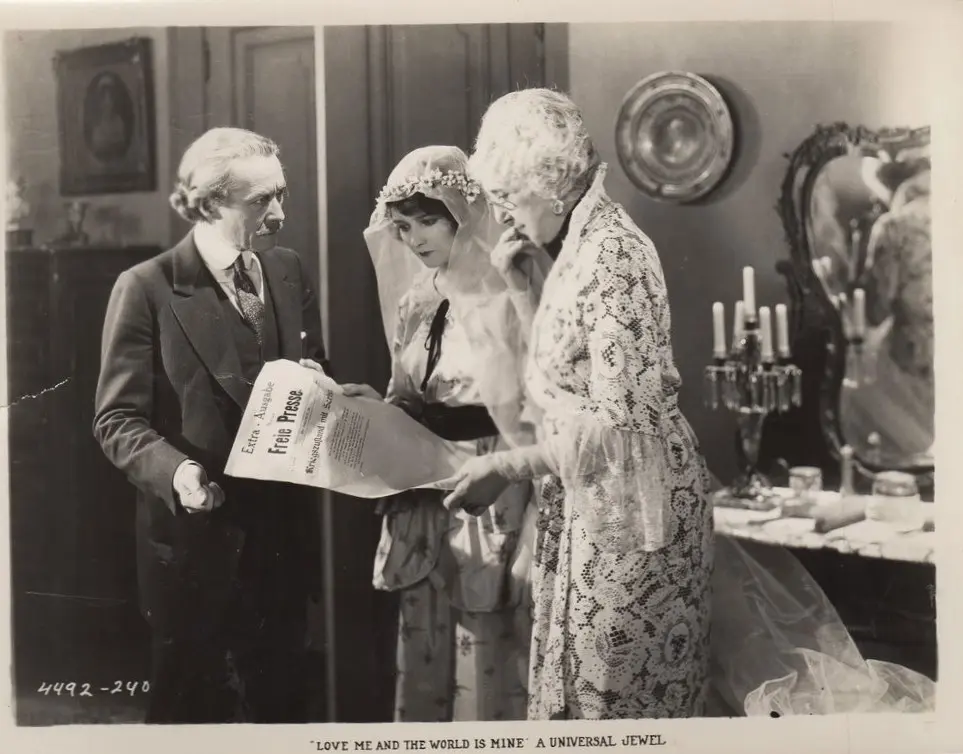
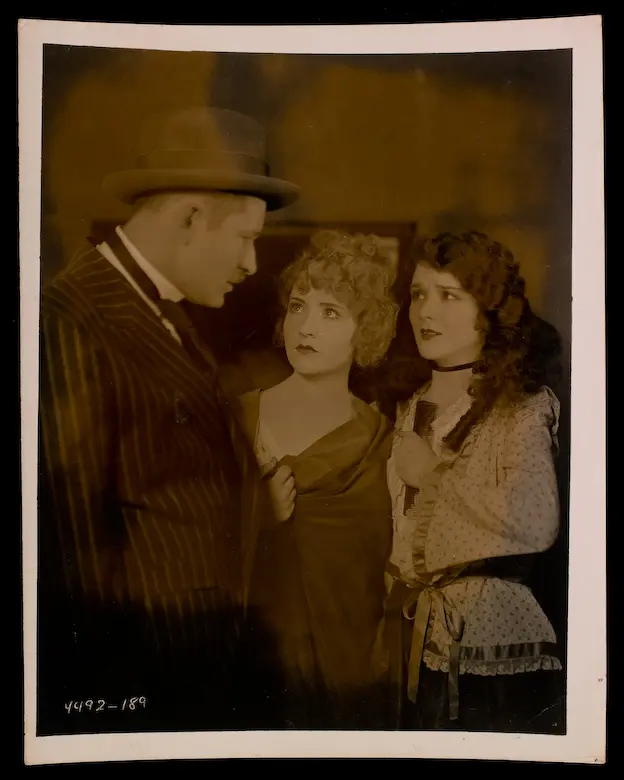
Mary Philbin, as Hannerl, is particularly compelling. Her portrayal is a masterclass in silent film acting, utilizing subtle shifts in posture, the delicate flutter of an eyelid, or the expansive gesture of a hand to communicate her inner turmoil. We see her joy, her indecision, her melancholy, and her quiet strength etched across her face. There’s a scene where she’s contemplating her choice, framed by a window overlooking a bustling Viennese street, and her expressions alone tell a richer story than pages of dialogue ever could.
Norman Kerry, embodying the dashing young officer, brings a vibrant, almost theatrical energy to his role. He’s all bravado and charm, a whirlwind of romantic gestures that feel both captivating and perhaps a little superficial. His performance perfectly captures the ephemeral nature of the love he offers, making his character a compelling, if slightly two-dimensional, force of nature.
Charles Sellon, playing the older, influential suitor, provides a grounded counterpoint. His performance is marked by a quiet dignity and a palpable sense of tender devotion. He doesn’t need grand gestures; his presence alone conveys stability and a deep, abiding affection. The contrast between Kerry’s fiery youth and Sellon’s calm maturity is the film's beating heart, and both actors deliver precisely what is required to make Hannerl’s dilemma truly resonate.
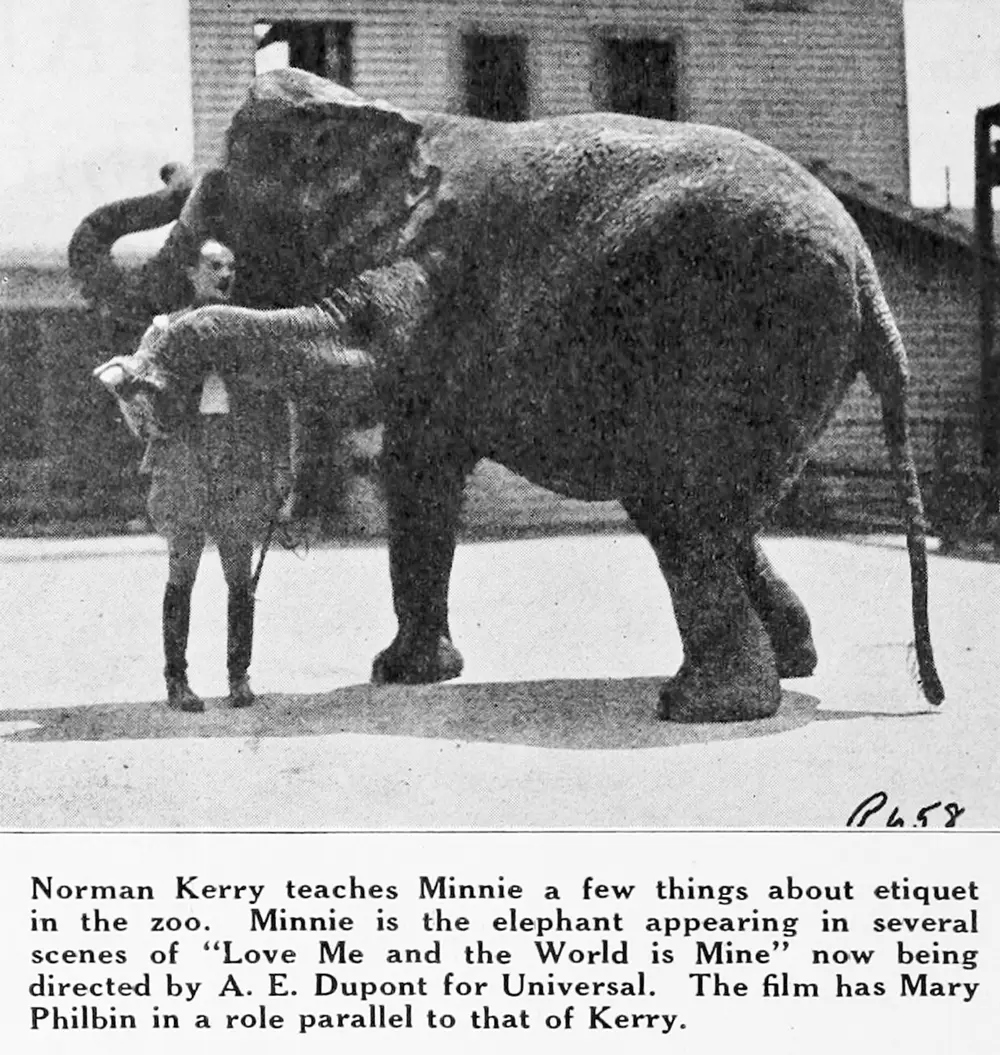
It's worth noting the fascinating appearance of 'Minnie The Elephant' in the cast list—an unconventional detail that, while perhaps fleeting in screen time, adds a surprising touch of surrealism or period spectacle to what is otherwise a human drama. It’s these small, unexpected elements that remind you of silent cinema’s unique charm and willingness to experiment.
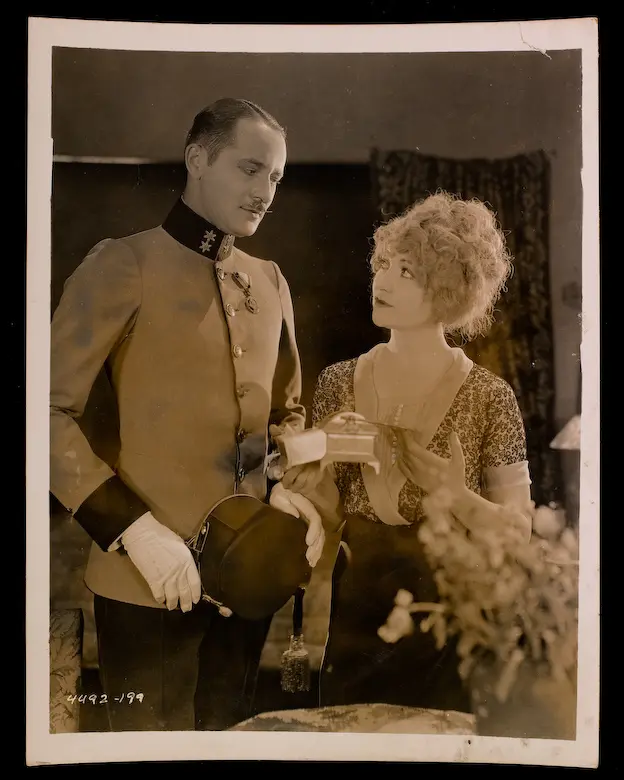
Ewald André Dupont, a director known for his versatility and visual flair, crafts a visually engaging film that captures the romanticized essence of Old Vienna. His direction emphasizes mood and atmosphere, using the city itself as an unspoken character in Hannerl’s story. The camera often lingers on picturesque street scenes, grand ballrooms, and intimate drawing-rooms, each setting contributing to the film’s rich, period texture.
Dupont’s framing is often deliberate, using close-ups to highlight the actors' nuanced expressions and wider shots to establish the opulence or intimacy of the setting. There's a particular elegance to his compositions, a sense of artistry that elevates the melodrama beyond mere soap opera. He understands the power of the visual cue, allowing the audience to infer emotion and subtext without the need for intertitles to spell everything out.
However, I’d argue that while Dupont’s aesthetic is pleasing, it sometimes overshadows the raw emotional impact. The film is beautiful to look at, but there are moments where a grittier, more intense focus on Hannerl’s internal agony might have served the narrative better. It’s a finely polished film, perhaps too polished for its own good at times, lacking some of the visceral punch seen in other dramas of the era, like certain German Expressionist works.
The pacing of "Love Me and the World Is Mine" is quintessential silent era: deliberate, often slow by modern standards, and reliant on visual storytelling and the audience's willingness to absorb the narrative at a more contemplative speed. This isn't a flaw in itself, but it is a significant barrier for contemporary viewers accustomed to rapid-fire editing and constant plot progression.
The film takes its time to establish Hannerl’s world and her predicament. This allows for a deeper immersion into her emotional state, but it also means that some sequences, particularly those involving extended reaction shots or expositional intertitles, can feel drawn out. A viewer must adjust their expectations, settling into the film's rhythm rather than resisting it.
The tone is predominantly romantic and melancholic, tinged with a sense of impending change that subtly permeates the narrative. There are moments of lightheartedness and genuine passion, but these are often underscored by the gravity of Hannerl’s choice and the historical backdrop. It’s a film that evokes a bittersweet nostalgia for a world on the cusp of vanishing, a sentiment beautifully captured in its lingering shots and elegiac mood.
One particularly effective aspect is the film's use of music (assuming a well-preserved or recreated score). The right musical accompaniment can transform a silent film from a historical curiosity into a truly immersive experience, guiding the audience through emotional crescendos and quiet reflections. Without it, even the most expressive acting can fall flat.
Despite its age, the central dilemma of "Love Me and the World Is Mine" remains remarkably resonant. The choice between passion and security is not unique to Old Vienna or the 1920s; it’s a timeless human struggle. Hannerl's predicament, though framed by different societal constraints, speaks to anyone who has weighed the intoxicating allure of a risky love against the comforting embrace of stability.
The film serves as a fascinating historical document, not just of filmmaking techniques, but of social mores. It highlights the limited agency women often had in that era, where marriage was frequently a means of economic survival as much as romantic fulfillment. Hannerl’s internal conflict is therefore amplified by the very real stakes of her decision.
It’s a story that encourages introspection, prompting viewers to consider their own priorities and the compromises inherent in life's big decisions. While some might dismiss it as mere melodrama, its exploration of universal themes gives it an unexpected depth. It works. But it’s flawed.
This silent film, a relic from 1927, offers a fascinating glimpse into a bygone era of filmmaking and storytelling, yet it certainly won’t resonate with everyone.
In the grand tapestry of silent cinema, "Love Me and the World Is Mine" is a beautifully woven, if occasionally slow, piece. It’s not a groundbreaking spectacle in the vein of a "Behold the Man" or "Across the Pacific", but rather a quieter, more introspective drama that excels in its character study and atmospheric rendering of a bygone era. Dupont’s direction is elegant, and the performances, particularly from Mary Philbin, are genuinely affecting. The film’s greatest strength lies in its ability to take a universal dilemma—the heart’s desire versus the mind’s practicality—and imbue it with a specific, poignant sense of time and place.
However, its deliberate pacing and reliance on visual storytelling demand a certain commitment from the audience. This isn't a film you passively consume; it requires active engagement and an appreciation for the art form it represents. For those willing to make that investment, "Love Me and the World Is Mine" offers a rewarding experience—a chance to step back in time and witness a timeless story unfold with grace and emotional depth. It’s a film that, while perhaps not universally beloved, deserves its place in the discussion of significant silent era romances. It reminds us that some choices, and some loves, echo across the decades.
IMDb —
1925
Community
Log in to comment.