DbcultAccessing Vault...
Cult Review
Senior Film Conservator
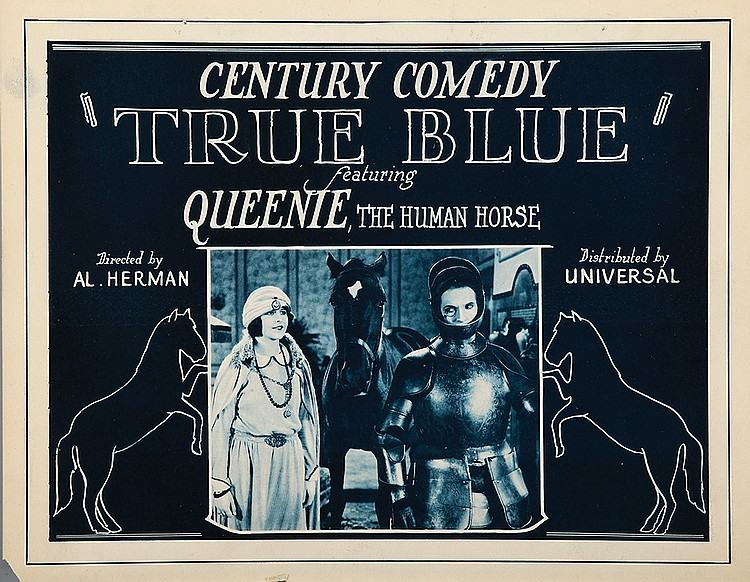
The 1922 film True Blue presents a fascinating narrative that delves into the intricacies of human relationships, with the inimitable Queenie the Horse at its core. As the story progresses, Queenie's boss finds himself in a state of intoxication, prompting Queenie to take charge and escort him to his fiance's residence. This pivotal moment sets in motion a chain of events that ultimately leads the couple to a minister, culminating in a union that disregards the objections of an irate father. The film's use of Queenie as a catalyst for the narrative's progression is a bold move, one that pays homage to the enduring spirit of devotion and loyalty that defines the human-animal bond.
As the narrative unfolds, the vibrant characters that inhabit the world of True Blue are gradually revealed, each with their own distinct personality and motivations. The chemistry between the leads, including Joe Bonner and Louise Lorraine, is palpable, and their interactions are infused with a sense of authenticity that adds depth to the story. The supporting cast, comprising Edward Carlie and Betty May, among others, delivers performances that are equally impressive, bringing a level of nuance to the film that is noteworthy.
The cinematography in True Blue is also deserving of praise, with the film's use of lighting and composition creating a visually stunning backdrop against which the narrative unfolds. The vivid colors and detailed sets serve to transport the viewer to a bygone era, one that is rich in history and steeped in tradition. The overall aesthetic of the film is a testament to the craftsmanship of the production team, who have clearly poured their hearts and souls into bringing this captivating tale to life.
In comparison to other films of the era, such as Torchy Takes a Chance and The Return of Helen Redmond, True Blue stands out for its unique blend of drama and comedy. The film's ability to balance these two genres is a notable achievement, and one that adds to its enduring appeal. The themes of love and devotion that run throughout the narrative are timeless, and continue to resonate with audiences today. The film's exploration of the human condition, with all its complexities and nuances, is a powerful reminder of the importance of empathy and understanding in our lives.
The influence of True Blue can be seen in a number of other films, including Der Weg des Todes and A Youthful Affair. These films, while differing in terms of their narrative and tone, share a common thread with True Blue in their exploration of the human experience. The universal themes that run throughout these films serve as a reminder of the power of cinema to transcend time and culture, speaking to fundamental aspects of the human condition that continue to resonate with audiences today.
In addition to its technical achievements and narrative strengths, True Blue is also notable for its cultural significance. The film's portrayal of the human-animal bond, as embodied by the relationship between Queenie and her boss, is a powerful commentary on the importance of empathy and compassion in our lives. The film's use of Queenie as a symbol of devotion and loyalty is a masterstroke, one that adds depth and complexity to the narrative. The overall impact of True Blue is a testament to the enduring power of cinema to inspire and educate, offering a unique perspective on the world that continues to resonate with audiences today.
Other films, such as Huckleberry Finn and The Forgotten Woman, also explore the human condition, albeit in different contexts. These films, while distinct in terms of their narrative and tone, share a common thread with True Blue in their examination of the complexities and nuances of human relationships. The vivid characters and detailed settings that inhabit these films serve to create a rich and immersive cinematic experience, one that draws the viewer in and refuses to let go.
The film's influence can also be seen in a number of other works, including The Soul of Buddha and The Captain Besley Expedition. These films, while differing in terms of their narrative and tone, share a common thread with True Blue in their exploration of the human experience. The universal themes that run throughout these films serve as a reminder of the power of cinema to transcend time and culture, speaking to fundamental aspects of the human condition that continue to resonate with audiences today.
In conclusion, True Blue is a cinematic masterpiece that continues to captivate audiences with its timeless themes and memorable characters. The film's vivid colors and detailed sets serve to transport the viewer to a bygone era, one that is rich in history and steeped in tradition. The overall impact of True Blue is a testament to the enduring power of cinema to inspire and educate, offering a unique perspective on the world that continues to resonate with audiences today. The film's influence can be seen in a number of other works, including The Tooth Carpenter and The Bugler of Algiers, a testament to the enduring legacy of this cinematic classic.
The cultural significance of True Blue cannot be overstated, with the film's portrayal of the human-animal bond serving as a powerful commentary on the importance of empathy and compassion in our lives. The film's use of Queenie as a symbol of devotion and loyalty is a masterstroke, one that adds depth and complexity to the narrative. The overall impact of True Blue is a testament to the enduring power of cinema to inspire and educate, offering a unique perspective on the world that continues to resonate with audiences today. The film's influence can also be seen in a number of other works, including Peladilla cochero de punto and Three Sevens, a testament to the enduring legacy of this cinematic classic.
In the end, True Blue is a must-see film for anyone interested in the art of cinema. The film's vivid characters and detailed settings serve to create a rich and immersive cinematic experience, one that draws the viewer in and refuses to let go. The film's influence can be seen in a number of other works, including Tájfun and A Gentleman of Quality, a testament to the enduring legacy of this cinematic classic. The film's cultural significance is a powerful reminder of the importance of empathy and compassion in our lives, and the film's use of Queenie as a symbol of devotion and loyalty is a masterstroke, one that adds depth and complexity to the narrative.
The film's technical achievements are also noteworthy, with the cinematography and production design serving to create a visually stunning backdrop against which the narrative unfolds. The vivid colors and detailed sets that inhabit the world of True Blue are a testament to the craftsmanship of the production team, who have clearly poured their hearts and souls into bringing this captivating tale to life. The overall impact of True Blue is a testament to the enduring power of cinema to inspire and educate, offering a unique perspective on the world that continues to resonate with audiences today. The film's influence can also be seen in a number of other works, including Broken Blossoms, a testament to the enduring legacy of this cinematic classic.
IMDb —
1922
Community
Log in to comment.