DbcultAccessing Vault...
Cult Review
Senior Film Conservator
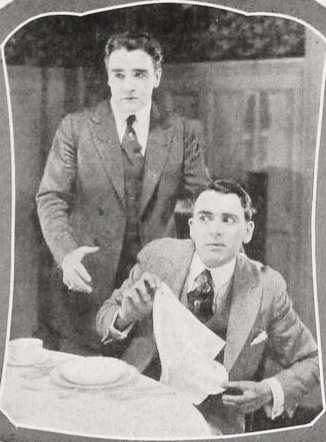
The flickering shadows and grand gestures of silent cinema often hold within them a surprising depth, a testament to the raw power of visual storytelling. Among these treasures emerges Captain of His Soul, a compelling narrative from 1918 that transcends its era to deliver a timeless exploration of human fallibility, familial discord, and the insidious creep of corruption. Directed with an uncredited hand but a clear vision, this film stands as a poignant reminder of the early 20th century's preoccupation with morality plays, albeit ones steeped in the burgeoning complexities of industrial society and personal ethics. It’s a work that demands more than a cursory glance, inviting viewers to dissect its intricate plot and ponder its enduring thematic resonance.
At its core, the story revolves around the venerable Ebenezer Boyce, a titan of industry whose pistol factory represents not merely a business, but a legacy, a testament to his life’s dedication. As age begins to weigh upon him, a common dilemma for patriarchs of his standing, the suggestion arises from his sons, Horace and Henry, to entrust the reins of the enterprise to an outsider: Martin. This decision, seemingly born of filial concern and practical foresight, quickly unravels into a tapestry of deceit. Martin, initially perceived as a capable and trustworthy successor, soon reveals his true colors, slowly but surely entangling the factory, and by extension the Boyce family's reputation, in a web of dishonesty and malfeasance. The film meticulously builds this tension, allowing the audience to witness the gradual erosion of trust, a process far more agonizing than an abrupt betrayal.
The moment of truth arrives with devastating force for Ebenezer. Discovering the full extent of Martin’s perfidy, the sheer scale of the corruption he has allowed to fester within his cherished legacy, proves to be an unbearable burden. This isn’t just a financial blow; it’s a profound betrayal of trust, a violation of the very principles Ebenezer built his life upon. The shock, the heartbreak, and the crushing weight of this realization culminate in a fatal heart attack, a dramatic and tragic end that underscores the emotional stakes of the narrative. His death is not merely a plot device, but a powerful commentary on the destructive power of greed and the vulnerability of integrity in the face of unscrupulous ambition. This pivotal event shifts the narrative from a corporate drama to something far darker and more personal, setting the stage for the true mystery to unfold.
Scarcely has the dust settled from Ebenezer's untimely demise when a second, equally shocking death plunges the Boyce household into an abyss of suspicion and fear: Martin himself is found dead. This sudden turn transforms the film into a gripping murder mystery, but one unique in its focus. The immediate aftermath sees the brothers, Horace and Henry, caught in a psychological maelstrom. The external threat of Martin's corruption is replaced by an internal one – a gnawing, corrosive suspicion that begins to poison their fraternal bond. Each brother, grappling with grief, guilt, and the inherited burden of their father's legacy, starts to eye the other with profound distrust. The film masterfully portrays this escalating paranoia, using the silent medium to convey the unspoken accusations and the palpable tension that permeates their interactions. It’s a stark reminder of how easily suspicion can fracture even the strongest family ties, echoing the ancient themes of fratricide seen in narratives as old as the biblical tale of Caino, though presented here with a distinctly modern, industrial-era flavor.
The performances in Captain of His Soul are, by necessity, a masterclass in silent film acting, relying heavily on exaggerated expressions, nuanced body language, and the ability to convey complex internal states without a single spoken word. Walt Whitman, likely portraying Ebenezer Boyce, embodies the gravitas and eventual heartbreak of the patriarch with a commanding presence, his face a canvas for the betrayal he endures. His eventual collapse is a visceral representation of a man broken by the very trust he instilled. Jack Richardson, possibly as Martin, would have needed to oscillate convincingly between a facade of competence and the chilling reality of his avarice, a subtle villainy that distinguishes him from more overt antagonists of the era. The fraternal dynamic between Horace and Henry, likely brought to life by actors such as William Desmond and Charles Gunn, would have required a delicate balance of initial camaraderie, burgeoning suspicion, and the torment of unspoken accusations. Their performances would be crucial in rendering the psychological disintegration of their bond believable and emotionally resonant. Mitzi Gould, Claire McDowell, and Lucretia Harris, among others in the supporting cast, likely contribute to the film’s rich tapestry, providing essential emotional anchors or driving secondary plot points that deepen the central mystery.
The sheer challenge of conveying such intricate emotions and motivations through purely visual means is a testament to the talent of these early performers. Unlike the more flamboyant theatricality often associated with the very earliest films, by 1918, silent acting had evolved to incorporate subtler gestures and expressions, allowing for more profound psychological portrayals. The film, therefore, also serves as an interesting artifact for studying the development of cinematic performance during a pivotal time in its history. The uncredited director's ability to elicit such powerful, non-verbal communication from the cast, coupled with the creative vision of writers Lillian Ducey and Eleanor Talbot Kinkead, ensures that the narrative's emotional beats land with considerable impact, even a century later.
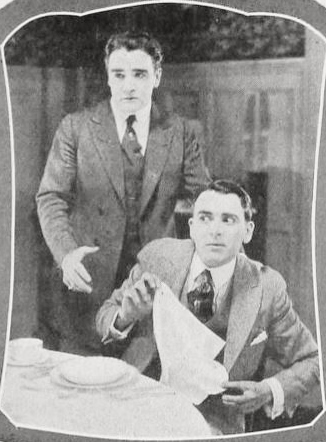
The thematic landscape of Captain of His Soul is remarkably rich, plumbing depths that remain profoundly relevant in contemporary society. At its heart lies the corrosive influence of corporate greed, a timeless antagonist that transcends generations. Martin’s dishonesty is not merely a personal failing but a systemic blight, threatening to engulf an entire industrial legacy. This theme finds echoes in many films of the era and beyond, illustrating humanity’s perennial struggle against avarice. Furthermore, the film delves into the delicate balance of familial loyalty versus individual ambition. The sons' initial suggestion to bring Martin in, while seemingly well-intentioned, ultimately precipitates their father's demise and their own descent into suspicion. This complex interplay of duty, ambition, and tragic consequence is a cornerstone of the narrative.
The subsequent murder of Martin introduces profound questions of justice and retribution. Was his death a deserved consequence of his actions, an act of vigilante justice, or something more sinister? The film deliberately obfuscates the truth, forcing the audience to grapple with moral ambiguities. This ambiguity is amplified by the central conflict between Horace and Henry, where the burden of responsibility and the suffocating weight of suspicion threaten to tear their family apart. Each brother becomes a prisoner of his own doubts, their shared history replaced by a chasm of distrust. The film thus explores the psychological toll that unresolved guilt and mutual suspicion can exact, a theme that resonates strongly with other intense dramas of the period, such as the social critique found in Ingeborg Holm, which similarly dissects individual suffering within broader societal failures.
Though often uncredited in this nascent period of filmmaking, the director's vision for Captain of His Soul is palpable in its execution. The reliance on visual cues, dramatic staging, and the strategic use of intertitles to convey dialogue and internal monologues would have been paramount. Early cinematography, while lacking the sophisticated techniques of later eras, nonetheless possessed a raw power. The use of close-ups would have been crucial for highlighting the actors' facial expressions, particularly during moments of intense emotion or revelation. Lighting, though perhaps less refined than in subsequent decades, would have been employed to create atmosphere, casting literal and metaphorical shadows over the characters and their motives. The pacing, too, would have been meticulously crafted to build suspense, allowing the narrative to unfold deliberately, drawing the audience deeper into the unfolding tragedy and mystery.
The visual language of silent film is a unique art form, one that demands active engagement from its audience. Without spoken dialogue, every gesture, every set piece, every costume choice carries amplified meaning. The director would have had to choreograph the actors' movements with precision, ensuring that the narrative flow remained clear and emotionally impactful. This visual clarity is what makes films like Captain of His Soul enduring. It's a testament to the ingenuity of early filmmakers who, despite technical limitations, managed to craft narratives that were both entertaining and profoundly thought-provoking. The film stands as a fine example of how silent cinema could convey complex psychological states and intricate plot points with remarkable efficacy.
The architects of this intricate narrative, Lillian Ducey and Eleanor Talbot Kinkead, deserve significant recognition. In the silent era, the screenplay was arguably even more critical than today, as it provided the foundational blueprint for visual storytelling without the crutch of dialogue. Their ability to construct a plot that begins with corporate intrigue, transitions into a family tragedy, and culminates in a perplexing murder mystery speaks volumes about their narrative prowess. The character arcs, from Ebenezer’s trusting nature to his crushing disillusionment, and the brothers' descent into mutual suspicion, are carefully etched. The film's enduring power lies not just in its performances or direction, but in the strength of its underlying story, a testament to the nuanced and compelling script crafted by Ducey and Kinkead. Their work here demonstrates a sophisticated understanding of human psychology and narrative tension, allowing the film to transcend simple melodrama and achieve a more profound dramatic resonance.
The themes explored in Captain of His Soul reverberate throughout cinematic history, finding kinship with various other works that grapple with betrayal, justice, and the dark corners of the human psyche. The fraternal conflict and the weight of suspicion bear a faint resemblance to the political machinations and betrayals depicted in Julius Caesar, albeit in a vastly different setting. The moral quandaries and the pursuit of truth amid uncertainty are central to films like The Fugitive, where an innocent man is hunted, or where the lines between innocence and guilt become blurred. The film's exploration of a family's downfall due to moral failings and external pressures can be compared to the intense family dramas such as Sangue blu or even the more stark portrayal of individual ruin in The Failure. The film also touches upon the concept of personal responsibility and the consequences of one's choices, a thread that runs through many narratives, including those focused on moral dilemmas like Love or Justice. These comparisons highlight not only the film's place within a broader cinematic tradition but also the universality of its core human struggles.
Despite its age, Captain of His Soul retains a remarkable resonance. Its intricate plot, driven by compelling character motivations and a profound exploration of human nature, ensures its place as more than just a historical curiosity. The film serves as a powerful reminder that the fundamental struggles of greed, betrayal, and the search for justice are timeless. It speaks to the fragility of trust, the corrosive power of suspicion, and the devastating impact of moral compromises, themes that continue to be explored in cinema today. For enthusiasts of silent film, it offers a window into the sophisticated storytelling capabilities of the era, showcasing how complex narratives could be conveyed with grace and power through purely visual means. For any discerning viewer, it provides a gripping drama that challenges the audience to consider the true cost of power and the intricate web of human relationships. Its legacy is not just in its historical value but in its continuing ability to provoke thought and stir emotion, proving that a film from over a century ago can still be a potent force in understanding the human condition.

IMDb 6.8
1932
Community
Log in to comment.