DbcultAccessing Vault...
4.4/10
Senior Film Conservator
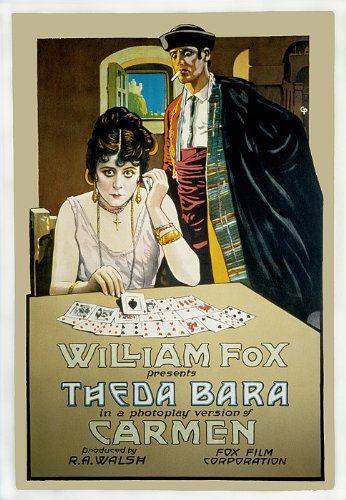
A definitive 4.4/10 rating for a film that redefined the boundaries of cult cinema. Carmen remains a cornerstone of transgressive art.
In the nascent years of cinematic storytelling, when the flickering images on screen communicated through gesture, expression, and the potent language of the human face, certain narratives emerged with an intensity that defied the medium’s inherent silence. Raoul Walsh’s 1915 adaptation of Prosper Mérimée’s *Carmen* stands as a paramount example, a visceral exploration of untamed desire and the catastrophic consequences of obsession. This particular rendition, often overshadowed by Cecil B. DeMille’s concurrent version, holds its own as a foundational piece of silent film artistry, largely due to the electrifying presence of Theda Bara, the original ‘vamp’, whose portrayal of the titular gypsy transcended mere acting, becoming an iconic embodiment of rebellious sensuality.
The film unfolds with a stark elegance, introducing us to Don José, a Spanish corporal whose life is characterized by discipline and an almost monastic adherence to duty. He is a man of order, his world neatly compartmentalized, his affections seemingly reserved for a quiet, virtuous woman. However, the meticulously constructed edifice of his existence is destined for cataclysmic collapse upon his encounter with Carmen. She is a force of nature, a whirlwind of untrammeled spirit, her every glance a challenge, her every movement a dance of defiance. Bara, with her famously exotic features and piercing gaze, doesn't merely play Carmen; she *becomes* her, infusing the character with a primal, almost predatory magnetism that is utterly captivating. Her Carmen is not merely flirtatious; she is an agent of chaos, an embodiment of freedom so absolute it borders on anarchic, and it is this very essence that ensnares Don José.
Theda Bara’s star power in 1915 was undeniable, and her casting as Carmen was a stroke of genius. Known for her ‘vamp’ persona – a seductive, often dangerous woman who lured men to their ruin – Bara was perfectly poised to bring Mérimée’s iconic character to life. Her performance is a masterclass in silent screen acting, conveying a vast spectrum of emotion without uttering a single word. Her eyes, heavily made up and intensely expressive, speak volumes. Her body language, a graceful yet defiant swagger, communicates Carmen’s unyielding independence. She doesn’t just walk; she glides with an almost insolent confidence, a stark contrast to the rigid postures of the soldiers around her. This visual poetry was crucial in an era devoid of spoken dialogue, and Bara leveraged every aspect of her physical presence to craft a memorable and utterly convincing portrayal of the gypsy who lives and dies on her own terms.
Bara's Carmen is not merely a temptress; she is a symbol of liberation, a woman who refuses to be owned or confined by societal expectations or male possessiveness. This radical independence, even in its destructive potential, resonates deeply. It's a portrayal that solidified her status as a cinematic icon, a woman who dared to challenge the prevailing norms of female representation on screen. In a landscape often dominated by demure heroines, Bara’s Carmen was a jolt of untamed energy, a fascinating exploration of female agency, however tragically it might conclude.
The tragic arc of Don José, portrayed by Joseph P. Green, is equally compelling, albeit from a vastly different emotional vantage point. His transformation from a disciplined soldier to a desperate outlaw is depicted with a raw, almost agonizing realism. Carmen’s initial arrest, triggered by a brawl, becomes the catalyst for his undoing. Her seductive plea for freedom, delivered with a captivating blend of vulnerability and manipulation, cracks the façade of his duty. His decision to aid her escape marks the first irrevocable step down a path paved with ruin. He abandons his post, his reputation, and ultimately, his very identity, all for the fleeting promise of Carmen’s affection.
The film meticulously chronicles José's psychological unraveling. His love for Carmen morphs into a suffocating obsession, a desperate need for absolute possession that Carmen, by her very nature, cannot, and will not, reciprocate. He becomes a prisoner of his own desire, driven by a possessive jealousy that blinds him to everything else. This descent into banditry and a life on the fringes of society is not just a change of circumstance but a profound internal corruption. The clean-cut soldier becomes a haggard, desperate figure, his once-clear moral compass spinning wildly. It's a powerful depiction of how unchecked passion can consume and ultimately destroy an individual, leaving a trail of broken vows and shattered lives in its wake.
Raoul Walsh, a director renowned for his robust storytelling, navigates the complexities of the *Carmen* narrative with a keen eye for visual drama. In an era where cinematic language was still being invented, Walsh masterfully employs composition, editing, and the expressive capabilities of his actors to convey the narrative’s emotional weight. The contrast between the rigid, ordered world of the military and the chaotic, passionate realm of the gypsies is visually striking. Scenes are often framed to emphasize the isolation of Don José as he drifts further from his former life, or the uncontainable energy of Carmen amidst her compatriots. The use of close-ups, particularly on Bara’s face, allows the audience to delve into the depths of Carmen’s defiant spirit and José’s escalating torment.
The pacing, while characteristic of silent films, builds a tangible sense of impending doom. Each choice José makes, each act of defiance from Carmen, pushes the narrative closer to its tragic denouement. Walsh understands that the power of the story lies not just in the plot points but in the unspoken tension, the psychological interplay between his protagonists. The absence of dialogue forces the viewer to engage more deeply with the visual cues, to interpret the subtle shifts in expression and gesture, making the experience intensely immersive. The film's aesthetic, while perhaps dated by modern standards, possesses a raw, visceral quality that speaks directly to the primitive power of the story.
The story of Carmen, originating from Prosper Mérimée’s novella and immortalized by Georges Bizet’s opera, possesses an archetypal power that transcends its specific Spanish setting. It is a narrative about the clash between freedom and possession, fate and free will, passion and societal constraint. Walsh’s film, arriving just as cinema was beginning to assert its narrative capabilities, tapped directly into this universal appeal. The character of Carmen herself, a woman who would rather die than surrender her liberty, has fascinated audiences for generations, embodying a powerful, albeit dangerous, vision of female autonomy.
The tale’s enduring resonance is evidenced by its countless adaptations across various media. Each iteration brings its own unique interpretation, yet the core themes remain powerfully intact. Walsh’s silent film, positioned at a crucial juncture in cinematic history, helped cement Carmen’s place as a recurring figure in the popular imagination. It demonstrated that even without sound, the raw, emotional core of this legendary narrative could be powerfully communicated, captivating audiences with its tragic beauty and its exploration of the darker facets of human connection. The film's success, alongside other contemporary adaptations, underscored the public's insatiable appetite for stories of grand passion and tragic romance.
At its heart, *Carmen* is a profound meditation on destiny and the relentless grip of fate. From the initial, seemingly innocuous encounter, a sense of inexorable doom hangs heavy over Don José and Carmen. Carmen, with her gypsy heritage, often speaks of fate and omens, and her refusal to compromise her freedom is ultimately her undoing, yet it is also her defining strength. José, on the other hand, struggles against a fate he himself helps to forge through his choices, his journey becoming a self-fulfilling prophecy of ruin. His desperate need to possess Carmen utterly clashes with her fierce, unyielding spirit of independence. She cannot be tamed, cannot be owned, and it is this fundamental incompatibility that drives the narrative toward its tragic conclusion.
The film masterfully explores the destructive nature of possessive love. José’s obsession is not a healthy, reciprocal affection but a consuming fire that demands absolute control. When Carmen inevitably turns her affections elsewhere, his jealousy spirals into a murderous rage. This portrayal resonates powerfully, highlighting the fine line between passionate devotion and dangerous possessiveness. Carmen's defiance, her willingness to face death rather than submit, is a stark counterpoint to José's desperate clinging. It's a narrative that continues to provoke thought about the nature of love, freedom, and the societal pressures that often constrain individual desires. The film, through its visual storytelling, conveys these complex themes with remarkable clarity, inviting viewers to ponder the profound implications of its characters' choices.
While many films of the era shied away from such morally ambiguous or tragic conclusions, *Carmen* embraced the stark reality of its source material. This unflinching portrayal of human frailty and destructive passion contributed to its lasting impact. The narrative doesn't offer easy answers or saccharine resolutions; instead, it presents a raw, uncompromising look at the consequences of unbridled desire and the tragic collision of two vastly different worldviews. The visual language of the silent film, in this context, becomes particularly potent, allowing the audience to project their own understanding onto the characters' internal struggles, making the themes even more universal and relatable.
Walsh’s *Carmen* stands as a testament to the sophistication of early cinema. It demonstrates how directors and actors, operating without the benefit of synchronized sound, developed a rich visual vocabulary to convey intricate narratives and complex emotions. The film’s focus on character psychology and dramatic tension showcases a maturity in storytelling that belies its early production date. It’s a valuable piece for understanding the evolution of film as an art form, illustrating how early filmmakers pushed the boundaries of what was possible with the nascent technology at their disposal.
In comparing it to other works of its time, one might consider films like Gypsy Love, which also explored themes of romance within the Romani community, though perhaps with less tragic intensity. However, *Carmen* distinguishes itself through its uncompromising portrayal of a destructive obsession, a narrative thread that aligns more closely with later, darker psychological dramas. While other films of 1915 might have focused on simpler moral tales or grand adventures, *Carmen* dared to delve into the morally ambiguous and the emotionally volatile, setting a precedent for more complex character studies in the years to come. Its influence can be seen in the development of the femme fatale archetype, a figure who would dominate film noir decades later, directly descended from Bara's powerful portrayal.
Over a century after its release, Raoul Walsh’s *Carmen* with Theda Bara remains a powerful and haunting cinematic experience. It is more than just a historical curiosity; it is a vibrant, emotionally charged film that speaks to timeless human dramas. Bara's performance as the fiery, untamable gypsy is an unforgettable tour de force, a foundational portrayal of the femme fatale that continues to resonate. The film serves as a potent reminder of the expressive power of silent cinema, demonstrating how skilled artists, armed with only light and shadow, could craft narratives of profound psychological depth and enduring emotional impact. It's a classic that demands to be revisited, offering a window into the artistic ambitions of early Hollywood and the timeless allure of a story about passion, freedom, and ruin.
The stark beauty of its visual storytelling, the raw intensity of its performances, and the universal themes it explores ensure that *Carmen* (1915) retains its place as a significant work in film history. It is a testament to the power of a story well told, regardless of the technological constraints, and a captivating piece of cinema that continues to enthrall those who appreciate the foundational artistry of the silent era. The final, tragic moments, rendered in stark silence, leave an indelible mark, a poignant reflection on the human condition and the often-fatal dance between desire and defiance.
IMDb —
1935
Community
Log in to comment.