DbcultAccessing Vault...
Cult Review
Senior Film Conservator
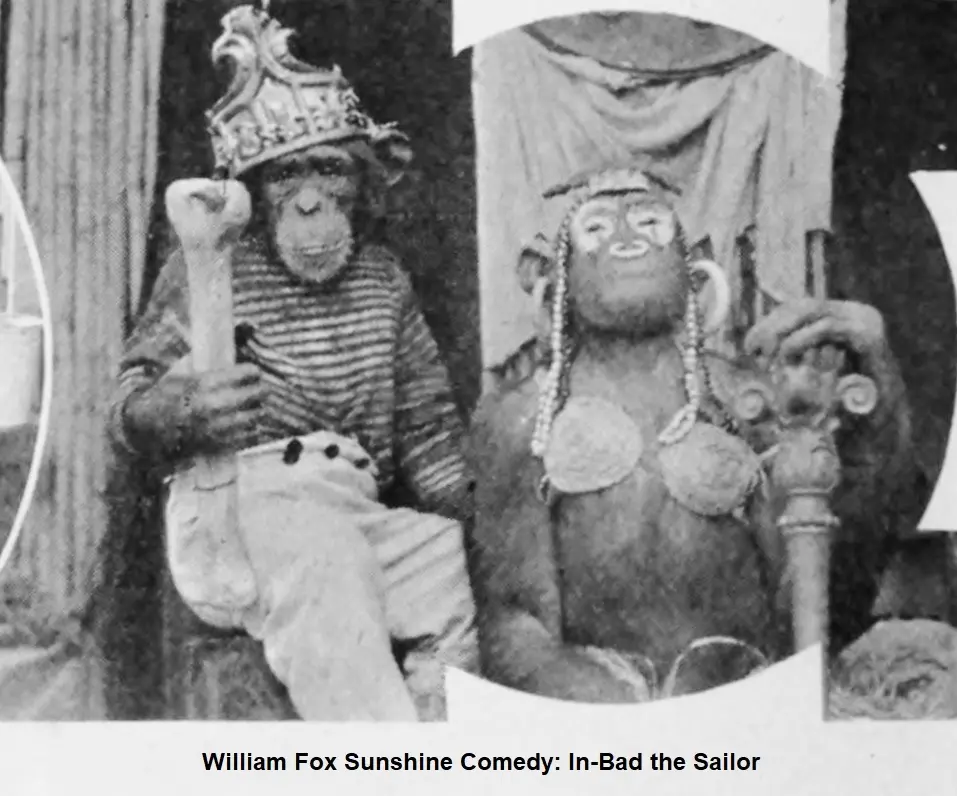
From the very first frame, 'In-Bad the Sailor' asserts itself not merely as a film, but as an experience—a tempestuous voyage across the vast, unpredictable oceans of human endeavor and moral ambiguity. Directed by an unnamed visionary and featuring a performance of profound gravitas by Benjamin Stoloff in the titular role, this maritime epic transcends its genre confines, offering a meditation on justice, fate, and the relentless pursuit of truth. It is a work that, even decades after its initial release, continues to beckon audiences into its intricate narrative currents, much like the siren's call to a weary mariner. The film, a magnificent tapestry woven with threads of adventure, betrayal, and a yearning for redemption, stands as a testament to the power of cinematic storytelling, cementing its place in the pantheon of indelible classics.
Benjamin Stoloff's portrayal of Elias 'In-Bad' Thorne is nothing short of mesmerizing. He imbues the character with a complex duality: a weathered cynicism born of countless betrayals and misfortunes, yet tempered by an unwavering, almost archaic sense of honor. Thorne is not your archetypal hero; he is a man constantly wrestling with the shadows of his past, a figure whose very nickname, 'In-Bad,' serves as both a public branding and a private torment. Stoloff's performance is a masterclass in nuanced characterization, communicating volumes with a mere glance or a subtle shift in posture. We witness his initial shock and simmering rage at the false accusation of stealing the 'Star of the Aegean,' an act that catalyzes his sprawling journey. His despair is palpable, his determination infectious, and his moments of vulnerability, particularly in his burgeoning relationship with Elara, are rendered with a delicate, understated grace. Stoloff avoids the pitfalls of melodramatic excess, instead opting for a portrayal that feels authentically human, flawed, and utterly compelling. This is a performance that resonates long after the credits roll, inviting viewers to ponder the true nature of integrity when faced with insurmountable odds.
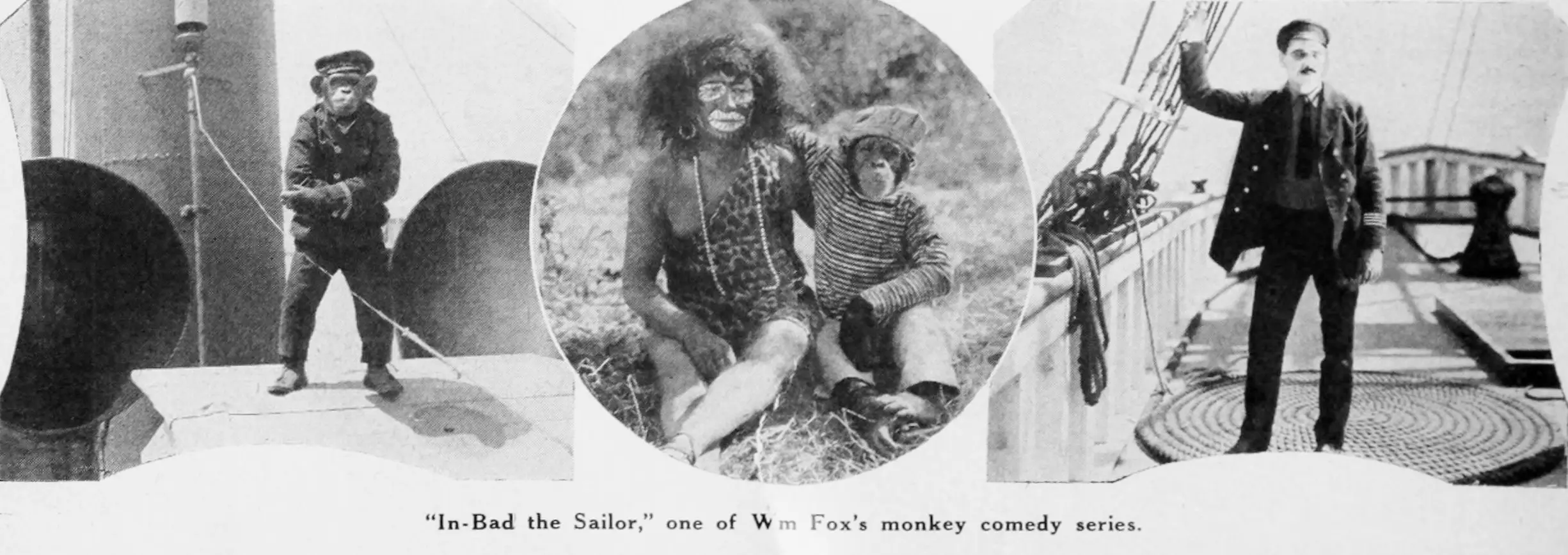
The narrative architecture of 'In-Bad the Sailor' is remarkably ambitious, sprawling across diverse geographical and emotional landscapes. The plot, initially driven by the injustice of Thorne's framing, quickly evolves into a multifaceted quest for vindication, treasure, and self-discovery. The antagonist, Captain Silas Blackwood, is not a simplistic villain but a reflection of Thorne's own potential dark path, a man consumed by envy and a twisted sense of entitlement. Their rivalry forms the pulsating heart of the external conflict, a relentless cat-and-mouse game played out across the treacherous waters of the Caribbean and beyond. The introduction of Elara, the fiercely independent cartographer, adds a crucial layer of romantic and intellectual intrigue. Her knowledge of ancient maps and forgotten sea lanes becomes indispensable to Thorne's quest, and their developing bond provides moments of poignant respite amidst the ceaseless peril. The film skillfully navigates these various narrative threads, ensuring that each contributes meaningfully to the overarching tapestry without ever feeling disjointed or forced. The pacing is deliberate, allowing moments of quiet introspection to breathe before plunging the audience back into exhilarating action sequences, a rhythm that mimics the ebb and flow of the very tides Thorne sails.
Visually, 'In-Bad the Sailor' is a triumph. The cinematography is breathtaking, capturing the raw power and sublime beauty of the open sea with an almost painterly precision. Every frame feels meticulously composed, from the sweeping vistas of wind-whipped sails against an angry sky to the intimate close-ups that reveal the subtle shifts in a character's emotional state. The use of natural light is particularly noteworthy, lending an authentic grittiness to the shipboard scenes and casting a golden, ethereal glow upon the exotic, sun-drenched ports. The production design is equally impressive, meticulously recreating the intricate details of 18th-century maritime life. The ships themselves are characters in their own right, weathered and scarred, imbued with a palpable sense of history. The bustling bazaars of Port Royal, the shadowy taverns, and the forgotten coves of the Serpent's Teeth archipelago are all rendered with an immersive realism that transports the viewer directly into this bygone era. Unlike the often sterile, CGI-heavy spectacles of contemporary cinema, 'In-Bad the Sailor' relies on practical effects and stunning location shooting, lending an unparalleled sense of authenticity and grandeur to its visual narrative. One cannot help but draw parallels to the epic scale and commitment to practical effects seen in films like Capitan Groog and Other Strange Creatures, though 'In-Bad' arguably pushes the boundaries of visual storytelling further through its more intimate focus on character within the grand scope.
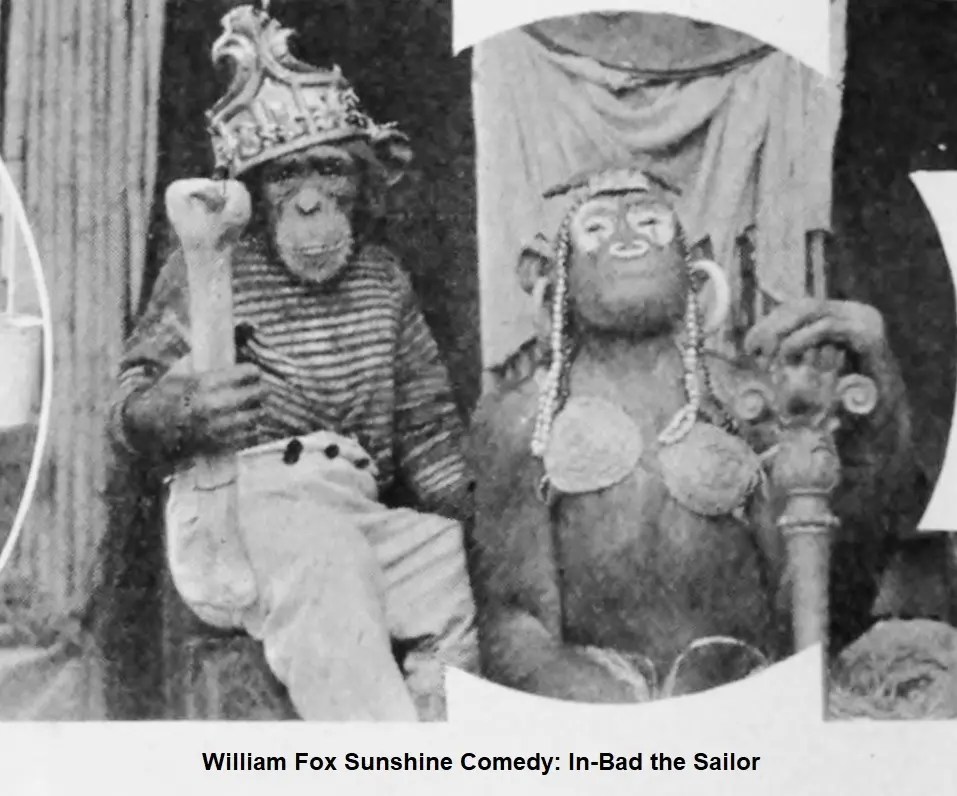
Beyond its thrilling adventure façade, 'In-Bad the Sailor' delves into profound thematic waters. At its core, it is a meditation on the nature of justice and the corrosive effects of false accusation. Thorne's journey is not merely about clearing his name, but about reclaiming his identity and his self-worth in a world quick to condemn. The film explores the thin line between law and morality, questioning whether true justice can ever be found within rigid societal structures, especially when corruption runs rampant. The theme of fate versus free will is also central. Is Thorne condemned to his 'in-bad' destiny, or does he possess the agency to forge a new path? The film offers no easy answers, instead presenting a nuanced exploration of human resilience and the enduring power of hope against overwhelming despair. The nuanced portrayal of supporting characters, each with their own moral compromises and desires, further enriches this thematic tapestry, preventing any simplistic black-and-white interpretations. This complex exploration of morality distinguishes it from more straightforward adventure tales, aligning it more closely with the psychological depth found in works like The Price of Her Soul, albeit in a dramatically different setting.
The auditory landscape of 'In-Bad the Sailor' is as meticulously crafted as its visual counterpart. The sound design is immersive, transporting the audience directly onto the creaking decks of sailing ships, amidst the crashing waves, and into the cacophony of bustling port towns. The roar of a tempest, the snap of sails in the wind, the distant cries of gulls – each element contributes to a rich, authentic sonic environment. The musical score, while perhaps not overtly memorable in its individual themes, serves its purpose with exceptional skill, enhancing the emotional resonance of each scene without ever overpowering the narrative. It swells during moments of high adventure, recedes into melancholic strains during periods of reflection, and builds tension with masterful precision. The score acts as an unseen character, guiding the audience's emotional journey and amplifying the film's grandeur. It's a testament to the film's holistic approach to filmmaking, where every element, from the grandest visual to the subtlest sound, is meticulously orchestrated to create a cohesive and powerful experience.
'In-Bad the Sailor' occupies a unique and revered position in cinematic history. It arrived at a time when grand adventures were prevalent but rarely imbued with such profound psychological depth and visual artistry. The film's influence can be seen in countless subsequent seafaring tales, yet none have quite managed to replicate its particular blend of rugged realism and poetic lyricism. Benjamin Stoloff's performance as Thorne remains a benchmark for anti-heroic portrayals, showcasing a vulnerability and strength that few actors achieve. The film's commitment to practical effects and authentic world-building set a standard that many contemporary productions still struggle to meet. Its exploration of complex moral quandaries, wrapped within an exhilarating adventure, ensures its continued relevance, prompting new generations of viewers to grapple with its timeless themes. While films like The Tiger or Havsgamar offered their own compelling narratives of survival and human spirit, 'In-Bad the Sailor' distinguishes itself through its sheer scope and its unwavering focus on the internal journey of its protagonist. It is not merely a story of a man at sea; it is a story of humanity navigating the turbulent waters of existence itself. The final scenes, with their ambiguous resolution, leave a lingering impression, forcing viewers to ponder the true cost of freedom and the elusive nature of a clean slate. It's a film that doesn't just entertain; it provokes, it inspires, and it endures, a true masterpiece etched into the very fabric of cinema.
IMDb 2.4
1928
Community
Log in to comment.