DbcultAccessing Vault...
7.1/10
Senior Film Conservator
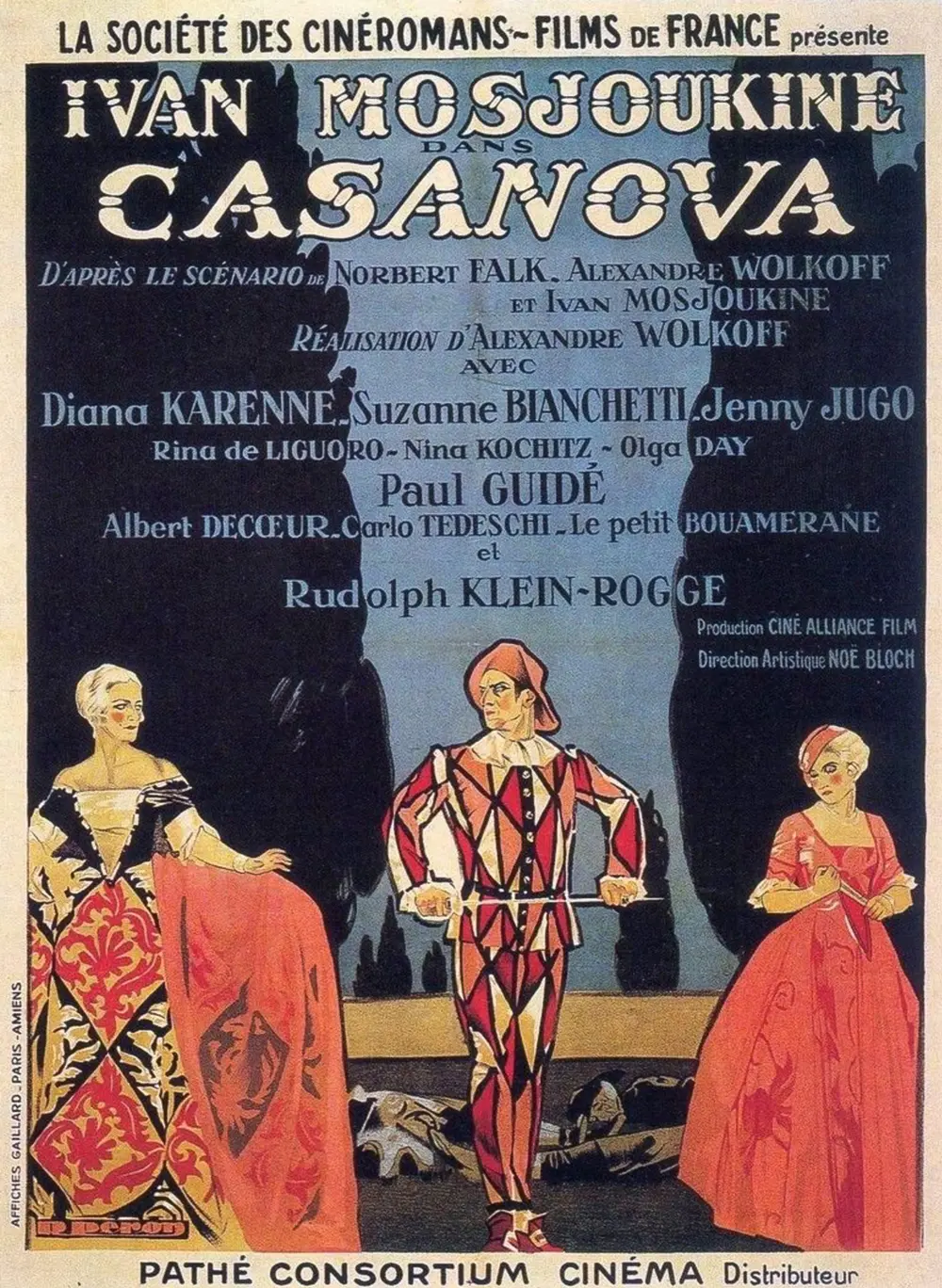
A definitive 7.1/10 rating for a film that redefined the boundaries of cult cinema. Casanova remains a cornerstone of transgressive art.
Is Casanova (1927) a film worth seeking out today? Short answer: absolutely, but with significant caveats. This silent era epic is an essential, if demanding, watch for silent film scholars, cinephiles interested in early cinematic meta-narratives, and those fascinated by the performative power of Ivan Mozzhukhin. It is decidedly not for casual viewers expecting a straightforward historical drama or those with little patience for the unique rhythms and visual language of 1920s European cinema.
We are talking about a film that dares to be both a period piece and a meditation on artistry itself, a feat rarely attempted with such ambition in its time. It’s a grand spectacle, undeniably. But it’s flawed. This duality is what makes it so compelling for the right audience, a true artifact of a bygone era still whispering its complex intentions across the decades.
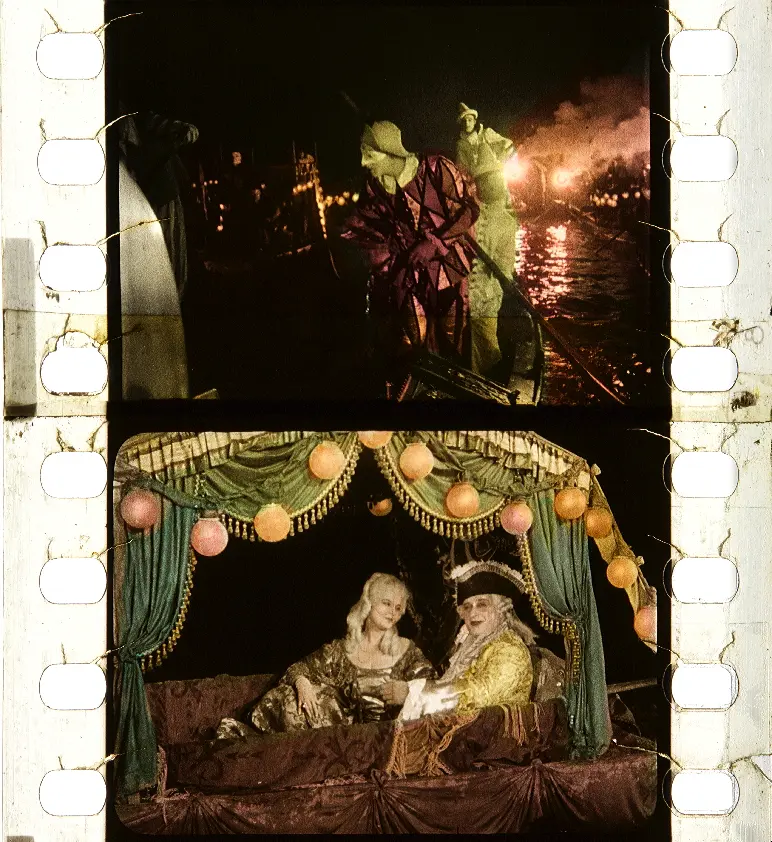
“Casanova” (1927) is a film that refuses to be constrained by simple biographical conventions. Instead, it offers a fascinatingly complex narrative structure: the legendary exploits of Giacomo Casanova are presented not as historical fact, but as the creative output of a former Moscow Opera baritone. This artist, whose magnificent voice was silenced by a vocal accident, finds a new expressive outlet in the burgeoning medium of cinema, channeling his own dramatic sensibilities and perhaps, his own unfulfilled desires, into the life of the infamous seducer.
This meta-narrative approach is the film’s most striking feature, a bold move for 1927. It suggests that history itself is a performance, an interpretation shaped by the subjective lens of its storyteller. We see Casanova not just through the eyes of history, but through the melancholic, flamboyant, and deeply personal perspective of an artist grappling with loss and transformation. The film subtly explores how the baritone, having lost his primary instrument, redefines his identity through the creation of another's. This is an unconventional choice, elevating the film beyond mere period spectacle to something more akin to an artistic statement.
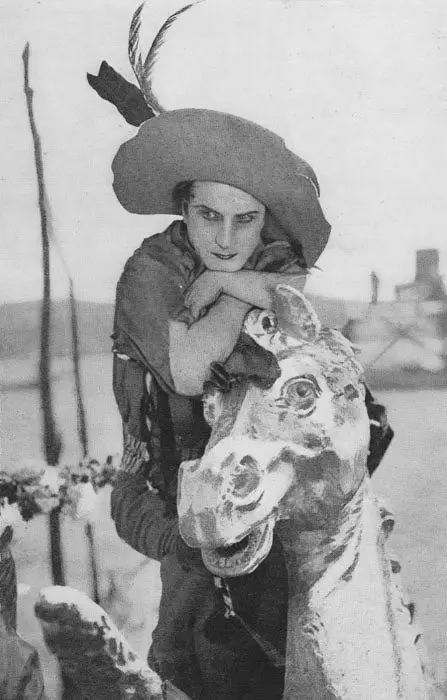
The film’s early sequences, establishing the baritone's tragic accident and his subsequent journey from Moscow to the cinematic hubs of Germany and France, are crucial. They lay the groundwork for understanding the emotional filter through which Casanova's adventures will be portrayed. It’s not just about seduction; it’s about the very act of storytelling, the art of reinvention, and the echo of a performer’s soul in every frame. This premise, while intellectually stimulating, also demands a certain level of engagement from the viewer, as the lines between the baritone's reality and Casanova's fictionalized life frequently blur, creating a deliberate ambiguity that some may find frustrating.
At the heart of “Casanova” beats the extraordinary presence of Ivan Mozzhukhin, who embodies the titular role with a magnetic intensity that few silent film actors could rival. Mozzhukhin doesn't just play Casanova; he inhabits him with a chameleonic grace, shifting from charming rogue to philosophical observer, from passionate lover to melancholic wanderer, often within the span of a single scene. His performance is a masterclass in silent acting, relying heavily on expressive eyes, subtle facial movements, and a grand, yet controlled, physicality.
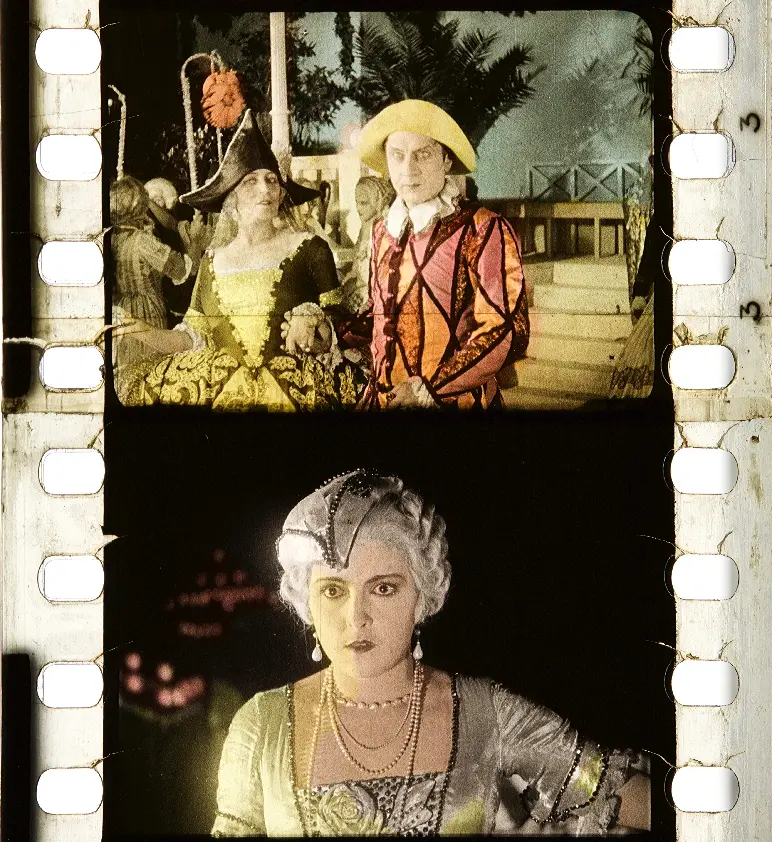
Consider the scene where Casanova, in a lavish Venetian salon, attempts to charm a skeptical countess. Mozzhukhin’s gaze is a calculated blend of admiration and predatory intent, his gestures sweeping and theatrical, yet underpinned by a knowing vulnerability. This overt theatricality is, I would argue, a deliberate choice, reflecting the baritone's own background in opera. It's as if Casanova himself is performing a role, a living extension of the baritone’s dramatic training and stage presence. This layering adds a fascinating dimension to the character, making Casanova less a historical figure and more a grand theatrical creation.
Mozzhukhin's ability to convey complex emotions without dialogue is truly remarkable. His Casanova is not merely a caricature of a libertine; he carries a palpable sense of ennui, a weariness that hints at the emptiness beneath the endless conquests. In moments of quiet reflection, perhaps gazing out over a moonlit canal, his eyes betray a profound loneliness, a shadow that suggests the baritone's own artistic solitude. This nuanced portrayal elevates the film, providing an anchor of emotional depth amidst the opulent spectacle. His performance stands as a testament to the power of silent cinema to convey the most intricate human experiences, even when filtered through a secondary artistic lens. It’s a performance that holds its own against contemporaries in films like The Vortex, showcasing a different but equally compelling style of dramatic intensity.
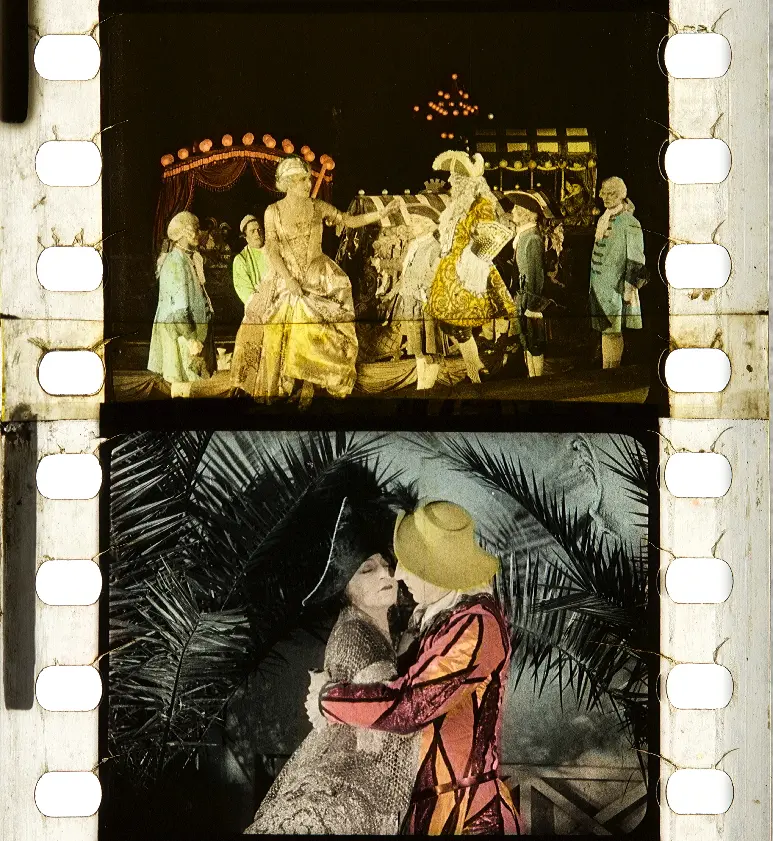
Alexandre Volkoff's direction of "Casanova" is a testament to the ambitious visual storytelling capabilities of early European cinema. Volkoff orchestrates a sprawling canvas, moving with ease from the gilded ballrooms of 18th-century Venice to the intimate chambers of clandestine affairs. His vision is one of opulent spectacle, where every costume, every set piece, contributes to a rich, immersive historical tapestry. The cinematography, often attributed to Léonce-Henri Burel and others, is frequently breathtaking, utilizing deep focus to capture the grandeur of crowded scenes while simultaneously isolating the emotional core of Casanova's interactions.
Volkoff's use of light and shadow is particularly noteworthy. He masterfully employs chiaroscuro effects to emphasize the clandestine nature of Casanova's escapades, bathing secret meetings in stark contrasts that heighten the dramatic tension. Consider the scene where Casanova escapes through the rooftops of Venice; the interplay of moonlight and deep shadow creates a palpable sense of danger and adventure, a visual metaphor for the elusive nature of the protagonist himself. This visual flair is not merely decorative; it actively contributes to the film’s narrative and emotional landscape, reflecting the dramatic sensibility of the baritone-turned-filmmaker.
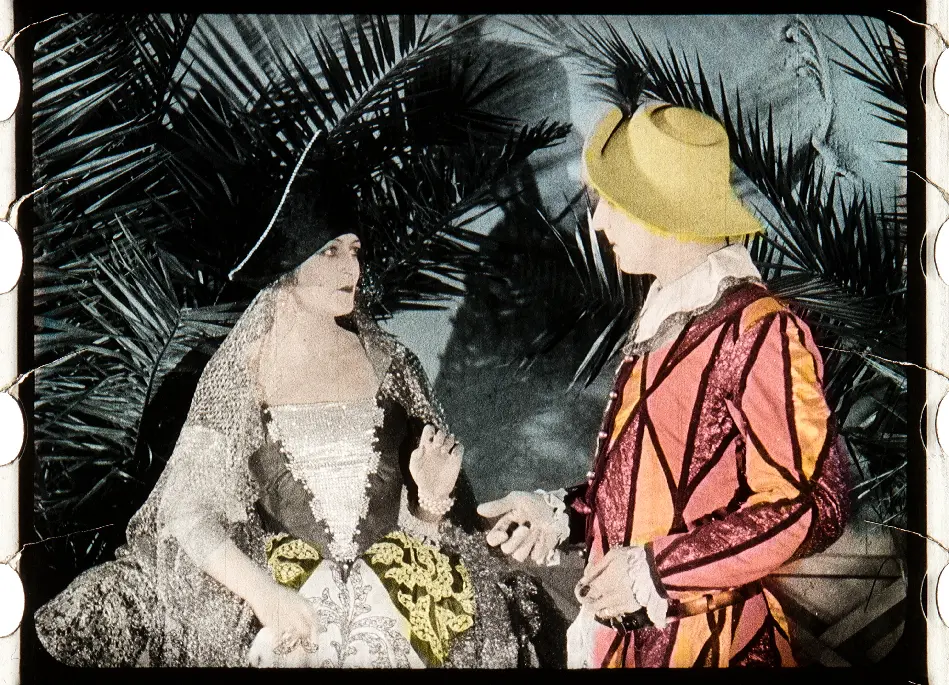
While the film's visual ambition is clear, there are moments where Volkoff's direction feels slightly indulgent. Certain sequences, particularly those depicting Casanova's philosophical musings or extended periods of travel, could have benefited from tighter editing. However, these instances are often offset by innovative montage sequences that effectively convey the passage of time and the accumulation of Casanova's many conquests, perhaps mirroring the baritone's own attempts to synthesize a lifetime of experiences into rapid, impactful cuts. It’s a bold, if occasionally sprawling, directorial effort that aims for both historical scope and artistic introspection, echoing the narrative complexities found in other grand productions of the era like The Covered Wagon, albeit with a distinctly European sensibility.
The pacing of "Casanova" is a fascinating study in silent film rhythms, a deliberate dance between lavish spectacle and moments of quiet, almost languid, introspection. For modern audiences accustomed to faster cuts and more frenetic storytelling, the film can feel undeniably slow in stretches. This is not necessarily a flaw, but rather a characteristic of its era and perhaps, a conscious choice by Volkoff and Mozzhukhin to allow scenes to breathe, to let the weight of Casanova's experiences and the baritone's artistic contemplation settle.
The tone is a rich tapestry of decadence, romance, and a pervasive undercurrent of melancholy. The opulent sets and costumes scream of excess, portraying an 18th-century world ripe for seduction. Yet, beneath the surface glamour, there's a profound sense of self-awareness, a subtle commentary on the fleeting nature of pleasure and the ultimate solitude of a life defined by conquest. This melancholic tone is most evident in Mozzhukhin's portrayal, his expressions often shifting from jovial charm to a deep-seated weariness, hinting at the baritone’s own artistic struggles.
One could argue that the film’s pacing directly serves its meta-narrative. The slower, more deliberate scenes, particularly those focusing on Casanova's philosophical dialogues or his solitary moments, might represent the baritone's own careful, almost painstaking, construction of the narrative. The rapid-fire sequences of seduction and escape, conversely, could be interpreted as the baritone's more theatrical, almost operatic, interpretation of Casanova's legendary exploits. This duality in pacing reinforces the idea that we are watching a film *about* a film being made, rather than a straightforward historical account. It’s a challenging rhythm, certainly, but one that rewards patience by building a unique atmosphere of intellectual and emotional resonance, a far cry from the more direct narratives of films like Poor Innocent.
"The film’s true subject isn't Casanova, but the melancholic nature of an artist adapting to loss and change. The baritone's accident isn't just a plot device; it's a profound metaphor for the death of one art form giving birth to another."
Yes, "Casanova (1927)" is absolutely worth watching today for those with an appreciation for silent cinema. It is a visually ambitious and intellectually stimulating film. Ivan Mozzhukhin delivers a captivating performance. The meta-narrative structure is ahead of its time. It offers a unique glimpse into the artistic sensibilities of the 1920s. This film is a significant piece of cinematic history.
“Casanova” (1927) is a film that demands to be seen by those with a genuine interest in the evolution of cinema and the profound capabilities of silent storytelling. It is not an easy watch, nor is it a conventionally entertaining one, but its intellectual ambition and visual grandeur are undeniable. Ivan Mozzhukhin's performance alone is reason enough to seek it out, offering a masterclass in silent screen presence that transcends mere period costume drama. While its meta-narrative, a daring choice for its time, occasionally creates moments of narrative opacity, it ultimately serves to elevate the film into something far more profound than a simple biopic.
This film is a fascinating dialogue between art forms, a meditation on identity, and a testament to the enduring power of human creativity in the face of adversity. It is a challenging but ultimately rewarding experience, a silent epic that continues to provoke thought and inspire discussion almost a century after its release. For the dedicated cinephile, "Casanova" is an essential, if imperfect, piece of cinematic history that resonates with a unique, self-reflexive brilliance, standing apart from many of its contemporaries like Destroying Angel or Scars of Jealousy in its intellectual scope.
IMDb —
1917
Community
Log in to comment.