DbcultAccessing Vault...
5.5/10
Senior Film Conservator
A definitive 5.5/10 rating for a film that redefined the boundaries of cult cinema. Caste remains a cornerstone of transgressive art.
Alright, 'Caste' from 1930. Is it a must-see today? Honestly, unless you’re really into diving deep into old British cinema, probably not. 🤷♀️ But if you’ve got a soft spot for early talkies and social commentary that hits you over the head, then yeah, you might find something here. If you just want a quick, easy watch with modern sensibilities, you’ll probably be climbing the walls.
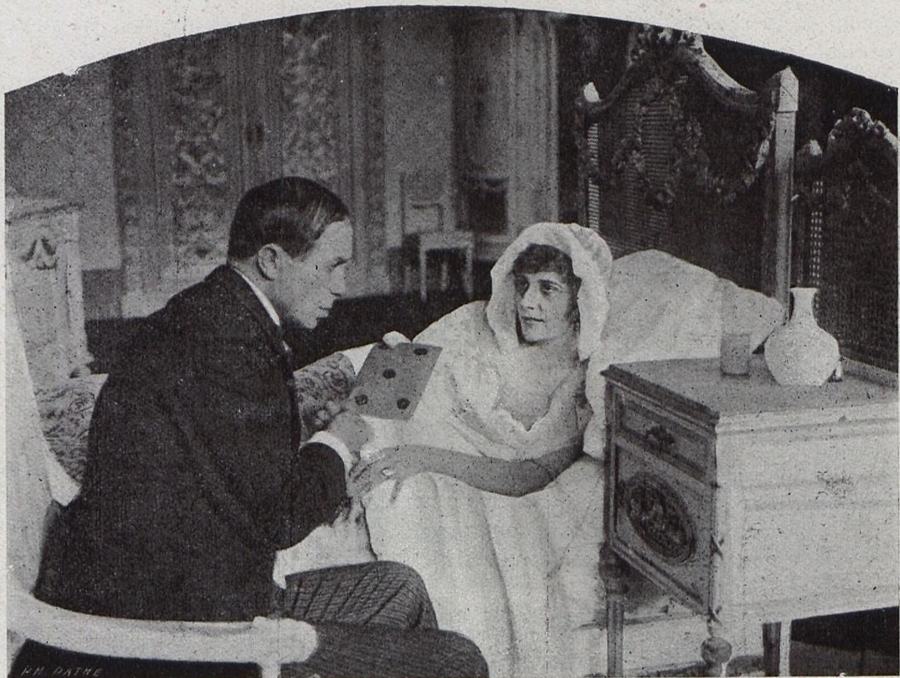
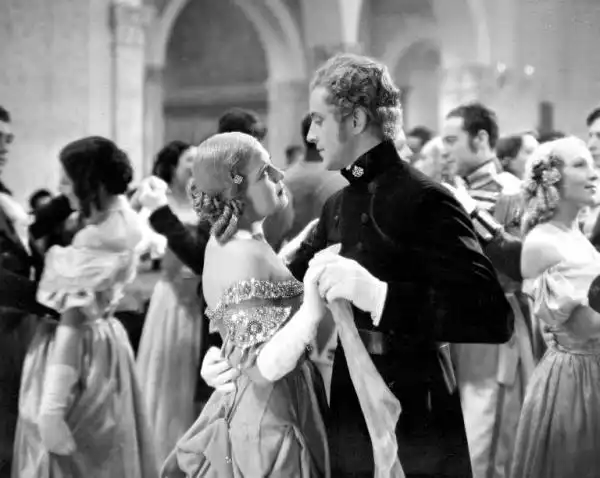
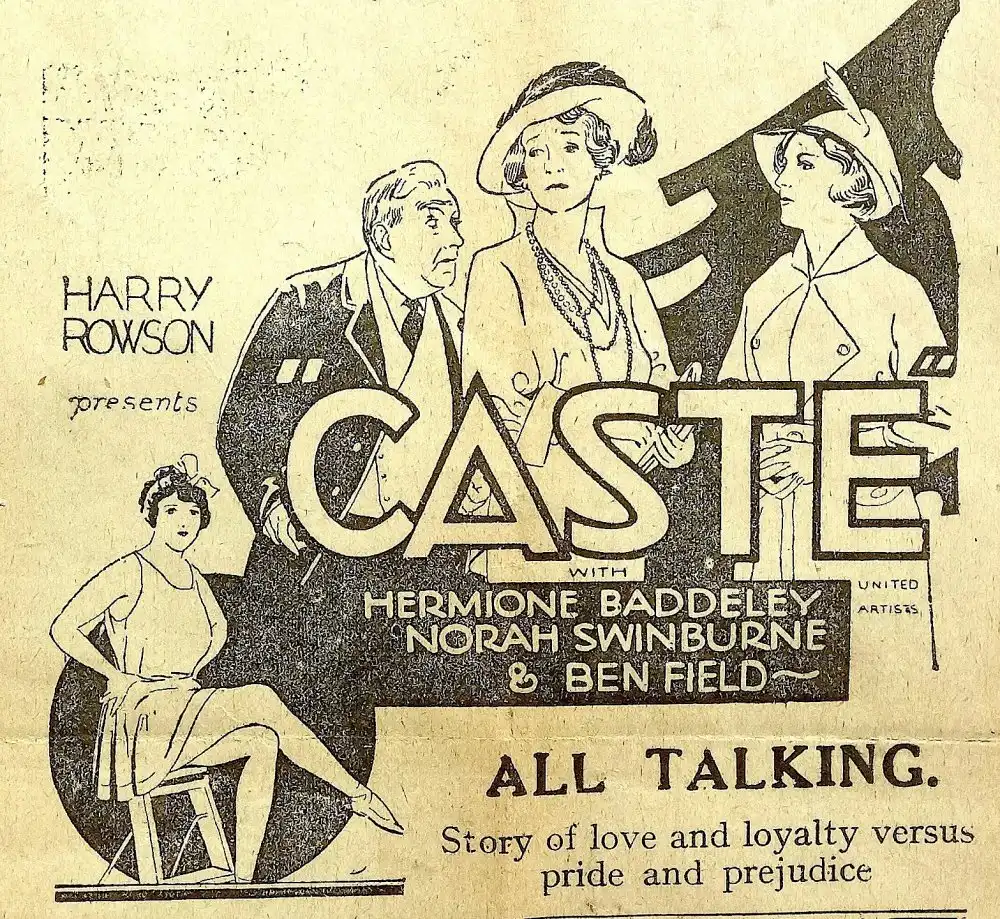
This movie throws you right into the deep end of social classes. You meet Esther, played by Nora Swinburne, who's the daughter of a real Cockney character. Her dad, played by Ben Field, is just… a lot. He’s loud, he drinks, and he makes it clear where she comes from. Then she marries George (Sebastian Shaw), this perfectly nice aristocrat. It’s a love story that almost immediately gets messy.
George goes off to war, WWI, naturally. He's presumed dead. This means Esther has to go live with his family. And oh boy, do they let her know she doesn't belong. The whole setup feels like a stage play. Which, you know, it probably was, adapted from a T.W. Robertson play.
The in-laws are the real show here. George’s mother, the Marquise (Mabel Terry-Lewis), is just so perfectly _cold_. Every look she gives Esther could freeze water. 🥶 Her disdain isn't subtle. It’s all over her face, every stiff posture.
Then there’s Captain Hawtree (Alan Napier, yes, *that* Alan Napier, though much younger here!), who’s George’s friend. He’s also an aristocrat, and he tries to be nice, but you can feel the awkwardness. He’s trying to bridge the gap, but it’s just too wide.
The house itself feels like another character. All those heavy curtains and dark wood. It’s supposed to be grand, but it feels more like a prison for Esther. The silence in those rooms after her Cockney dad’s boisterous scenes is *palpable*.
The pacing is… well, it’s 1930. Things move at a leisurely stroll. You get long shots of people just standing there, thinking. Or maybe just waiting for their next line. There's a particular scene where Esther is just looking out a window, and it goes on for a beat too long. You start to notice the dust motes in the light.
Nora Swinburne does a pretty good job trying to hold her own. Her character has this quiet strength, even when she’s clearly miserable. You want to root for her, even if the film makes it hard sometimes.
And when George eventually shows up, not dead after all, the reaction is… a bit muted. You’d think there’d be more chaos, more joy, more *something*. But it’s all very proper, very British. Even the big emotional moments stay quite restrained. It’s like everyone is still worried about spilling their tea. ☕
Michael Powell, one of the writers, is a name that really stands out here. It’s wild to see his name attached to something so early and so different from his later, grander works. You don’t really see a lot of his signature style yet. It's more of a historical footnote than a glimpse of his genius.
The message about class is pretty clear: it's a huge wall. The movie doesn't really try to break it down as much as show how impossible it is to climb. Esther’s situation is just a constant reminder of how society can keep people in their 'place.'
So, is it good? It’s… _interesting_. As a time capsule, it’s fascinating. As entertainment, it requires a lot of patience. If you're a film student, or someone who loves digging into the origins of sound film and social dramas, give it a shot. Everyone else? Maybe grab a more modern melodrama. 😉
IMDb 7.1
1918
Community
Log in to comment.