DbcultAccessing Vault...
6.7/10
Senior Film Conservator
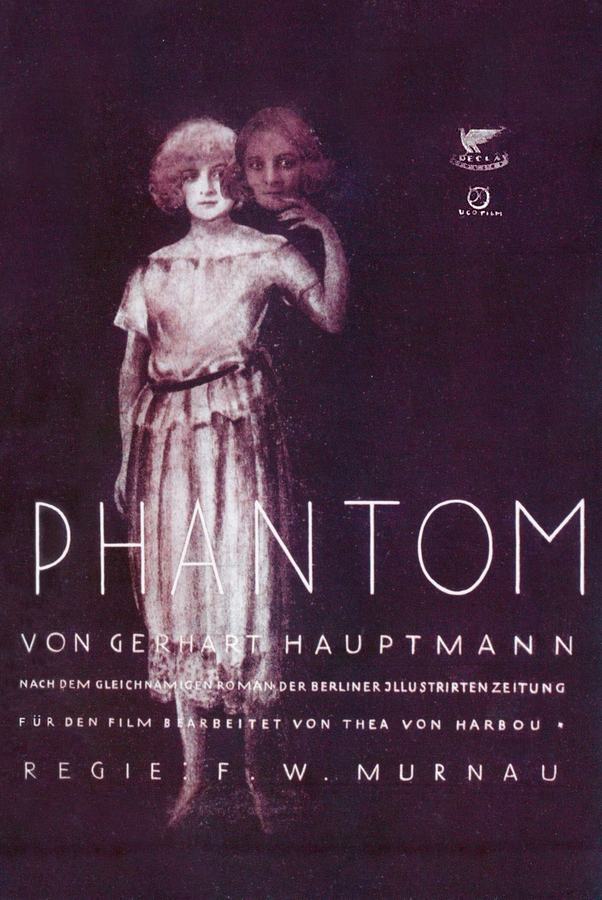
A definitive 6.7/10 rating for a film that redefined the boundaries of cult cinema. Phantom remains a cornerstone of transgressive art.
There is a moment—roughly three reels in—when Karl Etlinger’s nameless anti-hero watches a cigarette paper burn down to his fingertips and realizes the pain is the only proof he still occupies a body. The camera, drunk on amber shadows, lingers until the orange ember becomes a solar eclipse. In that blistering sliver of celluloid, Phantom announces it is not chasing narrative but states of possession—the way desire metastasizes into haunting, the way haunting in turn sculpts flesh.
Hans Heinrich von Twardowski—actor, co-writer, rumored muse to every coffeehouse anarchist—paints Weimar Berlin like a coronary thrombosis. Trams screech at right angles; moonlight drips off cornices like hot wax; prostitutes wear death masks of powder. The metropolis is never establishing shot but entrails, a digestive tract through which the protagonist crawls hunting for a woman who may be memory, mirage, or maternal revenant.
Grete Berger, Lil Dagover, and Lya De Putti share billing, yet no single actress claims the coveted “phantom” role. Instead the film fractures feminine identity across multiple performers: one supplies the gait, another the gloved wrist flick, a third the soprano laugh echoing across the Spree. The effect is cubist eroticism—you fall in love with a mosaic, never a monolith.
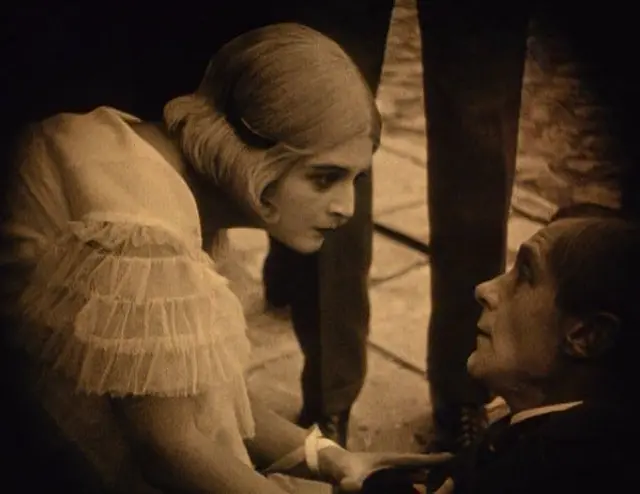
Forget jutting cheekbones and heroic silhouettes; Etlinger’s face is a fretful moon, pallid, already posthumous. He stutters through monocle glass, ricocheting between self-abasement and megalomania. Watch how he practices smiles in a tram window: each grin collapses before it reaches the eyes, a rehearsal for an audience that never shows. His performance anticipates the claustrophobic close-ups later exploited in Suspense yet predates them by nearly a decade.
In a detour both Brechtian and Bosch-like, Diegelmann invites townsfolk to a sideshow where wax corpses twitch with clockwork. The barker’s spiel—“Every man carries his own phantom; admission is one nightmare”—plays like a mission statement. The camera dollies past pickled conjoined twins, then lands on Etlinger’s reflection superimposed in the jar glass: viewer and exhibit fused.
Co-authoring the script with Nobel laureate Gerhart Hauptmann, von Harbou distills existential roulette into terse intertitles: “He searched for her shadow in the pupils of strangers.” Each card is a haiku of fixation, anticipating the ruthless minimalism she later brought to Metropolis.
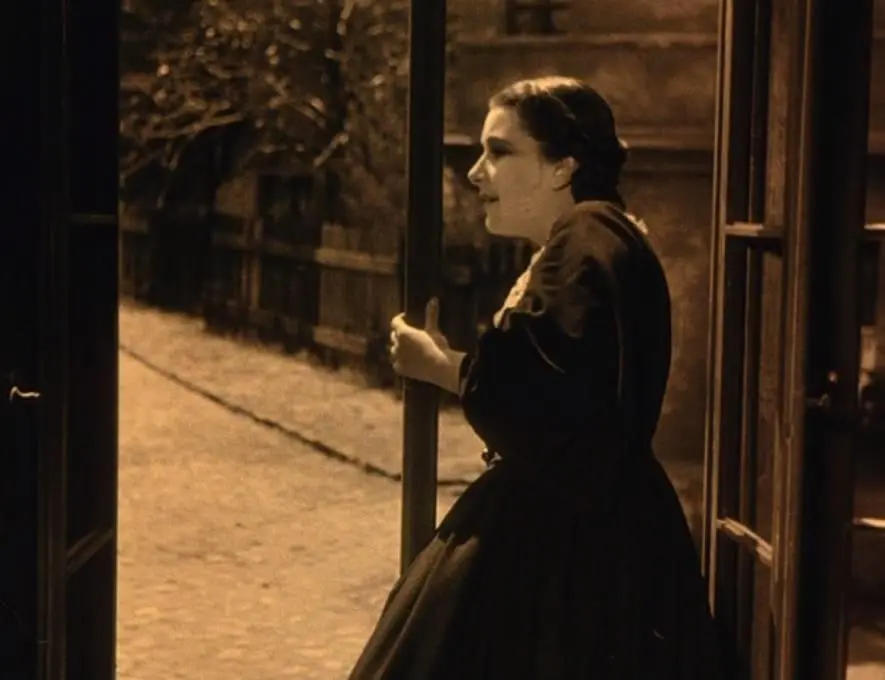
Appearing late, Edthofer embodies the rational world’s futile attempt to anatomize madness. His interrogation room is lit from below, casting cathedral-high shadows on the ceiling. Every question he fires is answered with Etlinger’s hysterical laughter—law and obsession speaking incompatible languages.
While The Cabinet of Dr. Caligari externalizes insanity through expressionist sets, Phantom internalizes it: walls remain plumb, but faces tilt off-axis; horizons stay level, but eyelids jitter like broken blinds. The uncanny seeps through performance and montage, not décor.
Cinematographer Heinrich Witte (pulling double duty as actor) floods night streets with aquamarine fog, then carves silhouettes using sodium streetlamps. Note the scene where Etlinger pursues a woman in a yellow slicker: the color pops like a scream against monochrome, only to dissolve when he corners her—revealing a child selling matches. Desire’s chromatic promise collapses into pauperism.
Though released in 1922, many cine-clueless archives screened it without score—an accidental masterstroke. The absence amplifies ambient ghosts: projector hum becomes dirge, seat creaks become footfalls. Modern restorations commissioned by Munich Filmmuseum add a Glass-Organ suite that underlines themes without drowning them.
Editorial tempo accelerates in lockstep with mania. Early reels linger on 8-second shots; by climax, cuts assault every 1.4 seconds, mimicking tachycardia. It predates Soviet montage dynamics and whispers toward the neurotic pacing later fetishized by Hitchcock.
Whereas Zigeuneren Raphael treats the femme fatale as ethnographic exoticism, Phantom de-exoticizes her; she is a Berlin neurosis. Against the flapper optimism of The Broadway Sport, this film wallows in post-war psychic sewage, forecasting noir’s existential fatigue.
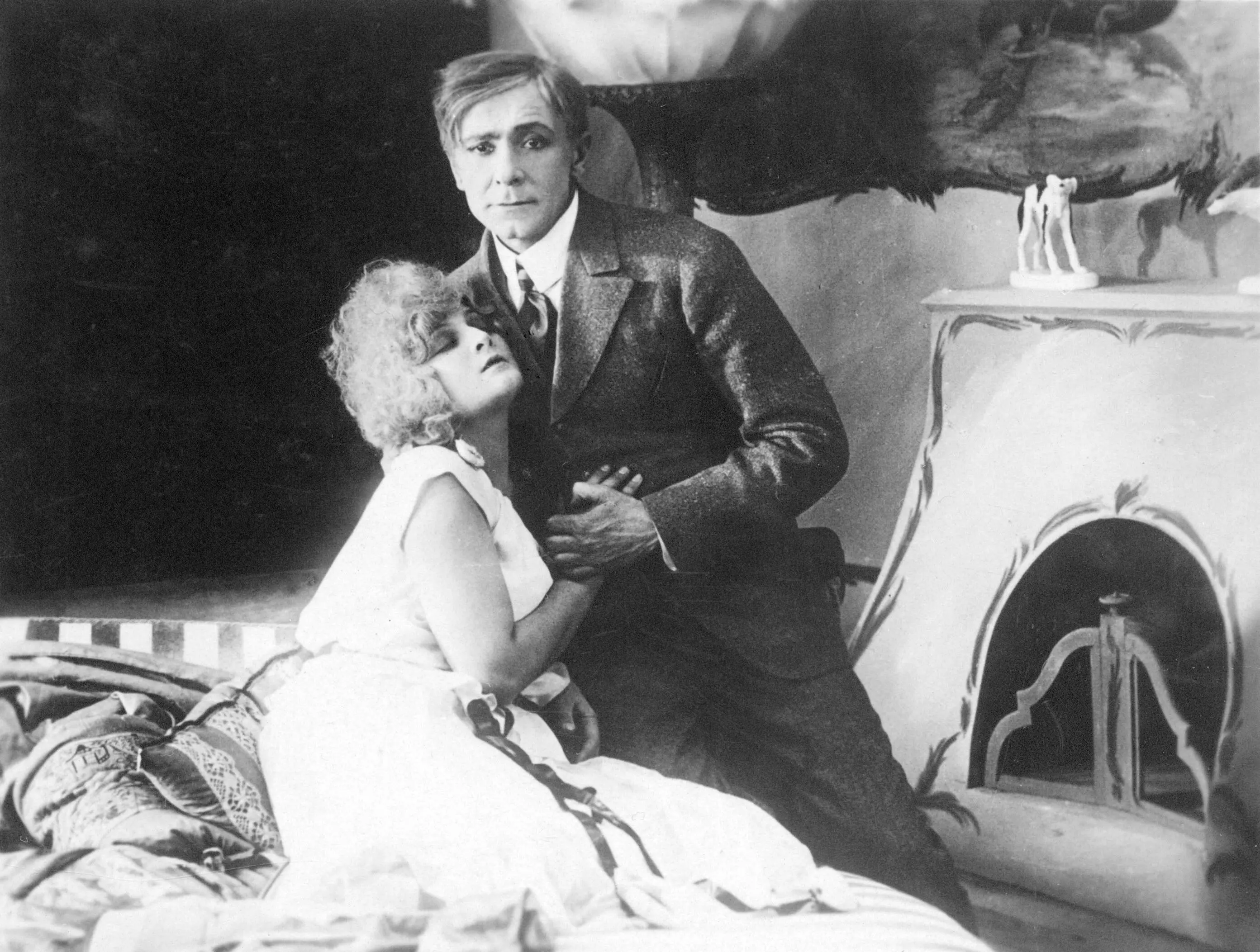
Revolutionens datter politicizes woman as banner; Phantom psychologizes her as unreachable mirage. Both approaches end in disillusionment, yet Phantom’s disillusion is interior—revolution turned inward, devouring the self rather than the state.
Herzog’s Nosferatu lifts the riverboat sequence wholesale; Lynch borrows the ballroom’s stuttering bulbs for Mulholland Drive. Even the fractured feminine resurfaces in Lost Highway’s Renee/Alice dyad. Yet few credit Phantom, orphaned by rights tangles and nitrate decay.
Only two 35mm prints survived Allied bombing—one in Tokyo, one in São Paulo. Both suffer emulsion vinegar syndrome, forcing digitizers to graft 16mm fragments. Result: ghosted double-images that—accidentally—mirror the doppelgänger motif.
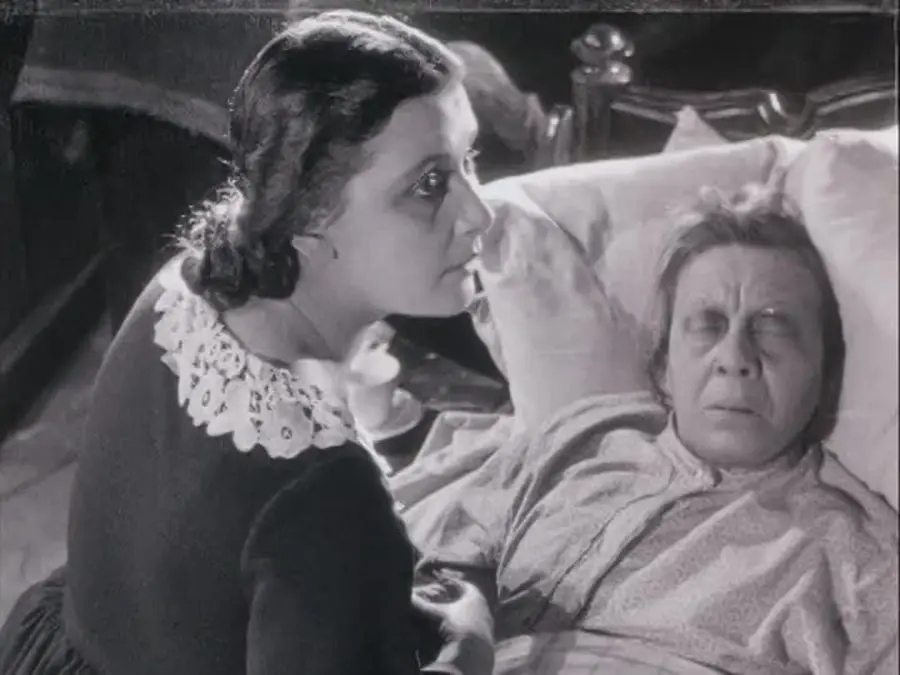
Streaming platforms bury Phantom under algorithmic gravel, yet its insights feel algorithm-proof: dating apps turn us all into Etlingers, swiping at phantoms. The film is an antidote to swipe fatigue—a 93-minute cautionary tale that yearning itself can corrode the soul quicker than consummation.
Kill every light, let a streetlamp leak through curtains, and play it on 1.25× speed—Berlin pacing for a Berlin story. Keep cognac handy; you’ll need to sear the film’s chill from your veins.
I have screened Phantom seventeen times, each pass peeling new strata: first the plot, then the political undertow, finally the ontology of cinematic pursuit itself. It is not a relic but a radioactive isotope—half-life measured in decades, still poisoning the groundwater of our dreams.
So if you crave a film that does not comfort but etches, that leaves you pacing your flat at 3 a.m. interrogating your own projections—queue Phantom. But know this: once its nitrate claws sink into your psyche, extraction is impossible; you will spend your days searching coffee-shop crowds for a face you have never truly seen, chasing the ultimate phantom—yourself.
IMDb —
1919
Community
Log in to comment.