DbcultAccessing Vault...
6.5/10
Senior Film Conservator
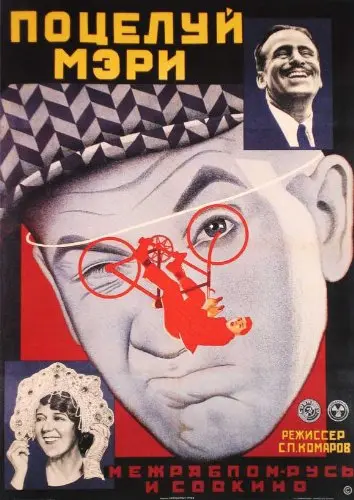
A definitive 6.5/10 rating for a film that redefined the boundaries of cult cinema. Potseluy Meri Pikford remains a cornerstone of transgressive art.
Is Potseluy Meri Pikford worth your time in the age of digital influencers? Short answer: yes, but only if you enjoy seeing the roots of celebrity obsession dissected with a sharp, Soviet scalpel.
This film is for the cinephile who values historical context and meta-narratives that challenge the boundaries of fiction. It is absolutely not for someone looking for a traditional, high-stakes romantic drama or modern pacing.
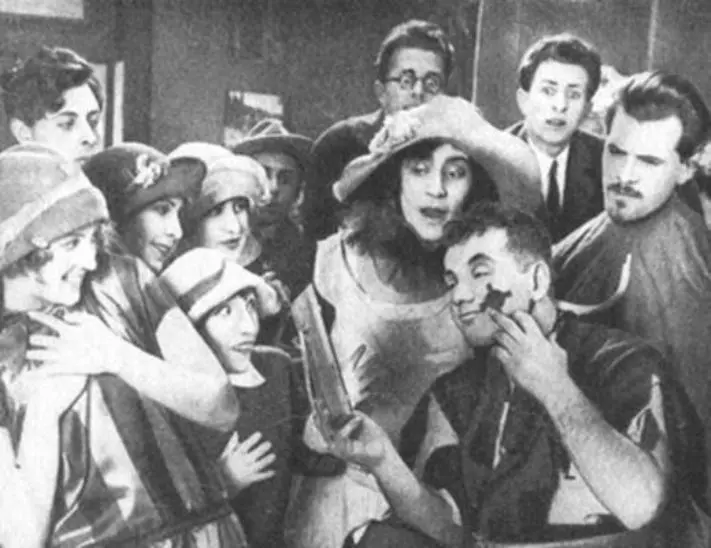
1) This film works because it masterfully integrates real-life documentary footage of Mary Pickford and Douglas Fairbanks into a fictional slapstick plot, creating a 'mockumentary' feel decades before the genre was defined. 2) This film fails because the central gag—the chase—eventually loses its narrative steam, relying on repetitive physical comedy that lacks the emotional depth of a Chaplin feature. 3) You should watch it if you are fascinated by the intersection of early Hollywood stardom and Soviet propaganda efforts.
Yes, Potseluy Meri Pikford is a mandatory watch for anyone interested in the evolution of media satire. It remains a vibrant example of how early filmmakers used the physical presence of celebrities to comment on the psychological impact of fame. The film is short, punchy, and provides a unique window into 1920s Moscow.
The 1926 visit of Mary Pickford and Douglas Fairbanks to the USSR was a cultural earthquake. Sergey Komarov, the director, didn't just record the event; he weaponized it. By weaving Goga's story into the real footage of the stars, the film creates a surreal atmosphere where reality and cinema are indistinguishable. This isn't just a movie; it's a commentary on the movie-going experience itself.
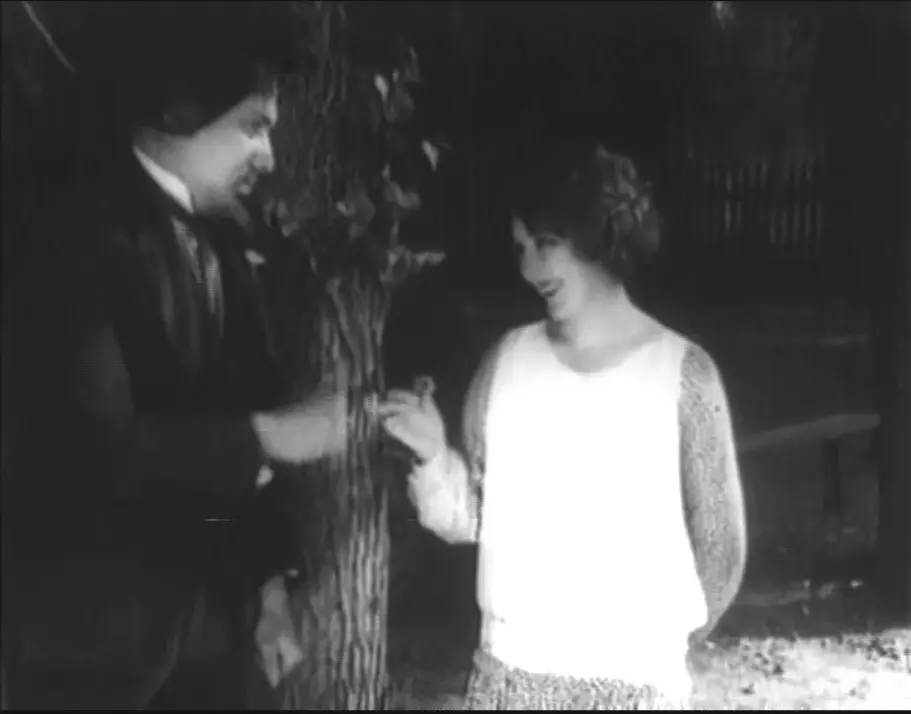
Goga, played with a frantic, rubber-faced energy by Igor Ilyinsky, is the perfect vessel for this critique. He is the Everyman who gains the 'divine' touch of Hollywood. The moment Pickford kisses him, he ceases to be a person and becomes an object. It’s a brutal observation. The women chasing him aren't in love with Goga; they are in love with the residue of Pickford’s fame. It’s early 20th-century branding at its most literal and visceral.
Igor Ilyinsky’s performance is a revelation of physical endurance. While many compare him to Chaplin, his work here feels much closer to the stoic desperation of Buster Keaton in Cops. There is a specific sequence where Goga is trapped in a room and eventually forced onto the streets that mirrors the frantic energy of Le brasier ardent in its experimental editing.
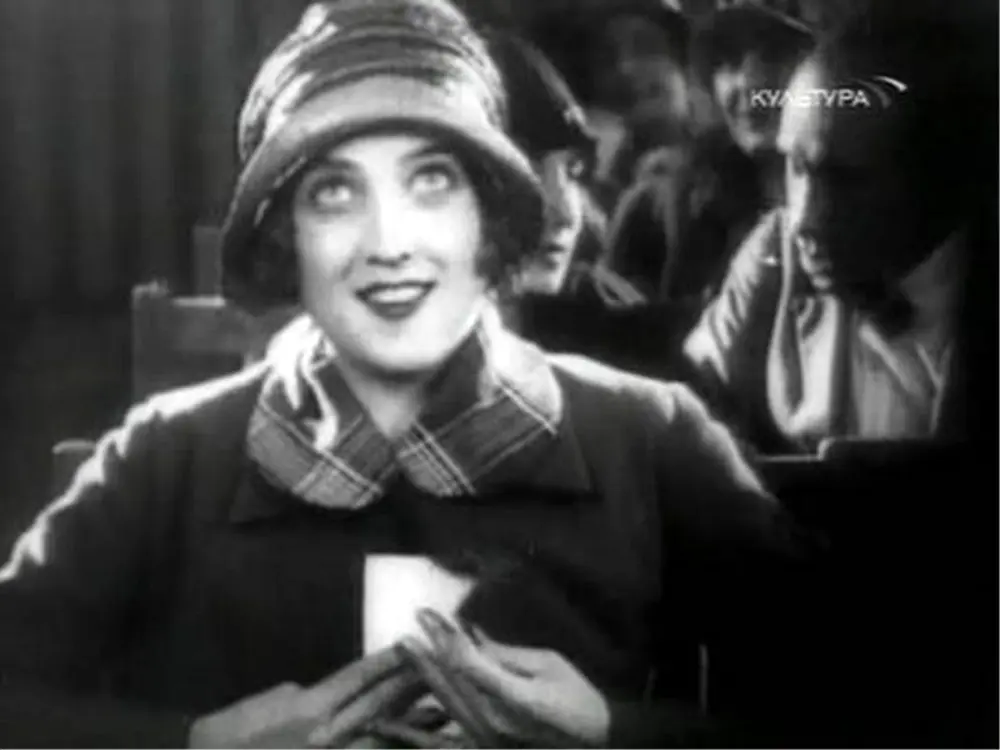
The chase scenes are the heart of the film. When the mob of women begins their pursuit, the geometry of the city becomes a playground for chaos. It’s a direct homage to the boulder chase in Seven Chances, but with a Soviet twist: the obstacles are the very people Goga once sought to impress. The irony is thick. He wanted attention; now that he has it, it threatens to tear him limb from limb. It works. But it’s flawed. The repetition can feel like a hammer after twenty minutes.
Technically, the film is a marvel of its time. The way Komarov intercuts the documentary footage of Pickford is seamless. There is a specific close-up of the 'kiss' that feels like a religious relic. The lighting in the cinema lobby scenes provides a sharp contrast to the blown-out, natural light of the outdoor chases. It emphasizes the difference between the 'dream world' of the theater and the harsh reality of the Moscow streets.
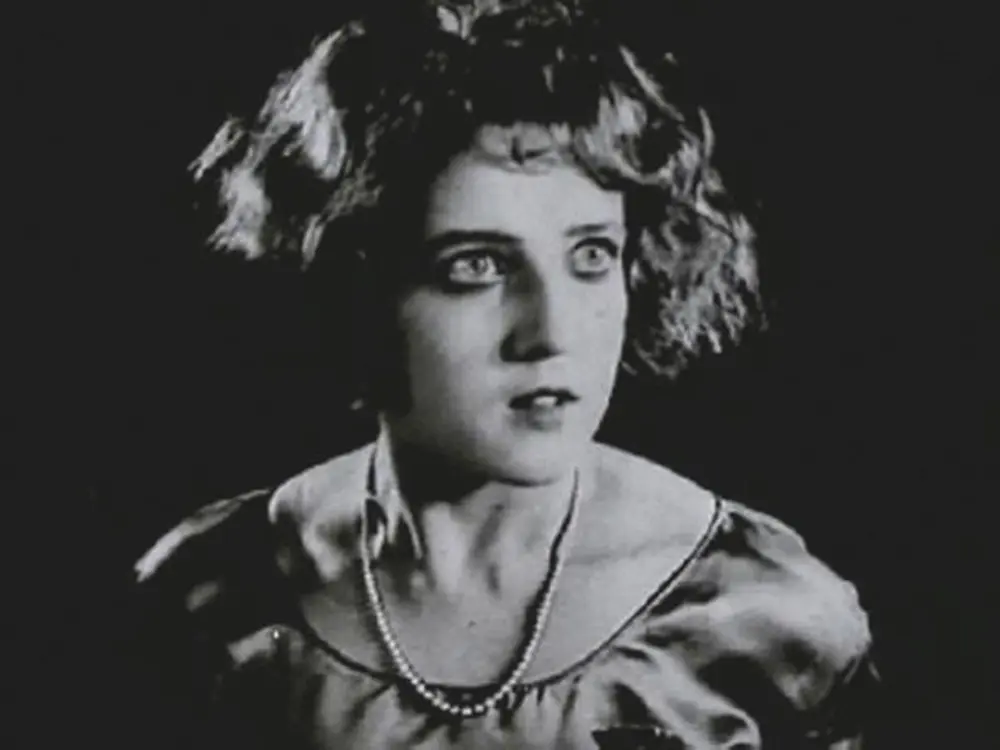
The pacing in the first act is deliberate, almost slow, which makes the explosion of the final twenty minutes feel earned. We spend enough time with Goga’s failures to understand the absurdity of his sudden success. Unlike the melodrama found in Three Weeks, this film avoids sentimentality. It treats romance as a joke and celebrity as a fever dream. This cynical edge is what keeps the film feeling fresh nearly a century later.
One cannot discuss this film without acknowledging its political undertones. While it celebrates Pickford and Fairbanks, it also mocks the 'bourgeois' obsession with stars. The Soviet state was inherently suspicious of the cult of personality surrounding American actors. By showing the Moscow public as a mindless, chasing mob, Komarov is arguably critiquing the lingering 'Western' impulses of the Russian people.
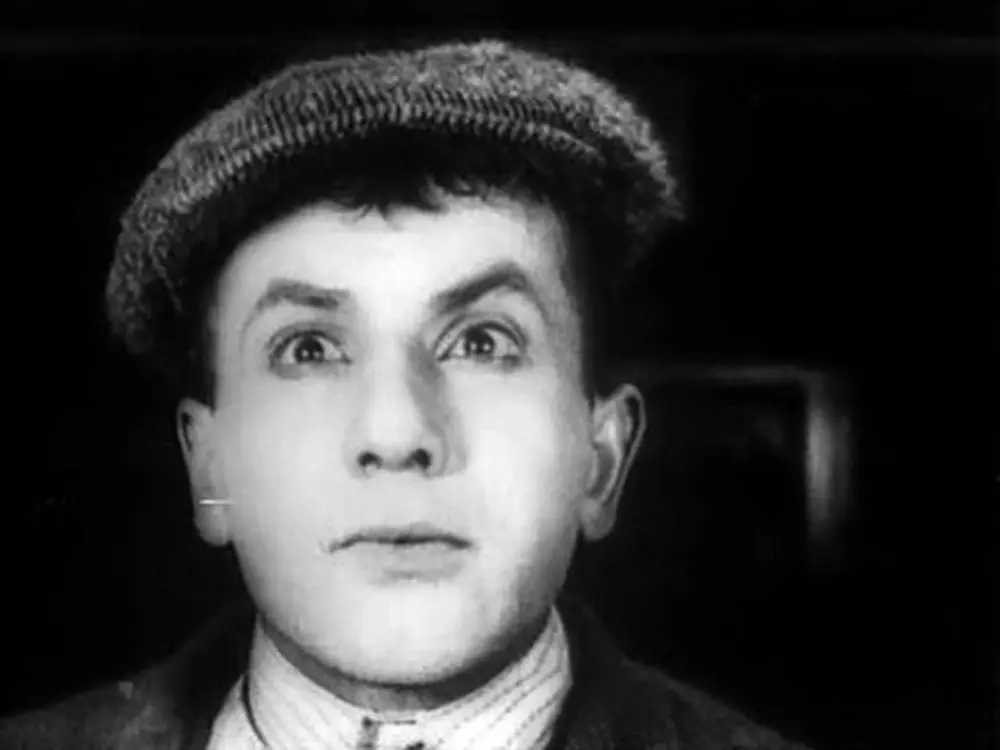
However, the film is too playful to be pure propaganda. There is a genuine warmth in the scenes involving the real Pickford. She seems to be in on the joke. This duality—the tension between loving the star and hating the stardom—is what gives the movie its intellectual weight. It is a far more complex piece of work than the simple 'slapstick' label suggests.
The film features an incredible lead performance by Igor Ilyinsky. His timing is impeccable. The historical value of seeing Pickford and Fairbanks in Moscow is unmatched. The satirical take on 'fandom' is surprisingly modern and relatable. The editing during the chase sequences is inventive and energetic.
The gender politics are dated, portraying women as a monolithic, hysterical force. Some of the slapstick gags feel like they belong in a lesser short film. The ending is somewhat abrupt, leaving the social commentary hanging without a definitive resolution.
Potseluy Meri Pikford is a fascinating anomaly. It is a film that eats itself, utilizing the very stars it satirizes to draw an audience. While it lacks the emotional resonance of the greatest silent features, its intellectual curiosity and frantic energy make it a vital piece of cinema history. It’s a loud, messy, and brilliant reminder that humans have always been a little bit crazy for the camera. Watch it for the history, stay for the chase, and leave with a healthy skepticism of anyone who gets too much attention.
IMDb —
1928
Community
Log in to comment.