
DbcultAccessing Vault...
Cult Review
Senior Film Conservator
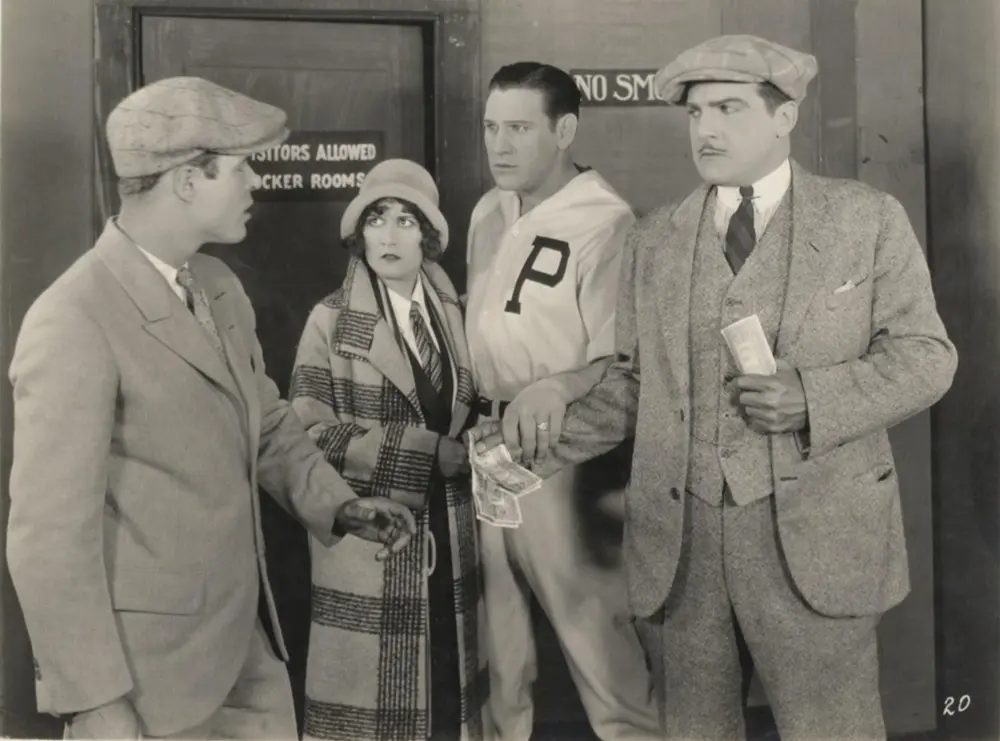
Is 'Catch-As-Catch-Can' worth your time in the modern era? Short answer: yes, but with significant caveats. This early cinematic endeavor, a relic from a bygone filmmaking age, offers a fascinating glimpse into the nascent storytelling techniques and performance styles that would eventually shape the medium. It's a film for the dedicated cinephile, the historian, and anyone curious about the foundational elements of narrative cinema, not the casual viewer seeking immediate gratification.
It demands patience, an appreciation for silent film conventions, and a willingness to engage with its historical context. If you approach it with these perspectives, you'll find surprising depth and a compelling, if sometimes rough-around-the-edges, narrative.
This film works because of its audacious plotting and the raw, earnest performances from its lead actors, particularly Walter Shumway, who embodies the spirit of the underdog with genuine conviction. Its ambition, even when its execution falters, is commendable. The sheer audacity of its central chase sequence, a proto-action spectacle, is genuinely impressive for its time.
This film fails because of its occasionally erratic pacing and a reliance on melodramatic tropes that can feel heavy-handed to a contemporary audience. Some subplots feel underdeveloped, and the resolution, while satisfying, feels somewhat rushed, leaving several character motivations unexplored.
You should watch it if you are a student of film history, a fan of silent cinema, or someone seeking to understand the evolution of storytelling on screen. It offers a unique window into the early 20th-century imagination, a world grappling with new technologies and the moral complexities they introduced. If you prefer polished, fast-paced modern blockbusters, this will likely test your patience.
'Catch-As-Catch-Can' is more than just a forgotten film; it's an artifact, a testament to the boundless creativity that defined the early days of cinema. L.V. Jefferson's script, while undeniably a product of its time, exhibits a surprising degree of narrative complexity, weaving together themes of industrial espionage, moral compromise, and burgeoning romance. It’s a bold undertaking for an era still defining its visual language, pushing the boundaries of what a film could achieve without spoken dialogue.
The story, revolving around Walter Shumway's stolen invention, immediately grounds itself in a relatable human struggle: the fight for recognition and justice against overwhelming odds. This universal appeal is what helps the film transcend its technical limitations, allowing its core emotional beats to resonate even today. It taps into the timeless anxiety of creation and exploitation, a theme as relevant now as it was then.
Directorially, the film makes some fascinating choices. There’s a palpable sense of urgency in the chase sequences, which, while not as slick as modern action, demonstrate an intuitive understanding of visual rhythm. The use of parallel editing, juxtaposing Shumway's desperate pursuit with Jack Blossom's smug confidence, effectively builds tension. It's not 'The Napoleonic Epics' in scale, but it aims for a similar grandiosity in its personal stakes.
However, the visual storytelling isn't always consistent. Some scenes linger too long on static shots, breaking the momentum built elsewhere. This unevenness is forgivable, given the experimental nature of filmmaking at the time, but it’s a hurdle for contemporary viewers accustomed to seamless transitions and dynamic camera work.
The cast of 'Catch-As-Catch-Can' delivers performances that, while adhering to the more expressive, theatrical style of silent cinema, still manage to convey genuine emotion. Walter Shumway, as the beleaguered inventor, is the film's anchor. His portrayal of quiet determination mixed with moments of despair is remarkably nuanced. He doesn't just emote; he embodies a sense of moral rectitude that makes his struggle compelling.
His physical acting during the film's central pursuit is particularly noteworthy. One specific sequence, where Shumway scrambles across rooftops to evade Blossom's henchmen, showcases a raw athleticism and a desperate energy that feels entirely unfeigned. It's a testament to his commitment to the role, elevating what could have been a simple chase into a visceral struggle for survival.
Jack Blossom, played by an actor whose name is unfortunately lost to the sands of time, is a wonderfully hissable villain. His sneering expressions and predatory gestures are perfectly calibrated for the silent screen, ensuring the audience knows exactly who to root against. He is a caricature, yes, but an effective one, providing the necessary antagonistic force to propel the narrative forward. His smug confidence, often displayed with a subtle smirk while his plans unfold, is genuinely unsettling.
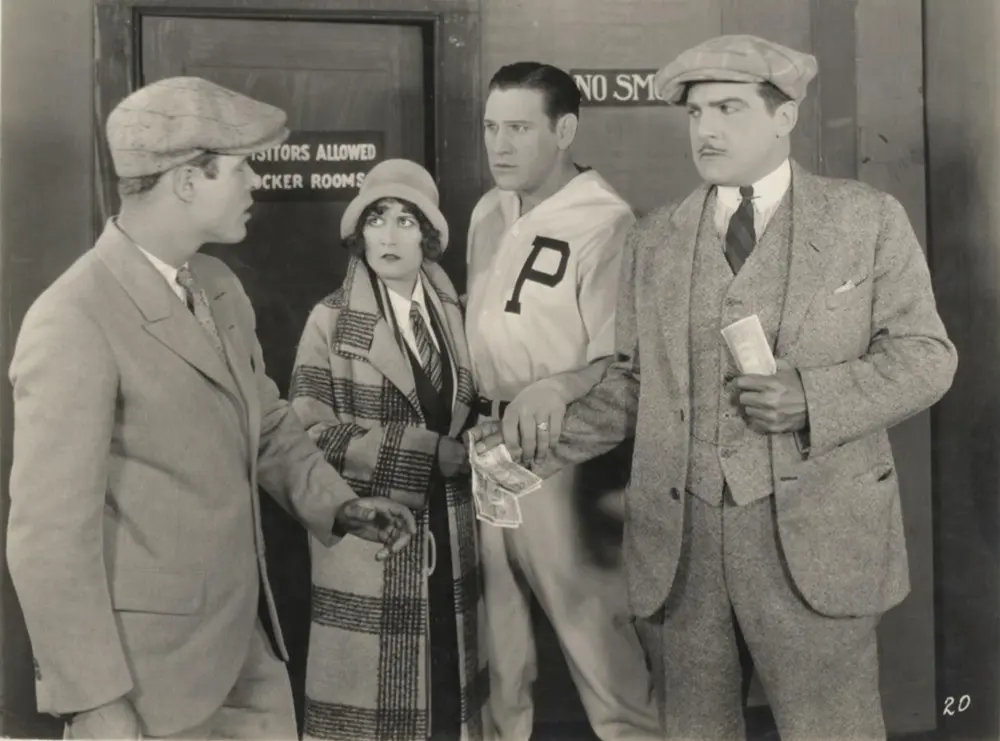
Rose Blossom, in a role that could have easily been relegated to a damsel in distress, brings a surprising amount of agency to her character. Her internal conflict between loyalty to her brother and her growing respect for Shumway is conveyed through subtle shifts in her posture and facial expressions. A scene where she covertly tries to warn Shumway, her eyes darting nervously, speaks volumes without a single intertitle. It’s a quiet strength that resonates.
The pacing of 'Catch-As-Catch-Can' is, like many films of its era, a mixed bag. The initial setup is deliberate, taking its time to establish the characters and the stakes of Shumway's invention. This slow burn allows for character development, particularly for Rose, whose moral awakening is crucial to the plot. However, once the invention is stolen, the film shifts gears dramatically, launching into a frantic chase that dominates the middle act.
This shift, while jarring at first, ultimately serves the narrative, creating a sense of escalating desperation. The contrast between the measured exposition and the breathless pursuit highlights the sudden upheaval in Shumway's life. It's a bold choice, one that predates the modern understanding of act structure but achieves a similar emotional arc.
The tone oscillates between earnest melodrama and thrilling adventure. There are moments of genuine peril, punctuated by comedic beats provided by secondary characters like Georgie Chapman, whose bumbling attempts to aid Shumway offer much-needed levity. This tonal balance, while not always perfectly maintained, prevents the film from becoming overly grim. It's a delicate dance between high stakes and lighthearted relief, a hallmark of popular entertainment from the period, similar to the episodic charm of 'Bowled Over'.
The use of intertitles is effective, providing essential dialogue and exposition without overwhelming the visual narrative. They are concise and to the point, allowing the actors' expressions and actions to carry the bulk of the storytelling. The film understands the power of visual communication, relying on exaggerated gestures and clear blocking to convey complex emotions and intentions.
The cinematography, while rudimentary by today’s standards, is surprisingly effective in capturing the gritty realism of its urban setting. The film utilizes natural light where possible, giving many scenes an authentic, almost documentary-like feel. The city itself becomes a character, with its bustling streets, imposing factories, and shadowy alleyways serving as the backdrop for Shumway's desperate quest.
There are moments of genuine visual flair. A particular shot, framed from a high angle, looking down on the chaos of a factory floor, effectively conveys the scale of industrial ambition and the potential impact of Shumway's invention. It's a clever use of perspective that adds depth to the narrative, hinting at the larger societal forces at play. This isn't the lush, romantic imagery of 'The Place Beyond the Winds', but a more grounded, utilitarian aesthetic.
However, the limitations of early camera technology are also evident. Some interior shots are dimly lit, making it occasionally difficult to discern details, and the camera often remains static, limiting dynamic movement. Despite these constraints, the cinematographers manage to convey a clear sense of space and action, particularly during the more kinetic sequences. The focus is on clarity and storytelling, rather than elaborate visual artistry.
Absolutely, but with a specific mindset. For anyone interested in the evolution of cinema, 'Catch-As-Catch-Can' is an invaluable historical document. It showcases the foundational elements of genre filmmaking – the hero's journey, the pursuit, the moral dilemma – in their infancy. It’s a chance to witness storytelling before the rules were fully written, a raw, unpolished gem.
The film offers a unique perspective on the anxieties and aspirations of the early 20th century, reflecting a society grappling with rapid technological advancement and the ethical questions it raised. It’s a time capsule, providing insight into the cultural landscape that shaped the world we know today.
It works. But it’s flawed. Its historical significance often outweighs its pure entertainment value for a casual audience, but for those willing to engage, the rewards are considerable. It’s a foundational text, a stepping stone in the grand narrative of film history.
'Catch-As-Catch-Can' is a compelling, if imperfect, journey into the foundational years of cinema. It’s a film that demands an active, empathetic audience, one willing to look past its technical limitations and embrace its historical context. While it may not possess the universal appeal of a rediscovered classic like 'The Return of Peter Grimm', its ambition, its earnest performances, and its surprisingly complex narrative make it a valuable piece of cinematic heritage. It's a film that reminds us where it all began, a raw blueprint for the blockbusters of tomorrow. For those who appreciate the struggle and triumph of early filmmaking, it's a viewing experience rich in historical and artistic merit. Don't expect perfection, but do expect to be fascinated by its audacious spirit.