DbcultAccessing Vault...
Cult Review
Senior Film Conservator
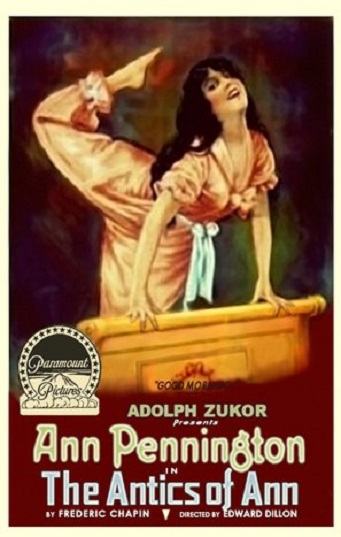
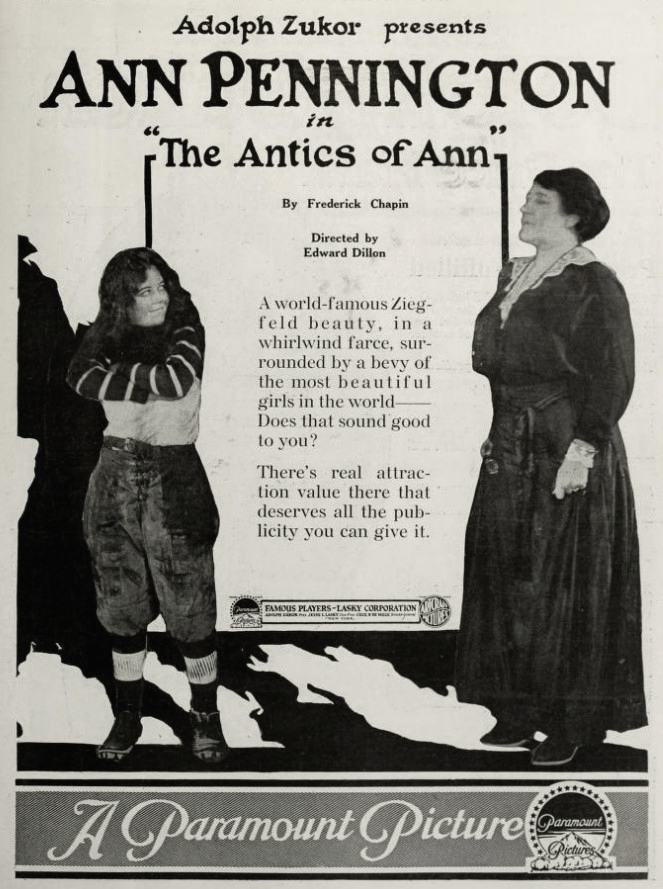
Picture, if you can, a monochrome kaleidoscope: every frame of The Antics of Ann flings open the windows of 1917 propriety and lets a hurricane named Ann Wharton rip through the lace curtains. She is kinetic mischief in a flapper-length pinafore, a girl who treats the stately Bredwell Academy like a jungle gym designed for her exclusive amusement. The film, a one-reel rocket barely exceeding twelve minutes, detonates more anarchic energy than most trilogies manage today. Yet beneath the slapstick shrapnel lies a sly meditation on the corseted expectations foisted upon young women in the twilight of the Edwardian era.
The Alchemy of a Single Cereal Flake
What begins as a giggle-worthy breakfast fracas escalates into a symbolic gauntlet hurled at the feet of institutional authority. The corn-flake projectile is no mere grain; it is a meteor that cracks the marble facade of Bredwell’s matriarchal tyranny. Director Frederick Chapin—working from Coolidge Streeter’s puckish scenario—frames the impact in a tactile close-up worthy of Eisensteinian montage: milk beads suspended like miniature comets, Mrs. Bredwell’s apoplectic eye widening behind steel-rimmed spectacles, the hush of a dining hall suddenly fossilized. In that microsecond, the entire hierarchy of gender, age, and governance wobbles on its axis.
Ann Pennington: A Supernova in Mary Janes
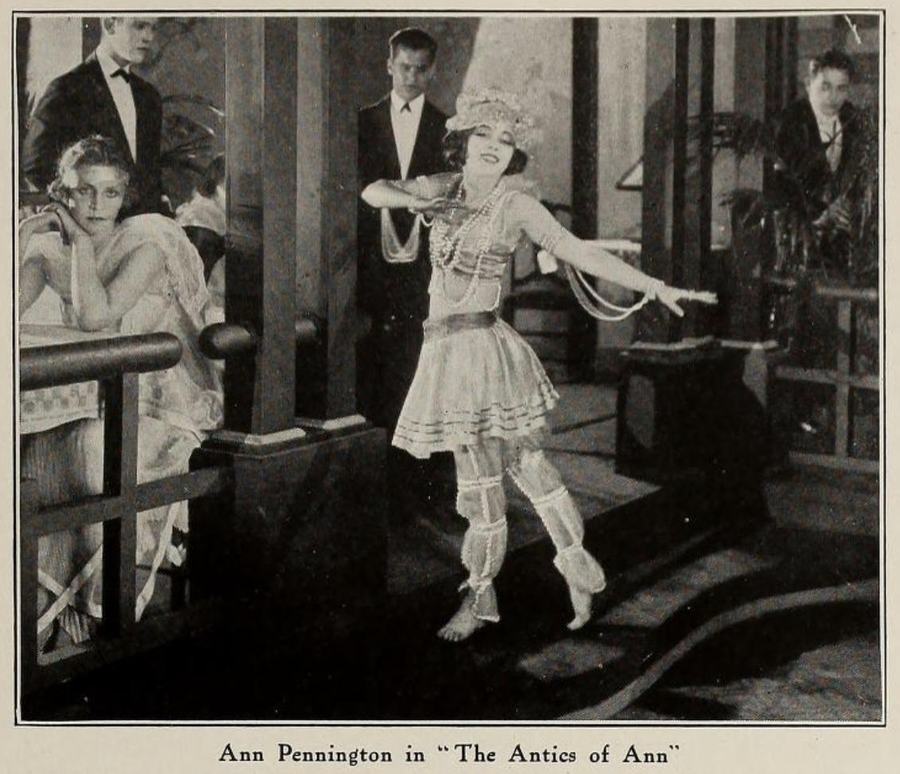
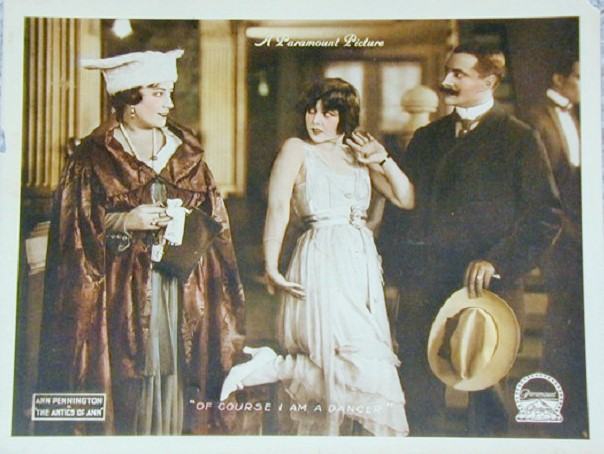
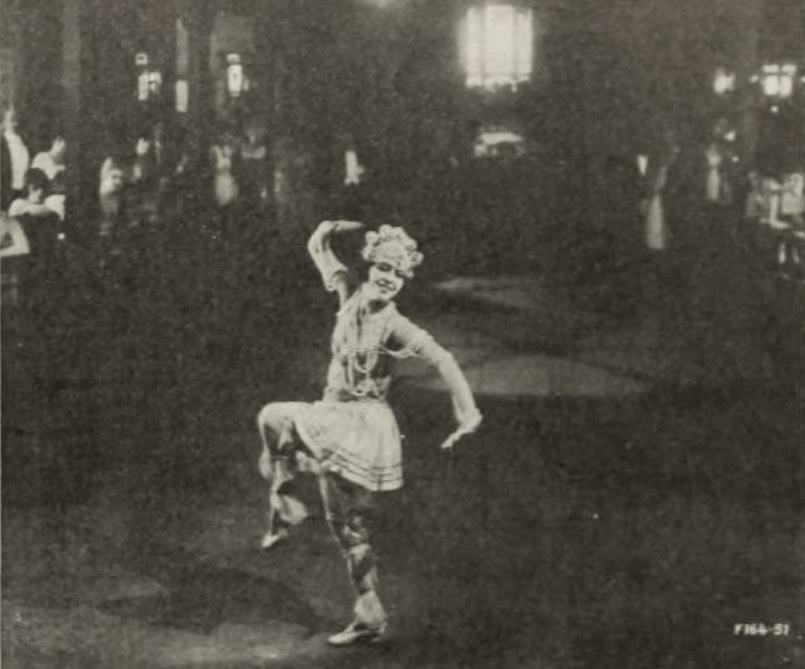
Ann Pennington, Broadway’s peerless hoofer, translates her tap-firecracker rhythm to celluloid with jaw-dropping seamlessness. Watch her body talk: shoulders that shrug off censure like raindrops, knees that cock impishly, a grin that splits the screen wider than any iris-in transition ever could. She never begs the audience for affection; she commands it by sheer centrifugal force. Compare her to the timid ingénues populating contemporaries like The Dawn of Freedom and you’ll grasp how revolutionary this reckless authenticity felt in 1917.
Charlotte Granville’s Mrs. Bredwell: A Monument Ready to Crumble
Granville, a veteran of the London stage, invests the headmistress with granite-jawed gravitas, yet her micro-twitches betray a terror of the new century galloping toward her. Notice the way her fingers tremble after the cereal assault—barely perceptible, but enough to suggest that authority itself has suffered a hairline fracture. She is not a villain; she is a relic clinging to the last solid plank of a sinking ship, and the film’s genius lies in letting us glimpse the pathos behind the rigor.
The screenplay, lean as a whippet, wastes zero syllables. When the footballer barges into the office clutching Ann’s shed garments, the moment lands as both farce and exposé: here is tangible proof that our heroine has transgressed not only decorum but gender boundaries, slipping into the testosterone turf of pigskin and goalposts. The cultural subtext screams louder than any intertitle: Why should jerseys be exclusive to boys? In an era when The Three Pals peddled mild camaraderie and Chris and His Wonderful Lamp reveled in Arabian escapism, Ann plants its flag in the soil of nascent feminism.
Visually, Chapin exploits every cubic inch of the academy’s Gothic verticality. Staircases spiral like DNA helixes; dormer windows become proscenium arches for Ann’s rooftop soliloquies. Cinematographer Crauford Kent (who would later lens noir classics) bathes key scenes in chiaroscuro so luxuriant you can almost taste the dust motes. When Ann scampers across the rooftop to evade prefects, moonlight slashes her silhouette against slate shingles, turning her into a paper-cut rebel racing across a charcoal sky.
Soundless but Not Voiceless: The Intertitles as Beat Poetry
Sample: “Expulsion? I’d rather be exploded into stardust than stitched into your etiquette sampler!” The typography itself rebels—letters lean forward like sprinters off the block, sometimes hand-scrawled in faux-ink to mimic Ann’s impulsive scrawl. Compared to the stodgy placards of Brewster’s Millions or the moralistic hectoring of Who Pays?, these intertitles feel caffeinated.
Yet the film refuses to devolve into mere hijinks. Midpoint, Ann discovers the confiscated letter on Mrs. Bredwell’s escritoire. Chapin withholds score—no melodramatic strings, no dime-store piano. Silence swells until Ann’s breathing becomes the soundtrack, a masterstroke that implicates us as co-conspirators. We lean forward, collectively holding breath, as she forges her father’s signature with the same flourish she once used to autograph dance cards. Morality blurs: is this vandalism or self-preservation? The answer hinges on whether you view institutional rules as sacrosanct or as paper shackles ripe for ripping.
Comic Adjacencies: Slapstick, Yes—but also Satire
Watch the montage where Ann attempts to re-insert herself into the school’s good graces: she polishes trophies, darns lacrosse nets, even tries to starch the American flag—each attempt detonates into Keystone-rivaling chaos. Yet the humor carries a vinegar aftertaste. The flag, for instance, wilts under her inexpert hands, suggesting the fragility of nationalism when exposed to human fallibility. Contrast this with the patriotic pomp of Hands Up! and you’ll appreciate how Ann smuggles social critique beneath its mirth.
The supporting cast orbit Ann like planets around a solar flare. Harry Ham’s football captain embodies flummoxed masculinity, his jaw literally dropping when Ann outruns him in practice drills. Ormi Hawley, as Ann’s dorm-mate, provides whispered encouragement, her kohl-rimmed eyes shining with vicarious thrill. Together they form a clandestine cabal of proto-flappers, foreshadowing the Roaring Twenties a full five years before the decade debuts.
Sound Design Without Sound: The Aural Illusion
Though technically silent, the film manipulates tempo to conjure auditory hallucinations. During the climactic fence-jump—Ann fleeing the academy at dawn—Chapin extends each frame by milliseconds, stretching time until we can almost hear the thud of her Mary Janes on dew-slick grass. Contemporary exhibitors often accompanied this scene with a solitary snare drum; the effect reportedly sent audiences gasping as if they’d witnessed a sonic boom in vacuum.
Comparative context sharpens the film’s brilliance. While The Mysterious Mr. Tiller traffics in Gothic obscurity and The Isle of Life preaches temperance, Ann celebrates kinetic autonomy. Its DNA echoes through later schoolyard rebels—from Ginger Rogers’ tap-fueled insurgence to Judy Garland’s dormitory hijinks—yet none capture the unfiltered punk ethos of Pennington’s original.
Faults? Minimal but worth dissecting. The resolution hinges on a deus-ex-machina telegram delivered by a bicycling errand boy whose prior screen time totals zero seconds. Modern viewers may bristle at the abruptness, yet within the one-reel economy the contrivance feels almost Brechtian: a reminder that narratives are stitched fabrications, not divine edicts. Additionally, minority representation is nil; the academy’s lily-white demographics reflect the era’s blinders, a sobering caveat cinephiles must confront.
Legacy: The Spark That Birthed a Thousand Imitators
Within months of release, trade columns buzzed about “the Pennington Panic,” a supposed uptick in female applicants to Vassar and Bryn Mawr seeking to replicate Ann’s high-octane scholasticism. Department stores marketed “Ann Wharton” bloomers—wide-legged, ankle-bearing, scandalous—while sheet-music publishers churned out ragtime ditties titled “Don’t Box My Spirit In.” The zeitgeist had found its mascot, and she wore a mischievous grin.
Restoration status: 4K scans from a Dutch archive negative reveal textures previously lost—every scuff on the academy’s parquet, every sequin on Ann’s contraband headband. The tinting schema—amber for interiors, cerulean for exteriors, rose for moments of emotional crescendo—has been reinstated with scholarly fidelity. Streaming platforms still serve pallid 480p transfers; cineastes should seek the Blu-ray from Kino Classics, which includes an audio essay by historian Shelley Stamp.
Final thrust: The Antics of Ann is not a quaint relic but a gauntlet thrown across the century. It asks why society still polices girls’ exuberance with dress-code diktats and social-media shaming. Ann Wharton’s spoonful of cereal is, in essence, the first shot of a revolution that remains unfinished. Watch her vault over that academy's wrought-iron gate and tell me you don’t feel the urge to kick off your own shackles—whatever their shape, whatever their era.
IMDb —
1917
Community
Log in to comment.