DbcultAccessing Vault...
Cult Review
Senior Film Conservator
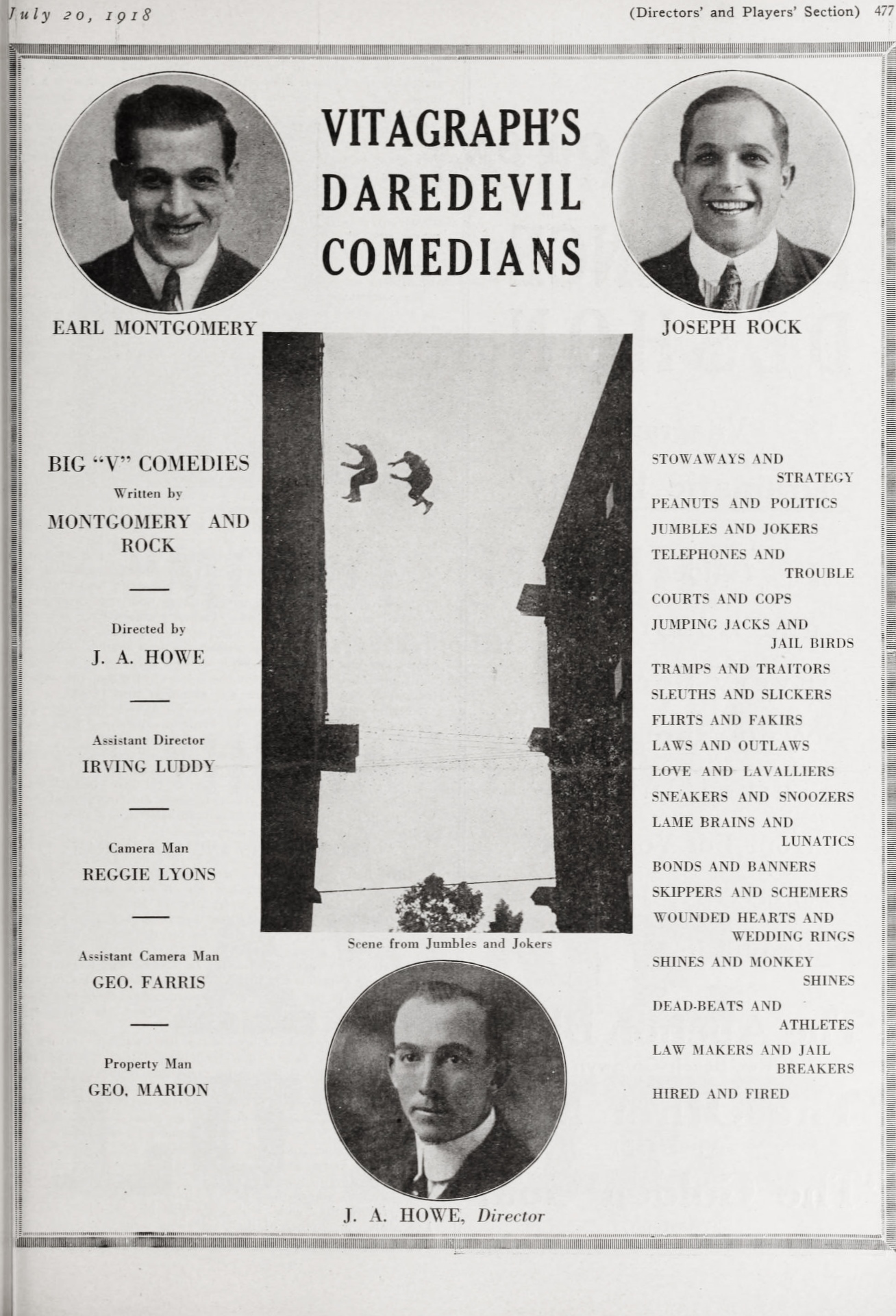
In the vast, untamed expanse of early cinema, certain films emerge not just as storytelling vehicles but as profound cultural artifacts, reflecting the nascent anxieties and aspirations of their era. Among these, Laws and Outlaws stands as a towering, if often overlooked, testament to the enduring American fascination with justice, rebellion, and the rugged individualism of the frontier. Directed and penned by the formidable duo of Earl Montgomery and Joe Rock, who also grace the screen with their compelling performances, this cinematic endeavor transcends mere genre conventions, offering a psychologically rich narrative that continues to resonate with contemporary audiences.
The film’s brilliance lies in its refusal to paint its characters with broad strokes of black and white. Instead, we are presented with a chiaroscuro of moral ambiguity, where heroism and villainy are inextricably intertwined. Joe Rock delivers a masterclass in stoicism as Silas “Stone” Harding, a lawman whose very moniker suggests an unwavering resolve. Harding is not simply a badge-wearing enforcer; he is a man burdened by the immense responsibility of upholding a fragile order in a world perpetually threatening to descend into chaos. His eyes, often cast against the vast, indifferent landscape, convey a deep weariness, a silent acknowledgment of the Sisyphean task before him. He embodies the nascent spirit of American jurisprudence, striving to impose structure on an inherently wild domain.
Counterbalancing Rock’s gravitas is Earl Montgomery’s electrifying portrayal of Jebediah “Jeb” Thorne, the charismatic outlaw whose very existence challenges the foundations Harding seeks to establish. Montgomery imbues Thorne with a magnetic intensity, a blend of raw defiance and a haunting vulnerability that elevates him far beyond the archetype of the common bandit. Jeb is a product of his environment, a man driven to the margins by a system he perceives as corrupt and unjust. His actions, while undeniably criminal, are often framed as desperate acts of self-preservation or retribution against an unfeeling establishment. It is this intricate characterization that propels the narrative, transforming a simple tale of pursuit into a profound meditation on the nature of justice itself.
The plot unfurls with an almost classical precision, each sequence meticulously crafted to heighten the dramatic tension. We witness Thorne’s gang executing daring feats, such as a meticulously planned train heist, which, while showcasing their audacious criminality, also highlights their desperation. These acts are not senseless; they are, in Thorne’s twisted logic, a means to reclaim what he believes was unjustly taken from him or his community. This underlying motivation adds layers of complexity, inviting the audience to empathize, however briefly, with the outlaw’s plight.
The escalating conflict between Harding and Thorne is not merely physical; it is a battle of ideologies. Harding represents the unwavering belief in the rule of law, the necessity of societal order, even if imperfect. Thorne, conversely, embodies the untamed spirit of individual liberty, a fierce rejection of any authority that infringes upon his perceived rights or those of the marginalized. Their confrontations, often staged against the breathtaking, desolate backdrops of the American West, are less about bullets and more about the clash of these fundamental philosophies. A climactic standoff in a sun-baked canyon, where both men are stripped bare of their societal roles, becomes a crucible for their respective convictions.
From a technical perspective, Laws and Outlaws is a marvel of early filmmaking. The cinematography, presumably overseen by Rock and Montgomery themselves, captures the raw grandeur of the landscape with an almost painterly quality. Wide shots of galloping horses across vast plains evoke a sense of freedom and danger, while close-ups on the weathered faces of the actors reveal the internal turmoil brewing beneath their hardened exteriors. The pacing, though deliberate, builds inexorably towards its poignant climax, allowing moments of quiet introspection to punctuate the bursts of action.
The film’s influence, while perhaps subtle in the annals of mainstream cinema history, can be felt in the DNA of subsequent Westerns that dared to delve into moral shades of grey. One might draw parallels to the rugged authenticity seen in a film like Men of the Desert, which similarly utilized the harsh environment to reflect the internal struggles of its characters. Both films understand that the desert is not just a setting, but an active participant in the drama, shaping destinies and forging identities. The pursuit of justice, often brutal and uncompromising, echoes themes found in The Crime of the Hour, albeit transposed from an urban setting to the lawless frontier. The urgency and desperation in both films highlight the societal need for order, even when that order is tenuous.
Joe Rock's portrayal of Silas Harding is a masterclass in understated power. He eschews theatricality for a quiet intensity, his every glance and gesture conveying a man perpetually at war with himself and his circumstances. It's a performance that speaks volumes through its restraint, a stark contrast to the more flamboyant villainy often seen in films of this era. His ethical fortitude is palpable, yet never preachy, making his character deeply relatable even in his unwavering adherence to principle.
Earl Montgomery, as Jebediah Thorne, is equally compelling, perhaps even more so for the complexities he brings to a role that could easily have been one-dimensional. His Thorne is not merely a brute; he possesses a cunning intellect, a burning sense of loyalty to his own, and a tragic backstory that lends his rebellion a potent, if misguided, righteousness. Montgomery’s expressive face, capable of conveying both fierce anger and profound sorrow, anchors the film’s emotional core. His performance invites contemplation on whether true justice can ever be achieved when the very definitions of 'law' and 'outlaw' are so profoundly shaped by perspective and circumstance. The relentless, almost predatory pursuit often seen in The Hawk finds a thematic echo here, but with a crucial twist: in Laws and Outlaws, the 'hawk' could arguably be either the lawman or the outlaw, depending on one's viewpoint.
The film delves deeply into themes that remain evergreen: the tension between individual freedom and societal order, the corrupting influence of power, and the elusive nature of redemption. It forces us to confront uncomfortable questions about who truly defines 'justice' and whether 'laws' are always inherently moral. This philosophical depth elevates Laws and Outlaws beyond a simple genre piece.
In its exploration of humanity against the backdrop of an unforgiving wilderness, it shares a spiritual kinship with God's Country and the Woman. Both films understand that the raw, untamed environment strips away pretense, revealing the fundamental nature of man. However, while 'God's Country' often romanticizes this struggle, Laws and Outlaws grounds its narrative in a grittier, more morally ambiguous reality. The notion of sacrifice, whether for principle or for a perceived greater good, also draws a compelling parallel to The Divine Sacrifice, though the sacrifices in this frontier epic are often less spiritual and more viscerally human, bleeding onto the dusty ground.
The film’s climax, a poignant and deeply unsettling resolution, avoids the neat, triumphant endings typical of many early Westerns. Instead, it offers a bittersweet denouement that leaves the audience pondering the true cost of order and the enduring scars left by conflict. It suggests that even when 'justice' is served, the lines between victor and vanquished remain blurred, and the moral landscape forever altered. This refusal to offer easy answers is perhaps its most radical and enduring quality, cementing its place as a thought-provoking piece of cinematic art.
Ultimately, Laws and Outlaws is more than just a frontier adventure; it is a profound philosophical inquiry wrapped in the thrilling guise of a Western. It is a testament to the directorial vision and acting prowess of Joe Rock and Earl Montgomery, who together crafted a film that speaks to the timeless struggle for balance between freedom and order, individual conscience and collective good. Its legacy lies not just in its compelling narrative and striking visuals, but in its courage to explore the uncomfortable truths about human nature and the complex, often contradictory, forces that shape societies. For any serious student of cinema or anyone captivated by the moral complexities of the American frontier, this film remains an essential viewing, a stark and beautiful reminder of the intricate tapestry of early filmmaking and its enduring power to provoke thought and emotion.
IMDb 5
1936
Community
Log in to comment.