A definitive 6.8/10 rating for a film that redefined the boundaries of cult cinema. Chang: A Drama of the Wilderness remains a cornerstone of transgressive art.
Is "Chang: A Drama of the Wilderness" worth watching today? Short answer: yes, but with significant caveats that demand a particular kind of viewer engagement.
This 1927 silent film is an absolute must-see for historians of cinema, fans of early documentary-style filmmaking, and those fascinated by anthropological studies of human-wildlife interaction, yet it will prove a tedious, perhaps even problematic, experience for viewers seeking conventional narrative thrills, complex character arcs, or a politically correct lens.
This film works because: It's a groundbreaking, visceral depiction of human survival against the raw, untamed forces of nature, offering unparalleled historical insight into early documentary filmmaking and the challenges of its production.
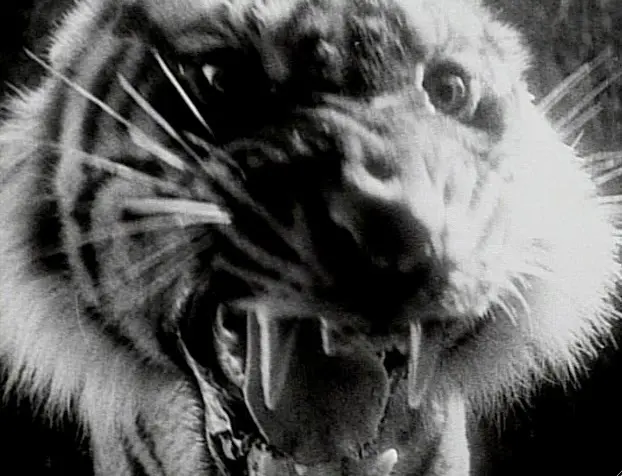
Scene from Chang: A Drama of the Wilderness
Cinematic perspective: Exploring the visual vocabulary of Chang: A Drama of the Wilderness (1927) through its definitive frames.
This film fails because: Its pacing can be excruciatingly slow for modern audiences, and its approach to depicting indigenous life and animal encounters raises significant ethical questions when viewed through contemporary sensibilities.
You should watch it if: You have a keen interest in silent cinema, the origins of the documentary genre, or an academic curiosity about the intersection of early film, anthropology, and environmental themes, and are prepared for a challenging, non-traditional viewing experience.
A Pioneering Vision of Wilderness Survival
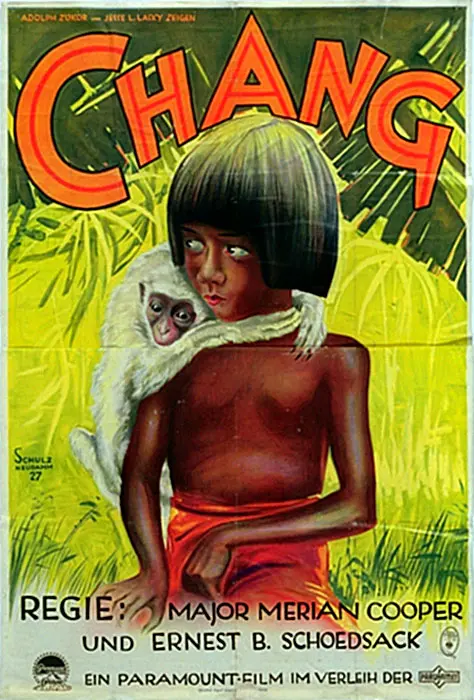
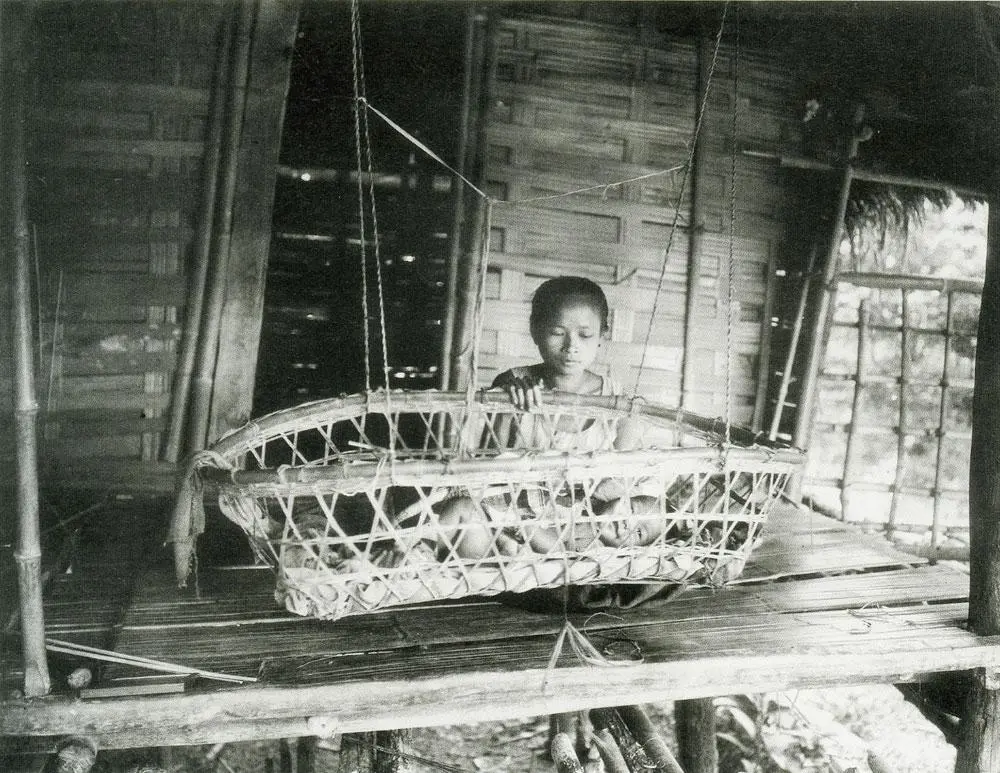
"Chang: A Drama of the Wilderness," directed by Merian C. Cooper and Ernest B. Schoedsack – the same visionary duo who would later unleash King Kong upon the world – stands as a monumental achievement in early filmmaking. Released in 1927, it isn't merely a film; it's an ethnographic expedition captured on celluloid, a daring venture into the remote jungles of Northern Siam (modern-day Thailand) to document the lives of a rural family, Than, his wife Kru, and their children Chantui and Ladah, alongside their clever pet monkey, Bimbo. The narrative, if one can call it that, is a stripped-down testament to primal survival, a relentless chronicle of humanity pitted against the overwhelming, indifferent power of nature.
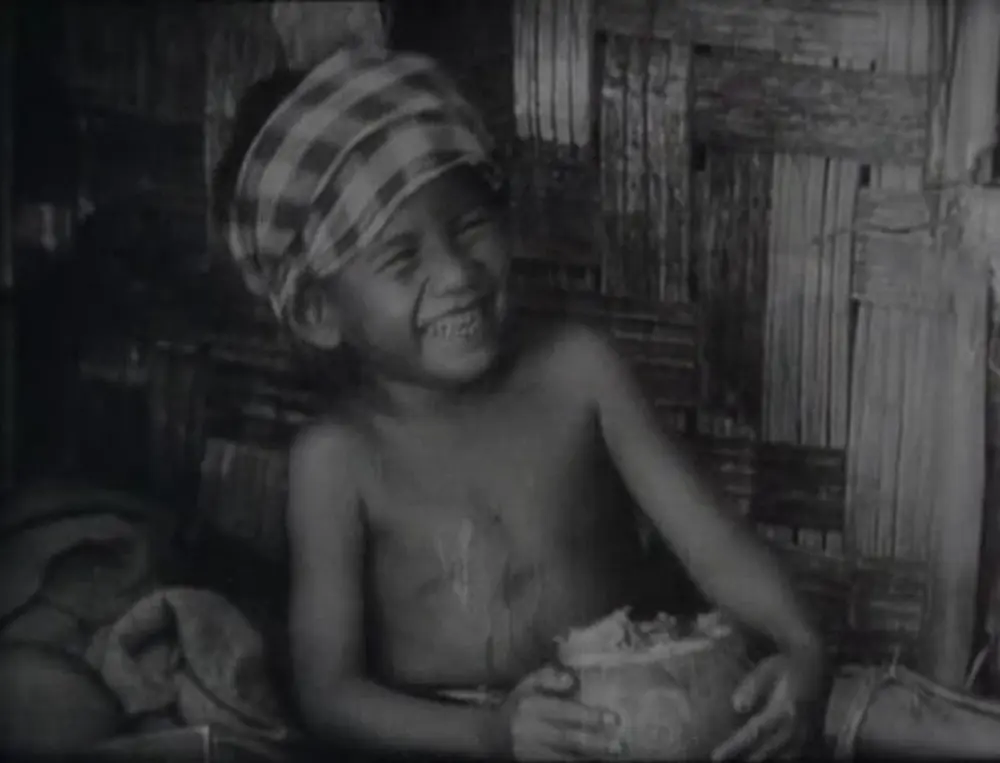
Scene from Chang: A Drama of the Wilderness
Cinematic perspective: Exploring the visual vocabulary of Chang: A Drama of the Wilderness (1927) through its definitive frames.
The film opens not with dialogue, but with the cacophony of the jungle itself – a symphony of unseen creatures and rustling leaves, immediately establishing "The Jungle" as the primary character, an omnipresent force dictating every rhythm of life and death. We are introduced to Than’s family, not through exposition, but through their actions: planting rice, hunting for food, building rudimentary shelters, and constantly remaining vigilant against the myriad dangers that lurk just beyond the periphery of their small clearing. This isn't a story about the jungle; it is the jungle, filtered through the lens of human struggle.
The Unseen Director: Nature Itself
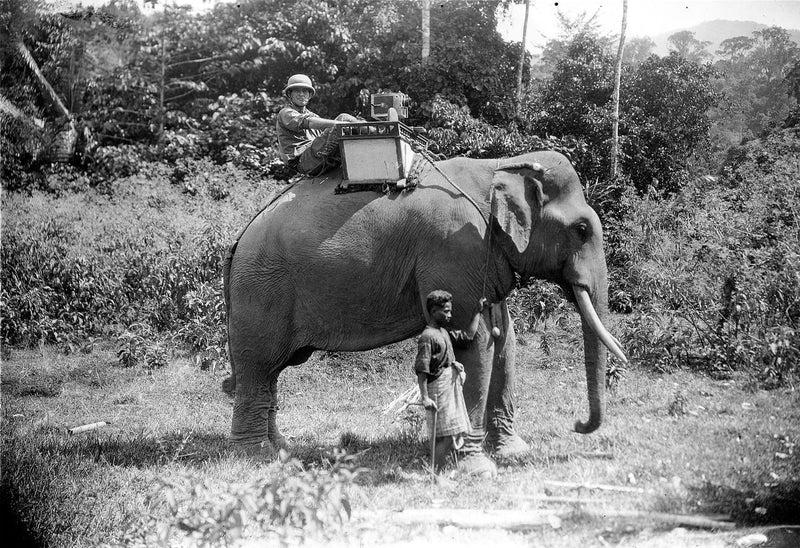
The direction by Cooper and Schoedsack is less about traditional blocking or performance, and more about capturing raw, unfiltered reality. Cinematographer Ernest Schoedsack, with his background in newsreels and documentary, brings a startling immediacy to the screen. The camera, often fixed or moving with a deliberate, observational gaze, doesn't just record; it immerses. We feel the oppressive humidity, the claustrophobia of the dense undergrowth, and the sudden, terrifying shift from tranquility to peril.
Consider the sequence where Than’s family attempts to clear a patch of land for cultivation. It’s not just men wielding axes; it’s a painstaking, back-breaking struggle against nature’s relentless reclamation. The wide shots emphasize the sheer scale of the jungle, dwarfing the human figures, while closer shots of sweat-soaked brows and straining muscles underscore the physical toll. This isn't staged drama; it’s a meticulously documented struggle, a testament to the filmmakers' incredible patience and daring.
Scene from Chang: A Drama of the Wilderness
Cinematic perspective: Exploring the visual vocabulary of Chang: A Drama of the Wilderness (1927) through its definitive frames.
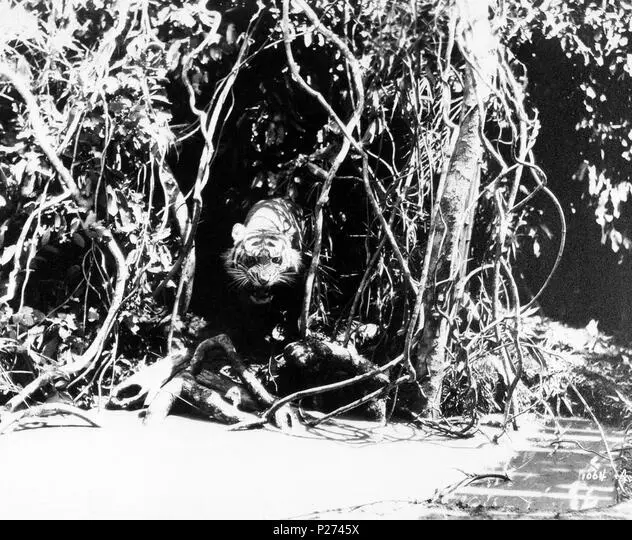
The film's most memorable moments, undeniably, involve its animal cast. The climactic elephant stampede, for instance, is an astonishing feat of filmmaking, especially for its era. It's not a few elephants; it's a genuine herd, thundering through the village, a spectacle of destructive power that feels utterly real because, for all intents and purposes, it was real. The sheer logistical nightmare of filming such an event, without CGI or extensive safety nets, speaks volumes about the filmmakers' audacious vision. It’s a sequence that still holds up, eliciting genuine awe and terror, a raw, untamed force unleashed.
Performances Beyond Dialogue
In a silent film, the absence of spoken dialogue elevates visual storytelling to an art form, and in "Chang," this is particularly true for its human subjects. Than, Kru, and their children, while not actors in the conventional sense, deliver performances rooted in authentic experience. Their expressions of fear, joy, and determination are unadorned, reflecting the stark realities of their daily lives. There’s a quiet dignity in Than’s resolve as he faces down a leopard, or the simple warmth in Kru’s care for her children.
However, the true stars are often the animals. Bimbo the monkey provides moments of much-needed levity and genuine heroism, his antics often serving as a counterpoint to the ever-present danger. The way he interacts with the family, his cleverness in navigating the jungle, feels organic and charming. But it's the larger, wilder animals – the tigers, leopards, and especially the elephants – that truly command the screen. Their presence isn't merely symbolic; it’s tangible, a constant threat that shapes every decision and every desperate scramble for safety. The 'performance' of the jungle itself, with its myriad creatures, is the most compelling aspect of the film.
Scene from Chang: A Drama of the Wilderness
Cinematic perspective: Exploring the visual vocabulary of Chang: A Drama of the Wilderness (1927) through its definitive frames.
Pacing and the Rhythm of Survival
For modern audiences accustomed to rapid-fire editing and constant narrative propulsion, the pacing of "Chang" will undoubtedly be its biggest challenge. The film often lingers on mundane tasks: rice cultivation, fishing, building traps. These aren't just scene-setting; they are the essence of survival. The rhythm of the film mirrors the rhythm of life in the wilderness – long stretches of quiet observation punctuated by sudden, explosive bursts of action and danger.
This deliberate pace is both a strength and a weakness. It allows for a deeper appreciation of the sheer effort required to exist in such an environment, fostering a sense of immersion. We genuinely feel the slow burn of daily existence, the constant vigilance. Yet, it can also test the patience of viewers expecting a more conventional dramatic arc. The film demands a different kind of engagement, one that values observation and atmosphere over plot twists. It's a meditative experience, a slow unfolding of life, death, and the relentless cycle of nature.
A Controversial Lens: Re-evaluating 'Chang' Today
Viewing "Chang" through a contemporary lens inevitably brings forth ethical considerations. The film, while presented as a documentary, undoubtedly involved staging and manipulation. The portrayal of the indigenous family, while seemingly respectful in its depiction of their resilience, can also be seen as leaning into tropes of the 'noble savage' or exoticism, common in early 20th-century ethnographic films. The line between respectful documentation and exploitation, however unintentional, is often blurred.
Scene from Chang: A Drama of the Wilderness
Cinematic perspective: Exploring the visual vocabulary of Chang: A Drama of the Wilderness (1927) through its definitive frames.
More troubling are the sequences involving animals. While the film showcases incredible footage of wildlife, the methods used to obtain some of these shots would be considered unacceptable by today's standards. The capture of a baby elephant, for instance, or the orchestration of a tiger hunt, raises serious questions about animal welfare. This is not to diminish the film's artistic or historical value, but to acknowledge the problematic aspects inherent in its production, a necessary part of any critical re-evaluation. It’s a harsh truth that many pioneering works carry the moral baggage of their era.
Despite these issues, the film remains a vital historical document. It captures a way of life that has largely vanished, and its raw, unflinching look at the human-animal conflict is still remarkably powerful. It works. But it’s flawed. This tension between its historical significance and its ethical challenges makes it a fascinating, if sometimes uncomfortable, watch.
Is this film worth watching?
Yes, "Chang: A Drama of the Wilderness" is absolutely worth watching, but with specific expectations. It's an essential piece of cinematic history.
It offers a unique window into early documentary filmmaking techniques and the immense challenges of shooting on location in remote areas before modern technology.
The film's portrayal of nature as an overwhelming force is still incredibly impactful, even if some of its methods are ethically questionable today.
It is an experience that demands patience and an appreciation for non-traditional storytelling.
Key Takeaways
Best for: Film historians, students of anthropology, fans of early adventure documentaries, and those interested in the origins of nature filmmaking.
Not for: Viewers seeking fast-paced narratives, complex character development, or films free of ethical concerns regarding animal treatment by modern standards.
Standout element: The raw, unparalleled footage of jungle life and the large-scale animal sequences, especially the elephant stampede, which remain breathtaking.
Biggest flaw: Its extremely slow pacing for a contemporary audience and the problematic ethical implications of its production methods concerning both indigenous people and animals.
Pros and Cons
Pros:
Historical Significance: A landmark in early documentary and adventure filmmaking, showcasing unprecedented on-location shooting.
Visceral Realism: Captures the brutal reality of jungle survival with an authenticity rarely seen.
Stunning Animal Footage: Features incredible, often dangerous, sequences with wild animals that are still impactful.
Atmospheric Immersion: The silent format, combined with a powerful score (in restored versions), creates a deeply immersive experience of the jungle environment.
Pioneering Filmmaking: A testament to the daring and ingenuity of Cooper and Schoedsack before their 'King Kong' fame.
Cons:
Slow Pacing: Can be a significant hurdle for modern viewers accustomed to faster cuts and narrative momentum.
Ethical Concerns: Raises serious questions about animal welfare and the portrayal of indigenous cultures by today's standards.
Limited Character Development: Focuses more on the environment and survival than on human introspection or complex emotional arcs.
Dated Sensibilities: Some elements, while groundbreaking for their time, now feel archaic or even offensive.
Lack of Dialogue: While inherent to silent film, the complete absence of spoken word might alienate some viewers unfamiliar with the genre.
Verdict
"Chang: A Drama of the Wilderness" is an undeniably important film, a raw, uncompromising testament to human resilience against the untamed forces of nature, and a crucial piece of cinema history. Its groundbreaking footage and audacious production methods set a precedent for adventure filmmaking and the nascent documentary genre. It offers a fascinating, often breathtaking, glimpse into a world and a filmmaking style that no longer exists.
However, it is not an easy watch. Its glacial pace demands patience, and its ethical complexities regarding both animal treatment and cultural representation are impossible to ignore in a contemporary viewing. It stands as a powerful, albeit problematic, artifact. While it won't satisfy those seeking conventional Hollywood thrills, for the discerning cinephile or the academic with an interest in early cinema and ethnographic studies, "Chang" is an essential, thought-provoking experience. It challenges, it educates, and it occasionally astounds. Just be prepared to engage with its past, not just its spectacle.