DbcultAccessing Vault...
5.9/10
Senior Film Conservator
A definitive 5.9/10 rating for a film that redefined the boundaries of cult cinema. Forbidden Daughters remains a cornerstone of transgressive art.
Does Forbidden Daughters deserve a place in your watchlist today? Short answer: No, unless you are a dedicated film historian or a collector of cinematic oddities. This film is specifically for those who want to study the roots of exploitation cinema and the evolution of the 'lost world' trope, but it is certainly not for anyone looking for a polished narrative or meaningful character development.
This 1927 production sits at a strange crossroads in film history. It arrived just before the talkie revolution and the strict enforcement of the Hays Code, allowing it to indulge in a level of titillation that would soon be banned from American screens. It is a film that pretends to be an adventure while functioning as a primitive peep show.
1) This film works because it captures the raw, unfiltered colonial fantasies of the 1920s without the modern filter of political correctness, providing a pure historical record of that era's gaze.
2) This film fails because its production values are abysmal even by the standards of its time, with static camerawork and a plot that feels like it was written on a napkin during lunch.
3) You should watch it if you have already exhausted the more mainstream silents like The Tigress or The Pace That Thrills and want to see the 'grindhouse' side of the 1920s.
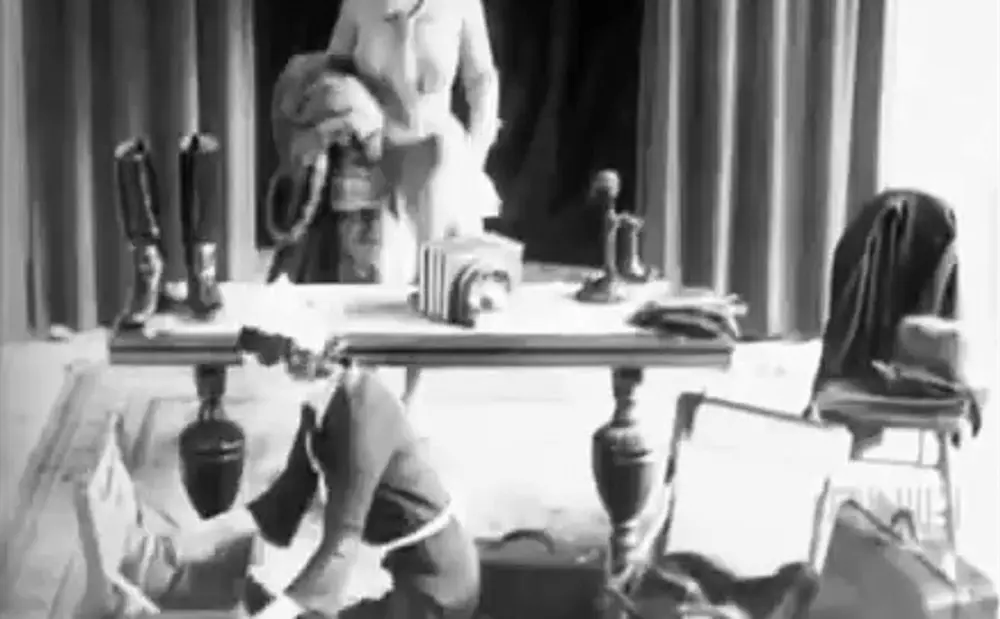
Forbidden Daughters is less of a movie and more of an artifact. To understand it, one must understand the 'Goona-Goona' genre—films that used a thin veneer of ethnographic study to justify showing nudity. While films like Open Your Eyes tried to educate, Forbidden Daughters simply wants to provoke. The setup is classic: a woman searching for her husband. This provides the 'moral' backbone that supposedly justifies the journey into the 'immoral' jungle.
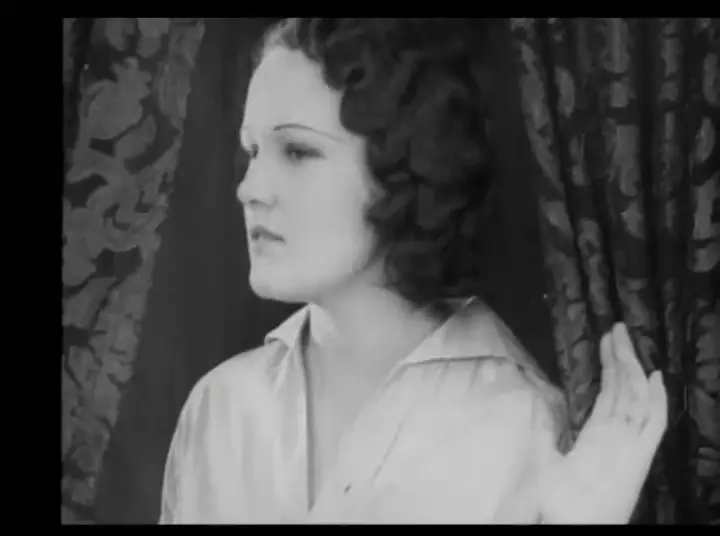
The acting by Kathryn Kay is standard for the era, full of wide-eyed gasps and clutching at chests. However, there is a lack of the nuanced pantomime found in better productions of the year. When Kay's character finally encounters the lost civilization, the film stops being a drama and becomes a series of tableaux. The 'daughters' of the title move with a staged, awkward grace that feels more like a Ziegfeld Follies rehearsal than a tribal ritual.
The direction is largely invisible, and not in a good way. The camera remains mostly stationary, capturing wide shots of the jungle sets that look suspiciously like a California botanical garden. There is no attempt at the dynamic editing seen in April Folly. Instead, we get long, lingering shots that serve no purpose other than to satisfy the viewer's curiosity about the scantily clad cast.
Take, for example, the scene where the husband is first revealed. There is no dramatic tension. He is simply there, surrounded by women, looking less like a lost explorer and more like a man who has won the lottery. The lack of conflict in his 'captivity' undermines the entire first act's sense of urgency. It makes the wife's struggle seem laughable. The film doesn't care about her pain; it only cares about her arrival as a witness to the spectacle.
Forbidden Daughters is worth watching only as a study of historical censorship and genre evolution. It is a boring film by modern standards. The pacing is glacial, and the 'shocking' elements have long since lost their power. However, if you are interested in how the 'male gaze' was constructed in the silent era, it is a fascinating case study. It represents the bottom-tier 'states' rights' market—films made cheaply to be sold to independent theaters outside the major studio loops.
When compared to something like Lazybones, the lack of heart in Forbidden Daughters becomes glaring. While other films of 1927 were pushing the boundaries of visual storytelling and emotional depth, this film was content to wallow in the mud. It shares more DNA with Misfits and Matrimony in its slapdash approach to production, yet it lacks even the comedic timing of the latter.
The first twenty minutes are a slog. We are treated to endless title cards explaining the wife's motivation and her journey. It feels like a travelogue without the scenery. Once we reach the jungle, the tone shifts abruptly from a somber drama to a lighthearted, almost comedic voyeurism. This jarring transition is a hallmark of low-budget exploitation. It doesn't know what it wants to be, so it tries to be everything at once and fails at all of it.
The cinematography is flat. There is no play with light or shadow, no use of the expressionist techniques that were popular in Europe at the time. It is a 'point and shoot' affair. Even the costumes—or lack thereof—feel uninspired. They are 'Hollywood primitive,' a collection of beads and furs that look like they were pulled from a bargain bin after a larger production finished filming.
Pros:
- Provides a rare look at 1920s 'off-Hollywood' exploitation.
- Short runtime makes it a painless historical exercise.
- Occasionally funny in its unintentional absurdity.
Cons:
- Static, boring cinematography.
- Weak performances that rely on cliché.
- Culturally insensitive and dated tropes.
- The 'lost civilization' looks like a backyard party.
Most critics dismiss this as mere trash. However, there is a subtle, perhaps accidental, subversion here. The husband isn't a prisoner of the women; he is a prisoner of his own desire to escape the 'civilized' world that his wife represents. In a way, the film suggests that the 'civilization' of the 1920s was so stifling that a man would rather stay 'lost' in a jungle than return to his mortgage and his social duties. It is a primitive form of the 'mid-life crisis' movie, disguised as a jungle adventure.
Forbidden Daughters is a relic that has lost its shine. It is a film that was built to be seen once in a smoky theater and then forgotten. While it offers a window into the darker, less prestigious corners of silent cinema, it offers very little in the way of artistic merit. It works as a historical footnote. But it’s flawed. Deeply. If you want a real adventure, look elsewhere. If you want a weird evening looking at how our great-grandparents defined 'scandalous,' then this is your movie.
IMDb —
1924
Community
Log in to comment.