DbcultAccessing Vault...
Cult Review
Senior Film Conservator
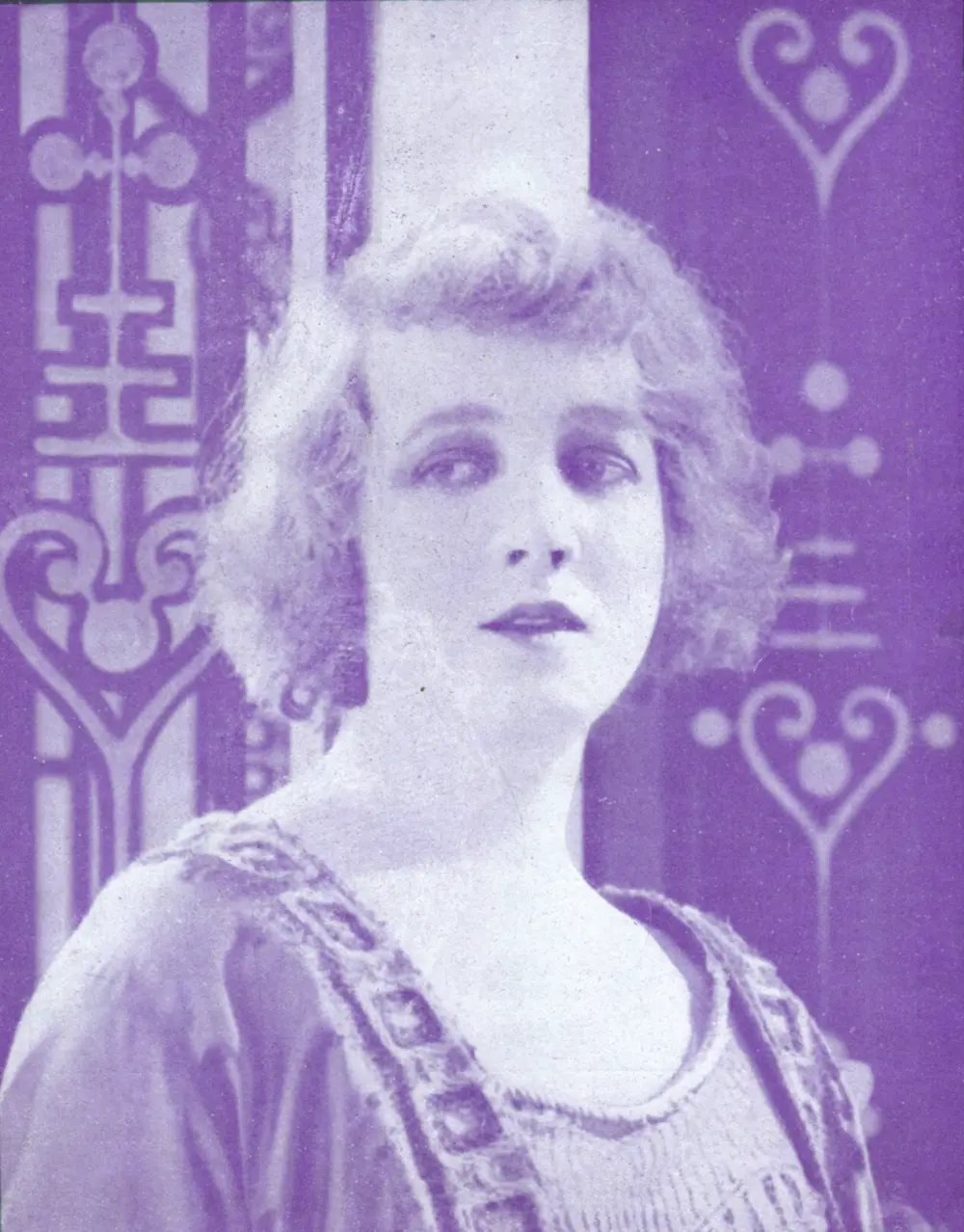
Is Chantage still worth watching in the 21st century? Short answer: yes, but with significant historical context required to fully appreciate its nuances and forgive its occasional period-specific foibles. This silent French drama from the 1920s is a fascinating artifact, a window into early cinematic storytelling that will appeal profoundly to silent film enthusiasts, film historians, and those curious about the evolution of psychological thrillers. However, it is decidedly not for viewers seeking modern pacing, clear-cut narrative resolutions, or a film that holds their hand through its emotional landscape.
Early cinema often feels alien to contemporary audiences, but Chantage, at its core, explores universal themes of desire, betrayal, and power. It works. But it’s flawed.
This film works because of its surprisingly daring subject matter for the era, its strong central performances, and a palpable sense of moral dread that pervades the narrative.
This film fails because of an uneven narrative rhythm that can occasionally meander, some overly theatrical melodramatic flourishes, and a reliance on plot conveniences that might strain modern credulity.
You should watch it if you appreciate film as an evolving art form, enjoy dissecting the psychological underpinnings of character, and are willing to engage with the unique storytelling conventions of the silent era.
At its heart, Chantage is a testament to the destructive power of unfulfilled longing and the perilous nature of trust. Lady Witcomb, portrayed with a captivating fragility by Andrée Vernon, exists within a gilded cage. Her marriage, presented as a joyless affair, pushes her towards an emotional precipice. It’s a classic setup, but the film manages to imbue it with a certain gravitas.
Her subsequent affair with an elegant Count, a figure of sophisticated allure played by Jean Angelo, is less a passionate romance and more a desperate grasp at happiness. The film doesn't glorify the affair; rather, it frames it as a dangerous indulgence, a fragile secret built on shaky ground. Vernon’s nuanced expressions, even without dialogue, convey a woman teetering on the edge of emotional collapse, her longing almost palpable.
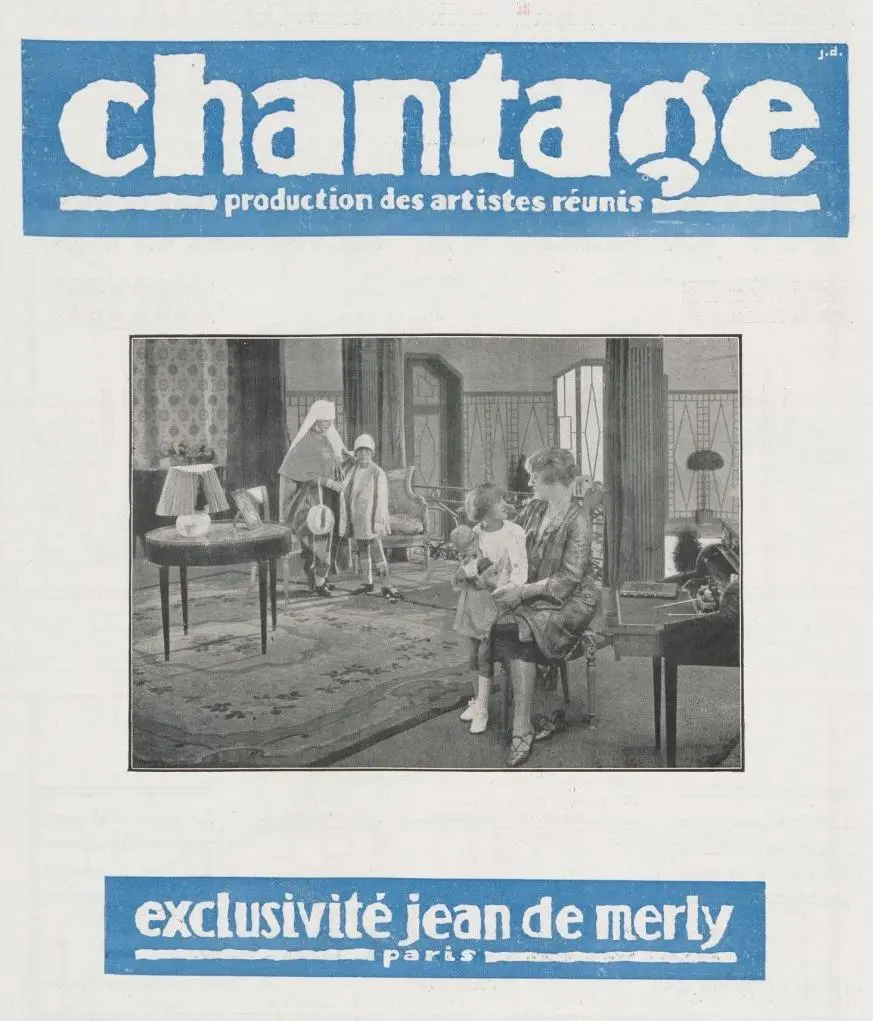
The critical misstep, the one that ignites the film's central conflict, is her decision to document these forbidden affections in a personal notebook. This isn't merely a diary; it's a raw, unfiltered confession, a physical manifestation of her deepest desires and her marital discontent. The notebook itself becomes a character, a silent witness to her transgressions, laden with the potential for scandal.
The narrative truly shifts when Roy, the manager of the Witcomb factory, enters the scene. Constant Rémy delivers a performance that is less overtly villainous and more chillingly opportunistic. His theft of the notebook isn't born of grand malice, but a calculated, almost cold-blooded recognition of its monetary and social value. It transforms a private emotional drama into a public threat, a weaponized confession that promises to shatter Lady Witcomb’s world. The film subtly critiques not just individual infidelity, but the societal structures that create such suffocating marriages, making Lady Witcomb a victim of circumstance as much as her own choices.
The success of any silent film hinges almost entirely on the expressiveness of its cast, and Chantage largely delivers. The emotional heavy lifting is considerable, requiring actors to convey complex internal states through gesture, posture, and facial expression alone. It’s a demanding art, and the leads rise to the occasion, albeit with varying degrees of subtlety.
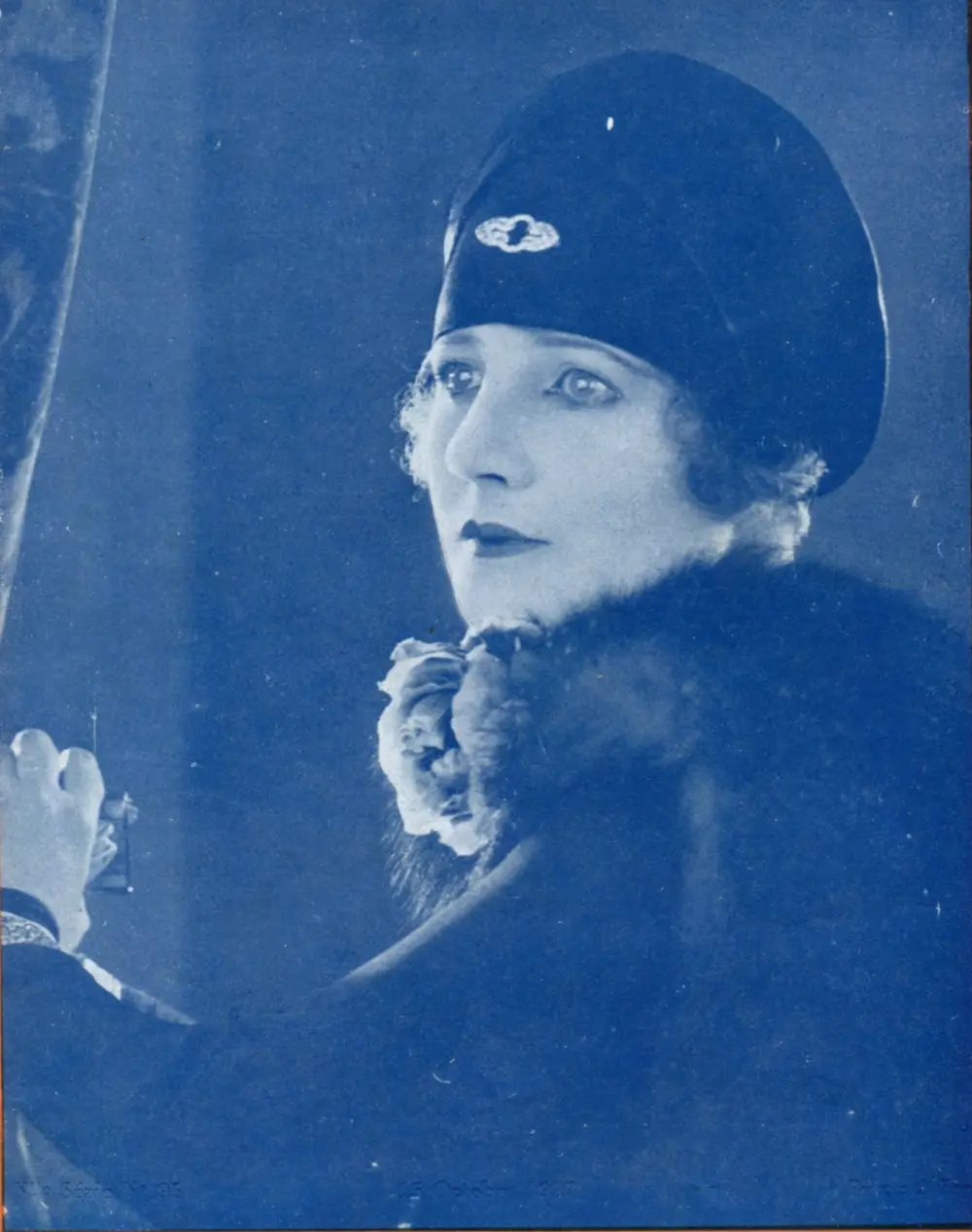
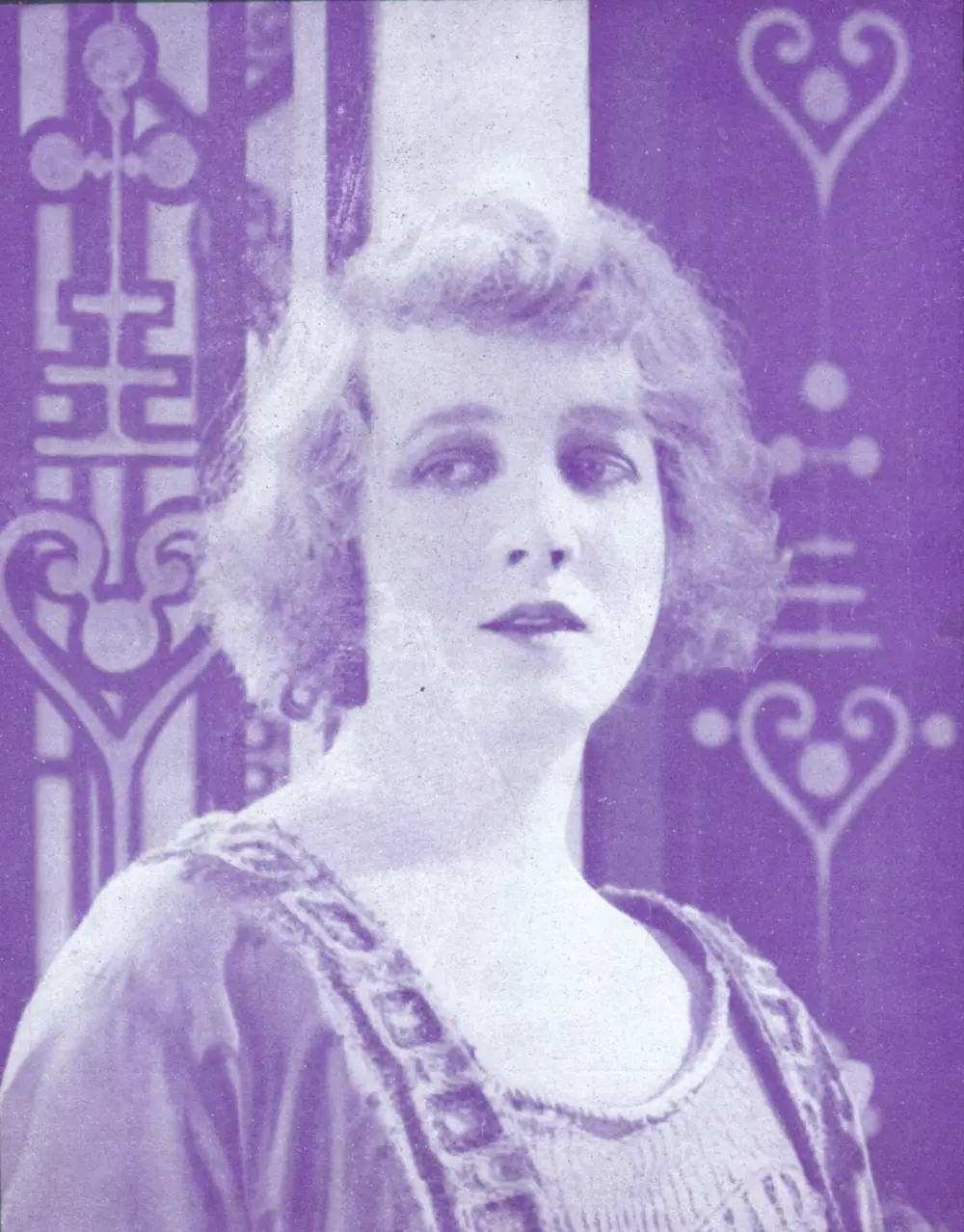
Vernon's portrayal of Lady Witcomb is the emotional anchor of the film. She masterfully communicates a woman trapped by societal expectations and personal yearning. In the opening scenes, her subtle gestures of boredom and resignation at home, contrasted with the fleeting moments of joy and anxiety with the Count, speak volumes. Her eyes, often downcast or filled with a distant sadness, are particularly effective. We feel her despair, her brief moments of illicit happiness, and the escalating terror as the threat of exposure looms. It’s a performance that transcends mere melodrama, hinting at a deep, internal struggle.
Rémy's Roy is a truly unsettling presence. He isn't a flamboyant villain, which makes him all the more dangerous. His performance is marked by a quiet intensity, a calculating stillness that suggests a mind constantly assessing weaknesses and opportunities. The moment he discovers the notebook is a masterclass in silent acting: his eyes widen almost imperceptibly, a slow, predatory smile plays on his lips, and his posture shifts, betraying a sudden, chilling sense of power. It's a defining moment for the character, revealing his true opportunistic nature. Roy’s character, while seemingly straightforward villainy, can also be read as a commentary on class resentment, a factory manager seizing power from the elite, which is a surprisingly modern interpretation for a film of this era.
Angelo’s Count is, as the plot suggests, elegant. He embodies the allure that draws Lady Witcomb away from her desolate marriage. However, his performance is somewhat less developed than the others, serving primarily as a catalyst for Lady Witcomb's actions and the subsequent blackmail. He exudes charm and a certain world-weariness, but the film doesn't delve deeply into his motivations or emotional landscape. He remains somewhat of an idealized, perhaps even superficial, object of desire.
The film's direction, likely by Pierre Lestringuez given his writing credit, showcases a blend of burgeoning cinematic techniques and the conventions of its time. The pacing, a common point of contention for modern viewers watching silent films, is deliberate. It allows for the slow burn of emotional tension, particularly in the build-up to the affair and the subsequent discovery of the notebook. However, there are moments where the narrative momentum falters, feeling a touch too drawn out, a common pitfall in silent cinema when compared to the more streamlined narratives found in films like The Eternal Grind.
Visually, Chantage employs a straightforward yet effective style. Cinematography often relies on medium shots to capture the full expressive range of the actors, but it’s the strategic use of close-ups that truly stands out. The camera frequently isolates the notebook itself, elevating it from a mere prop to the central object of conflict and desire. This visual emphasis underscores its symbolic weight, making it a tangible representation of Lady Witcomb’s vulnerability.
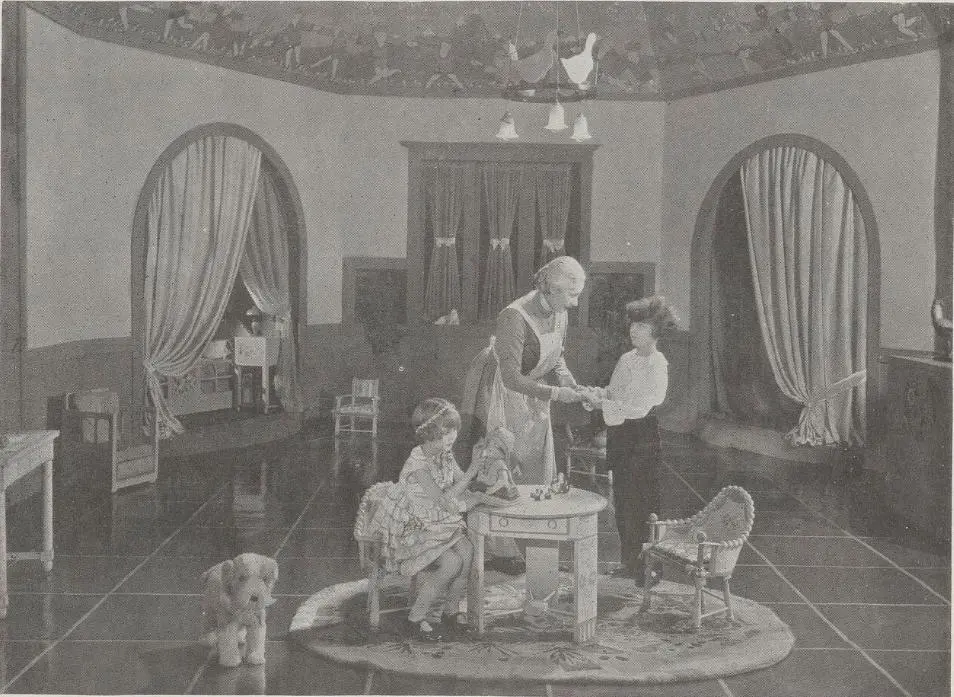
The set design, particularly within Lady Witcomb's home, speaks volumes. It’s opulent, yet often depicted with a sterile, almost suffocating quality, reflecting her emotional state. The contrast between these grand, yet desolate, interiors and the more intimate, clandestine settings of her meetings with the Count is subtle but effective. The overall tone leans heavily into psychological drama, punctuated by moments of suspense, creating an atmosphere of quiet dread that permeates the film.
Yes, for specific audiences, Chantage is absolutely worth watching today. It offers a valuable glimpse into the early development of cinematic storytelling and character-driven drama.
Its historical significance alone warrants a viewing for film scholars and students of early French cinema. The daring nature of its themes—marital dissatisfaction, forbidden love, and blackmail—was quite bold for its time and still resonates.
However, if you are a casual viewer accustomed to the rapid-fire editing and clear narrative arcs of contemporary cinema, Chantage might test your patience. The pacing is slower, the acting style more overtly theatrical, and the story unfolds with a different rhythm.
Who should watch: Silent film aficionados, students of early cinema, those interested in the evolution of psychological drama, and viewers who appreciate the art of acting without dialogue. It's also an excellent choice for anyone exploring the social critiques embedded within early 20th-century European cinema.
Who should avoid: Viewers seeking fast-paced action, complex modern narratives, polished contemporary production values, or those who find the conventions of silent film difficult to engage with.
Beyond the immediate plot of illicit love and blackmail, Chantage delves into several compelling thematic layers. It's a film about the suffocating nature of societal expectations, particularly for women, in the early 20th century. Lady Witcomb's desperation isn't just personal; it's a commentary on the limited avenues for happiness available to women trapped in loveless, arranged marriages.
The vulnerability of the written word is another potent theme. The notebook isn't just a plot device; it's a symbol of how easily private thoughts can become public weapons. In an era before digital footprints, personal writings held immense power for both confession and condemnation. This film reminds us that the act of committing feelings to paper can be both liberating and incredibly dangerous.
Power dynamics are also central. The shift in power from Lady Witcomb to Roy, the factory manager, is stark and unsettling. It’s not just a matter of social standing, but of moral leverage. Roy’s ability to exploit her vulnerability highlights the precariousness of reputation and the ease with which one's life can be dismantled by another’s malice or greed. This film is a stark reminder of how easily one's carefully constructed world can be shattered by a single, damning secret.
One unconventional observation is how the film, perhaps unintentionally, foreshadows the anxieties of privacy in a more interconnected world. The notebook, a physical object, functions much like a leaked email or a hacked social media account today. The film suggests that the most dangerous threats often come from within one's own circle, from those who observe and wait for an opportunity. It's a surprisingly prescient look at the weaponization of personal information.
Chantage is more than just a historical curiosity; it’s a compelling, if imperfect, piece of early French cinema. It offers a fascinating look at how filmmakers of the era tackled complex emotional and moral themes without the benefit of spoken dialogue or sophisticated editing techniques. While its pacing and some of its dramatic conventions may require a degree of patience from contemporary audiences, the film's strengths — particularly the powerful performances of Andrée Vernon and Constant Rémy — shine through.
It's a film that asks its audience to lean in, to observe, and to interpret, rewarding those who do with a rich, if somewhat melancholic, exploration of human vulnerability and the corrosive nature of secrets. It works. But it’s flawed. Ultimately, Chantage serves as a valuable reminder of the silent era's capacity for profound storytelling, making it a worthwhile watch for dedicated cinephiles and anyone interested in the foundational elements of film as an art form.
IMDb —
1932
Community
Log in to comment.