DbcultAccessing Vault...
7.1/10
Senior Film Conservator
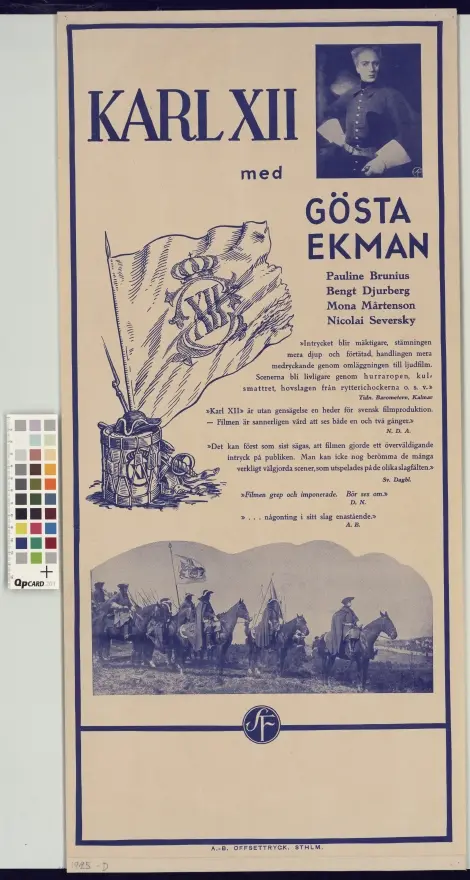
A definitive 7.1/10 rating for a film that redefined the boundaries of cult cinema. Charles XII remains a cornerstone of transgressive art.
In the annals of historical cinema, the Swedish film 'Charles XII' emerges as a landmark work, meticulously crafted to honor the life of its titular monarch, Charles XII (1682-1718). Spanning the zenith of the Swedish Empire’s expansion to its tragic defeat at the Battle of Poltava, the film is a testament to both the grandeur and the fragility of power.
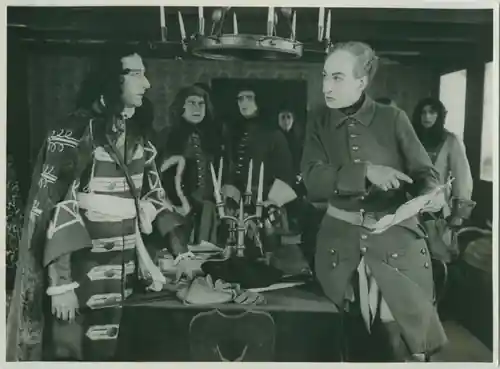
The narrative begins with Charles XII's ascension to the throne, a young king with a vision of a powerful empire stretching across Europe. Through a series of intimate and epic moments, the film delves into his political acumen, diplomatic finesse, and military prowess, all set against the backdrop of European geopolitics in the early 18th century. The screenplay, penned by the revered Hjalmar Bergman, is a masterclass in historical accuracy and dramatic tension.
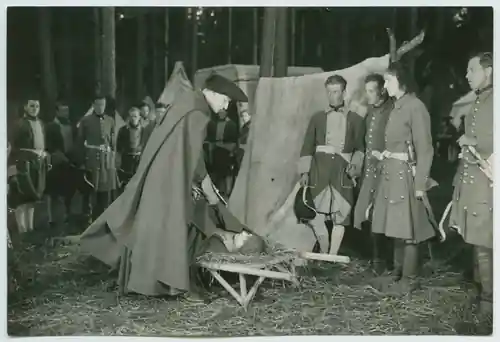
Pauline Brunius brings an air of regal dignity to the role of Charles XII, her performance capturing the monarch's charisma and resolve. Sven Bergvall and Gösta Ekman, among others, provide a robust supporting cast, each bringing depth to their characters and contributing to the film's rich tapestry. The cinematography, by the legendary cinematographer Tor Weijden, is a visual feast, with stunning landscapes and meticulously detailed sets that transport viewers to a bygone era.
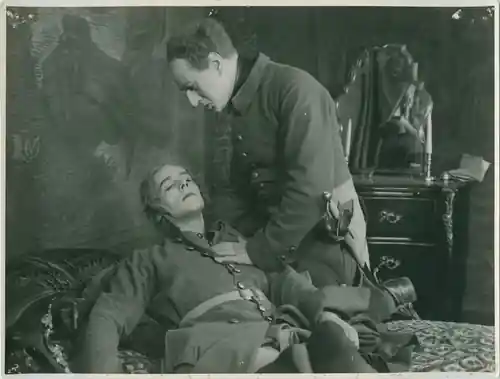
At the heart of the film lies the struggle between Charles XII's personal ambitions and the relentless demands of statecraft. His relationship with his mother, Ulrika Eleonora, played by Edit Rolf, is a poignant subplot that adds layers of complexity to the narrative. The film explores themes of leadership, ambition, and the human cost of war, making it a profound exploration of a historical figure often shrouded in myth and legend.
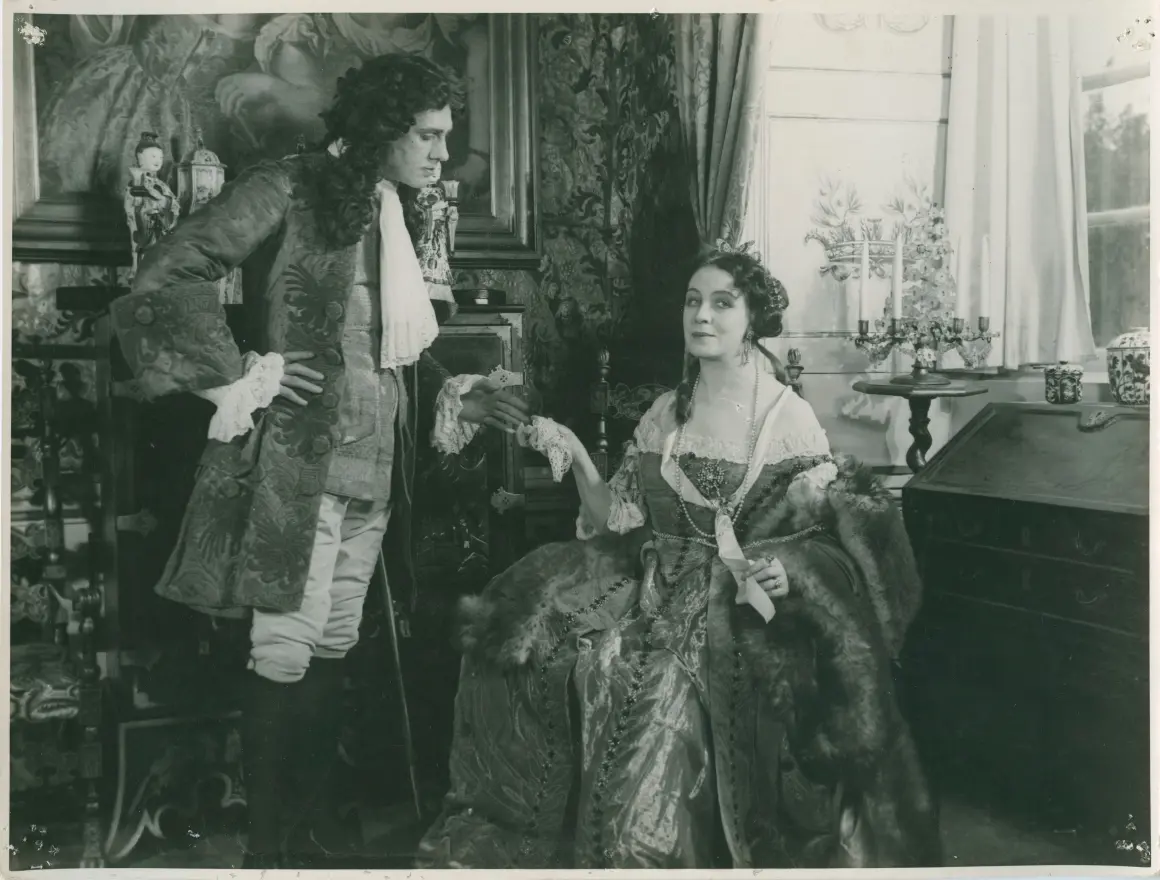
The Battle of Poltava, a pivotal moment in Swedish history, is depicted in harrowing detail, blending the macrocosmic vision of military strategy with the microcosmic horrors of war. The film’s portrayal of this event is both a spectacle of grandeur and a somber reflection on the futility of such conflicts. The use of period-appropriate costumes, props, and battle sequences elevates the film to a level of authenticity that is both educational and emotionally resonant.

While 'Charles XII' is a historical drama, it is also a character study, delving into the psyche of a man who, at 18 years old, ascended to the throne and, at 29, faced a crushing defeat that would redefine his legacy. The film’s pacing and narrative structure are masterfully executed, creating a sense of urgency and emotional depth that keeps the audience engaged from beginning to end.
In comparison to other films that have similarly tackled the subject of historical figures, 'Charles XII' stands out for its nuanced portrayal and its ability to blend historical accuracy with cinematic artistry. Works such as 'The Little Diplomat' and 'In the Spider's Grip' provide a different lens through which to view the era, but 'Charles XII' offers a more comprehensive and visceral experience. It is a film that demands to be seen, not just as a historical document, but as a piece of art that captures the essence of a bygone era.
For those interested in historical cinema, 'Charles XII' is a must-see. It is a film that not only entertains but also educates, offering a deep dive into the life and times of a figure who looms large in Swedish history. It is a film that will resonate with anyone who appreciates the intersection of history and art, and it is a testament to the enduring power of cinema to bring the past to life.
If you enjoy films that delve into the complexities of historical figures and the grandeur of the past, 'Charles XII' is an absolute must-watch. It is a film that stands the test of time, a work of cinematic art that will leave you both informed and emotionally moved.
IMDb 7.8
1932
Community
Log in to comment.