DbcultAccessing Vault...
Cult Review
Senior Film Conservator
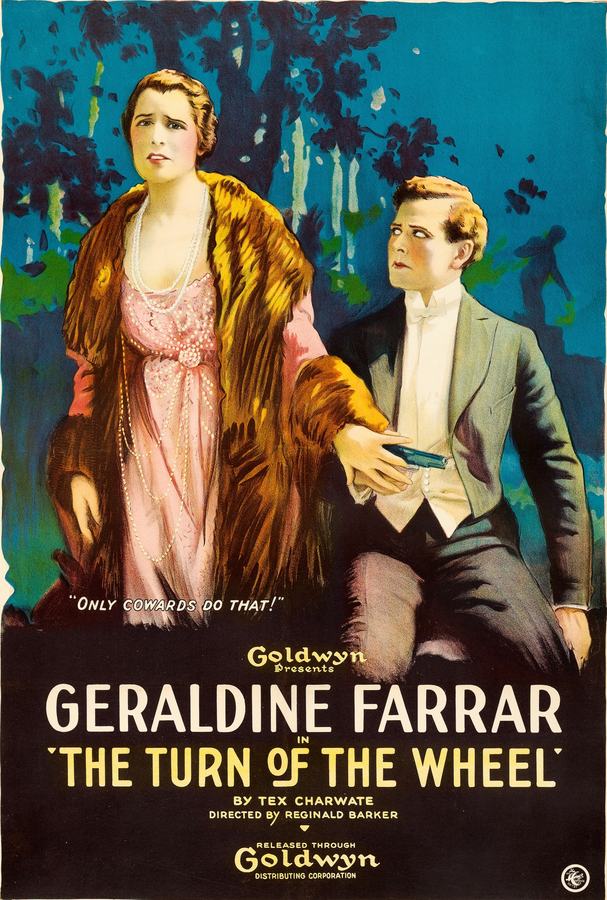
The cinematic tapestry of the early 20th century, often dismissed by modern audiences as quaint or simplistic, frequently yielded works of profound emotional resonance and narrative complexity. Among these, Tex Charwate's 'The Turn of the Wheel' (1918) stands as a testament to the silent era's capacity for gripping drama and nuanced character study. It is a film that, even a century later, retains a compelling power, primarily through its audacious plot and the incandescent performance of its leading lady, Geraldine Farrar.
At its core, the narrative is a deeply human exploration of loyalty, sacrifice, and the relentless pursuit of truth against the backdrop of an unjust accusation. We are introduced to Rosalie Dean, portrayed with an almost raw intensity by Farrar, a woman whose love for Maxfield Grey (Herbert Rawlinson) is tested by the most dire of circumstances. Grey stands accused of murdering his wife, a charge that, in any era, carries a heavy social and legal stigma. What makes his plight particularly agonizing, and indeed, the central engine of the film's tension, is his inexplicable refusal to defend himself. This silence, rather than suggesting guilt, hints at a deeper, more tragic secret, compelling Rosalie to undertake a perilous quest to clear his name.
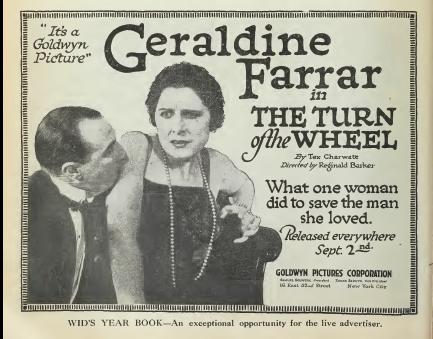
Geraldine Farrar, a celebrated opera singer who transitioned to the silver screen, brings a unique theatricality and undeniable star power to her role. Her portrayal of Rosalie is not merely that of a damsel in distress; she is an active, intelligent protagonist, driven by a profound inner conviction. Farrar’s expressive face, a crucial asset in the silent film medium, conveys a spectrum of emotions—from tender affection to fierce determination, from agonizing doubt to triumphant resolve. Her gestures are grand yet precise, communicating volumes without a single spoken word. One cannot help but draw parallels to other formidable female leads of the era, such as those seen in films like 'Man's Woman', where heroines often defied societal expectations to pursue their own sense of justice or purpose. Farrar's Rosalie is a proto-feminist figure, taking agency in a world that often relegated women to more passive roles, a characteristic that makes her performance particularly resonant.
Herbert Rawlinson, as the enigmatic Maxfield Grey, delivers a performance that, by necessity, relies on subtlety and internalized struggle. His character's silence is not a void but a profound statement, suggesting burdens too heavy to articulate. Rawlinson masterfully communicates Grey's inner turmoil, his resignation, and the flicker of hope that Rosalie’s efforts ignite, often through a mere glance or a slight shift in posture. This dynamic between Farrar's fiery activism and Rawlinson's quiet suffering creates a compelling emotional core that anchors the entire narrative. The chemistry between them, though largely unspoken, is palpable, lending credence to Rosalie’s relentless pursuit of his vindication.
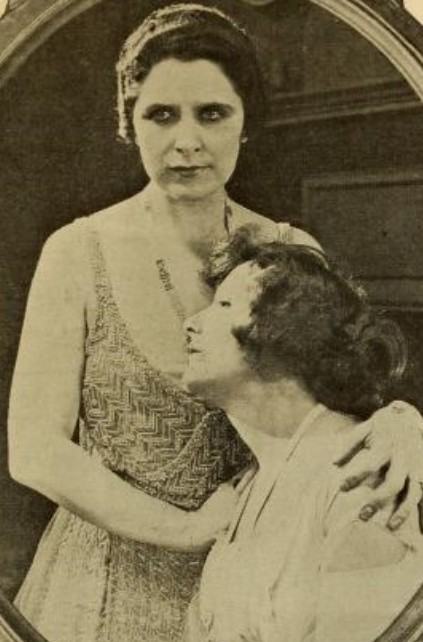
Tex Charwate's screenplay is a marvel of intricate plotting, a characteristic often overlooked in silent cinema analyses. The story is meticulously constructed, weaving together threads of suspicion, deceit, and unexpected revelations. It avoids the simplistic morality plays sometimes found in contemporary films, opting instead for a more complex portrayal of human motivations. The pacing, while deliberate, never drags, maintaining a steady build-up of suspense as Rosalie uncovers clue after clue. Charwate understands the power of the unanswered question, using Grey’s silence as a narrative device to heighten tension and draw the audience deeper into Rosalie’s investigative journey. The script’s ability to sustain intrigue without relying on dialogue is a testament to its structural integrity and the visual storytelling prowess of the era.
The direction, though uncredited for a specific individual in some historical records, demonstrates a keen understanding of visual narrative. The use of close-ups to emphasize Farrar's expressions, the atmospheric lighting to convey mood, and the judicious editing to propel the plot forward are all hallmarks of a sophisticated filmmaking approach. The film effectively uses its settings, from the opulence of Grey’s home to the starkness of the courtroom, to underscore thematic elements. The visual language is rich, ensuring that every frame contributes to the story’s development, a skill honed by filmmakers of the period who were forced to convey complex ideas solely through imagery. This attention to visual detail sets it apart from more rudimentary productions, much like the refined storytelling seen in 'The Woman in 47', which also relied heavily on visual cues to unravel its mysteries.
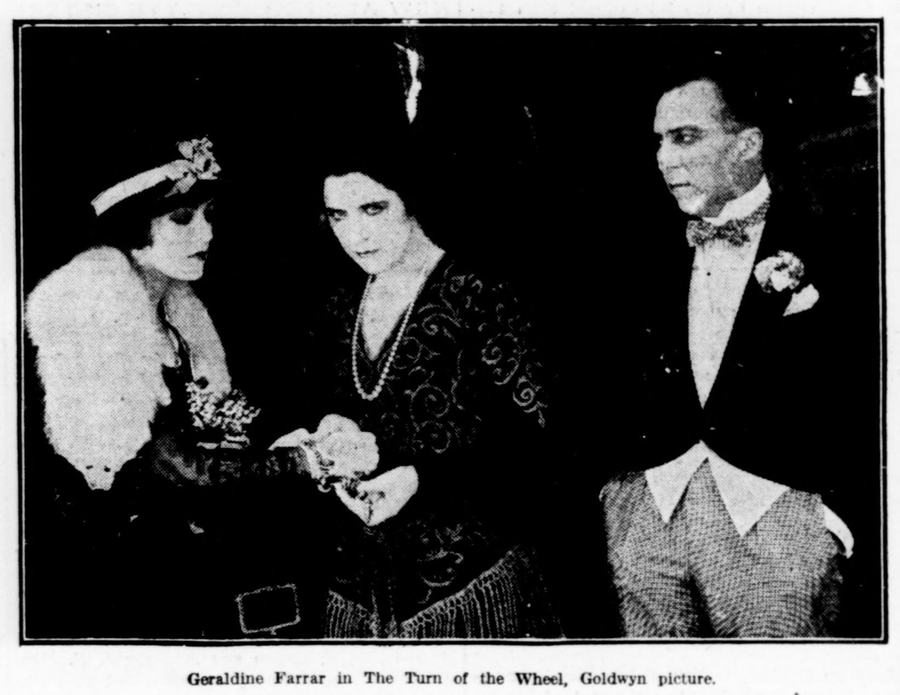
Beyond the performances and technical merits, 'The Turn of the Wheel' delves into profound thematic territory. It is a commentary on the fragility of reputation, the swiftness of public judgment, and the often-unseen sacrifices made in the name of love and justice. Rosalie’s journey is one of immense personal cost, as she faces skepticism, danger, and the emotional toll of battling an entrenched system. Her unwavering faith in Grey, despite all appearances, speaks to a deeper truth about human connection and the power of intuition. The film implicitly critiques the legal processes of the time, suggesting how easily an innocent person could be condemned, especially if they are unwilling or unable to speak in their own defense. This theme of battling an impersonal system with personal conviction is one that resonates across cinematic history, from early dramas to contemporary thrillers.
The supporting cast, including Hassard Short, Clarence Handyside, Percy Marmont, Ernest Maupain, Violet Heming, Mabel Ballin, Henry Carvill, and Maude Turner Gordon, provides solid backing, each contributing to the rich tapestry of characters that populate Grey’s world. Their reactions, their suspicions, and their eventual understanding all serve to amplify the central drama, creating a believable social environment within which Rosalie’s struggle unfolds. Each player, no matter how small their role, adds another brushstroke to the overall portrait of a society grappling with scandal and the quest for truth.
In an era where films were often ephemeral, quickly produced and just as quickly forgotten, 'The Turn of the Wheel' manages to leave a lasting impression. It's not just a historical artifact; it's a vibrant piece of storytelling that speaks to universal human experiences. The film's ability to maintain suspense and emotional engagement without dialogue is a testament to the artistry of its creators and performers. It challenges viewers to look beyond superficial appearances and to question the narratives presented to them, a timeless message that remains relevant today. The silent film era, often unfairly stereotyped, produced a wealth of sophisticated narratives, and this film is a prime example of its dramatic capabilities. Consider how other films of the period, like 'Loyalty', also explored the intricate dance between personal conviction and societal expectations; 'The Turn of the Wheel' elevates this theme with its unique blend of mystery and unwavering devotion.
The film's exploration of justice, or the lack thereof, is particularly poignant. Maxfield Grey’s silence is not merely a plot device; it’s a commentary on the myriad reasons individuals might choose not to defend themselves, from protecting others to a sense of fatalism. Rosalie’s refusal to accept this silence as an admission of guilt transforms her into a detective, a lawyer, and an avenging angel all at once. Her journey is fraught with peril, both physical and emotional, yet she never wavers. This unwavering resolve is what elevates the film from a simple mystery to a powerful drama about the strength of the human spirit. The film showcases how a single individual, armed with conviction and love, can challenge the seemingly insurmountable forces of fate and public opinion.
To fully appreciate 'The Turn of the Wheel' is to engage with it on its own terms, to immerse oneself in the visual storytelling and the nuanced performances that define the silent era. It is a reminder that compelling narratives and deep emotional impact do not require spoken dialogue or elaborate special effects. Instead, they rely on strong characters, a well-crafted plot, and the ability of actors to convey complex inner lives through gesture and expression. Geraldine Farrar’s performance alone is worth the watch, a masterclass in silent film acting that continues to captivate. This film not only entertains but also prompts reflection on themes of justice, love, and the courage to stand against the tide. It is a vital piece of cinematic history, deserving of its place among the best of its time, offering a rich viewing experience that transcends its historical context and speaks to the enduring power of storytelling.
IMDb —
1927
Community
Log in to comment.