DbcultAccessing Vault...
Cult Review
Senior Film Conservator
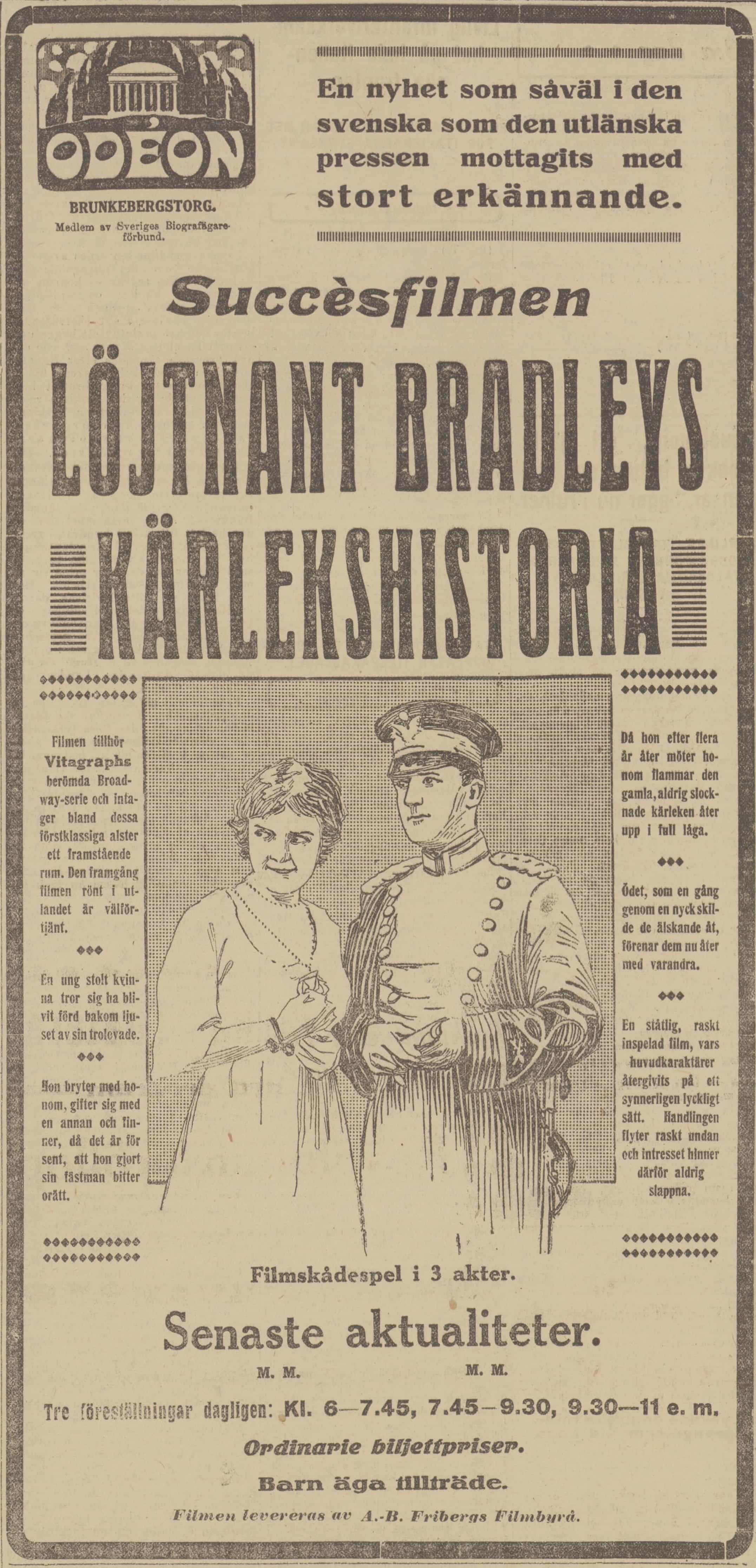
The cinematic landscape of 1914 was a crucible of narrative experimentation, a period where the short-form tropes of the nickelodeon era began to yield to the expansive, psychologically dense structures of the feature film. Standing as a quintessential artifact of this transition is The Tangle, a Vitagraph production that eschews the simplistic morality of its contemporaries for a nuanced, often harrowing exploration of human fallibility. Directed with a keen eye for social friction by Harry Lambart, the film operates as both a domestic melodrama and a martial epic, weaving a tapestry of regret that feels startlingly modern in its cynicism regarding communication.
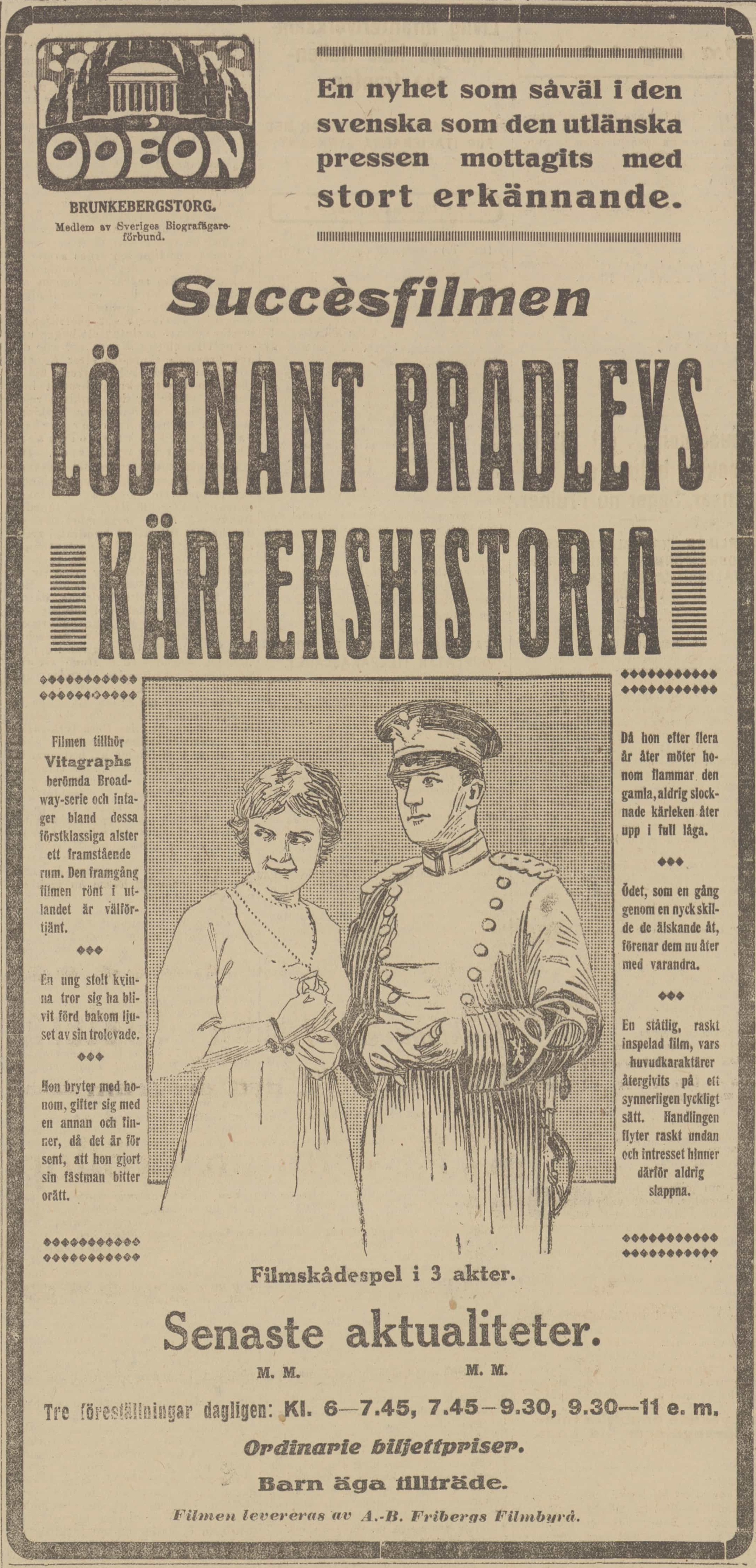
At the heart of this storm is Lieut. Jack Bradley, portrayed with a stoic, almost classical dignity by Darwin Karr. Unlike the swashbuckling heroes of The Golden West, Bradley is a man defined by his restraint. His encounter with Margaret Lane (Lillian Herbert) at the Fortress Monroe sets the stage for a tragedy predicated entirely on the 'unsaid.' Margaret’s 'jealous disposition' isn't merely a plot point; it is a psychological prison. When she discovers a photograph of a beautiful woman—later revealed to be Jack’s sister, Emily—in his coat, her reaction is not one of inquiry but of total severance. This moment of reflexive abandonment mirrors the social anxieties found in What Happened to Mary, where the female protagonist is often at the mercy of misinterpreted appearances.
The narrative’s brilliance lies in its temporal leap. Two years pass, and the 'tangle' has only grown more gnarled. Margaret has sought refuge in a marriage to Colonel Richard Everett (Charles Wellesley), a man whose nobility is as rigid as his uniform. The shift to Fort Bunker, Texas, introduces a claustrophobic tension. The Fort is not merely a military installation; it is a stage where the past refuses to stay buried. When Jack’s sister Emily (Bernice Berner) arrives, the visual realization of Margaret’s error is handled with a devastating subtlety. The camera lingers on Herbert’s face as the realization dawns: she has traded a lifetime of love for a phantom of betrayal. This level of emotional gravitas is reminiscent of the weightier themes explored in Damaged Goods, though The Tangle focuses on the rot of the heart rather than the rot of the flesh.
The introduction of Major Prescott (L. Rogers Lytton) as a moral watchdog adds a layer of suspense that borders on the Hitchcockian. Prescott represents the unforgiving eye of society—the same society that demands Margaret remain 'true' to a husband she does not love. The scene where Prescott interrupts a clandestine explanation between Jack and Margaret is charged with an electric dread. It highlights the film's central thesis: that in a world governed by 'honor,' the truth is often the first casualty. One cannot help but compare this rigid social structure to the period dramas of the era, such as The Reign of Terror, where individual desires are constantly crushed by the gears of institutional power.
As the setting moves to Tampa, Florida, the film expands its scope. The embarkation for the front—likely a reference to the Spanish-American War era—provides a grand backdrop for the final unraveling of the protagonists' lives. The use of location shooting gives The Tangle a sense of scale that rivals Atlantis. The tension reaches a crescendo at a secret rendezvous, where Colonel Everett stands ready to execute Jack for a perceived transgression he hasn't even committed. The irony is thick: the Colonel is prepared to kill the man who is currently defending his honor by rejecting his wife’s advances.
"Jack’s refusal to succumb to Margaret’s pleas is a masterclass in performative ethics. He tells her that her duty is to her husband, an act of self-negation that finally earns him the respect of the man who would have been his executioner."
This resolution of the 'tangle' through the Colonel’s eventual death on the battlefield is a classic melodramatic trope, yet it is executed with a somber grace. The Colonel’s deathbed request—that Jack marry Margaret—is a moment of supreme magnanimity. It elevates the film from a mere story of jealousy to a meditation on the redemptive power of truth. The battlefield sequences, though primitive by modern standards, carry an emotional weight similar to A Long, Long Way to Tipperary, emphasizing the human cost of these grand geopolitical movements.
Technically, The Tangle is a testament to Vitagraph’s superior production values. The lighting in the Esplanade Hotel sequences creates a soft, almost ethereal atmosphere that contrasts sharply with the harsh, flat lighting of the Texas desert. This visual dichotomy underscores the transition from the illusions of youth to the hard realities of adulthood. The performances are remarkably restrained for 1914. Darwin Karr avoids the histrionics common in films like The Octoroon, opting instead for a performance built on silence and stillness. Lillian Herbert, while tasked with playing a 'jealous' character, manages to imbue Margaret with a tragic vulnerability that prevents her from becoming a mere villainess.
The film’s conclusion—Margaret’s delirium in New York and Jack’s return from Santiago—is a poignant coda. It suggests that while the 'tangle' has been untied, the scars remains. The feverish calls for Jack in her illness serve as a haunting reminder of the psychological toll of their separation. In many ways, The Tangle functions as a precursor to the psychological dramas of the 1920s, bridging the gap between the theatricality of The Life and Death of King Richard III and the modern character study. It is a film that demands to be scrutinized for its subtext, its use of props (the photograph, the note, the ring) as conduits for narrative momentum, and its uncompromising look at the consequences of pride.
In the broader context of silent cinema, The Tangle stands alongside works like The Better Man and Doc as an exploration of the masculine psyche under pressure. However, it is the female experience—the entrapment of Margaret within her own social and emotional choices—that provides the film's most enduring resonance. It is a cautionary tale that remains as vital today as it was over a century ago: a reminder that the most dangerous battlefields are often the ones we construct within our own minds.
IMDb —
1917
Community
Log in to comment.